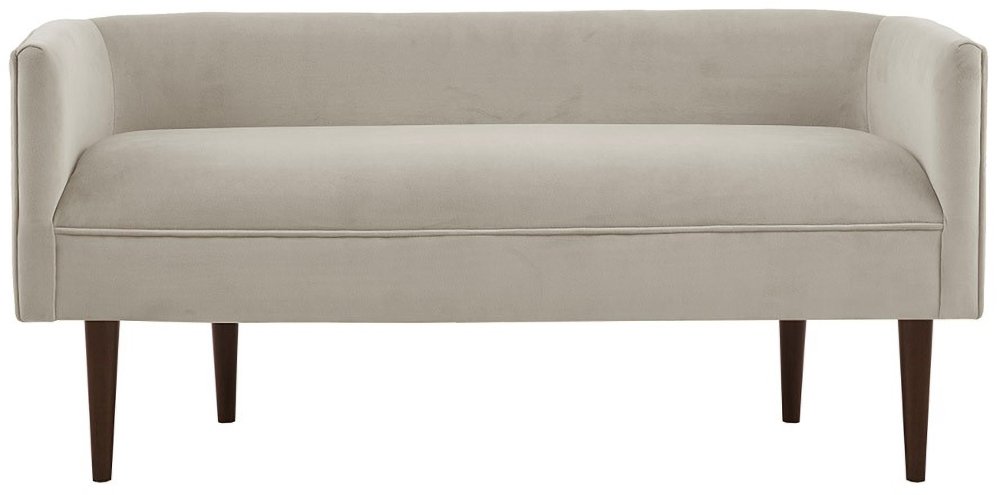
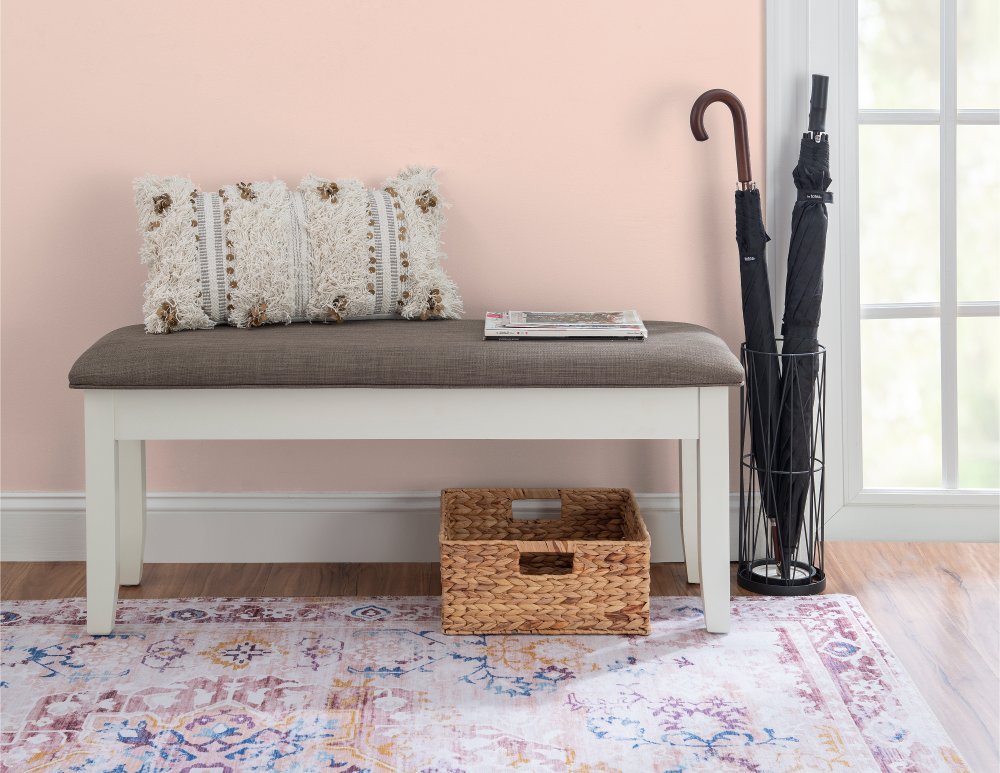
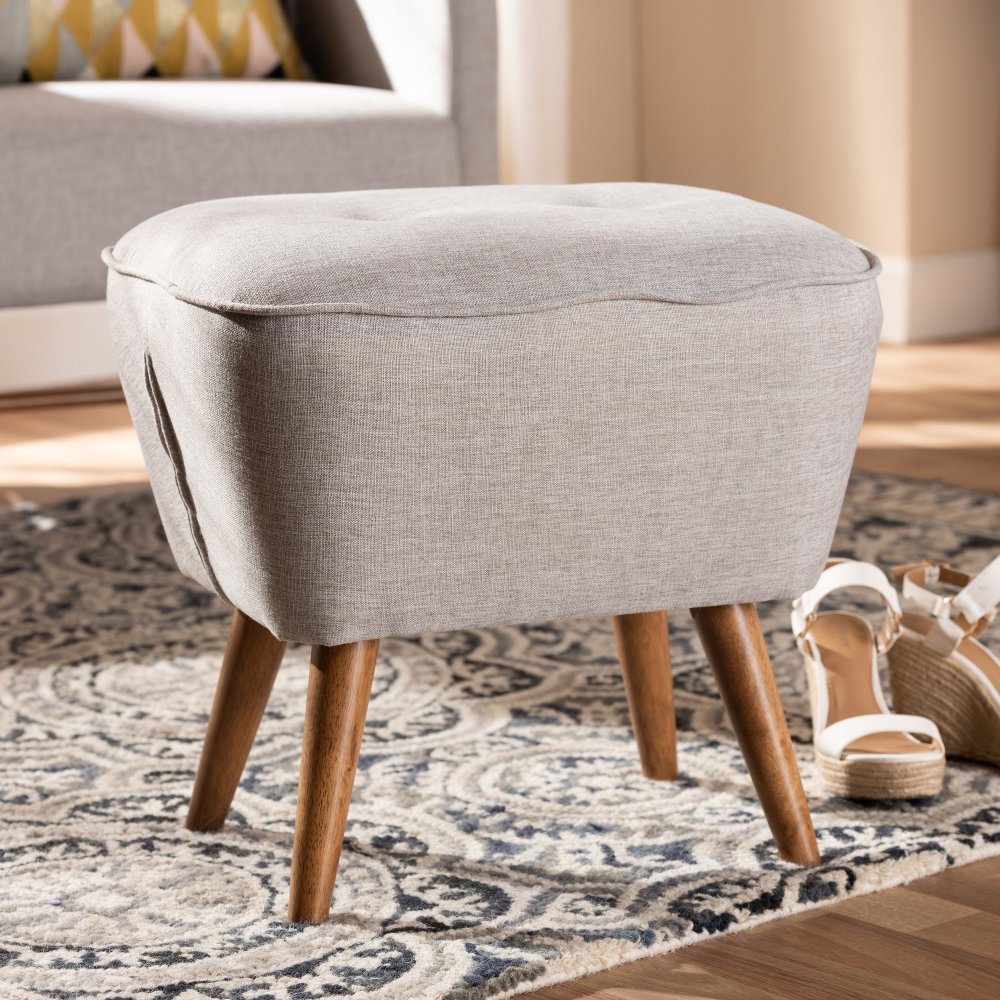
Beige benches are versatile seating pieces that bring a soft, neutral color to entryways, bedrooms, living rooms, and dining spaces. Their appeal goes beyond matching a sofa or rug: a bench can give you a place to tie your shoes, set out tomorrow’s clothes, or seat an extra guest without adding the visual weight of another armchair. Beige ranges from pale oatmeal and sandy cream to deeper shades with warm tan or subtle gray undertones. Those differences matter when you’re coordinating with existing furniture. A warm beige can complement honey-colored wood and earthy accents, while a gray-leaning beige often sits comfortably beside cooler upholstery and dark metal finishes. Look at fabric samples, when possible, in the room where the bench will go, since lighting and nearby colors can change how a neutral shade appears. Texture adds another layer of character. A woven seat brings a relaxed, tactile finish; smooth upholstery feels more tailored; and tufting gives a simple silhouette extra depth. In an entryway, a beige bench beneath a mirror creates a useful landing spot without making a narrow space feel visually crowded. At the foot of a bed, it provides a place to sit while dressing and helps connect the bed to the rest of the room. Along a living room wall, a backless bench can offer occasional seating while keeping sightlines open. Beige dining benches serve a different everyday purpose, bringing shared seating to a table where the seat height and upholstery need to suit regular meals. The best choice starts with that intended use. A bench for briefly slipping on sneakers has different comfort requirements than one used through a long dinner, and a decorative bedroom accent needs less storage than a bench beside the household’s busiest door. Matching the design to your daily routine gives this understated piece a clear job to do.
Materials and construction shape how a beige bench looks, feels, and holds up to use. Upholstered benches commonly combine a wood or metal frame with padding and a fabric cover, but the details can vary considerably. Solid wood legs can add warmth and visible grain, while metal bases may create a slimmer, more open profile. Neither material alone tells the whole durability story; sound joints, secure hardware, stable support, and a stated weight capacity appropriate for the intended users all deserve attention. Check whether a bench is designed to seat one person or more rather than judging by length alone. Cushion firmness also makes a difference. A supportive seat can make sitting down and standing up easier, while softer padding may feel inviting for a brief rest. For upholstery, linen-look weaves offer texture, chenille has a soft surface, and velvet adds a distinctive sheen that changes with the direction of its pile. If that plush finish suits your room, Velvet Benches offer another way to explore texture alongside color. Fiber content and care instructions matter more than the fabric’s appearance when assessing everyday practicality. For a bench that will share space with pets, children, or frequent guests, look for clearly described cleanability and durability features rather than assuming a fabric will resist stains because it feels substantial. Beige can blend with some everyday dust, but spills and dark marks may still show. Smooth upholstery generally has fewer crevices to clean than deep button tufting, and decorative nailheads or stitched channels add details that need occasional attention. Storage construction is worth a closer look, too. A lift-top bench can keep throws or accessories out of sight, while a lower shelf makes shoes and baskets easier to reach. Check interior dimensions before assigning stored items a home, and review lid hardware and safety information if children will use the space. An upholstered storage bench should function comfortably as seating, not simply as a container with a cushion on top.
Fit is just as important as finish, especially when a bench sits in a walkway or beside furniture you use every day. Measure the width, depth, and height of the space, then mark the bench’s footprint on the floor with painter’s tape. Walk past it carrying a laundry basket or shopping bags to get a more realistic sense of clearance than an empty room provides. In an entryway, leave room for the door to swing fully and for someone to pass while another person sits. At the foot of a bed, a bench that’s narrower than the mattress often creates a balanced look, but the available walking space should make the final decision. Allow clearance for dresser drawers and closet doors, too. For a dining bench, compare its seat height with the table and check the space beneath the apron; a bench that looks proportionate may still leave too little legroom. If you want it to tuck away, measure the distance between the table legs rather than only the tabletop length. Arms, backs, and thick cushions can affect both fit and usable seating space. Once the bench is in place, straightforward care helps preserve its appearance. Follow the manufacturer’s cleaning directions, vacuum upholstery with a suitable attachment, and blot spills promptly instead of rubbing them deeper into the fabric. Use only recommended cleaners, testing them in an inconspicuous area first. Wipe exposed wood or metal according to its finish requirements, and check assembly hardware periodically if the care instructions call for it. Appropriate floor protectors can help reduce scratches when the bench moves. Keep indoor benches indoors unless they’re specifically rated for outdoor use. With the right proportions and practical details, a beige bench can serve a first apartment, a shared family entryway, or a quiet bedroom equally well. Its neutral color leaves room for patterned pillows, textured throws, and changing decorative accents, while its usefulness stays rooted in something simple: a comfortable place to pause and a little more function where you need it.
Read More