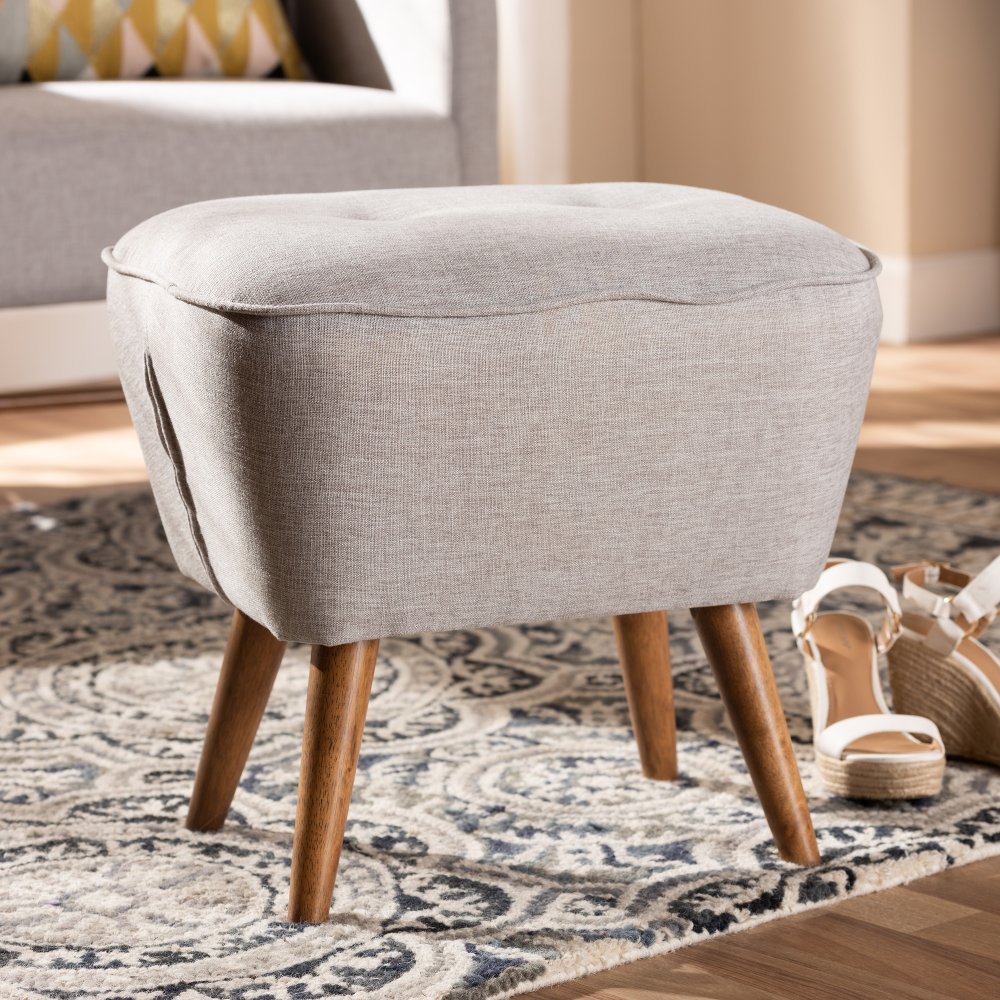
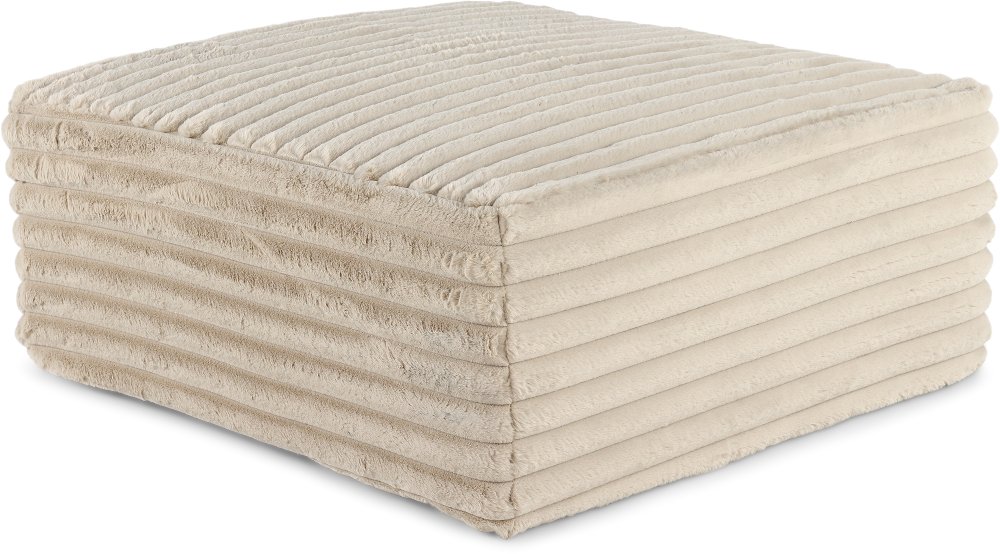
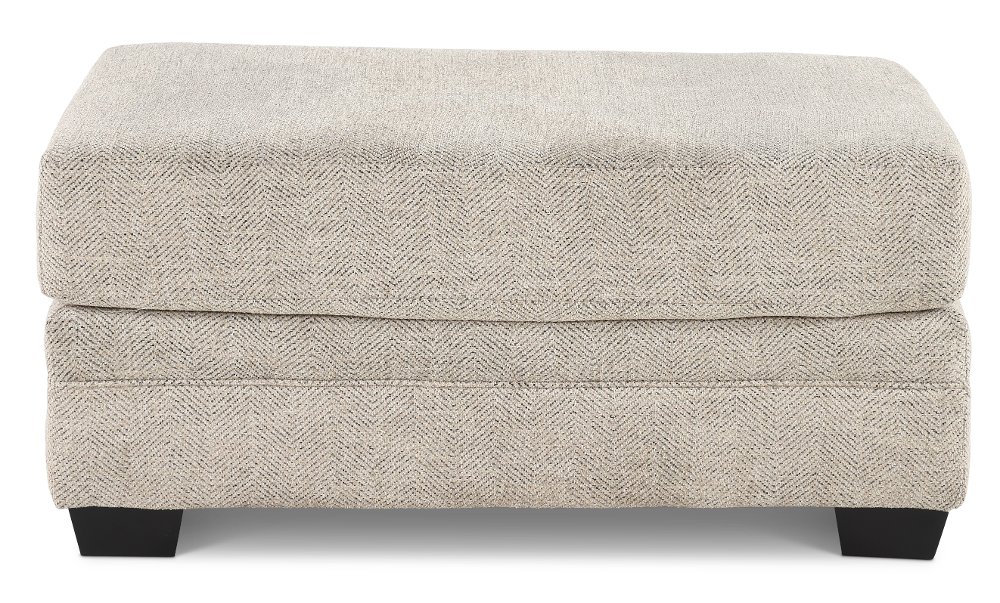
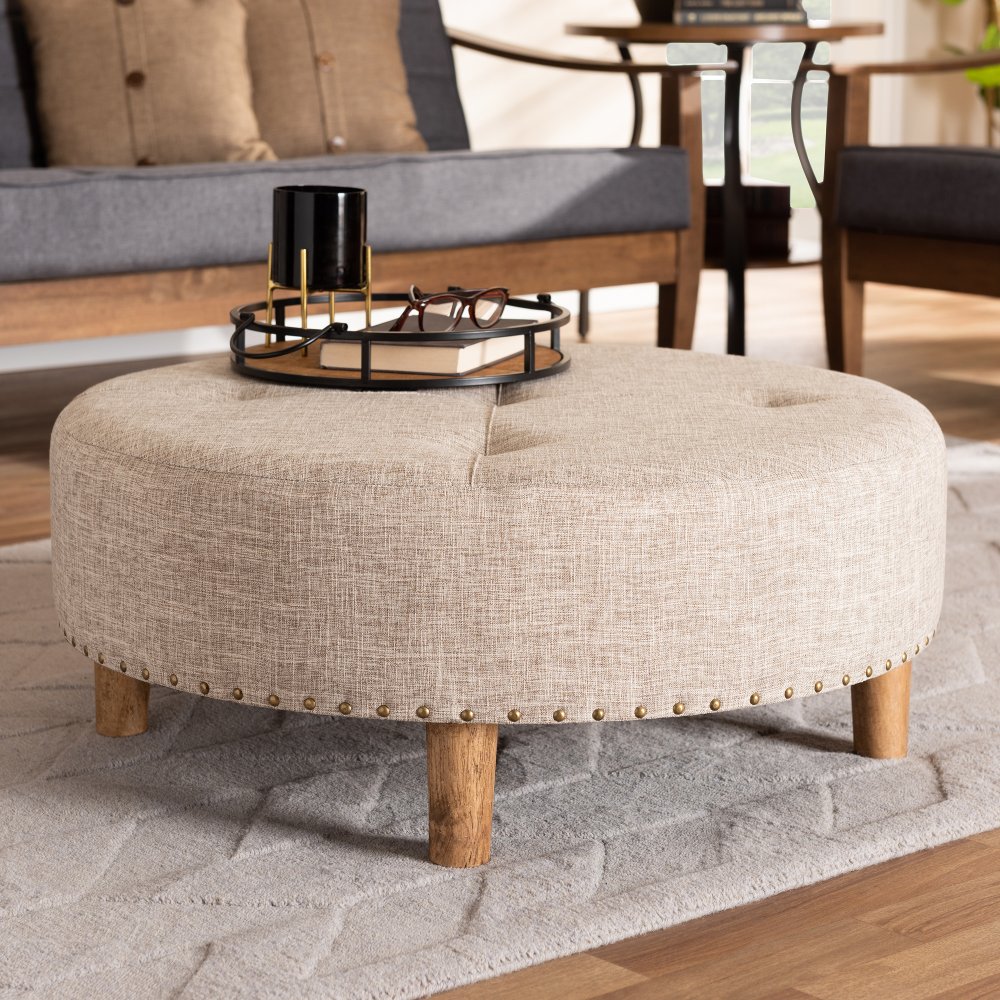
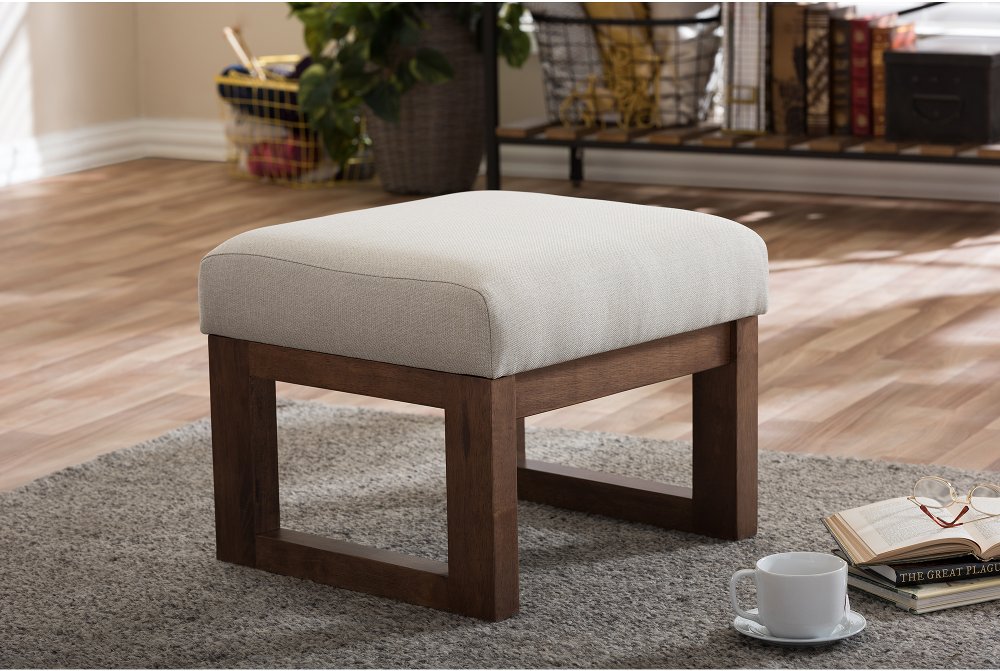
Beige ottomans bring an easy sense of warmth to a room, making them a natural choice for homes that favor comfortable, adaptable furniture. Their soft neutral color works with deep greens, warm browns, charcoal, cream, navy, and nearly every wood tone, so an ottoman can settle into an existing space without making the room feel overplanned. Place one in front of a sofa to give tired feet a comfortable landing spot, use a pair beside a fireplace or reading chair, or keep one near the entryway as a convenient seat for putting on shoes. An ottoman can also serve as a relaxed coffee table when its surface is broad and sturdy enough for a tray, books, a mug, or a small arrangement of flowers. For homes that shift with the seasons, beige makes it simple to refresh the room with textured throws, patterned pillows, or darker accents during the cooler months without replacing the foundational furniture. Look closely at the shape and proportions before bringing one home. A round ottoman can soften a room filled with straight lines, while a square or rectangular design often pairs neatly with a sectional or larger sofa. Measure the available floor space, including the clearance needed to walk around it, and compare the ottoman’s height with the surrounding seating. A piece that sits close to sofa height can feel especially comfortable as a footrest, while a lower profile can create a relaxed, open look. If you’re furnishing a compact apartment, a lightweight ottoman that can move from the living room to the bedroom offers welcome flexibility. In a larger home, a substantial upholstered ottoman can help anchor an open seating arrangement and give everyone a place to put their feet during a movie, game night, or long conversation.
When choosing among beige ottomans, consider how the piece will be used on an ordinary day, not just how it looks in a carefully arranged room. A household with children or pets may appreciate durable upholstery, easy-care fabric, rounded corners, and a color variation or woven texture that helps disguise the small signs of daily life. If the ottoman will sit in a busy family room, a firm, supportive top can make it more useful as an extra seat, while a softer cushion may be ideal for stretching out with a book. Some designs offer hidden storage, creating a helpful place to tuck away blankets, toys, games, or the extra pillows that tend to collect on the sofa. That little bit of concealed space can make a noticeable difference when guests arrive and you want to clear the room quickly. Other ottomans are best appreciated for their decorative presence, with tailored upholstery, turned legs, channel stitching, or a sculptural silhouette that adds dimension without introducing a loud color. Pay attention to the fabric’s feel, the construction of the frame, the stability of the legs, and the quality of the cushioning. A well-made ottoman should feel secure when someone sits down and remain comfortable when used as a footrest over time. Beige can range from pale oatmeal to sandy tan and rich mushroom, and those undertones matter. A cooler beige may complement gray walls and silver-toned finishes, while a warmer beige can blend beautifully with honey-colored wood, brass, and creamy textiles. Viewing the color alongside your flooring, rug, and larger furniture can help you choose a piece that looks intentional in both natural daylight and evening lamplight. For a coordinated entertaining area, you can also explore Beige Barstools to carry the same welcoming neutral tone into a kitchen or dining space.
Beige ottomans make thoughtful additions to many kinds of homes because they combine comfort with everyday usefulness. They can be a practical housewarming gift for someone settling into a new apartment, a considerate choice for a first home, or a simple way to help a family create a more inviting guest room. A grandparent may enjoy one beside a favorite reading chair, where it keeps a blanket close and provides a comfortable place to rest, while a new homeowner may use a storage ottoman to make a small living area feel more organized. They also work well in bedrooms at the foot of the bed, where an upholstered surface can hold folded clothing, provide a seat while getting ready, or give the room a finished appearance. In a nursery or child’s room, choose carefully with attention to stability, cleanability, and the amount of space available; a compact ottoman can give a parent a comfortable place to sit during a quiet nighttime routine. As daylight grows shorter and people naturally spend more time indoors, a well-placed ottoman helps a room feel ready for lingering. Picture a soft throw draped over the side, a tray resting on top, and enough space for guests to settle in without crowding the sofa. Whether you prefer a streamlined contemporary shape, a traditional upholstered form, or a relaxed design with visible texture, the best choice is the one that supports the way you live. Measure first, think through traffic patterns, and choose a color and finish you’ll enjoy seeing every day. With the right proportions and features, a beige ottoman can quietly become one of the hardest-working pieces in your home—comfortable when you need to put your feet up, useful when you need an extra surface, and welcoming whenever friends and family gather.
Read More