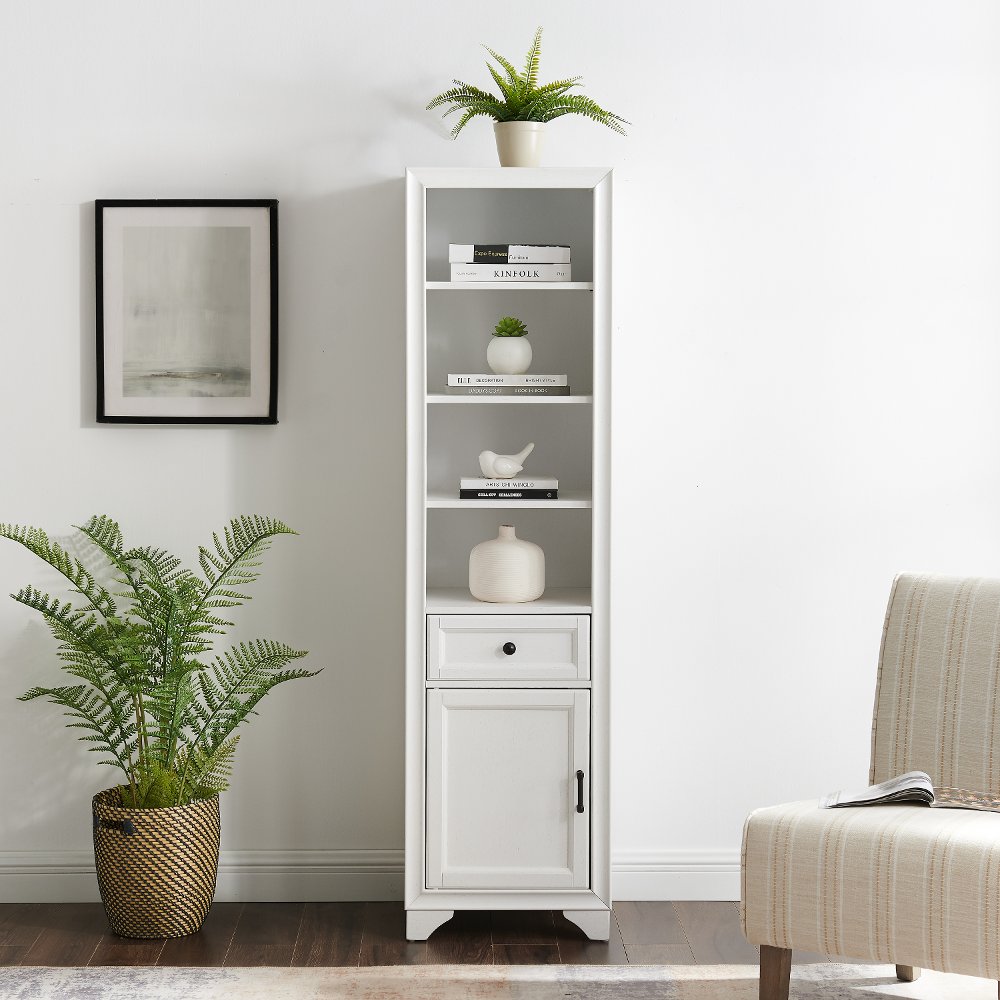
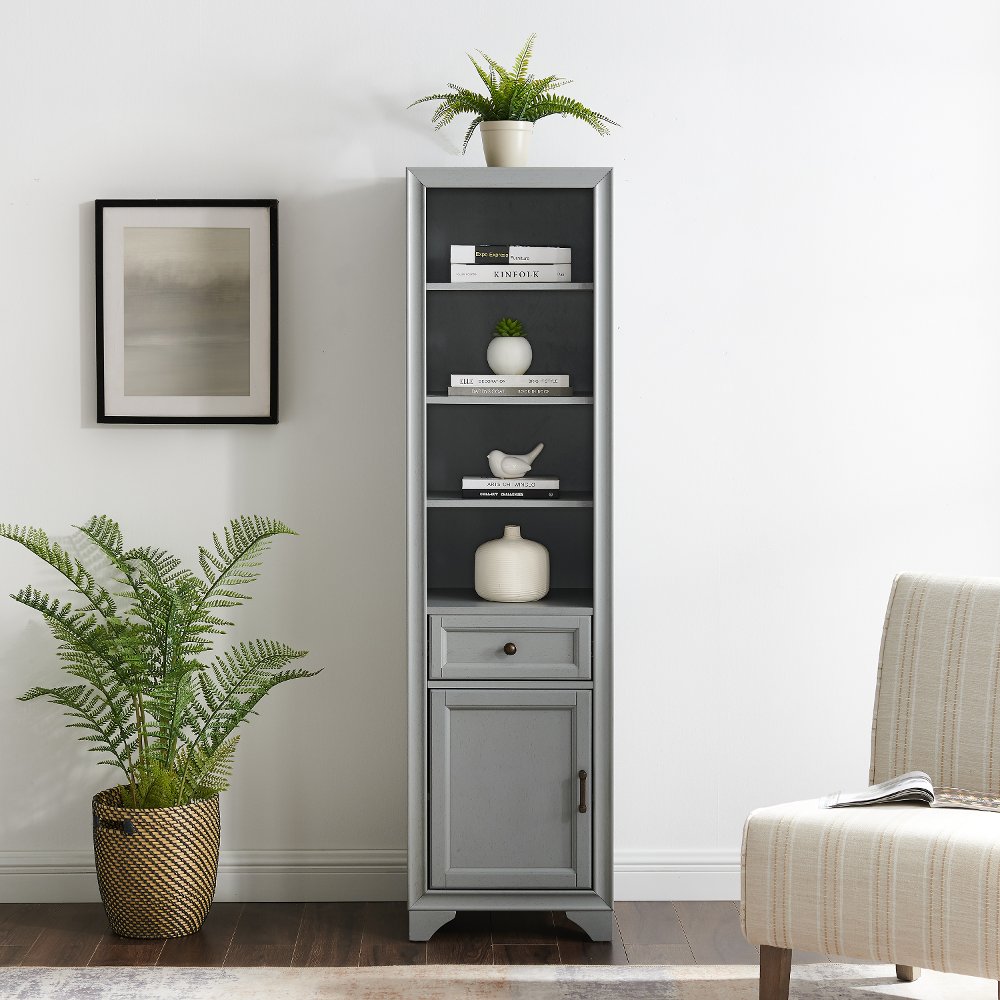
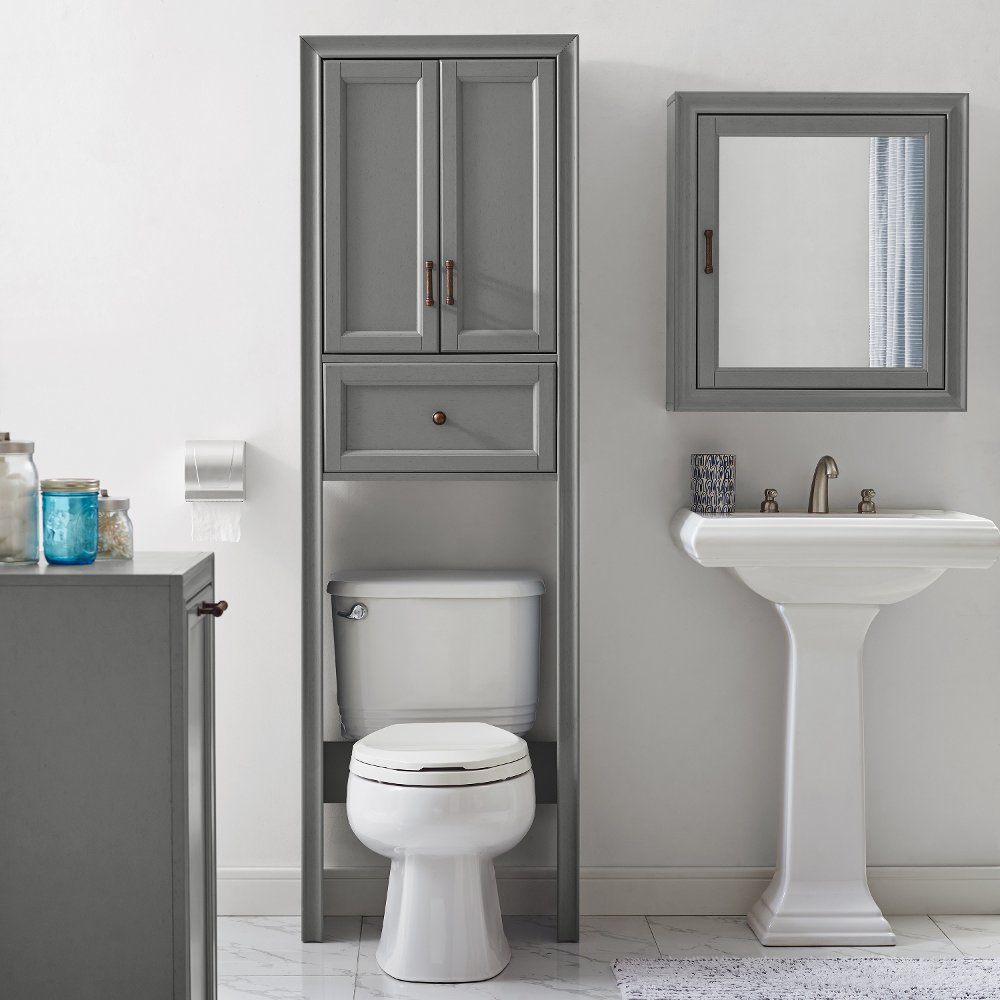
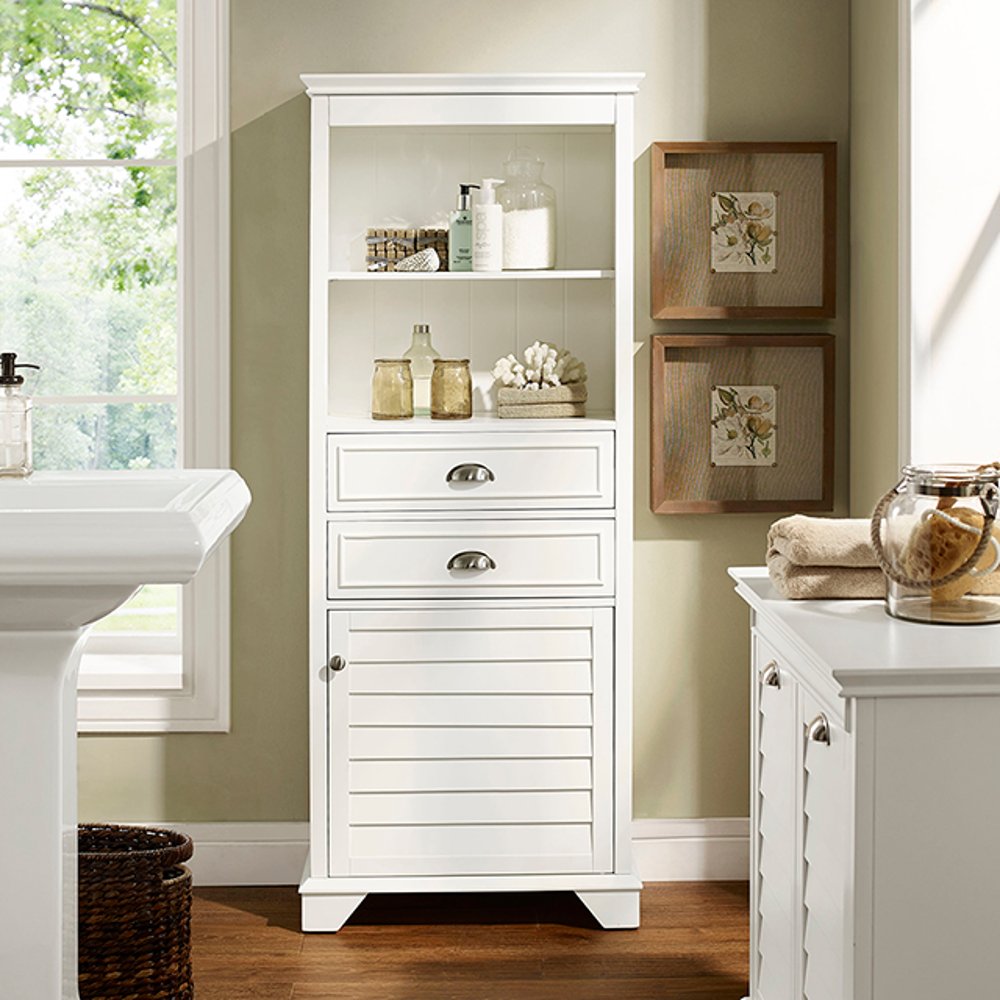
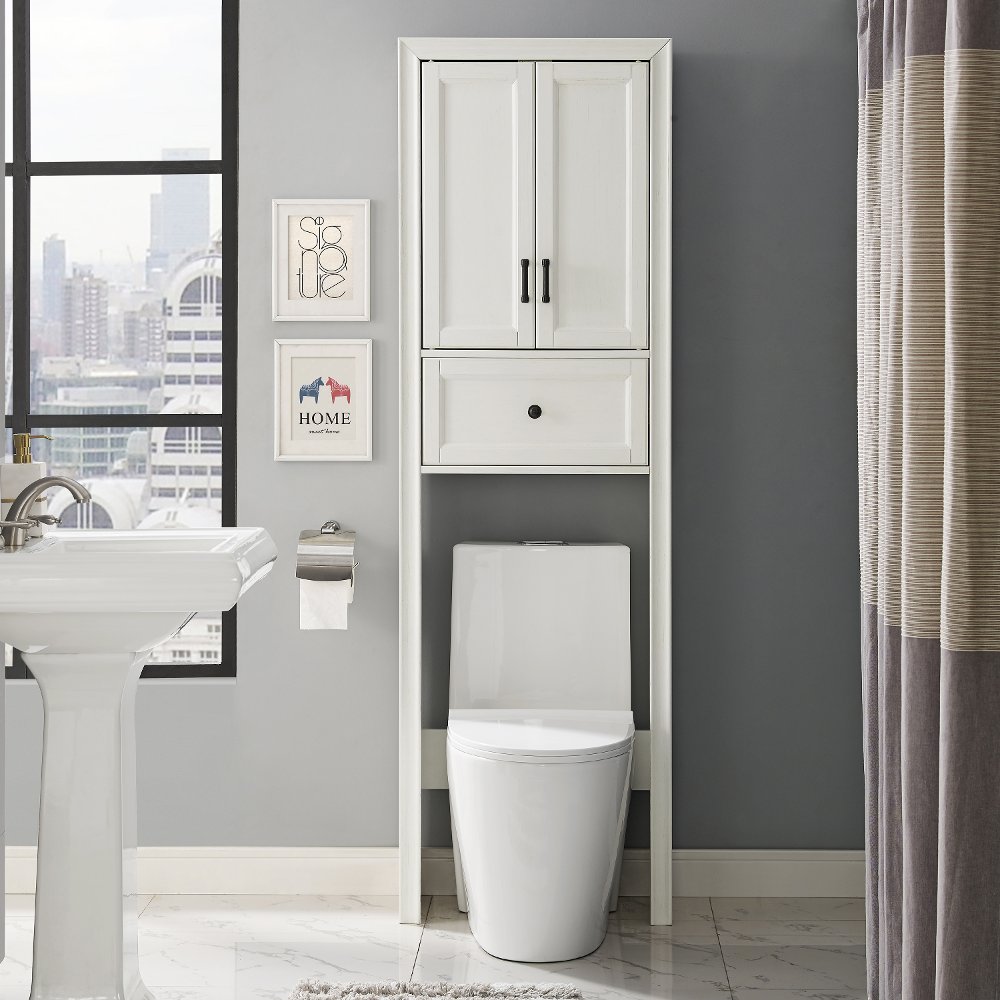
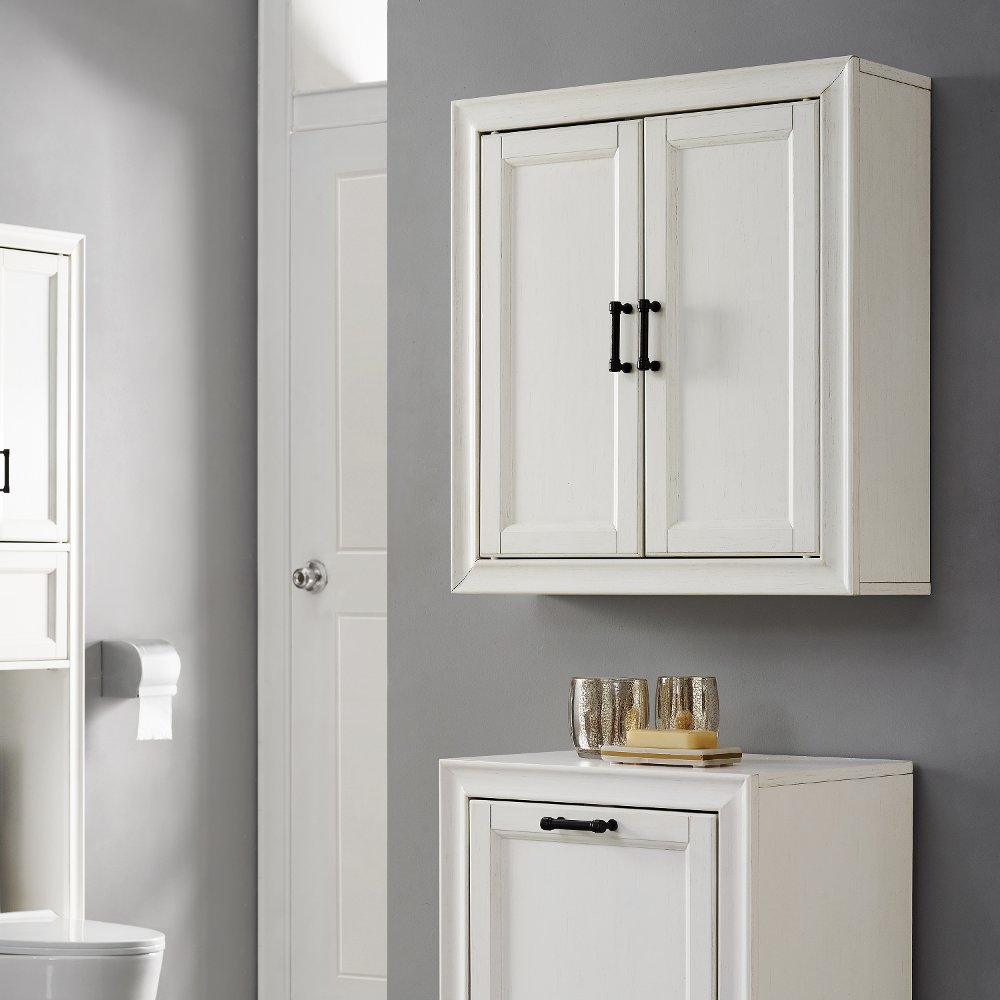
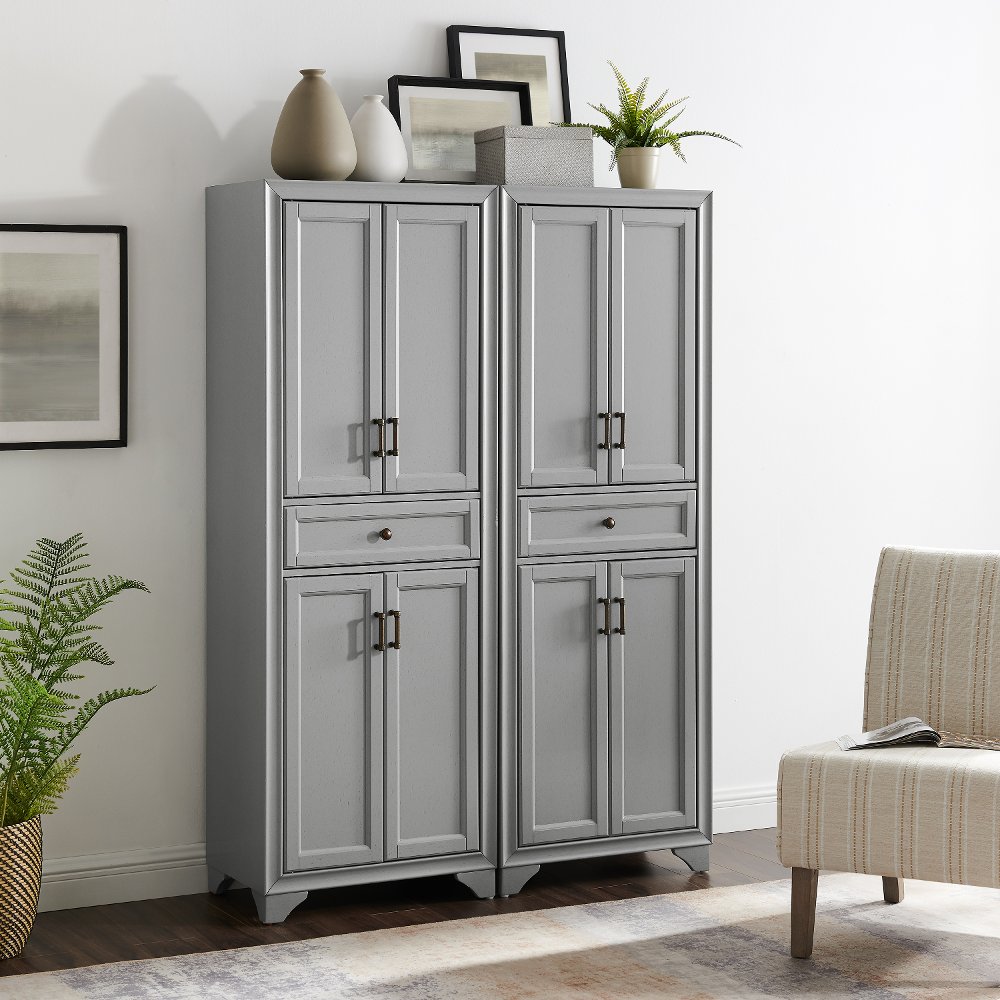
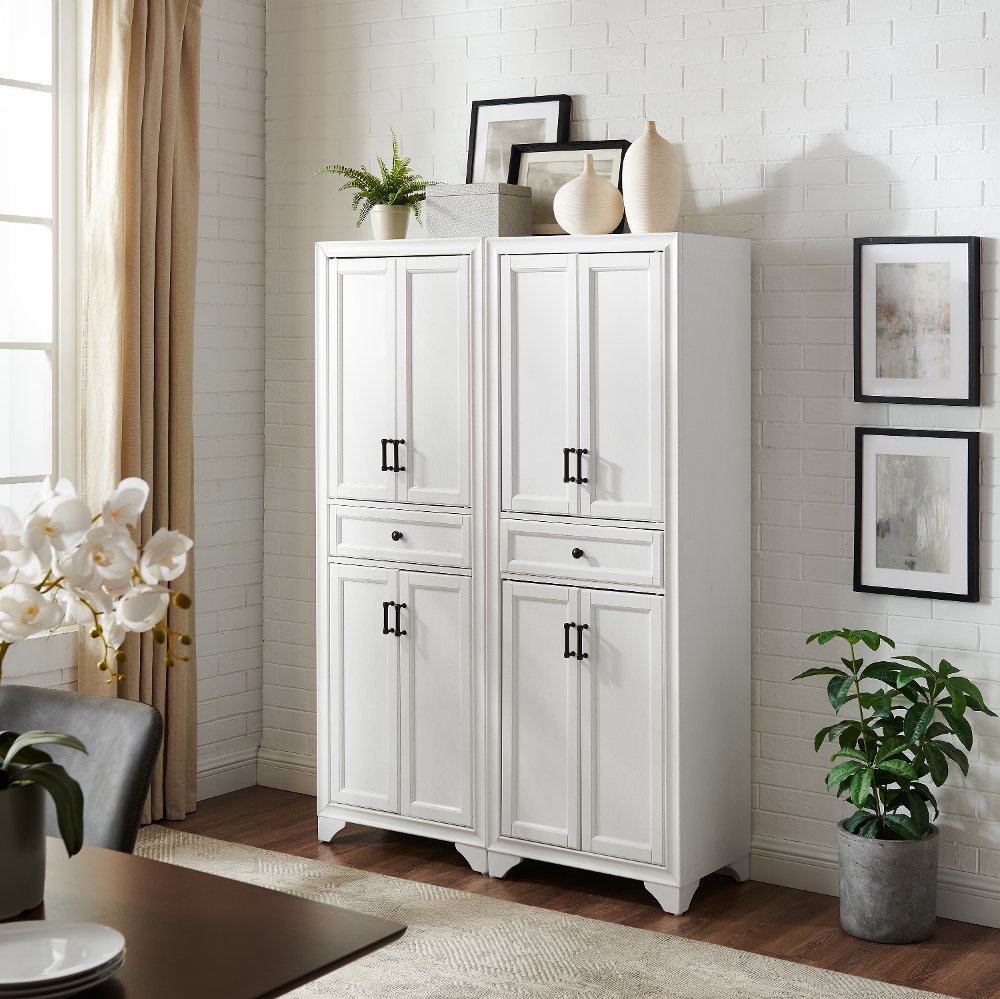
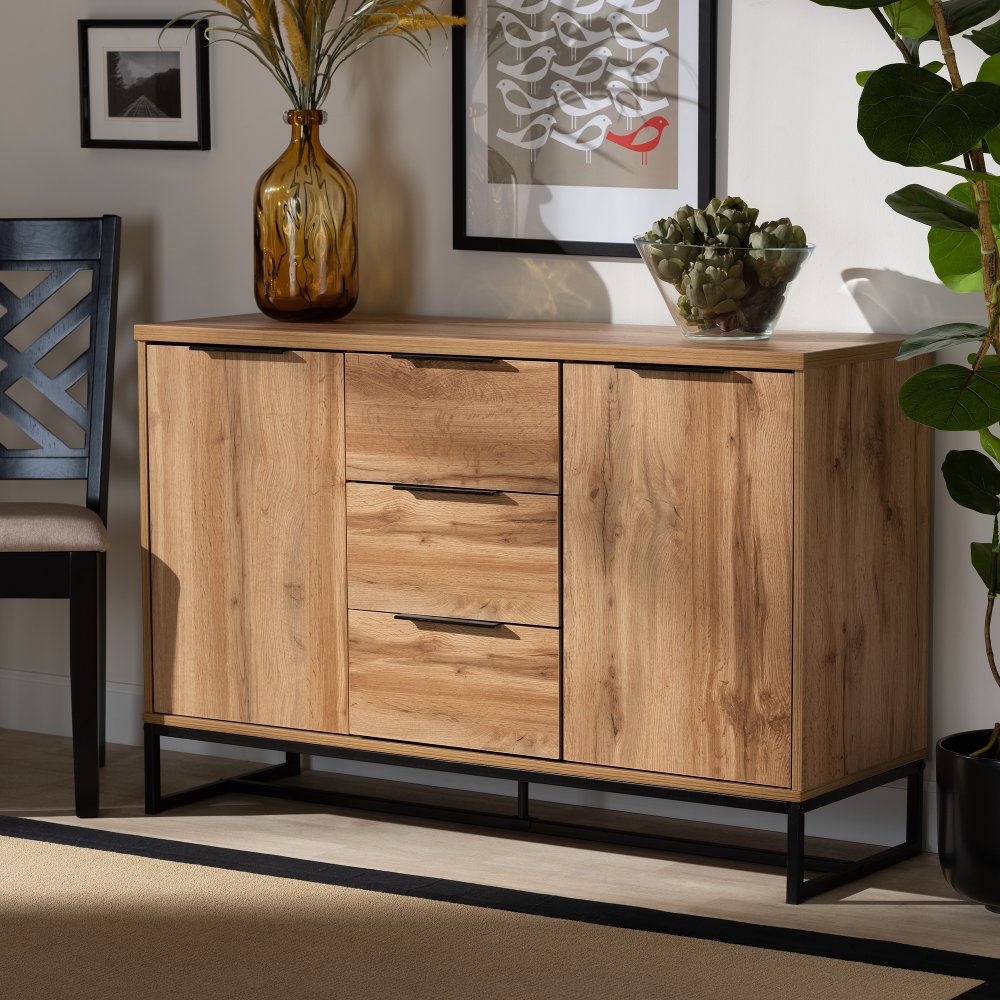
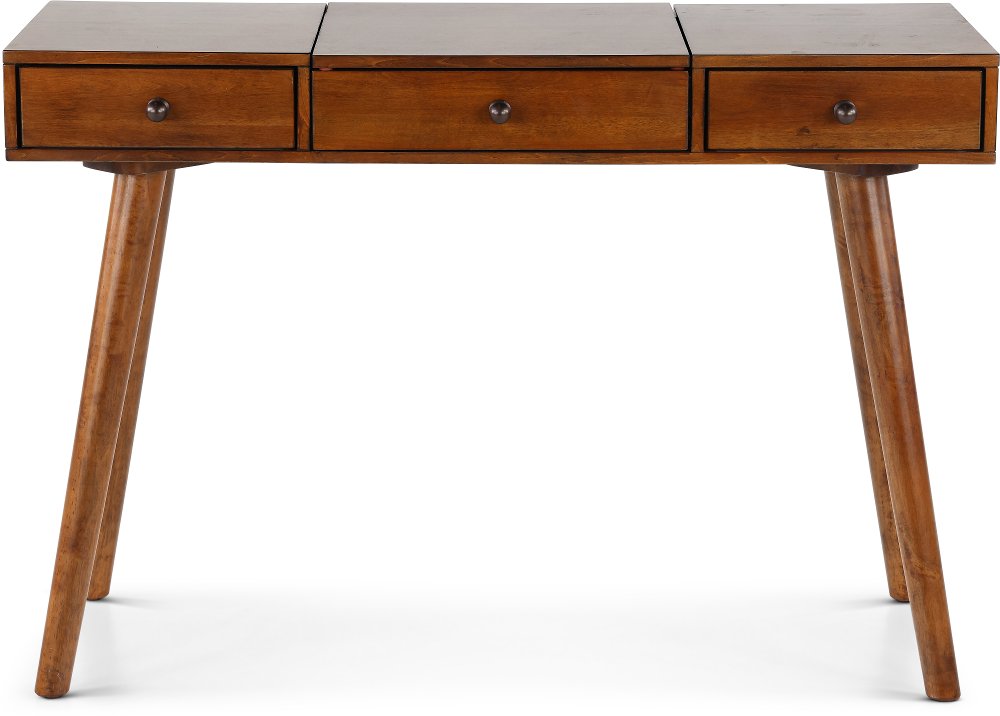
Birch cabinets bring a warm, adaptable look to kitchens, bathrooms, laundry rooms, home offices, and other spaces where dependable storage matters. Birch is a hardwood with a smooth surface, tight grain, and a naturally light color that ranges from creamy white to soft yellow, with occasional areas of deeper heartwood. Some boards show a straight grain, while others have a subtle wave that adds character without overwhelming the room. That balanced appearance makes birch a comfortable choice for homeowners who want cabinetry that feels fresh and welcoming but still has enough visual warmth for everyday living. The pale surface pairs easily with off-white walls, soft warm neutrals, greige, and gentle earthy tones. It also works beautifully with light quartz or solid-surface countertops, while matte black, brushed nickel, and simple brass hardware can each create a different finished look. A family updating a busy kitchen may appreciate the way birch cabinets brighten the room and help it feel more open, while someone organizing a smaller bathroom may find that the lighter wood keeps the space from feeling crowded. Birch also accepts paint and stain well, giving you flexibility as your plans develop. A clear or natural finish highlights the wood’s fine grain, a light stain preserves its airy appearance, and a deeper stain can create a richer, more traditional look. If you’re considering a painted finish, the smooth, even surface provides a clean foundation for a streamlined style.
When comparing birch cabinets, look beyond color and consider how the cabinetry will fit your home, routines, and storage needs. Measure each wall carefully, including doorways, windows, trim, appliances, plumbing connections, and areas where doors or drawers need room to open. Think about the items you reach for most often and where they’ll be easiest to store: everyday cookware near the preparation area, cleaning supplies in a dedicated cabinet, towels close to the bathroom sink, or office materials where they can be put away at the end of the day. Cabinet construction matters, too. Review the available sizes, interior storage, drawer movement, door style, shelf adjustability, and finish details so your new cabinetry supports the way you actually use the room. Birch is durable enough for daily household activity and has strong tensile strength, but it’s softer than maple, so it can show dents or scratches more readily in especially demanding spaces. That doesn’t make it a poor choice; it simply means that thoughtful placement and everyday care can help preserve its appearance. Use coasters, trivets, and protective pads where appropriate, wipe spills promptly, and clean the surface with a soft, slightly damp cloth rather than soaking the wood. Keep abrasive cleaners, rough scrubbers, and excess moisture away from finished surfaces. In a home where children gather around the island, pets pass through the kitchen, or several people share a bathroom, these small habits can make a noticeable difference over time. If you’re also furnishing nearby rooms, explore [Birch Veneer Furniture] for another way to carry a coordinated wood look throughout your home.
Birch cabinets can support many design directions, from simple Scandinavian-inspired rooms to comfortable transitional kitchens and practical contemporary spaces. Their relatively uniform grain creates a calm backdrop for colorful dishes, patterned tile, woven baskets, or open shelving, while the natural wood tone adds dimension to an all-neutral room. Pair them with streamlined pulls for a modern feel, framed details for a more classic impression, or mixed materials for a collected look that grows naturally over time. They’re also a practical option for homeowners who want the appearance and warmth of hardwood while keeping the overall project budget in view. Birch is often more affordable than premium hardwood choices such as cherry, oak, or maple, although the final cost depends on cabinet construction, finish, layout, hardware, installation, and the amount of customization involved. If you plan to stain birch, ask about the recommended preparation process. Because the wood can absorb stain unevenly, a pre-stain conditioner or other appropriate preparation may help create a more consistent result, especially with darker colors. Samples are worth reviewing in the room where the cabinets will live, since natural and artificial light can change how the finish looks from morning to evening. Birch’s relatively fast growth is also one reason it’s often considered a responsible hardwood option, though responsible sourcing and manufacturing practices still matter when comparing choices. These cabinets make sense for homeowners planning a kitchen refresh, landlords preparing a durable rental, first-time buyers creating a more functional home, or families adding storage before the cooler months bring everyone indoors more often. With accurate measurements, a finish that suits your style, and care that matches your household’s pace, birch cabinets can give your space a dependable foundation for cooking, cleaning, gathering, and settling into the routines that make a house feel like home.
Read More