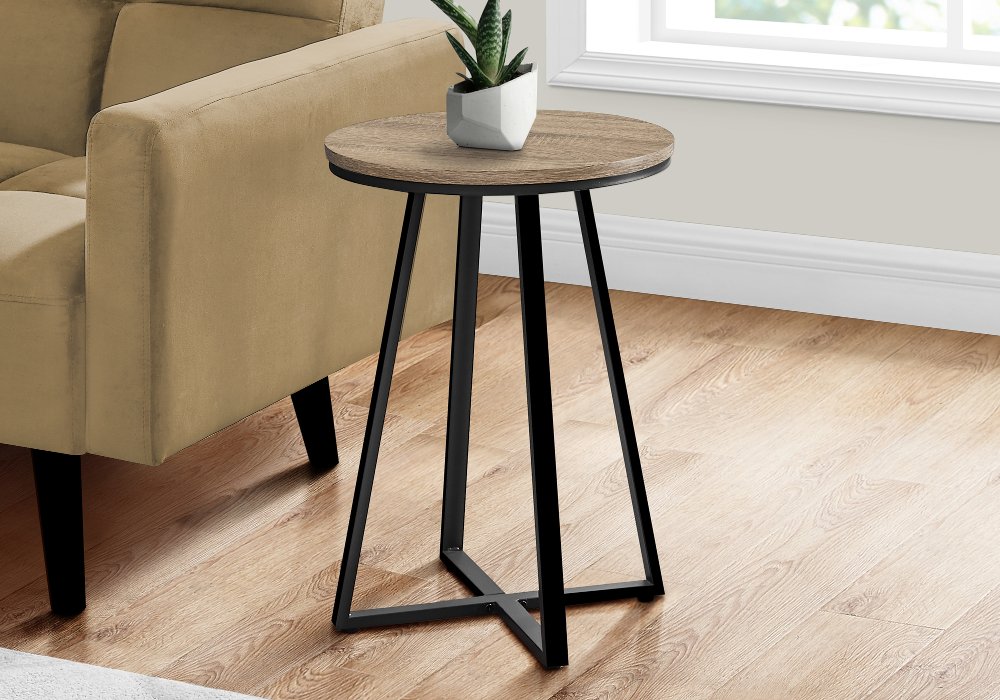
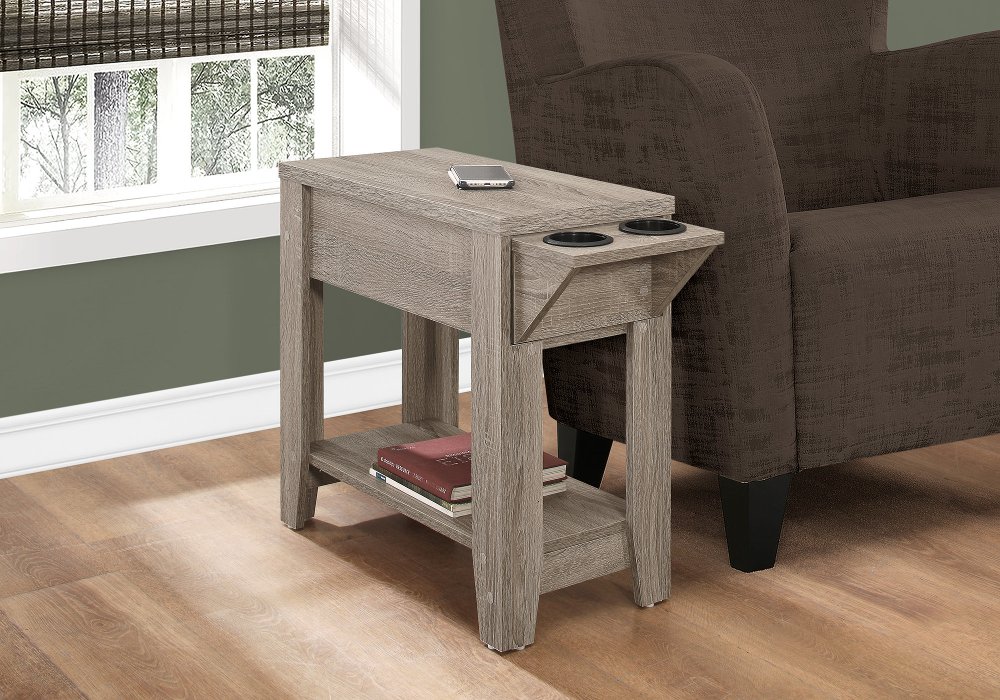
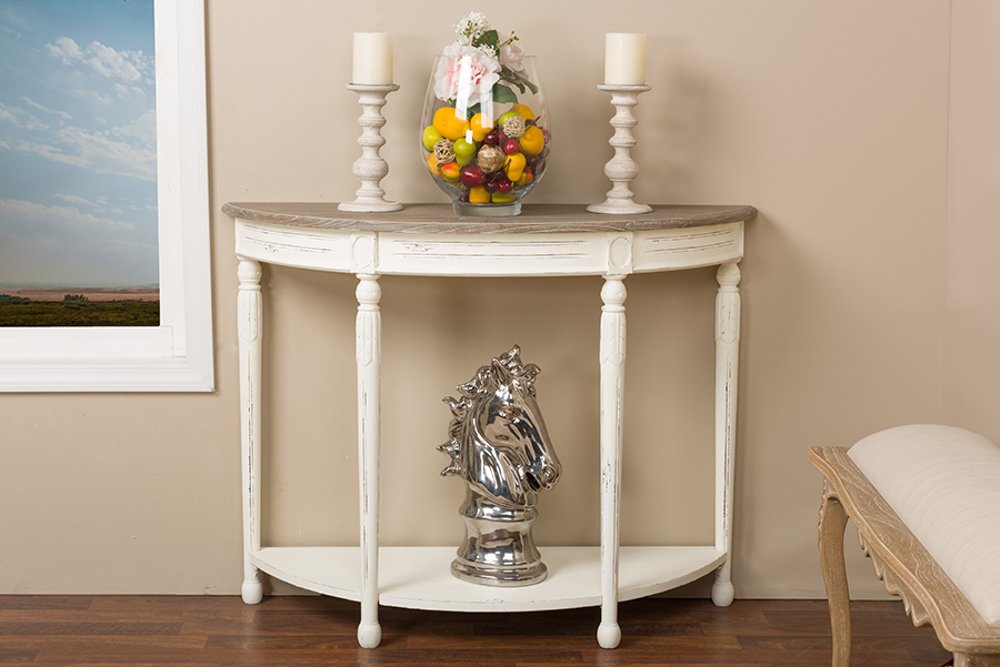
Black consoles are furniture pieces that provide a useful surface, storage, or both in entryways, hallways, living rooms, and dining spaces. The category includes slim console tables for lamps and everyday essentials, as well as media consoles designed to organize entertainment equipment. A black finish gives these pieces a clear outline against light walls and creates a grounded look alongside natural wood, woven rugs, and upholstered seating. The effect depends as much on the shape as the color: slender legs and an open base feel light, while a broad cabinet with solid doors has a more substantial presence. In an entryway, a shallow console can give keys, sunglasses, and outgoing mail a dependable landing spot without taking over the passage. Behind a sofa, it can support a reading lamp or hold a few favorite books while giving the seating arrangement a finished appearance from the adjoining room. For these smaller surfaces, black console tables offer a practical way to define a space without adding another large cabinet. Fit matters most where people pass through regularly. The depth should leave comfortable walking room, including space for doors to swing and drawers to open. Measuring the wall alone can miss a baseboard, nearby outlet, or doorway that affects placement. A console behind a sofa generally looks balanced when its top sits at or slightly below the sofa back, and its length stays within the width of the seating. In a compact apartment, an open lower shelf can keep the room feeling spacious; in a busy household, enclosed storage can make the same footprint work harder. A mirror above an entry console reflects light and provides a useful last look before heading out. Leaving a little breathing room between the tabletop and the mirror helps each piece feel distinct, especially when a lamp or taller vase shares the surface. Rounded corners may also make a narrow route feel easier to navigate, particularly beside an entry door or at the end of a hallway.
Materials influence how a black console looks, feels, and handles daily use. Solid wood can bring visible grain, shaped edges, and a substantial feel, even beneath a dark stain. A black stain often lets some natural variation show through, while an opaque painted finish creates a more uniform surface. Wood veneer offers a real wood surface over a supporting core, making the quality of the construction and finish important considerations alongside the material name. Engineered wood can provide a smooth base for painted or laminated finishes; well-fitted panels, secure hardware, and appropriate weight ratings matter more than assumptions based on appearance alone. Metal frames suit clean-lined interiors and can leave more open space beneath the top. Glass surfaces keep sightlines clear, although fingerprints and dust may be more noticeable, especially in bright light. Tempered glass is designed for greater safety than ordinary glass, but its edges still need protection from hard impacts. Mixed-material consoles can soften the contrast of black furniture: a wood top adds warmth, a stone-look surface introduces pattern, and brass-toned pulls provide a small highlight without changing the overall palette. Matte black tends to look understated, satin has a gentle sheen, and glossy finishes reflect more of the room. None is maintenance-free, so the best match also depends on how the surface will be used. A soft cloth handles routine dusting, while spills deserve prompt attention before moisture reaches seams or joints. Cleaner should suit the specific finish rather than simply the color, and abrasive pads can leave permanent marks. Coasters beneath drinks and protective pads beneath planters help preserve the top. Plants need watertight saucers, especially on wood and veneer. In a well-used entryway, a tray beneath keys keeps small essentials together and reduces repeated contact with the finish. Secure drawer pulls, smooth drawer movement, and a stable base are useful signs of thoughtful construction, particularly when the console will serve as an everyday drop zone.
Storage and intended use help distinguish a decorative console from a hardworking media cabinet. Shallow drawers are useful for charging cables, spare keys, and other small belongings that otherwise spread across a tabletop. Deeper cabinets can hold games, serving pieces, or folded throws, depending on their interior dimensions and shelf ratings. Adjustable shelves make it easier to accommodate belongings of different heights, while baskets on an open shelf can group smaller objects without hiding the whole structure. In a living room, a black media console can visually connect with a television screen and keep the surrounding furniture arrangement cohesive. Its suitability depends on more than having enough room across the top. A television needs a console designed and rated to support it, with sufficient width and depth for the entire stand or both feet. Manufacturer weight limits apply to shelves as well as the top, and a slim decorative table should not be treated as a substitute for a properly rated TV stand. Equipment storage also needs airflow, accessible connections, and enough clearance for cords behind the cabinet. A cable opening helps route wires, but it does not replace the ventilation required by receivers, game systems, and other electronics. Shelves with doors can keep the room looking tidy, although solid doors may interfere with some remotes and can restrict airflow when closed. For wall-mounted televisions, the console can hold equipment below while leaving the mounting height based on comfortable seated viewing. Furniture and televisions should be secured according to their manufacturers’ instructions, especially in homes with children or pets. Away from the screen, a black console can serve a dining area as extra storage or turn an unused wall into a useful display space. A lamp, a framed photograph, and a bowl for everyday essentials often provide enough detail without crowding the surface. The most useful arrangement leaves room for actual life: a bag set down after work, a book waiting beside the sofa, or the small belongings that need a place to land.
Read More