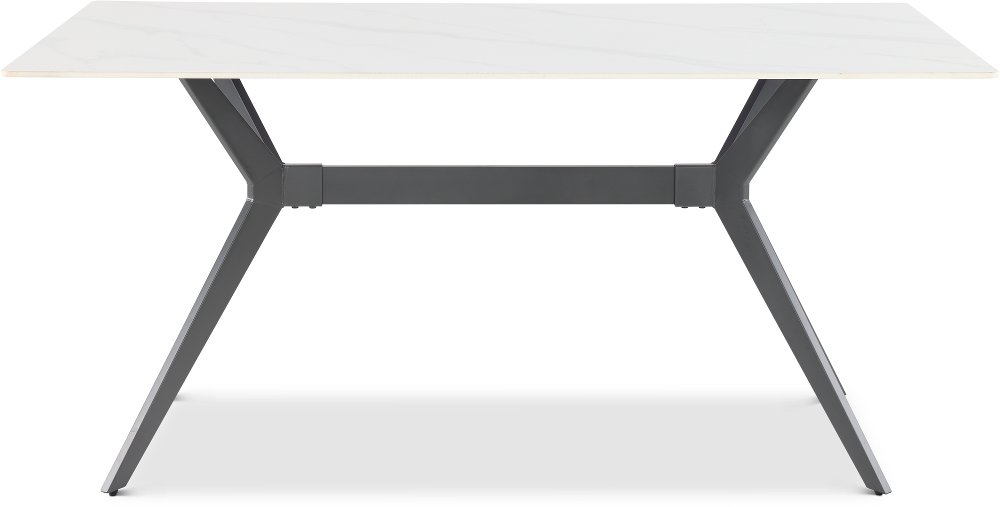
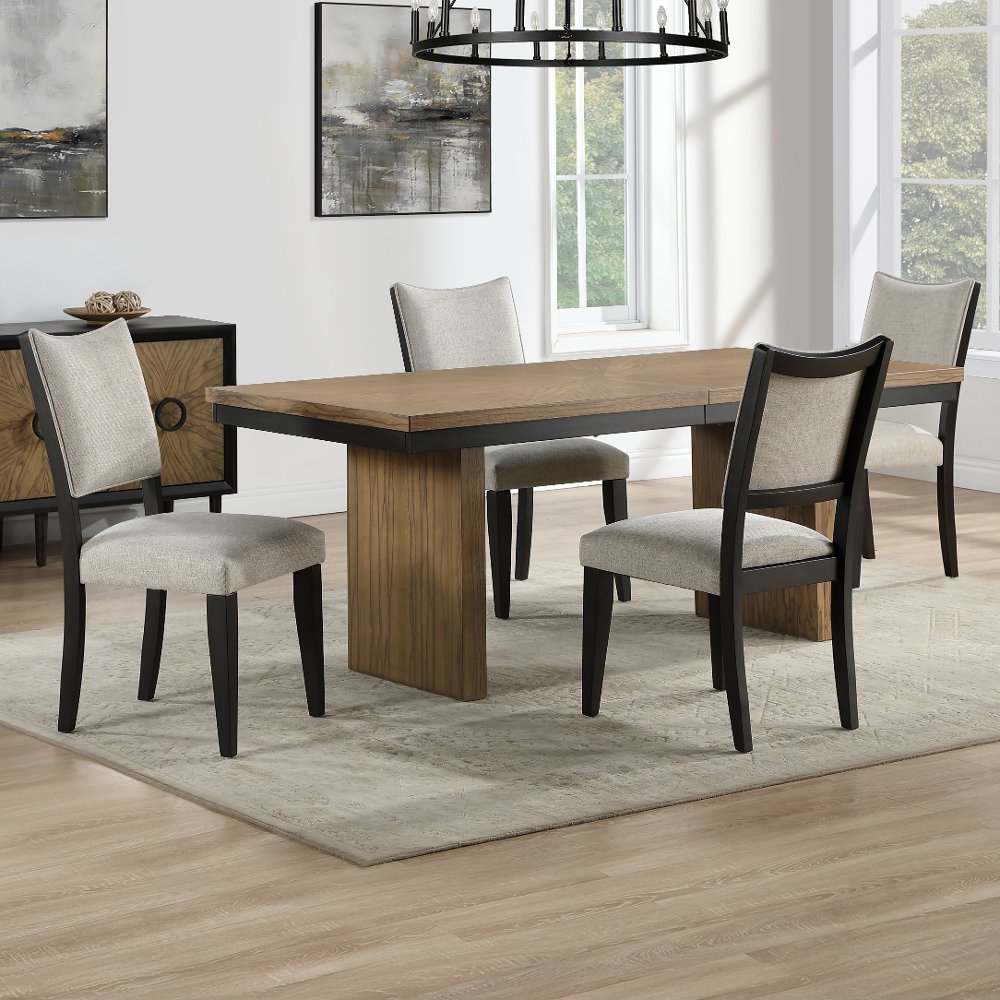
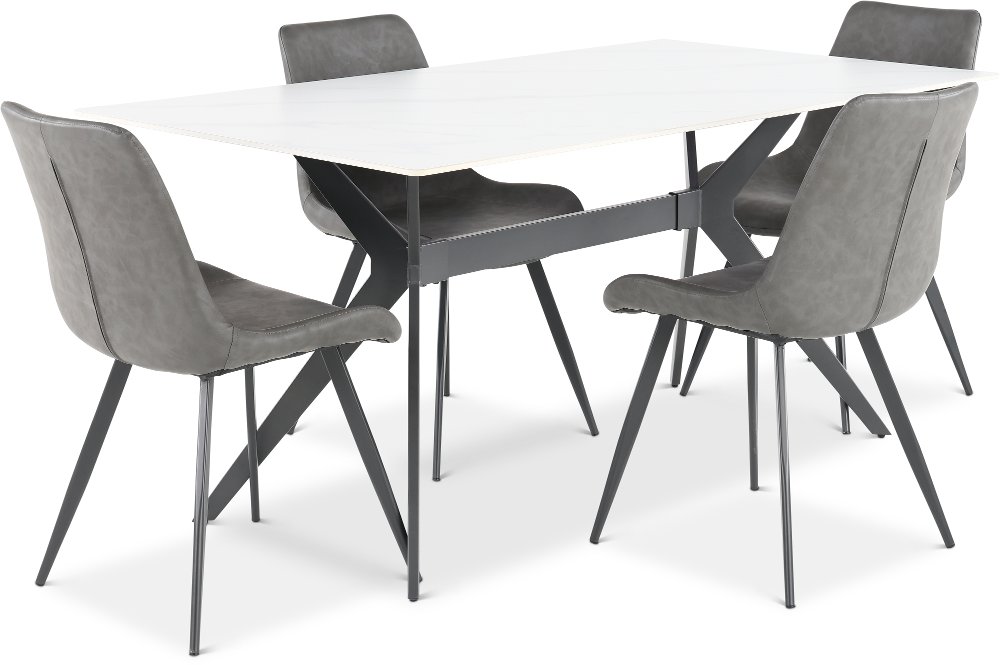
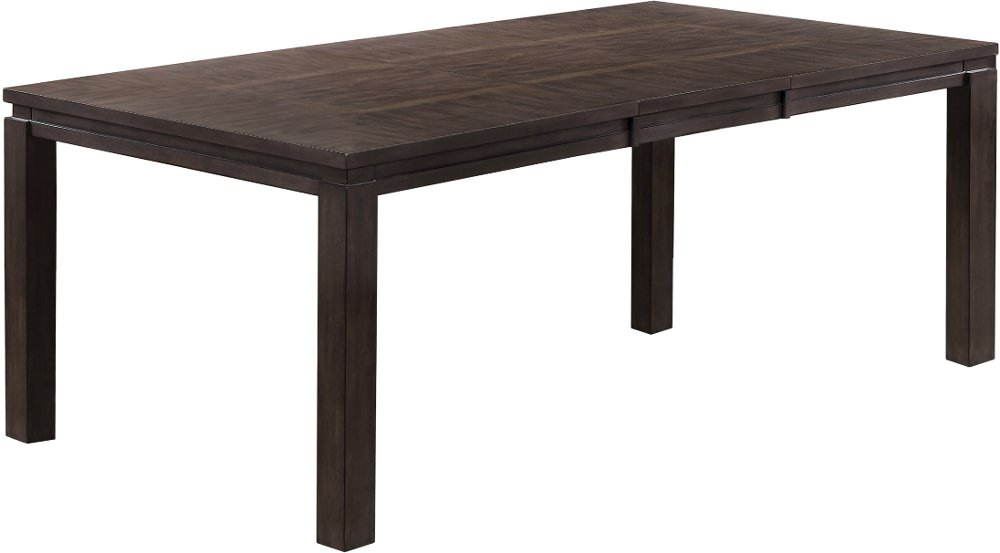
A black rectangular dining table gives your dining space a strong focal point without asking the rest of the room to follow a single style. The dark finish can feel crisp against pale walls, warm beside natural wood, or quietly sophisticated with upholstered chairs and a textured rug. Its straight lines bring a sense of order to an open floor plan, while the elongated shape makes good use of a dedicated dining room or a longer eat-in kitchen. There’s something welcoming about a table with room for serving bowls down the center and familiar faces along each side. On an ordinary evening, that might mean pasta, homework pushed to one end, and a conversation that lasts longer than dinner. During the cooler months, it might mean setting out a hearty meal and pulling up another chair for someone who stopped by. Black rectangular dining tables suit those everyday moments just as well as more dressed-up gatherings. The details determine the mood: a slim top and narrow legs tend to look lighter and more contemporary, while a substantial top with turned or tapered legs can lean traditional. A visible wood grain adds texture and softens the impression of an all-black piece; a smooth, uniform finish creates a cleaner, more graphic look. If your home already has black accents in the lighting, cabinet hardware, or window frames, a black table can connect those elements without requiring a matching dining set. It also gives you plenty of freedom with seating. Light wood chairs introduce contrast, woven seats add an easygoing touch, and fabric upholstery makes the dining area feel comfortable enough to settle into. For a first apartment, a busy family kitchen, or a dining room that finally gets used beyond special occasions, the appeal is much the same: a useful shape, a versatile color, and a place to make yourself at home. Choose proportions and details that fit your routines, and the table can become one of the hardest-working pieces in your space.
Before choosing a size, picture the room with people in it—not just the table sitting neatly in the center. Measure the available floor space, then account for chairs pulling out, a nearby cabinet opening, and someone walking behind a seated guest. About 36 inches between the table edge and a wall or other furniture is a useful starting point; closer to 42 to 48 inches can feel more comfortable along a frequently used walkway. A rug should generally extend at least 24 inches beyond the tabletop on every side so chair legs stay on it as people sit down and get up. For seating, allow roughly 24 inches of table edge per person, with more space for wide chairs or generous place settings. Those measurements help, but the base matters, too. Corner legs can restrict where chairs fit, and a trestle base may affect footroom or seating at the ends. Check the distance between the legs rather than relying on overall table length alone. If you’re keeping your existing chairs, compare their seat height and arm height with the tabletop and apron, the support running beneath the top. You’ll want comfortable knee space and enough clearance to tuck chairs in. Table width deserves equal attention: a narrower surface can work well in a compact room, while a wider one leaves more space for platters without crowding plates and glasses. An extension table may be a practical choice if you usually seat a small household but occasionally host a larger group. Look at both its everyday and extended dimensions, how the extension operates, and whether a removable leaf needs separate storage. For a household that uses the dining table for puzzles, crafts, or working from home, a little extra surface area can be worthwhile. Just keep the daily traffic pattern in mind. A table that feels comfortable on a regular morning will serve you better than one sized only for your largest gathering.
Materials and finishes make a real difference in how a black dining table looks and lives over time. Solid wood brings natural variation and may develop small signs of use that become part of its character, although repair and refinishing options depend on its construction and finish. Wood veneer offers a real wood surface over a supporting core and can provide a consistent appearance; care is still important, especially around edges and seams. Laminate and other manufactured surfaces vary in durability, so review the product’s care information rather than assuming every dark tabletop handles spills, heat, or scratches the same way. A glass top creates a different effect, reflecting light and showing more of the base underneath, though fingerprints and smudges may call for frequent attention. With any material, the sheen influences what you’ll notice. A glossy black surface can look polished and dramatic, while a matte or low-sheen finish feels more understated. Neither automatically hides everyday marks, and overhead lighting can make dust, crumbs, or fingerprints more visible. If easy upkeep matters in your household, consider the surface texture, edge details, and cleaning recommendations alongside the look. Wipe up spills promptly, use trivets beneath hot serving dishes, and choose placemats and cleaners that are compatible with the finish. Once the practical details are settled, styling can stay simple. A linen runner, a low ceramic bowl, or a small arrangement of branches gives the dark tabletop dimension while leaving room for dinner. Warm lighting and a soft rug can keep a high-contrast dining area from feeling stark. If you’re still deciding between a dark centerpiece and a lighter look, Rectangular White Dining Tables offer another way to keep the same useful shape while changing the room’s overall feel. With black, the strongest choice is the one that balances your preferred style with comfortable seating, manageable care, and room to move. That’s what makes a dining table feel less like something reserved for company and more like a natural part of your day.
Read More