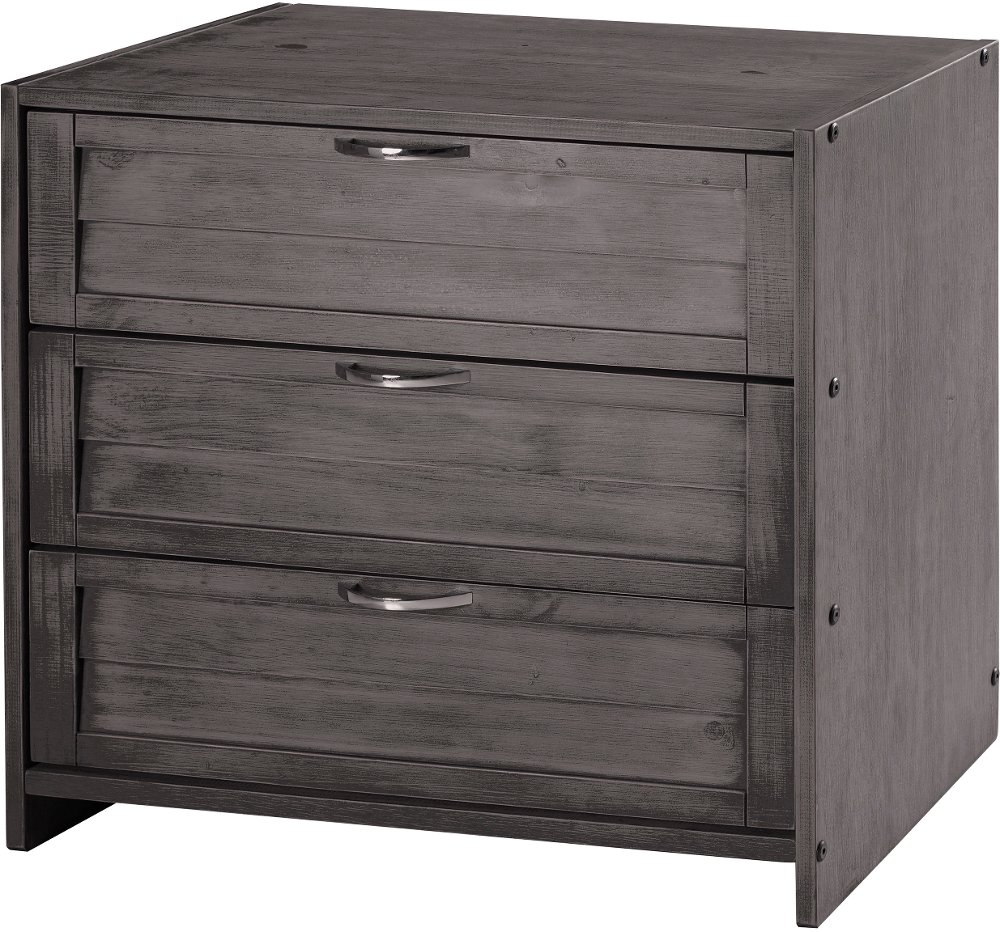
Blue chests are storage furniture with a blue finish, often designed with drawers, cabinet doors, or a lift-top compartment to keep everyday belongings organized. A blue chest of drawers can hold folded clothing in a bedroom, while a smaller accent chest can give linens, games, or entryway essentials a home behind a colorful front. The appeal goes beyond extra storage: blue brings personality to a room without requiring every piece of furniture to match. Navy can feel substantial beside a light upholstered bed, pale blue can soften a space with warm wood floors, and a muted slate shade can sit comfortably among gray, cream, and natural oak finishes. Color undertones make a difference, too. A blue with a green undertone has a different character from a crisp, violet-leaning blue, especially alongside wall paint and nearby fabrics. Room lighting also changes how a finish appears, so finish samples, when provided, can help clarify the color before a larger furniture decision. Hardware adds another layer of character. Warm brass-toned pulls offer contrast against deeper blues, brushed silver tones create a cooler combination, and dark knobs can give a painted chest a quieter, more grounded look. Clean drawer fronts and a simple base tend to complement contemporary rooms, while framed drawers, turned feet, or gently distressed finishes fit more traditional or relaxed interiors. A single blue chest can serve as the color accent in an otherwise neutral bedroom, or repeat a shade already present in a rug, artwork, or bedding. That flexibility makes these pieces useful for someone furnishing a first apartment, refreshing a guest room, or adding personal style to a shared home. A chest doesn’t need to match a bed or nightstand exactly to feel at home; similar proportions, compatible wood tones, or a repeated hardware finish can give the room a cohesive look.
The right blue chest fits both the space around it and the belongings inside it. Tall bedroom chests typically use less floor space than wide dressers, making them a practical option beside a closet or along a short stretch of wall. Their upper drawers may be less comfortable for someone who prefers easy, lower-level access, though, and height alone doesn’t tell the full storage story. Overall width, depth, drawer interiors, and the clearance needed to open each drawer all matter. A chest that fits neatly against a wall can still interfere with a bedroom door or leave too little room to walk past when a drawer is open. Measuring the intended spot, nearby furniture, and the delivery path helps prevent those awkward surprises. Inside the chest, shallow drawers work well for socks, accessories, and smaller folded pieces, while deeper drawers can accommodate sweaters, denim, or extra bedding within the stated weight limits. Drawer dividers can keep little essentials from disappearing beneath larger items. Cabinet-style accent chests offer a different kind of flexibility, with room for baskets or bulkier belongings when their shelf layout allows. For households comparing drawer storage with open compartments or lift-top designs, the broader range of Storage Chests offers useful alternatives for different rooms and routines. In a guest bedroom, a blue chest can leave visitors space to unpack rather than live out of a suitcase. In a dining area, a suitably sized accent chest can hold table linens and serving accessories, provided its compartments and weight capacity suit those contents. An entryway chest can gather reusable bags and everyday extras without leaving them in view. The top surface can hold a small tray or lamp within the furniture’s load limits, but keeping it lightly arranged preserves usable space. Any chest should be used only as intended; a storage top isn’t a seat unless the furniture is specifically designed and rated for sitting.
Materials and construction influence how a blue chest looks, feels, and holds up to everyday use. Solid wood can offer sturdy construction and distinctive grain, although natural wood responds to changes in indoor humidity. Engineered wood includes several materials with different properties, so it’s worth looking beyond that broad label to the actual construction details. Veneer provides a thin layer of real wood over a supporting core, while painted and laminated surfaces create different appearances and care needs. A painted finish may show a smooth field of blue or allow some grain texture to remain visible; a distressed treatment adds intentional variation rather than a perfectly uniform surface. Durability depends on the whole piece, including its joints, drawer bottoms, back panel, hardware, and finish—not simply whether it contains solid wood. Drawers that travel smoothly and sit evenly make daily routines easier, particularly when a chest holds frequently worn clothing. Some designs include soft-close mechanisms or drawer stops, but those features should be confirmed in the furniture specifications rather than assumed. Stated drawer and top weight limits are also important, especially for dense belongings such as books or stacks of denim. For routine care, a soft cloth and the manufacturer’s recommended cleaning method are the safest starting points. Wiping up spills promptly, using protective pads beneath decorative objects, and avoiding abrasive cleaners can help preserve the blue finish. Prolonged direct sunlight may affect color, and dragging objects across the top can leave scratches. Safety deserves equal attention in bedrooms, playrooms, and other family spaces. Anchor chests according to the manufacturer’s instructions using hardware appropriate for the wall, keep heavier belongings in lower drawers, and discourage climbing on furniture. A lift-top chest intended for a child’s space needs particular attention to its intended use, lid supports, and entrapment safeguards. With thoughtful sizing, suitable construction, and straightforward care, a blue chest can bring dependable storage and a welcome touch of color to the routines that make a home feel comfortable.
Read More