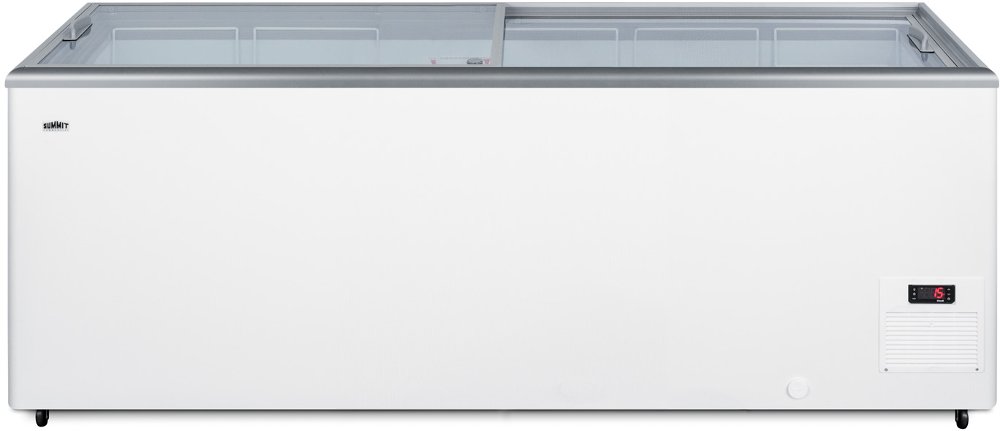
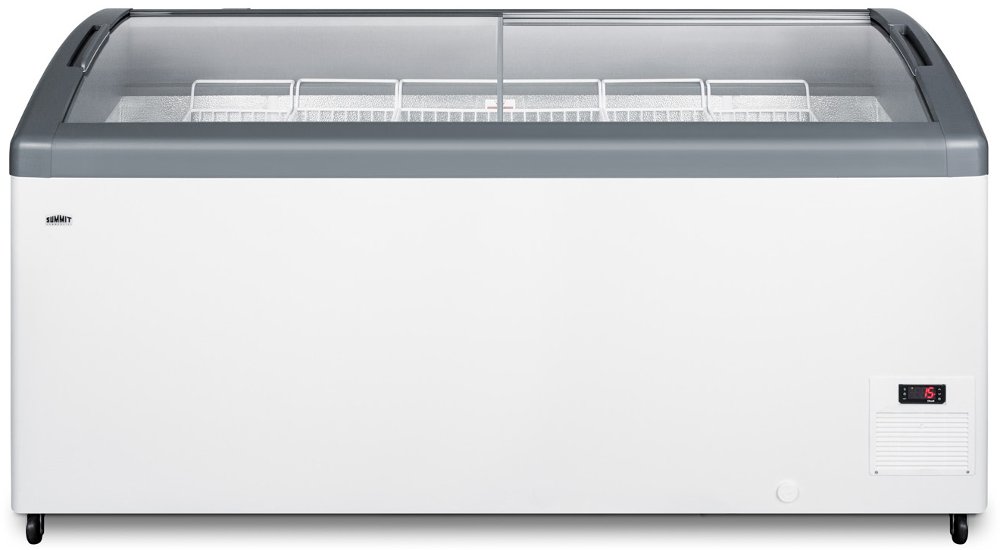
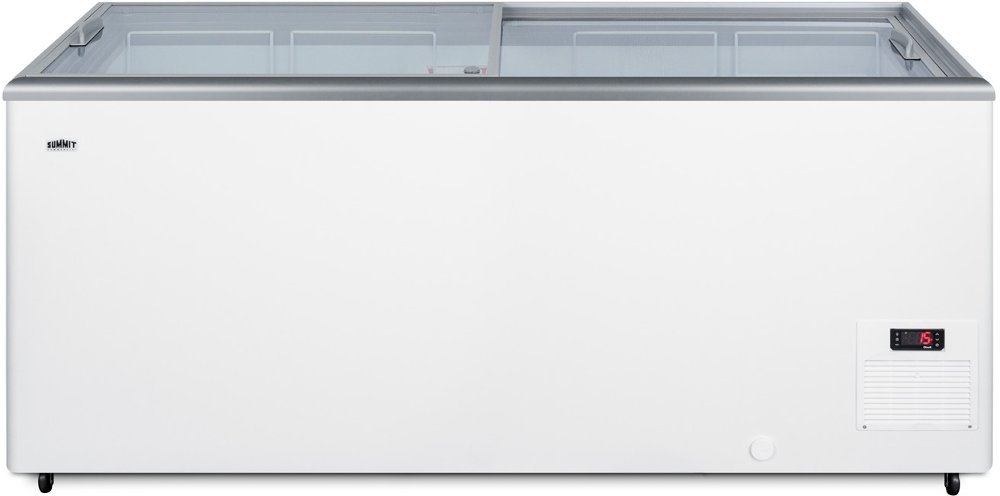
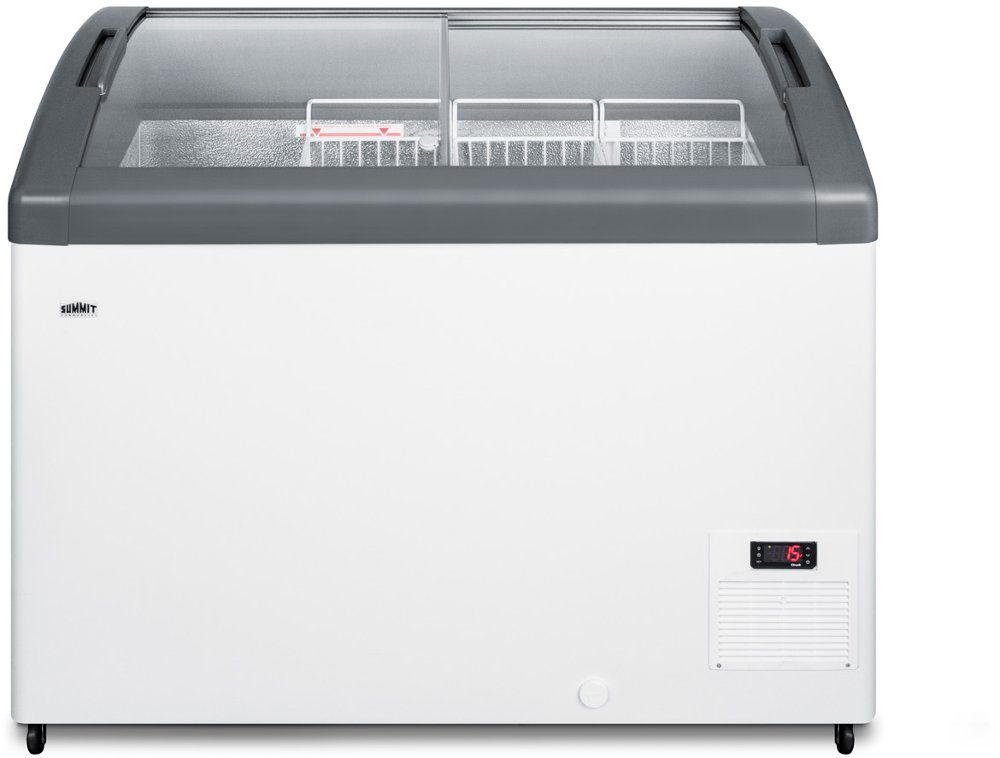
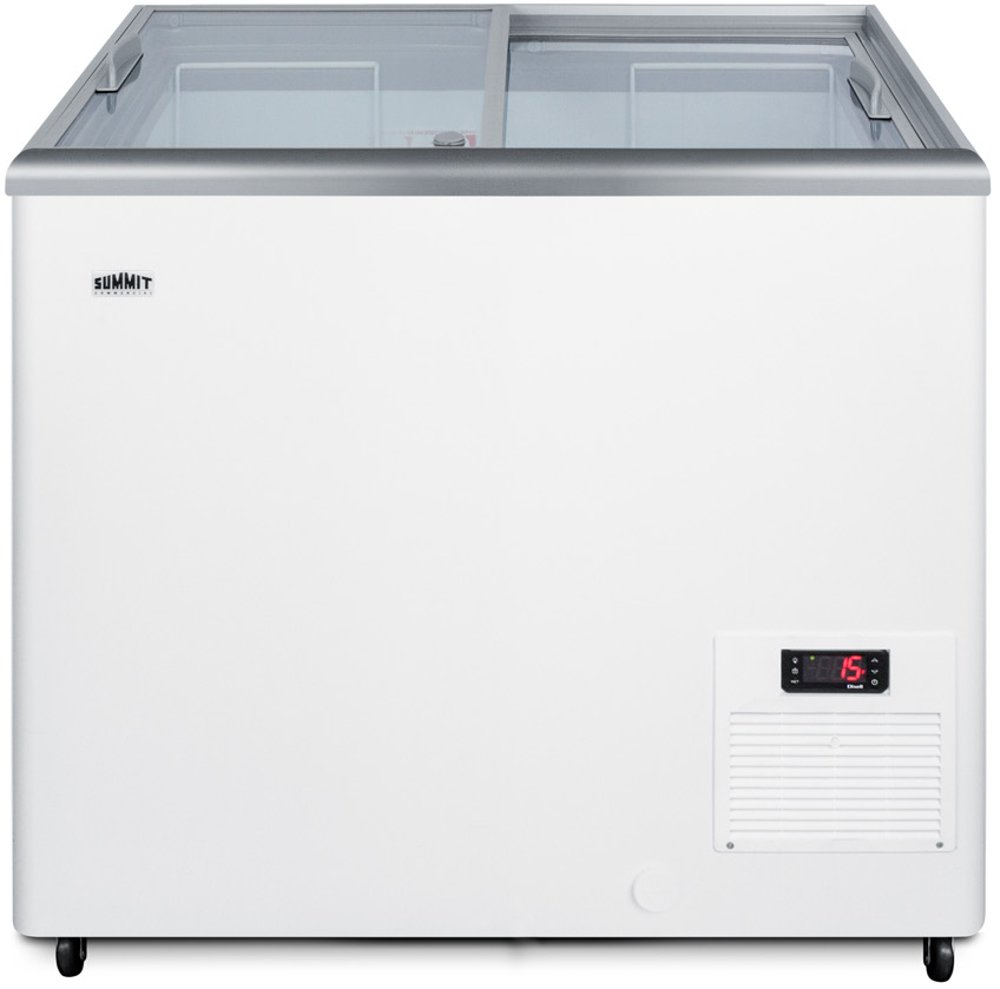
Chest freezers provide deep, top-opening frozen food storage for everything from everyday dinner ingredients to bulk meat purchases and meals prepared ahead. Also called freezer chests, these appliances give groceries a dedicated place beyond the freezer compartment in a refrigerator, making it easier to keep a few weeks of dinners organized without squeezing a bag of vegetables between ice trays. Their wide interiors accommodate foods that can be awkward to fit on narrow shelves, such as a whole turkey, stacked casserole containers, or larger cuts of meat. A compact chest freezer can serve a smaller household that freezes bread, fruit, and extra portions, while a larger unit can support a busy family, a gardener preserving a substantial harvest, or someone who brings home meat from hunting trips. Capacity is measured in cubic feet, but the most useful size depends on what you freeze and how often you rotate it. An allowance of roughly 2 to 3 cubic feet per person can be a starting point, rather than a firm sizing rule. Compact capacities around 5 to 7 cubic feet may work well for one or two people with moderate storage needs; capacities of 14 cubic feet or more provide room for larger households and substantial bulk purchases. A household that freezes occasional leftovers needs a different amount of space than one that stores several months of individually wrapped meat. For bigger storage plans, large capacity chest freezers offer room to separate food by category instead of building one crowded stack. During the cooler months, that extra space can hold soup portions, make-ahead breakfasts, and ingredients for family gatherings. Choosing capacity around actual cooking habits helps keep the appliance useful throughout the year, with enough room to organize food and see what needs to be eaten next. Interior shape matters alongside the capacity number: a compressor compartment can create a raised section inside, so usable storage isn’t always one uninterrupted rectangle.
The right fit starts with the installation space, not just the freezer’s exterior width. Chest freezers generally need more floor area than upright freezers, and their lids need enough overhead clearance to open fully. Measure the intended location, the delivery path, and any doorways or tight turns along the way. Leave the ventilation clearances specified by the manufacturer, and consider whether an open lid would meet a low shelf, cabinet, or stairway ceiling. A level, dry location with a suitable grounded electrical outlet helps support proper installation; follow the appliance’s electrical requirements rather than relying on an extension cord. Basements, utility rooms, and garages can all be practical locations when their conditions match the freezer’s operating requirements. A garage-ready chest freezer is designed to operate within a stated ambient temperature range, but that label doesn’t mean it can handle every extreme. Check the manufacturer’s minimum and maximum operating temperatures against the conditions in the actual space, especially in an unheated garage. Indoor garage-ready appliances aren’t necessarily suitable for outdoor installation. Everyday access deserves equal attention. The deep compartment that makes a chest freezer useful for bulky food can also require bending and reaching, so basket placement and interior depth matter for anyone with limited reach or mobility. Sliding or lift-out baskets keep small packages near the top, while dividers can help separate vegetables, prepared meals, and meat. Useful features may include interior lighting, an accessible temperature control, a power indicator, or a high-temperature alarm, depending on the design. A lock can help restrict access, but it doesn’t replace keeping children from playing around or inside the appliance. Typical construction includes a coated metal cabinet, an insulated lid, and a molded or metal interior liner; smooth surfaces and accessible corners make cleanup simpler. Look for sturdy basket supports, dependable hinges, and a gasket that seals evenly around the lid. These details influence how comfortably the freezer handles repeated use, from lifting a heavy roast out of the bottom to opening the lid with a stack of meal containers ready to put away.
Long-term satisfaction also depends on energy use, organization, and routine care. Because cold air tends to stay low, a top-opening chest freezer generally lets less cold air spill out during opening than a front-opening design. Actual electricity use still depends on capacity, insulation, efficiency, room temperature, and how the appliance is used. Compare EnergyGuide labels for annual energy consumption rather than assuming every chest freezer performs alike, and consider ENERGY STAR certification when evaluating efficiency. Keep the freezer at 0°F or below for frozen food storage, using an appliance thermometer to check the temperature. Most chest freezers require manual defrosting, so a convenient drain and an accessible location can make maintenance easier. Follow the manufacturer’s instructions for defrosting when frost reaches the recommended thickness, moving food to another freezer or an appropriately chilled insulated cooler before unplugging the appliance. Let ice melt as directed, and avoid knives or other sharp tools that could puncture the liner or damage cooling components. Clean the interior with a mild, manufacturer-approved solution, dry it thoroughly, and wipe the lid gasket so crumbs and residue don’t interfere with the seal. Keeping required ventilation spaces clear also helps the freezer operate as intended. Inside, freezer-safe containers and tightly wrapped packages help protect food quality by limiting exposure to air. Freeze soups and sauces in manageable portions, label packages with their contents and dates, and keep older food easy to reach. A shallow basket for breakfast foods or a separate bin for vegetables can prevent a quick dinner search from turning into a full excavation. Avoid loading a large quantity of warm food at once; follow the appliance’s freezing-capacity guidance and cool prepared foods safely before freezing. An inventory list near the freezer can make deep storage easier to manage, especially when several people cook in the same household. With a suitable installation space and a workable storage system, a chest freezer becomes a practical extension of the kitchen, keeping ingredients accessible and making room for the way your household prepares, saves, and shares food.
Read More