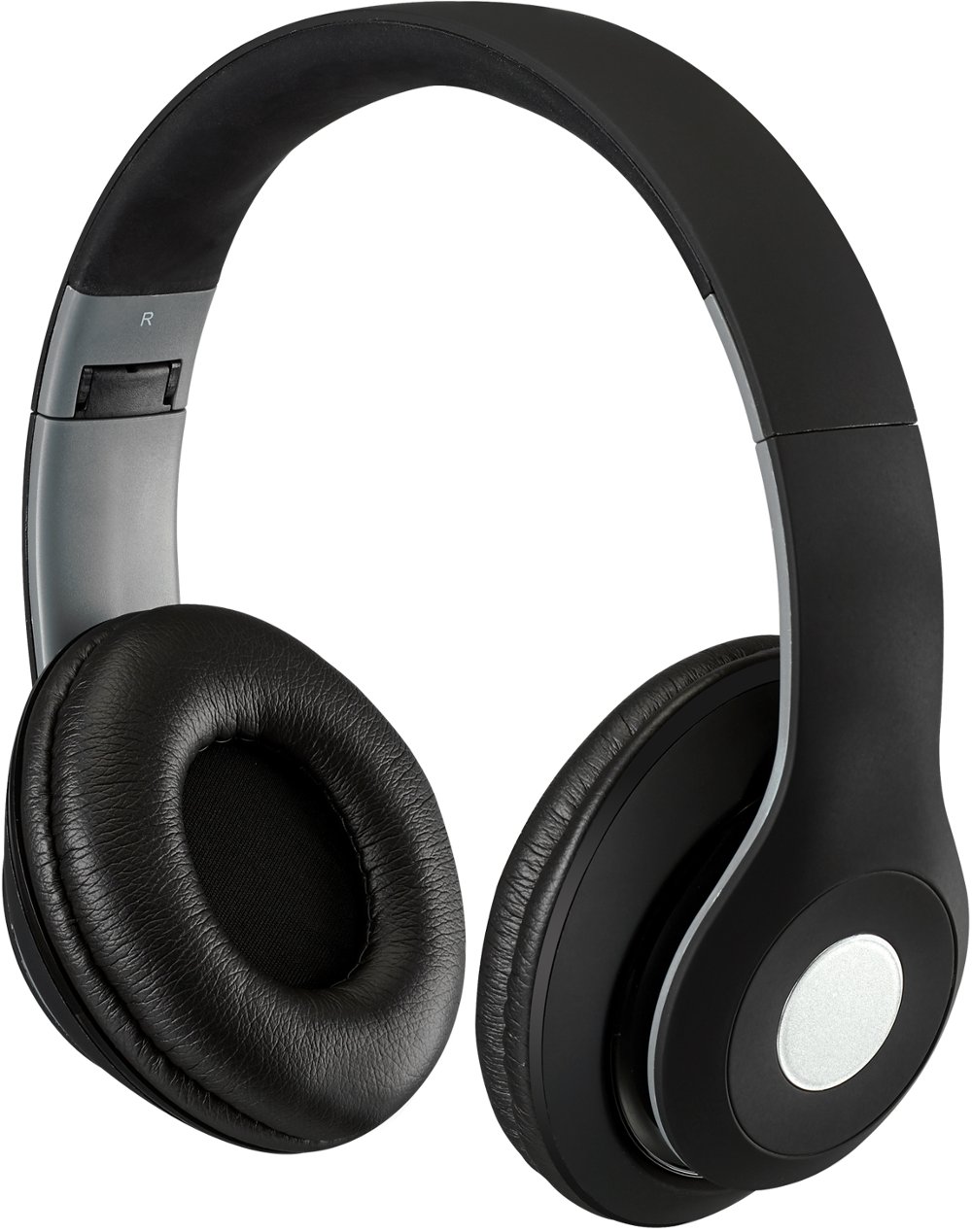
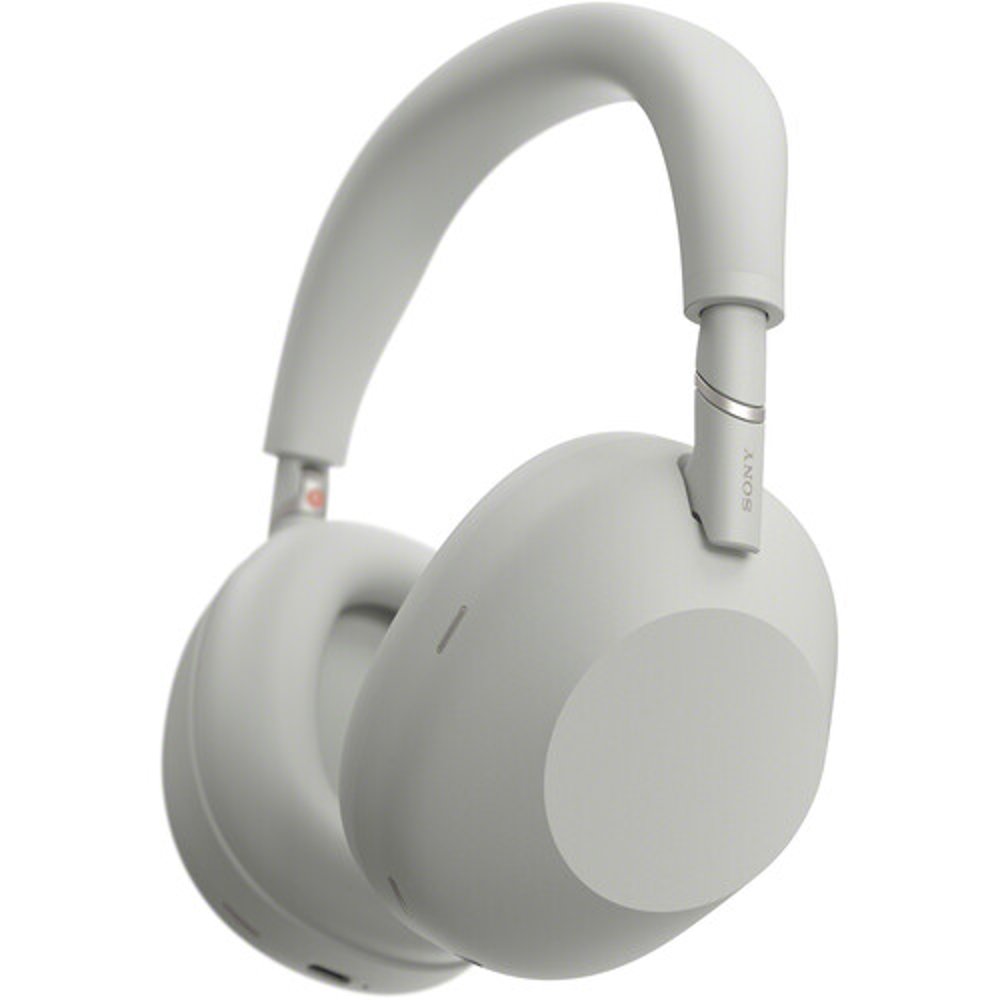
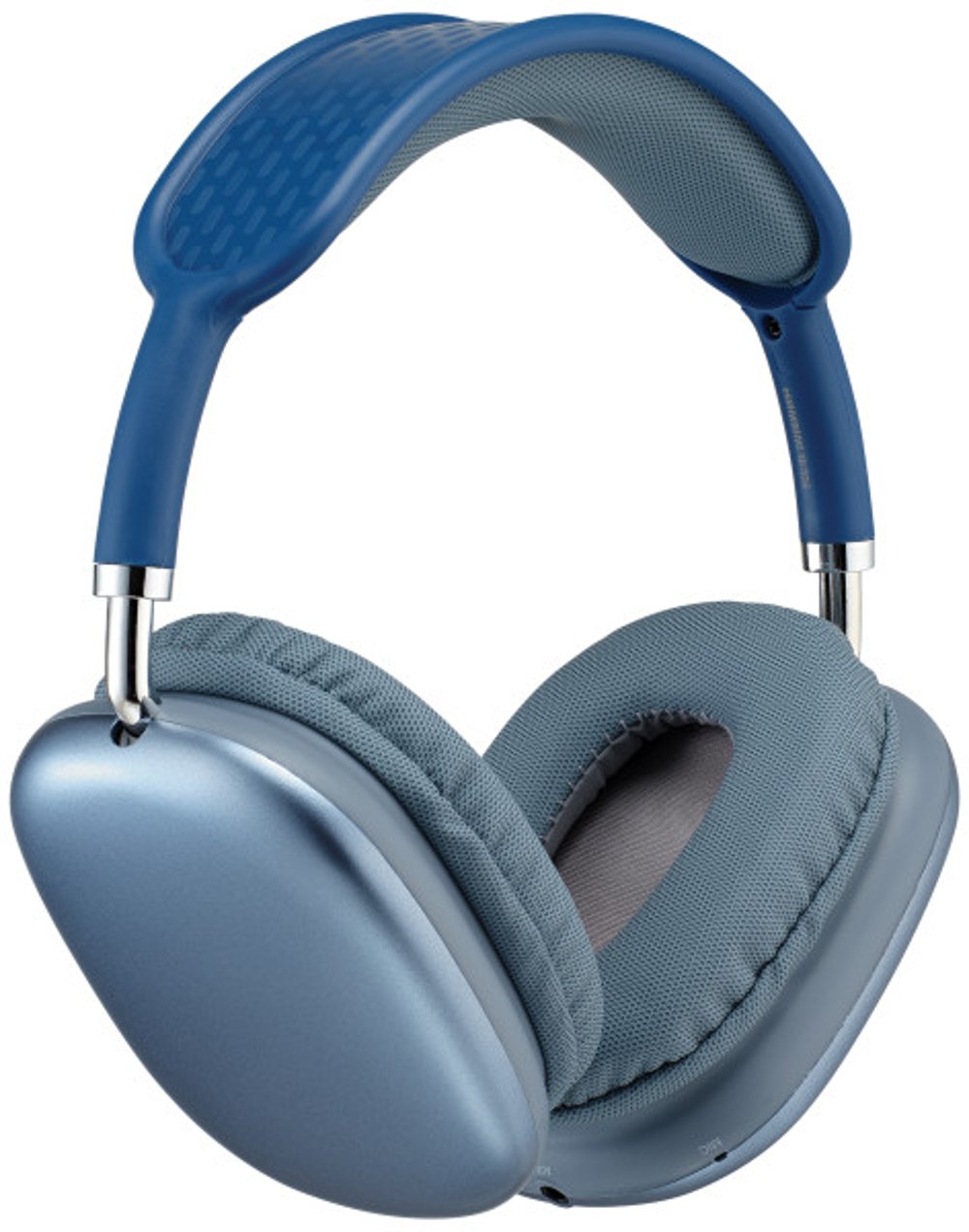
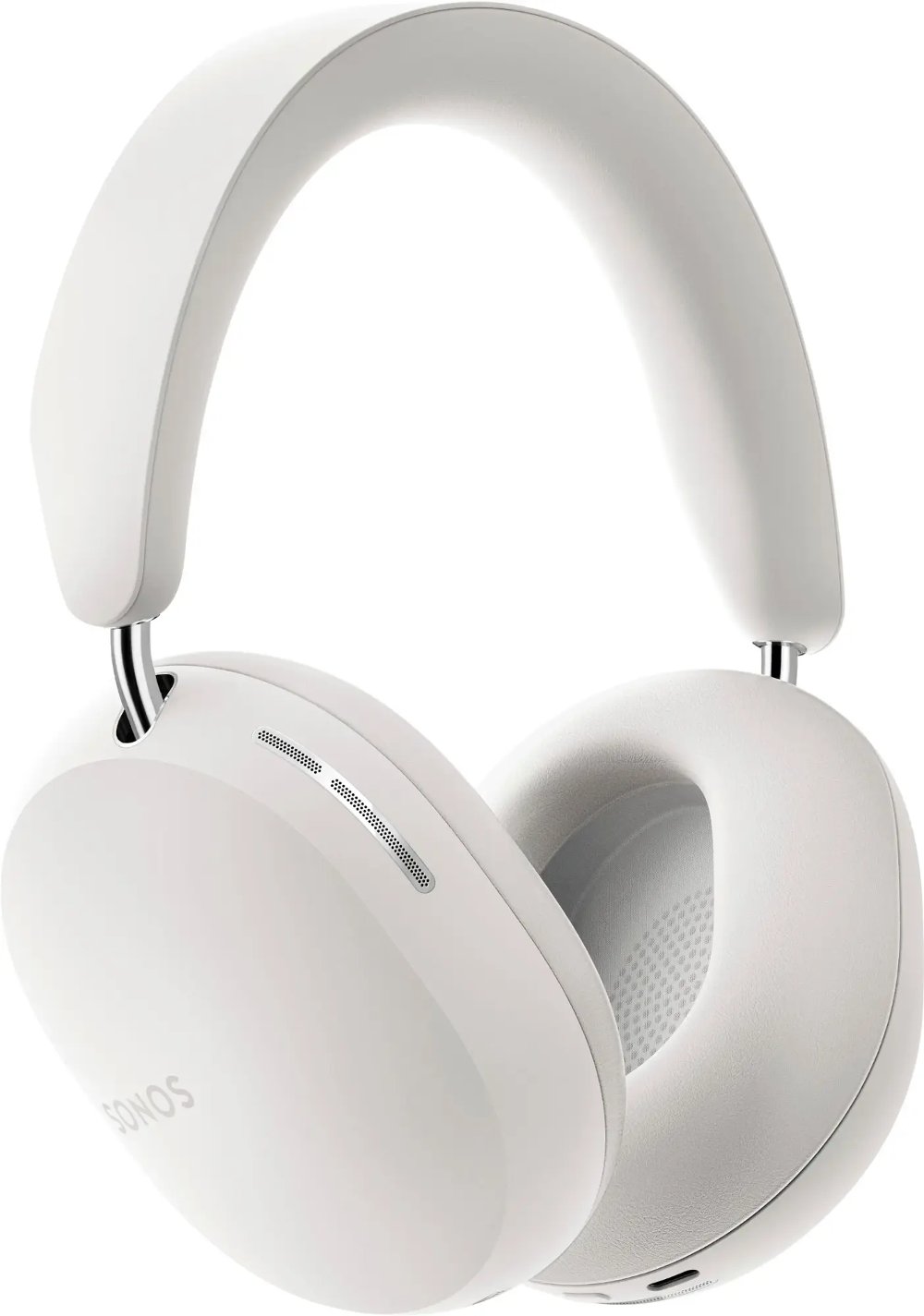
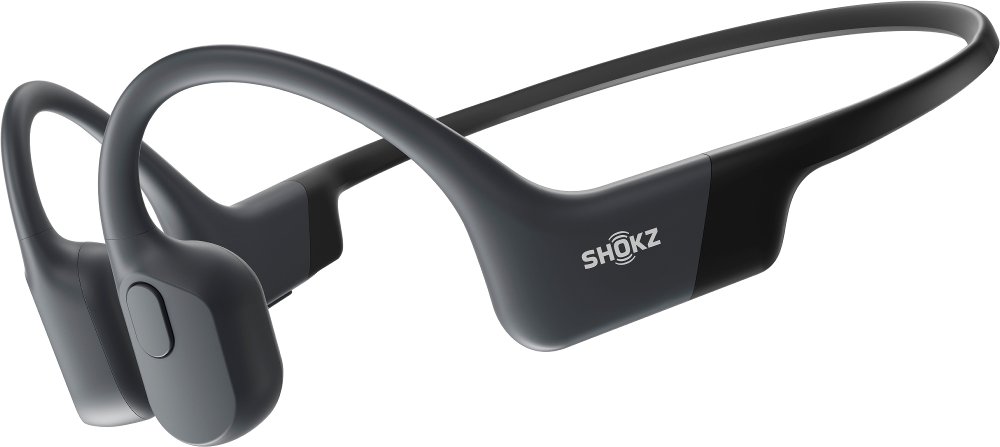
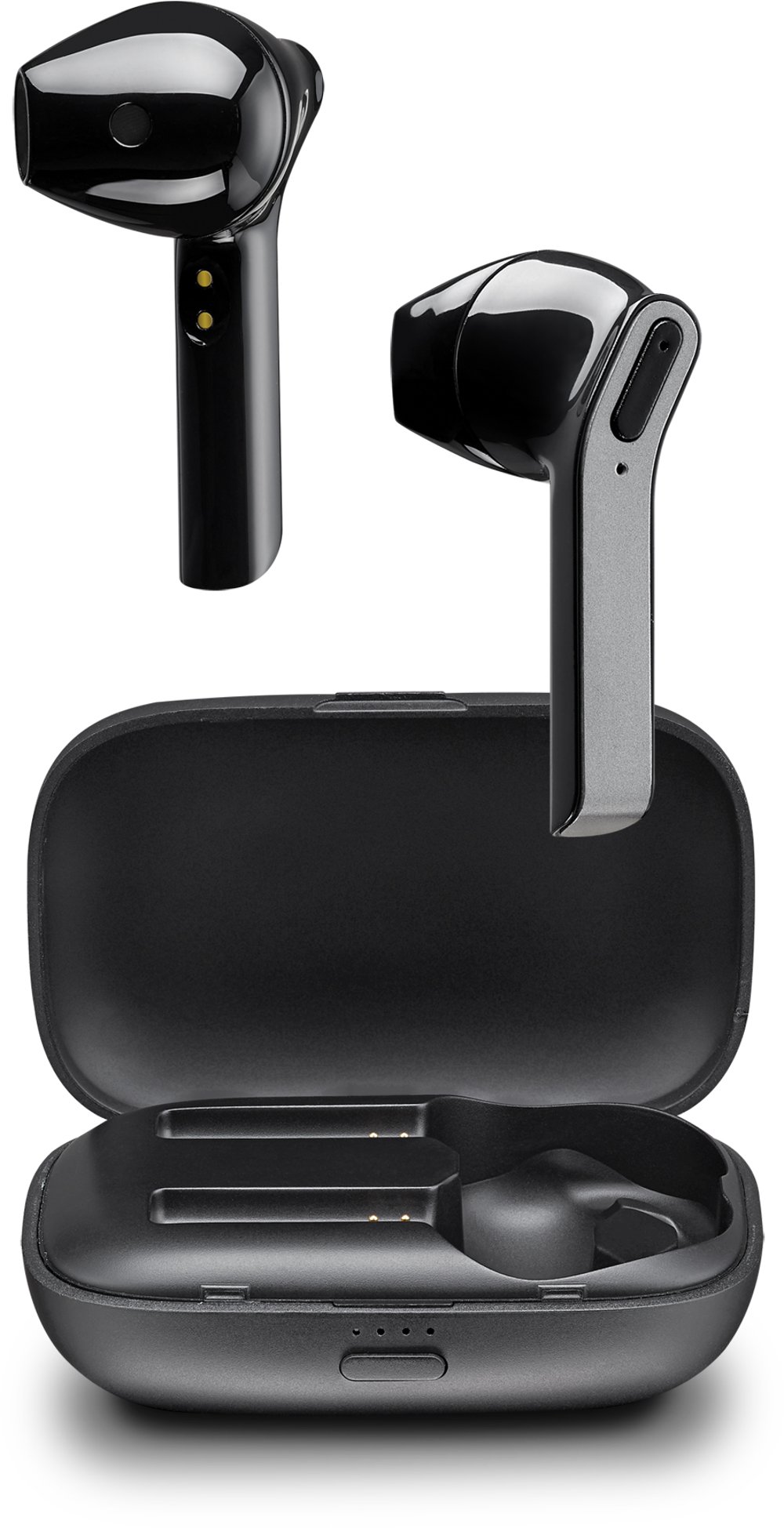
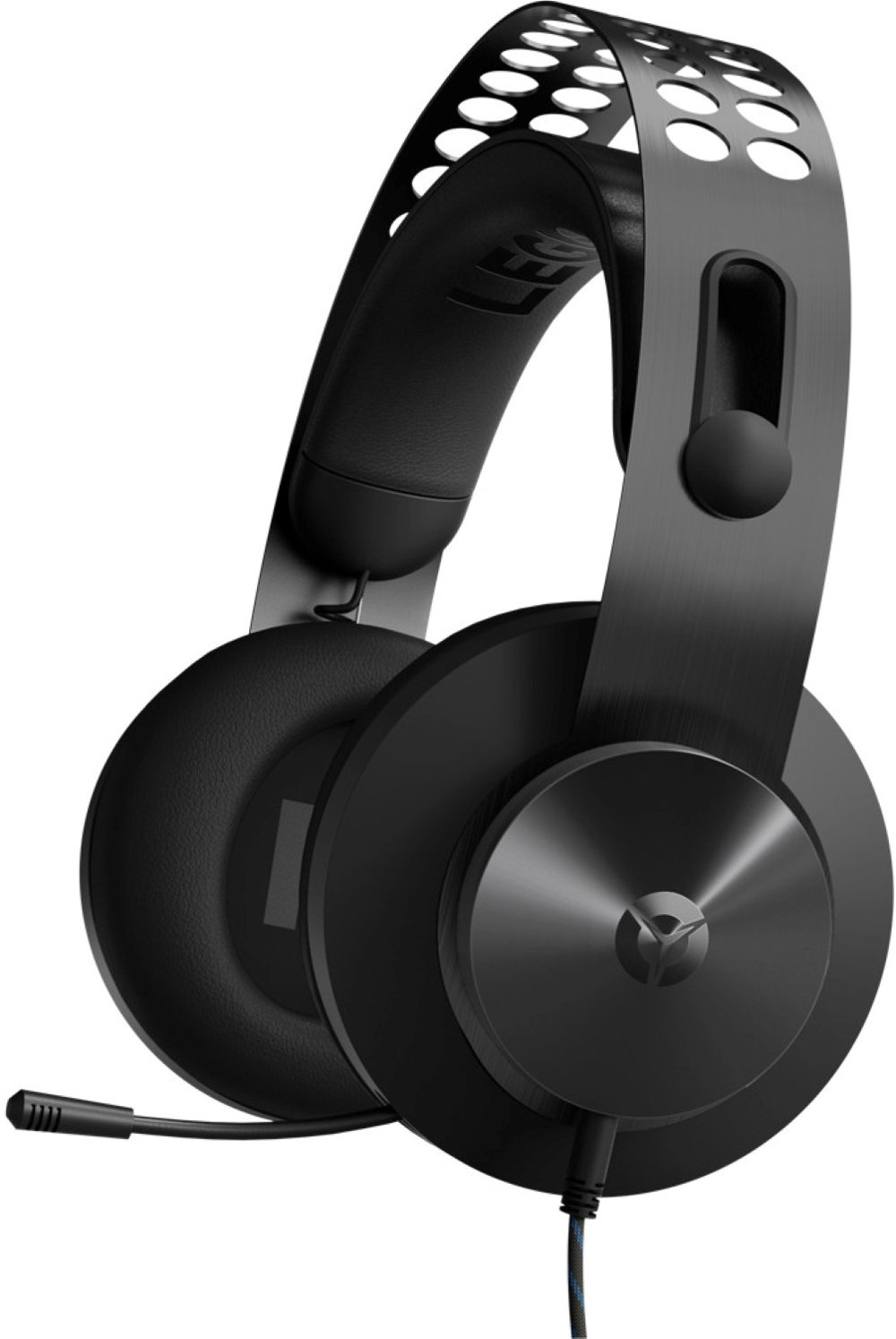
Bluetooth headphones deliver wireless audio and hands-free calling by connecting to compatible devices through short-range radio signals rather than an audio cable. They make everyday listening easier, whether you’re following a podcast while folding laundry, enjoying an album at your desk, or watching a movie without filling the room with sound. Compatibility matters: phones, tablets, and laptops commonly support Bluetooth audio, while televisions and desktop computers may require a closer check of their audio-output capabilities. The shape of your headphones also makes a noticeable difference in how they feel and where you’ll use them. Over-ear Bluetooth headphones surround the ears with cushioned cups, creating a spacious fit that can be comfortable for longer listening sessions. On-ear headphones rest directly on the ears and often have a smaller profile, although clamping pressure and cushion softness affect comfort. In-ear headphones and wireless earbuds sit in the ear canal or at its opening, making them convenient for a gym bag, daily commute, or quick call between errands. With in-ear designs, properly sized ear tips help keep the headphones secure and can improve bass response by creating a better seal. Silicone tips are easy to wipe clean, while foam tips conform to the ear and may need replacement as they wear. Over-ear and on-ear construction can include lightweight plastic shells, metal headband components, foam padding, and fabric or synthetic leather cushions. An adjustable headband, swiveling ear cups, and enough room around the ears can be especially helpful if you wear glasses. Weight matters, too; a pair that feels comfortable for a short conversation may feel different through a full-length movie. Sound quality involves more than driver size or a strong bass response. Clear vocals help dialogue stay understandable, controlled bass adds depth without covering other details, and balanced tuning makes it easier to enjoy different kinds of music. Headphones with a compatible equalizer app can offer another way to adjust the sound to your preferences. A comfortable fit and a sound profile you enjoy often matter more than a long feature list.
Noise control is another important distinction among wireless headphones. Passive noise isolation comes from the physical fit of ear cups or ear tips, while active noise cancellation uses microphones and electronic processing to reduce some surrounding sounds. Active noise-canceling headphones can be particularly useful around steady background noise, such as the low hum of an airplane cabin or household equipment. They don’t eliminate every sound, and voices or sudden noises may still come through. Transparency or ambient-listening modes work differently, using microphones to bring outside sound into your headphones so you can hear a nearby conversation or an announcement more easily. These features can make shared spaces more comfortable, but they aren’t substitutes for staying aware of traffic and other hazards. For calls, microphone quality deserves its own attention. Headphones that sound great for music won’t necessarily make your voice equally clear in a busy room; microphone placement and background-noise processing affect what the person on the other end hears. Convenient controls also help during ordinary routines. Physical buttons can be easy to locate by touch, while touch-sensitive surfaces may support taps or swipes for volume, playback, and calls. Bluetooth multipoint, when supported, lets headphones stay connected to two compatible devices, making it easier to move between laptop audio and a phone call. Battery life varies with volume, noise cancellation, calling, and other settings, so advertised listening times are best treated as estimates rather than guarantees. For wireless earbuds, distinguish the listening time from a single charge from the total time that includes recharging in the case. Fast charging can be helpful before heading out, though charging speeds and cable requirements vary. Connection stability also depends on distance, walls, interference, and device compatibility. For gaming or video, audio delay is worth considering; Bluetooth connections don’t all provide the same latency. Optional audio codecs must be supported by both the headphones and the source device to work as intended. Some over-ear headphones also support wired listening, which can provide flexibility when a battery runs low or a device lacks Bluetooth audio.
The best fit for everyday life depends on where your headphones spend their time. A student moving between classes may appreciate a compact design and a protective case, while someone working from home may prioritize comfortable cushions, clear calls, and easy switching between devices. Frequent travelers often value folding ear cups and noise cancellation, and listeners who exercise may prefer secure-fitting earbuds with an appropriate sweat-resistance rating. Water resistance is specific to the stated rating; it doesn’t automatically mean headphones are suitable for swimming, showering, or rinsing under a faucet. Durability also comes from details that are easy to overlook, including sturdy hinges, secure headband adjustments, replaceable ear cushions or tips, and a charging port that’s easy to access without straining the cable. A case helps protect headphones from loose keys, crushed cushions, and debris inside a backpack. Regular care keeps the surfaces that touch your skin more comfortable. Follow the manufacturer’s cleaning instructions, wipe exterior surfaces with a soft cloth, and keep moisture out of openings and charging contacts. Removable ear tips may have separate cleaning directions, and they should be fully dry before reattaching them. Earbud speaker meshes can collect buildup that affects sound, so gentle cleaning matters more than aggressive scrubbing. Store headphones somewhere dry, avoid leaving them under heavy objects, and handle folding joints without forcing them past their intended range. For longer listening sessions, a moderate volume and occasional breaks help keep the experience comfortable; noise cancellation isn’t hearing protection. Bluetooth headphones can also make a thoughtful birthday or graduation gift when their fit and features match the recipient’s habits. Someone who listens to audiobooks at home may want a different design than someone who takes frequent calls or carries earbuds everywhere. Personal listening and room-filling sound serve different purposes, too. For music everyone can enjoy together, Led Bluetooth Speakers offer a separate way to bring wireless audio into shared spaces. Headphones keep the focus on your own soundtrack, with comfort, practical features, and dependable construction shaping how naturally they fit into your day.
Read More