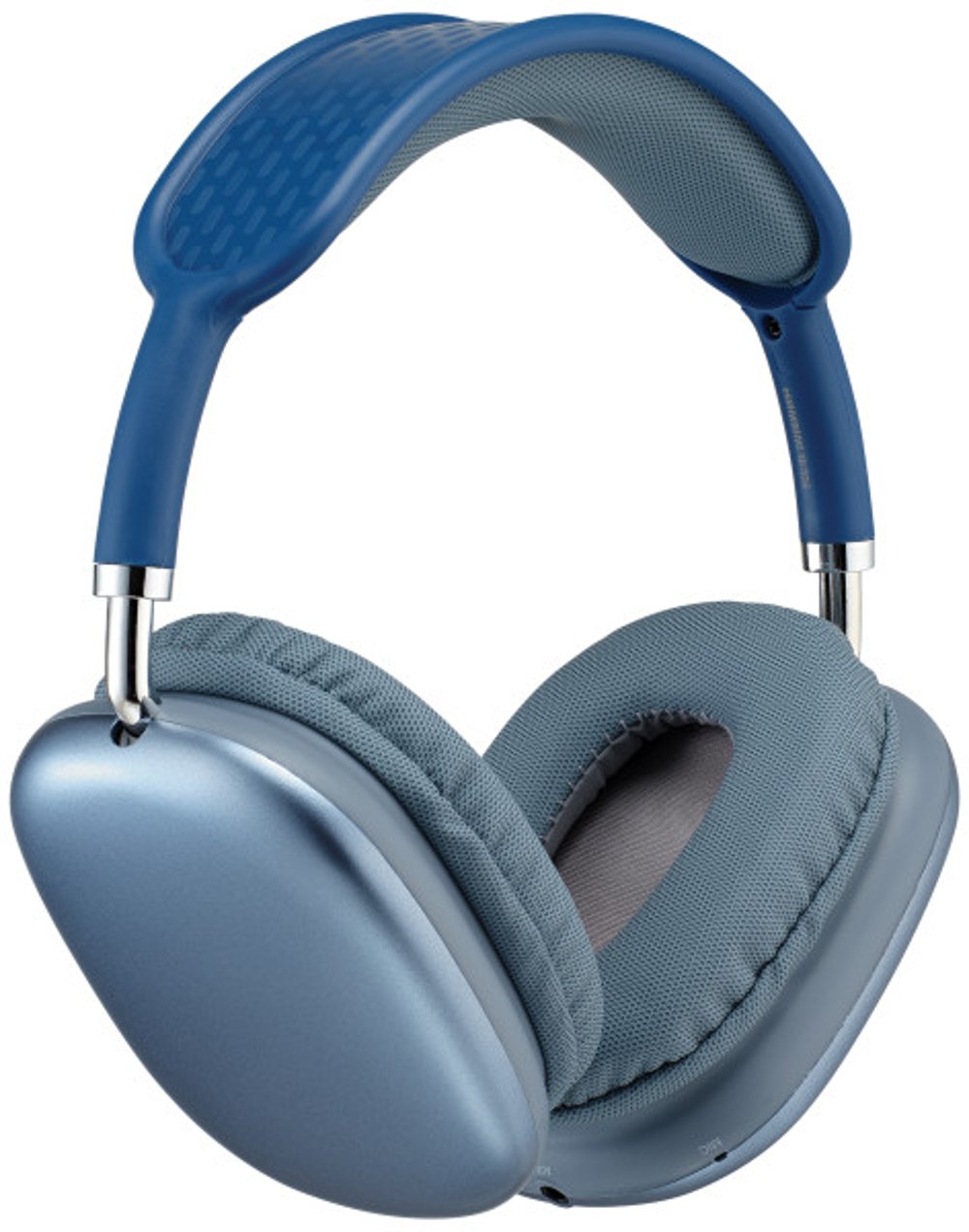
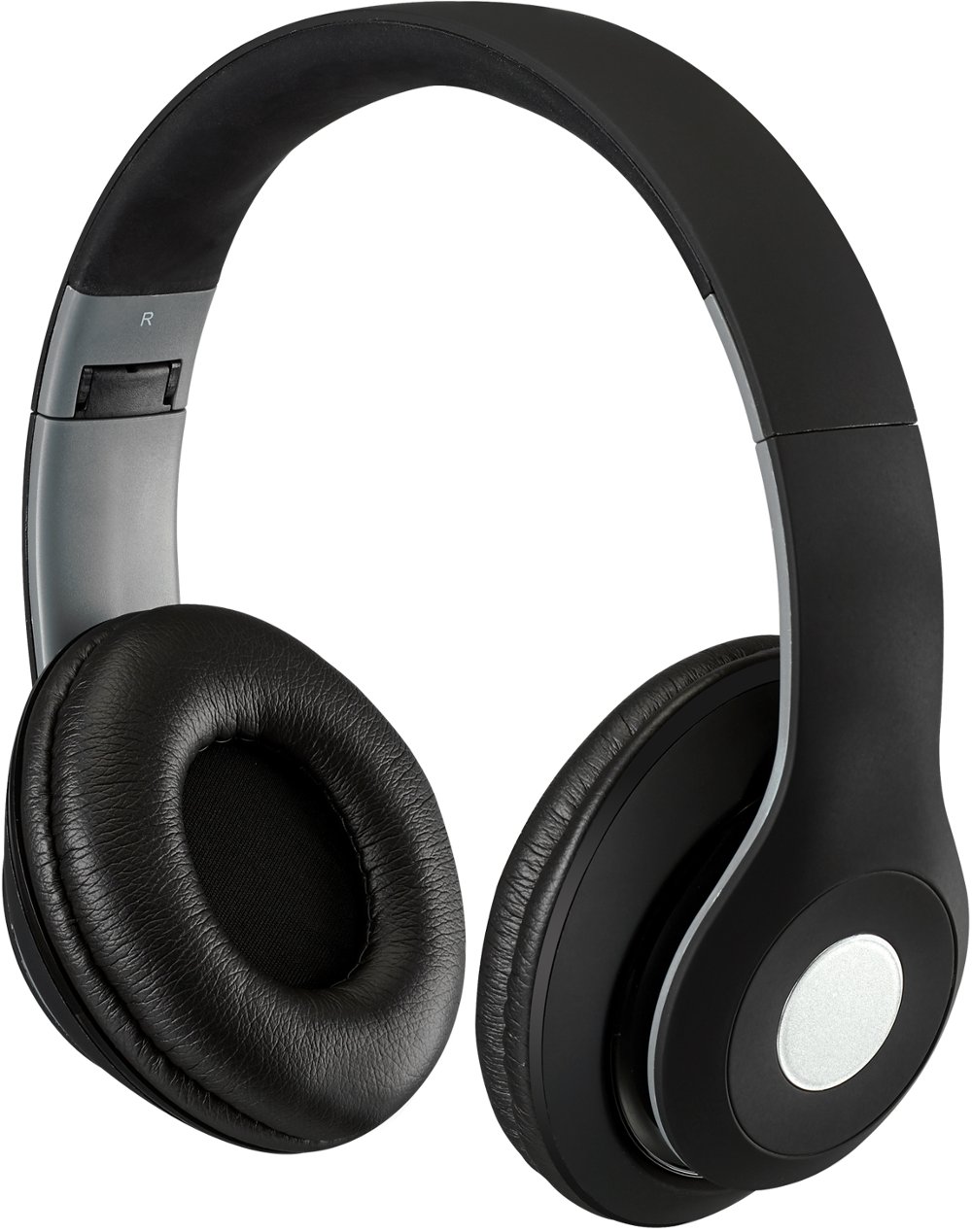
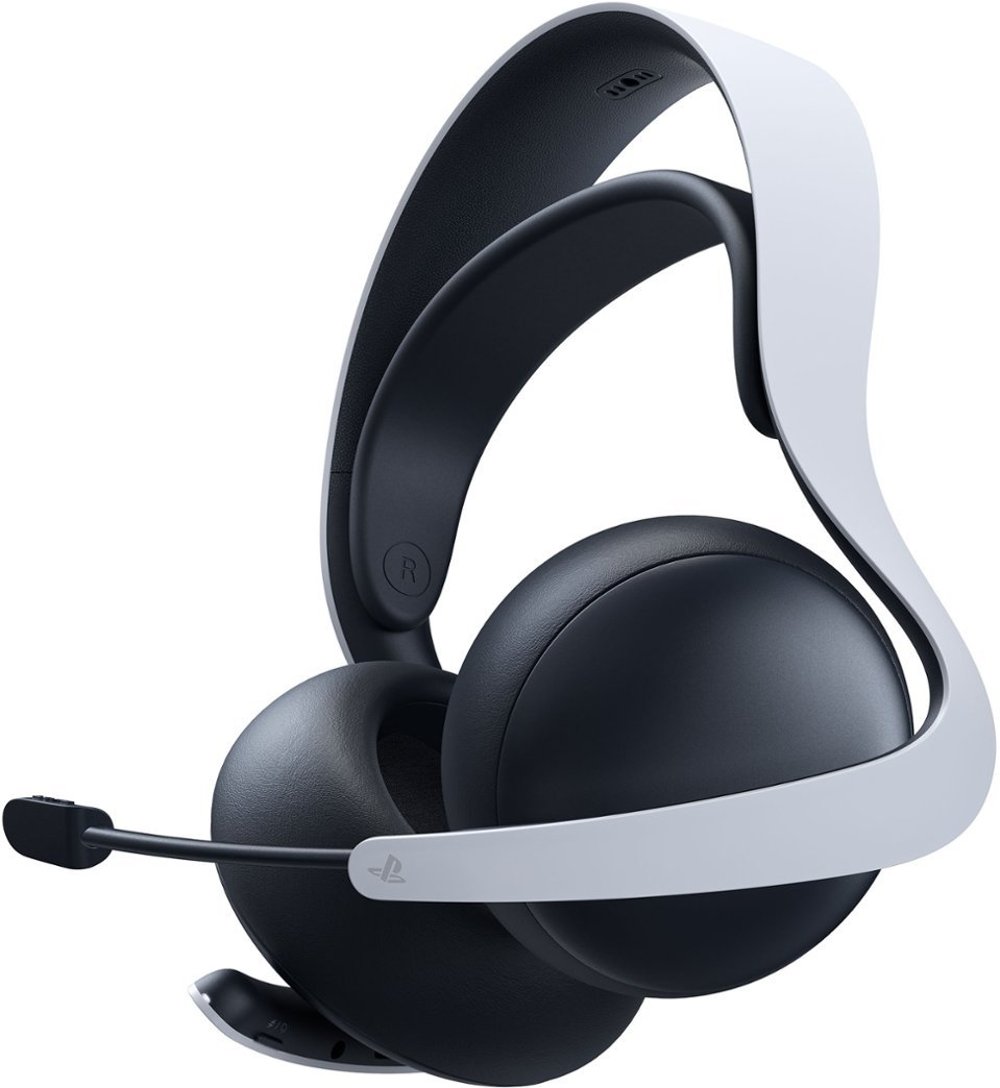
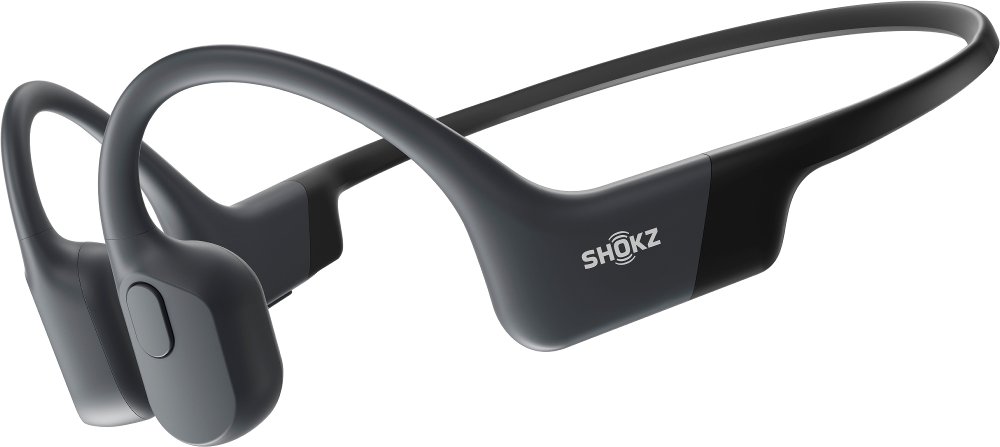
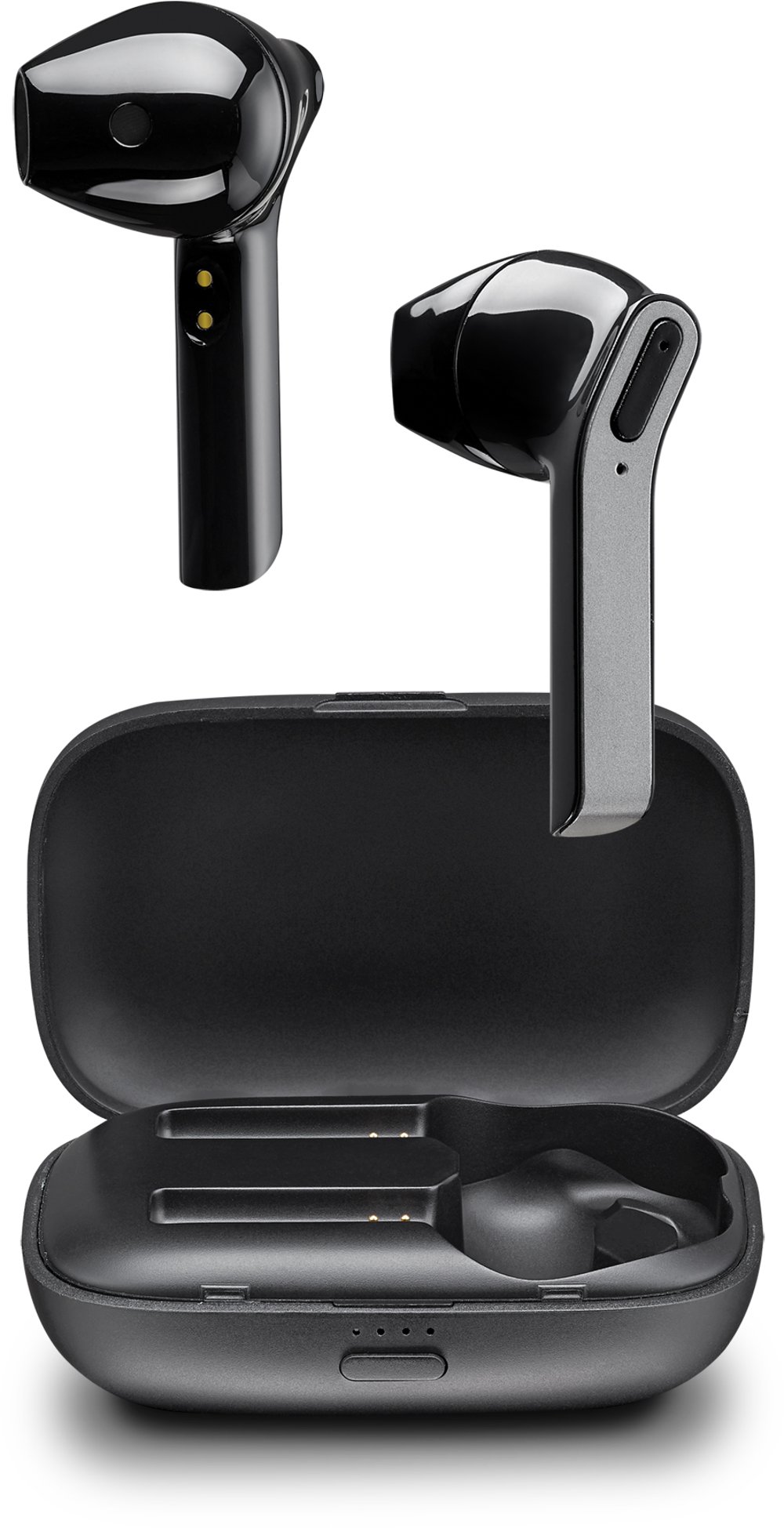
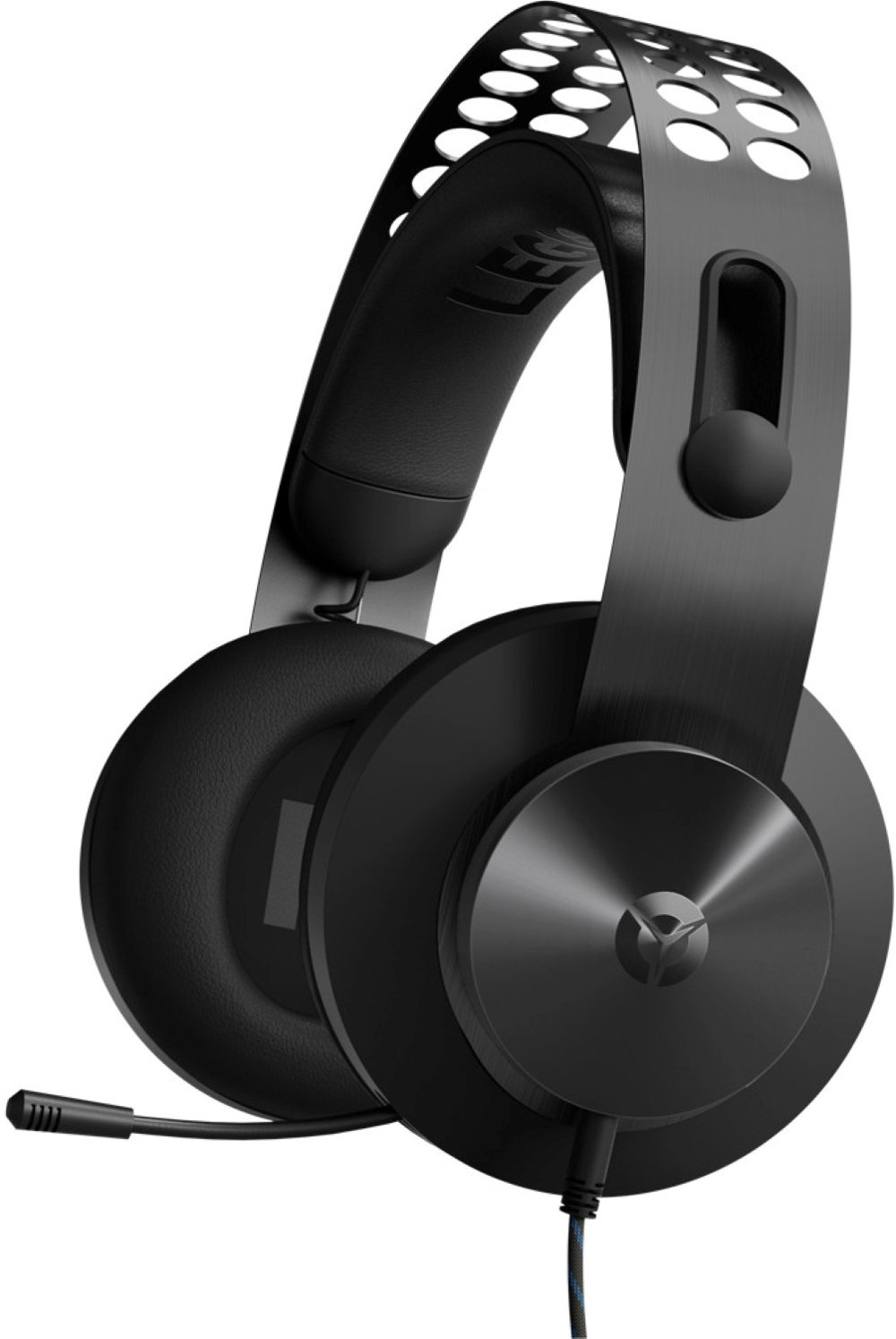
Bluetooth headsets are wireless audio devices with a built-in microphone that connect to compatible phones, tablets, computers, and other electronics using short-range radio signals. They support hands-free phone calls, virtual meetings, music, and other audio without a cable running from your headset to your device. For someone who takes frequent calls, that freedom can mean reaching a file across the desk or taking notes without holding a phone against one ear. For a student, it can mean hearing an online lecture clearly while keeping the microphone close enough to speak during a discussion. Different designs suit different routines. Single-ear headsets leave one ear uncovered and often feature a small boom microphone positioned near the mouth. Stereo headsets cover both ears, making them useful for people who move between conversations, training videos, and music throughout the day. In-ear styles keep the overall design compact, while on-ear and over-ear headsets offer different balances of cushioning, coverage, and portability. A boom microphone can help maintain a consistent distance from your voice, though microphone design and audio processing also affect how clearly others hear you. Call controls matter just as much in everyday use: an easy-to-find mute button, responsive volume adjustment, and a clear microphone-status indicator can make meetings feel more manageable. Someone sharing a workspace may value quick muting, while a frequent traveler may appreciate a microphone arm that folds out of the way. There’s also plenty of overlap with Bluetooth Headphones, since many headphone designs include microphones for calls. The distinction often comes down to how much emphasis a design places on voice communication, microphone positioning, and listening features. A headset that suits your routine should feel comfortable during the activities you repeat most, whether that’s a series of short check-ins or a longer conversation with family.
Connection features and sound performance shape how smoothly a Bluetooth headset fits into the rest of your electronics. Basic Bluetooth compatibility allows devices to pair, but individual features can depend on the phone, computer, operating system, and calling application involved. Multipoint connectivity, for example, lets a headset maintain connections to more than one device when supported, making it easier to move between a laptop meeting and a phone call. That differs from simply remembering several previously paired devices, which may still require a manual switch. Wireless range also varies with walls, furniture, interference, and the connected device, so dependable performance at a desk doesn’t necessarily mean an uninterrupted connection throughout an entire home. For remote work, clear speech and predictable call controls often matter more than heavy bass. Microphone noise reduction can help reduce the background sounds transmitted to the person on the other end, while active noise cancellation works on the sound you hear through the earpieces. These are different functions, and a headset can offer one without the other. Active noise cancellation generally works best with steady background sounds, such as a ventilation fan; nearby conversations may still remain audible. Cushioned earcups and well-fitting ear tips can also reduce some outside sound through their physical seal. Battery specifications deserve a close look because talk time, listening time, and standby time describe different uses. Higher volume, active noise cancellation, and other enabled features can affect how long a charge lasts. Quick charging can be helpful between appointments, while the charging connector and included accessories determine how conveniently the headset works with your existing setup. For gaming, standard Bluetooth support alone doesn’t guarantee compatibility with every system or application. Microphone support and audio delay can vary, and some setups require a compatible adapter or a separate wireless connection. Those details make a difference when matching spoken communication to on-screen action or coordinating with other players.
Comfort becomes especially noticeable after the first few minutes, so fit deserves the same attention as wireless features. A lightweight frame can reduce pressure, but weight alone doesn’t tell the whole story: headband tension, earcup shape, and cushion depth all influence how a headset feels over time. Adjustable headbands and swiveling earcups help distribute contact more evenly, while a flexible microphone boom lets you place the microphone near your mouth without resting it against your face. People who wear glasses may prefer softer cushions that accommodate the temples without pressing them firmly against the sides of the head. In-ear headsets rely on appropriately sized tips for a secure seal, and some designs use ear hooks or stabilizing fins for additional support. Materials affect both comfort and upkeep. Fabric-covered cushions can feel breathable, while synthetic leather surfaces often wipe clean more easily; either may show wear with frequent use. Plastic housings help keep weight manageable, and reinforced hinges or metal adjustment components can provide support at frequently handled points. Durability also depends on everyday habits. A protective case helps keep a headset from being crushed in a work bag, and folding parts should move only in the directions described by the manufacturer. For routine care, wipe exterior surfaces with a soft cloth and follow the manufacturer’s directions for cleaning cushions, ear tips, and microphone covers. Keep moisture out of charging ports and other openings, and let removable washable parts dry completely before reattaching them. Sweat or water resistance should be confirmed in the specifications rather than assumed from a sporty appearance. Replaceable cushions and ear tips, when supported, can help maintain comfort as contact surfaces wear. Bluetooth headsets can make practical gifts for a graduate starting a new job, a student attending online classes, or someone who enjoys regular video calls with loved ones. Matching the headset to the recipient’s devices, preferred fit, and daily calling habits makes the gift more personal—and more likely to become part of a useful everyday routine.
Read More