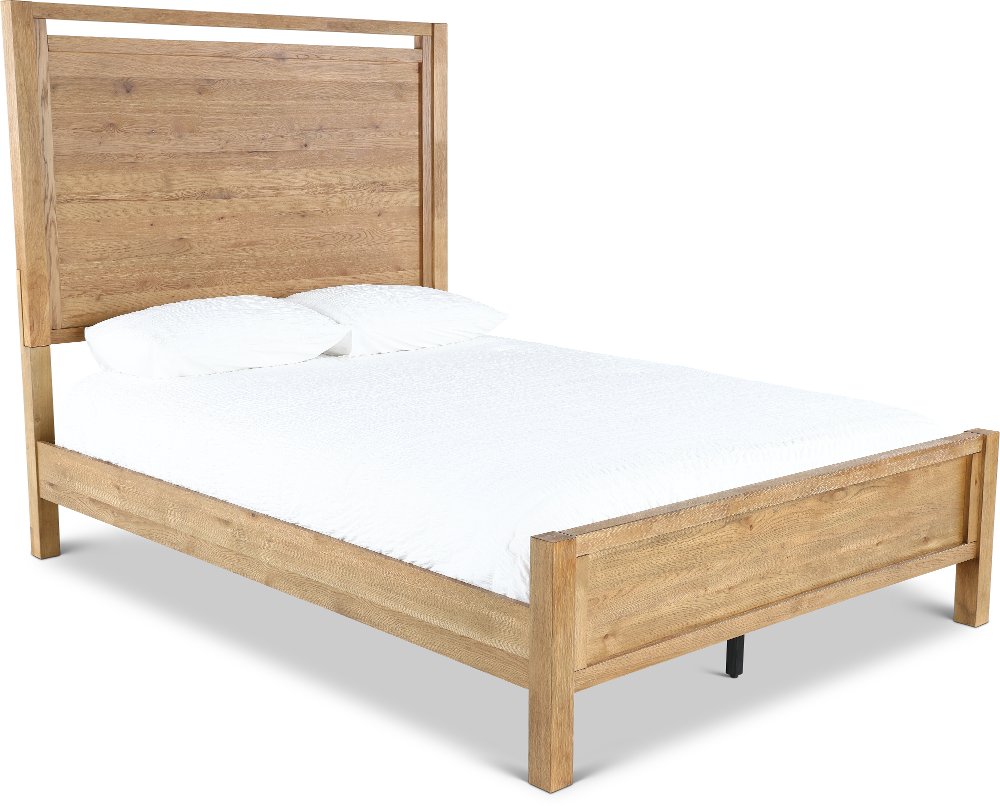
Boho bed frames bring an easygoing, collected feel to a bedroom, with texture and natural-looking finishes that make the bed feel like part of a home rather than a matched display. The look leaves plenty of room for personal taste. A gently arched headboard with woven detailing can feel light and airy, while a substantial wood frame with visible grain gives the room a grounded, relaxed presence. Some designs lean into open cane panels, slender legs, and rounded corners; others use upholstery, carved details, or a mix of wood and metal to create interest. That variety makes a boho bed frame a comfortable starting point for a first apartment, a shared primary bedroom, or a guest room that needs to feel welcoming without looking overly formal. The common thread is a sense of ease, not a requirement to fill the room with fringe, plants, or patterned textiles. A textured headboard can carry the look on its own with plain cotton bedding and a simple bedside lamp. If you enjoy mixing colors, it can also sit comfortably alongside a rust-colored quilt, an indigo throw, or pillows gathered over time. Lighter wood tones work well with cream, sand, and soft green, while darker finishes give pale bedding a little more definition. For a couple blending different tastes, a straightforward wood silhouette with just one woven or upholstered detail can bridge the gap between clean-lined and decorative. The frame also helps establish how the room feels from the doorway: a low, open design leaves more visual breathing room, while a taller headboard creates a clear focal point. Boho style works especially well when the surrounding furniture doesn’t match exactly. A painted dresser, a vintage-looking nightstand, and a comfortable reading chair can share the space when their proportions and colors feel connected. The result can be expressive without feeling busy, with the bed providing a steady foundation for the pieces that make the room yours.
Materials make a noticeable difference in both appearance and everyday use. Solid wood brings individual grain patterns and can develop small marks with use, while wood veneers offer real wood surfaces over a supporting core. Engineered wood construction varies, so the finish, joinery, and overall support deserve attention alongside the material name. Rattan and cane add woven texture, but those terms don’t always describe the same construction: cane is commonly used as a woven panel, while rattan may also form curved structural or decorative elements. Some frames use synthetic woven materials for a similar appearance, making the product’s material description more useful than looks alone. Decorative woven sections generally aren’t meant to bear body weight; the frame and mattress support system do that work. If sitting up in bed with a book is part of your routine, an upholstered headboard may offer a softer surface, while a wood or woven headboard can work well with supportive pillows. Upholstery also introduces practical choices. A nubby fabric adds depth, but pet claws may catch in pronounced loops, and any fabric headboard benefits from care suited to its fiber and finish. For wood, regular dusting with a soft cloth and prompt attention to spills help protect the surface; use cleaners recommended by the manufacturer rather than assuming an all-purpose spray is suitable. Woven panels often need gentle dust removal around the openings, without soaking the material or putting pressure on the weave. A vacuum upholstery attachment can help with fabric when the care instructions allow it. Long-term durability depends on more than whether a bed looks substantial. Secure connections, properly installed supports, and hardware kept snug according to the assembly instructions all contribute to a stable frame. Weight limits should account for the intended sleepers and mattress as specified by the manufacturer. For an everyday bed, those construction details matter just as much as the headboard’s texture, especially if the frame will move between homes or handle years of regular use.
Fit starts with mattress size, but the bed’s outside dimensions determine how comfortably it lives in the room. A queen mattress doesn’t mean every queen bed frame takes up the same amount of space; thick rails, a curved headboard, or an extended platform can add several inches. In a smaller bedroom, those inches can affect whether a closet door opens fully or someone can walk past the foot of the bed without turning sideways. Measure the full footprint, leave room for bedside furniture, and consider the path through doorways and up stairs before settling on a frame. Headboard height matters, too. A thick mattress and a stack of pillows may cover much of a low woven panel, while a tall headboard could compete with a window or artwork already in place. Check the mattress support requirements rather than assuming every boho platform bed works the same way. Some frames support a mattress directly on slats, while others require a foundation; slat spacing and support must also meet the mattress manufacturer’s requirements. Compatibility with an adjustable base needs separate confirmation, since decorative rails and internal supports can affect the fit. The finished sleeping height is worth considering for anyone who finds a very low bed difficult to get into or out of. Underbed clearance can be useful for storage bins, but it also determines how easily a vacuum reaches underneath. A low footboard can help an open layout feel less interrupted, while a taller one gives the bed a more enclosed appearance. Once those practical details are settled, the frame’s design can tie the rest of the space together without dictating every choice. Rounded wood edges can soften a room with angular dressers, and an open-weave headboard can balance heavier case pieces. If your taste leans toward sturdier profiles and a more rustic wood character, country bed frames offer a related direction to explore. A boho bed frame suits a bedroom that feels personal and comfortable, whether that means layered patterns or little more than crisp sheets, a favorite blanket, and a clear place to set down a book.
Read More