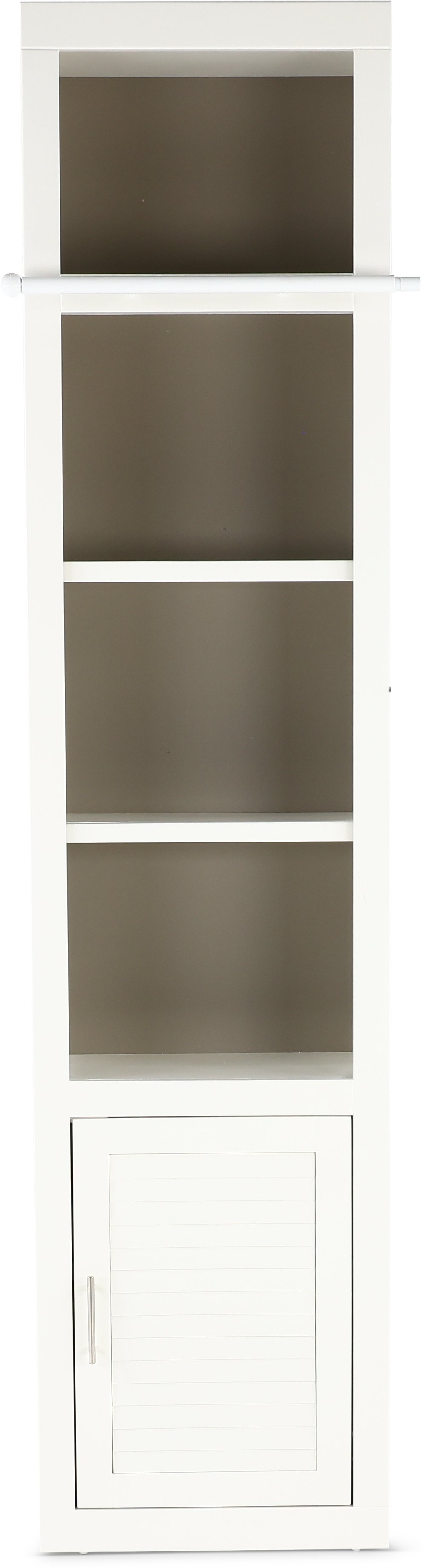
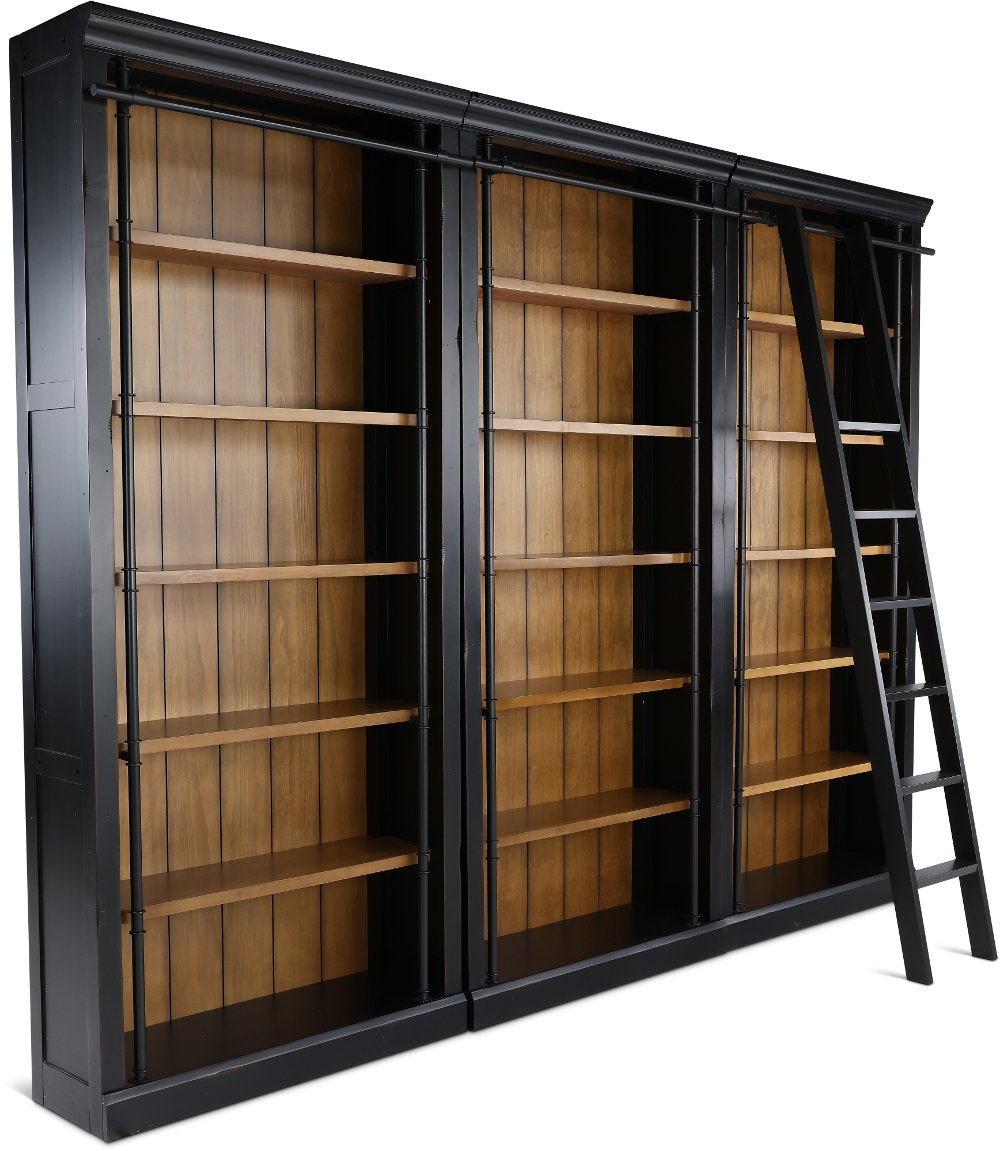
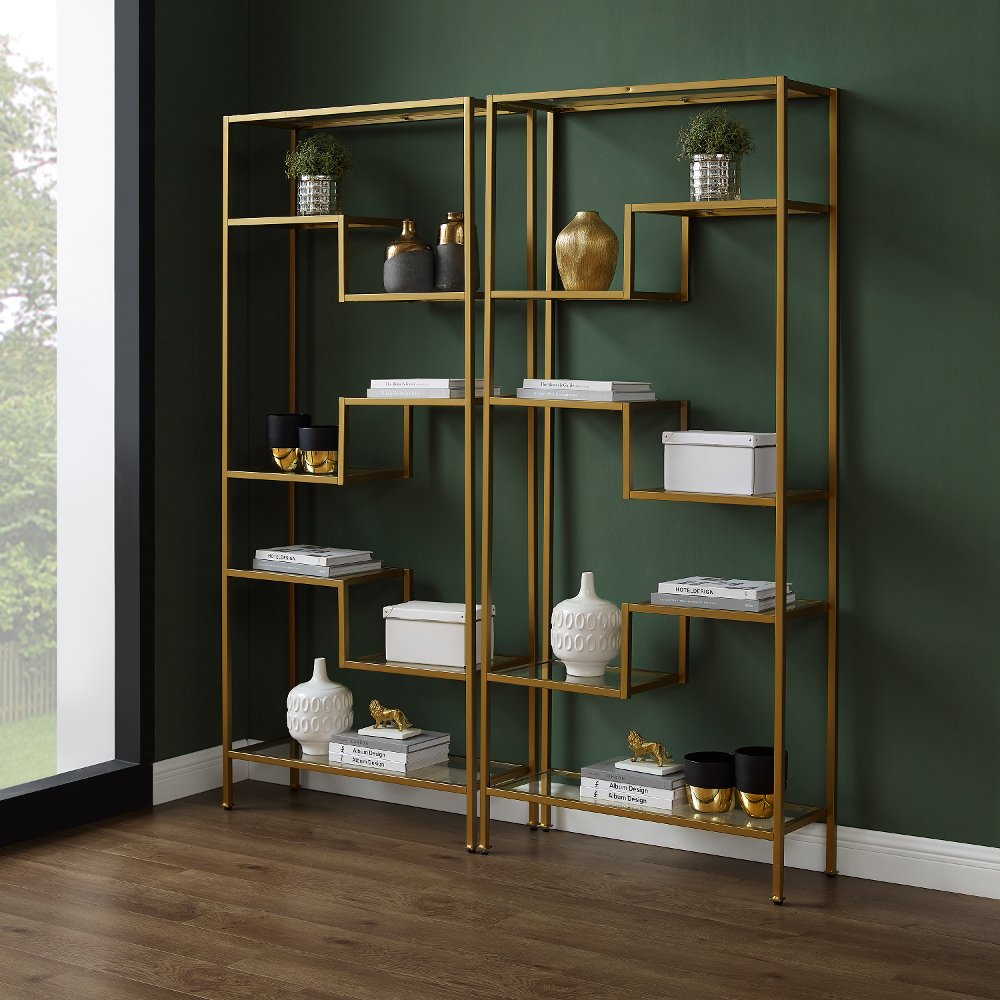
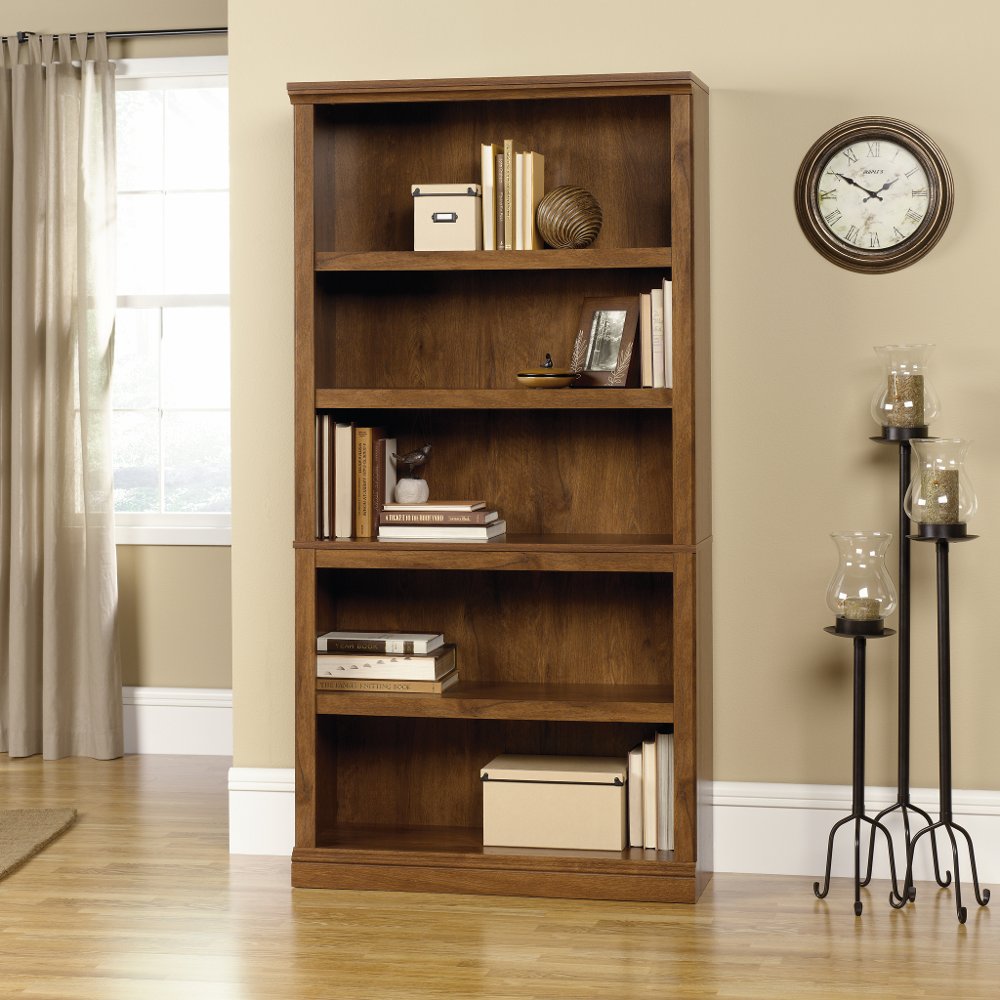
Bookcase cabinets combine shelving with enclosed storage, giving you a place to display books and favorite objects while keeping everyday supplies behind doors or inside drawers. Often called storage bookcases, these pieces bring the display space of a traditional bookcase together with the practical storage of a cabinet. That combination works especially well in rooms that serve more than one purpose. In a living room, open shelves can hold novels, framed photographs, and a ceramic bowl, while a lower cabinet keeps board games and charging cables close at hand. In a home office, reference books stay within reach above doors that conceal paper, notebooks, and spare desk supplies. A dining area can benefit from the same arrangement, with cookbooks on display and table linens tucked below. For shared family spaces, a bookcase cabinet gives different belongings a clear home without leaving every puzzle box or craft supply in view. The balance between open and closed storage matters as much as the overall size. More open shelving suits an avid reader or someone who enjoys arranging collections; more enclosed space helps when the main goal is to simplify a busy room. Glass-front doors offer another approach, keeping books and decorative objects visible while helping limit dust buildup. Solid doors conceal their contents more fully, and drawers make smaller belongings easier to separate. Explore bookcases with doors and drawers if your space calls for both concealed compartments and easy access to loose essentials. Style also shapes how comfortably the piece fits into your home. Wood grain and paneled doors can complement traditional furnishings, while flat fronts and simple hardware work well with a clean, contemporary look. Metal framing paired with wood shelves adds an industrial touch. A finish that relates to your desk, dining table, or media furniture can help the room feel connected without requiring every surface to match.
The right fit starts with the belongings you want to store, not just the empty stretch of wall. A collection of paperbacks needs different shelf clearance than oversized art books, upright binders, or photo albums. Compare usable shelf depth and height with the largest objects you expect to keep there, and check interior cabinet dimensions rather than relying only on exterior measurements. Adjustable shelves let you change the spacing as your collection grows, while fixed shelves provide a consistent layout. Both can work well when their construction and weight ratings suit the load. Books are heavy, so pay attention to the stated capacity of each shelf and the cabinet as a whole. Long, unsupported shelves may be more prone to bowing under a dense row of hardcovers; shelf thickness, material, span, and support all affect performance. Material choice also influences appearance and everyday care. Solid wood offers natural grain variation and a substantial feel, although it still needs protection from moisture and rough handling. Wood veneer places a thin layer of real wood over a supporting core, offering a genuine wood surface whose durability depends partly on the underlying construction and finish. Engineered wood with a laminate surface can provide a consistent appearance and straightforward cleaning, but edges and joints still deserve attention. Metal components can add support or visual contrast, depending on the design. Beyond materials, look at how the shelves attach, how the back panel is secured, and whether doors and drawers are designed to operate smoothly. Measure the footprint, then allow room for doors to swing and drawers to extend without interfering with a chair or walkway. Tall, narrow bookcase cabinets make use of vertical space, while wider designs spread storage across a wall. Check baseboards, nearby outlets, delivery pathways, and any assembly requirements, too. Those details help a piece settle into the room as comfortably as it appears to fit on paper.
Once a bookcase cabinet is in place, thoughtful organization makes it easier to enjoy every day. Keep frequently used books and supplies at a comfortable reaching height, and place heavier belongings on lower shelves within the manufacturer's load limits. Give each enclosed section a purpose: one compartment for games, another for craft materials, or a drawer for stationery. Small containers can keep loose supplies together, provided they fit without crowding hinges or drawer slides. On open shelves, a mix of upright books, a short horizontal stack, and a few meaningful objects can look personal without feeling crowded. Leaving some space around a framed photograph or a piece of pottery lets its shape stand out and makes dusting easier. For students and people who work from home, separating work materials from decorative objects can make the same cabinet useful during the day and visually calm afterward. In a child's room or shared play area, accessible lower storage can encourage cleanup, but furniture safety comes first. Follow the manufacturer's anchoring instructions, use hardware appropriate for the wall, and keep tempting objects off high shelves where children might try to climb to reach them. Cabinet doors alone don't make a compartment secure, so sensitive documents, medication, and hazardous supplies need appropriate separate protection. Regular care helps preserve both the finish and the moving parts. Dust with a soft cloth, follow the care instructions for the specific surface, and wipe up spills promptly rather than letting moisture collect along shelf edges or door seams. Apply an approved cleaner to a cloth instead of spraying it directly onto the furniture, and avoid abrasive pads that can scratch finishes or glass. Check shelf supports, hinges, and assembly fasteners periodically, tightening or adjusting them only as directed. With suitable dimensions, dependable construction, and storage arranged around your routines, a bookcase cabinet can support a growing library, a productive workspace, or a more organized family room while keeping the things you love part of the view.
Read More