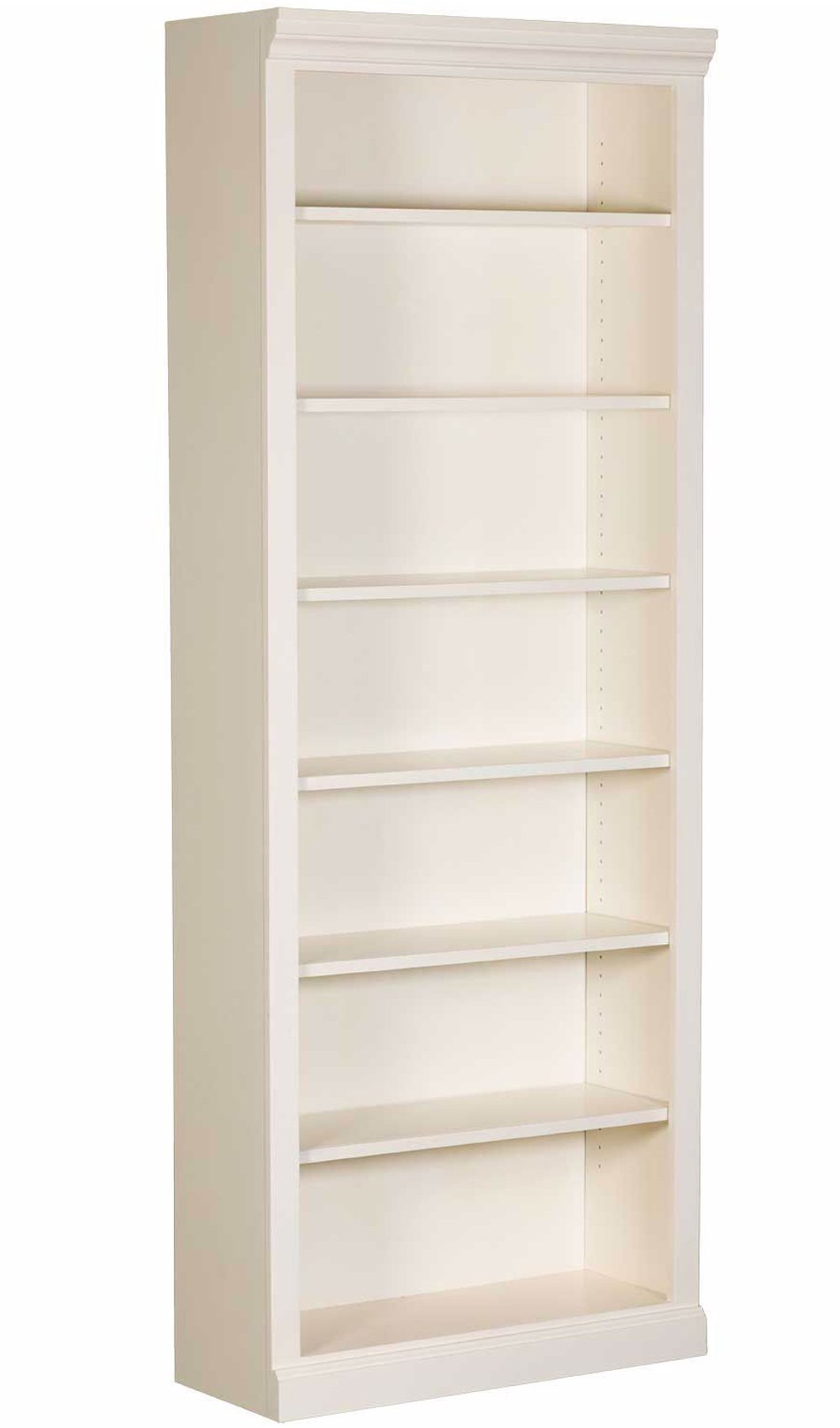
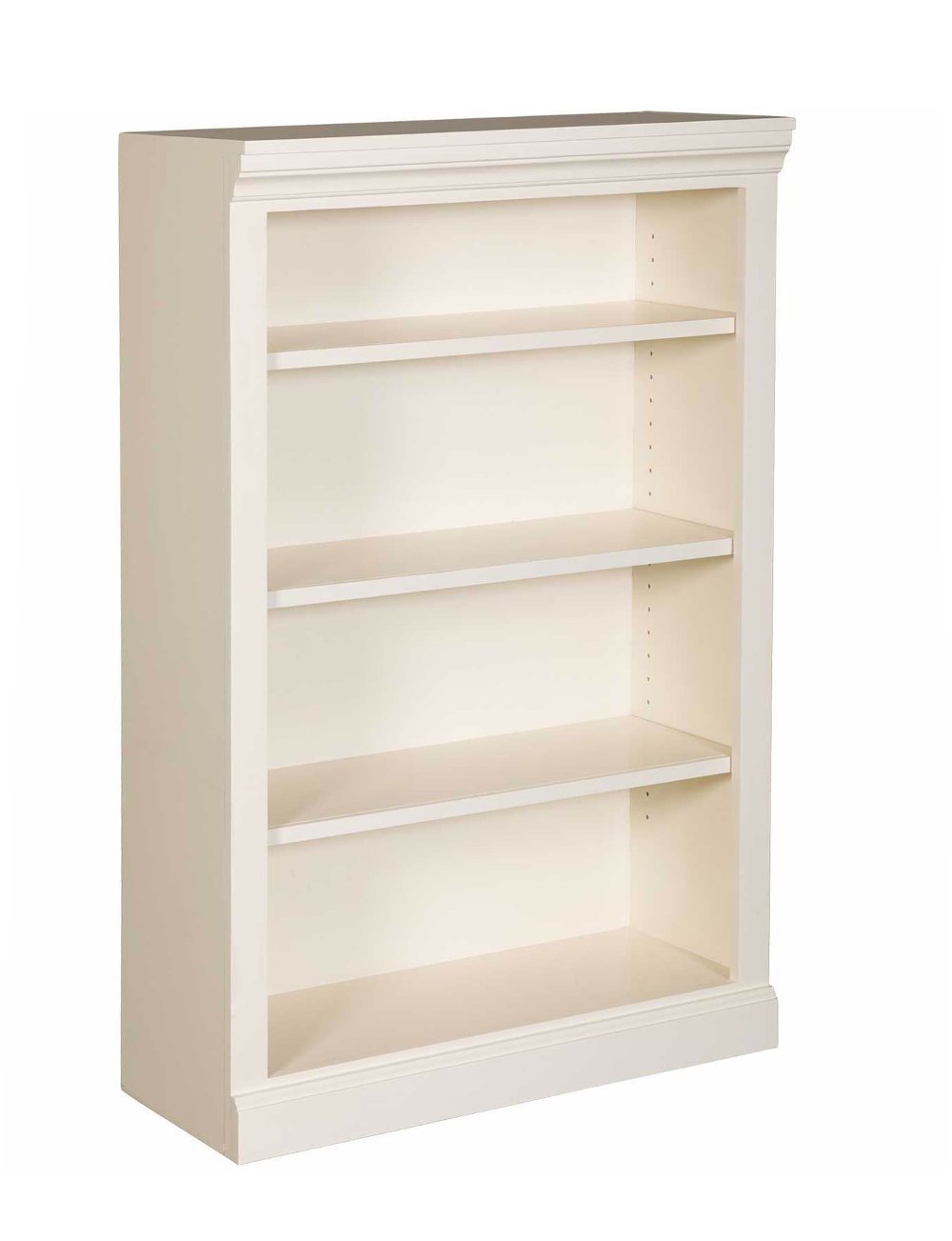
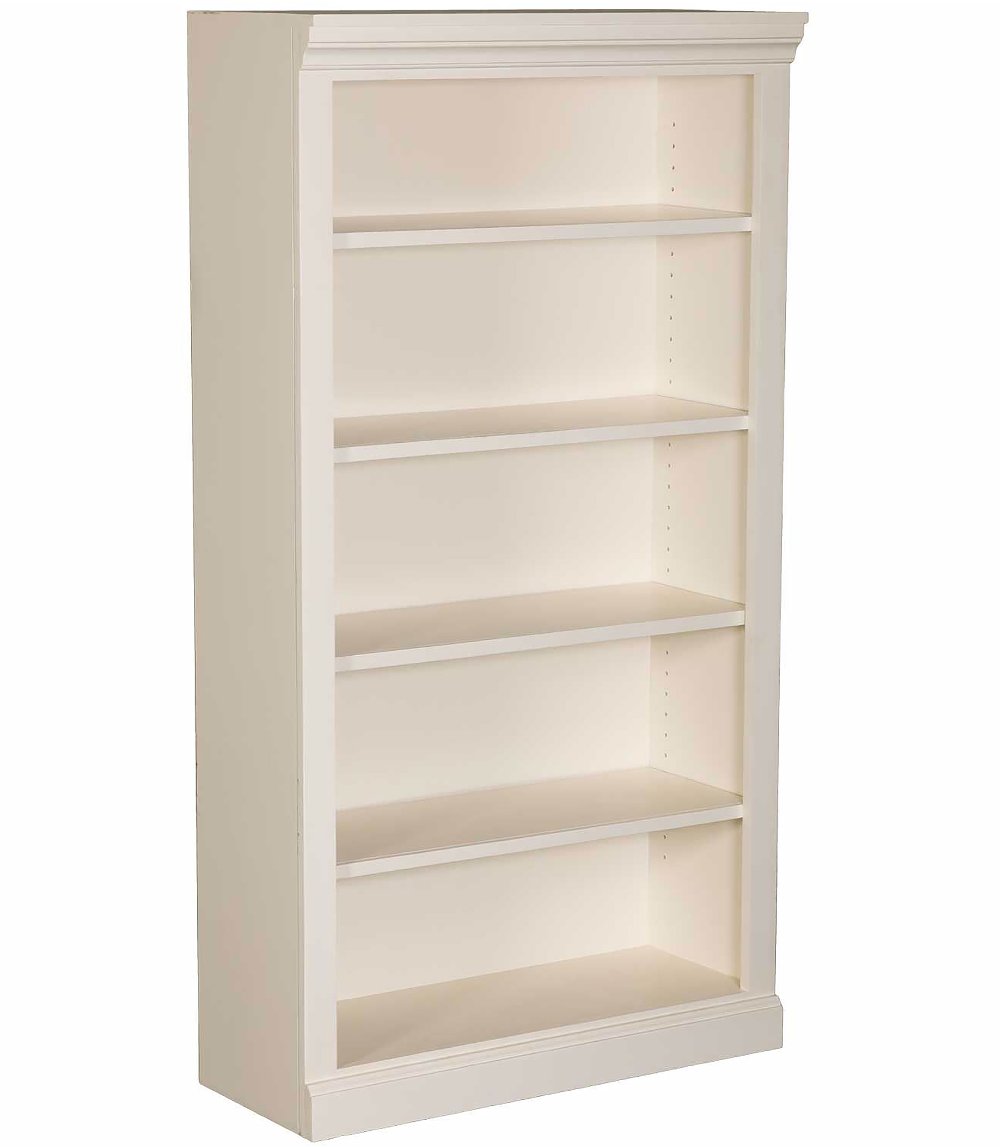
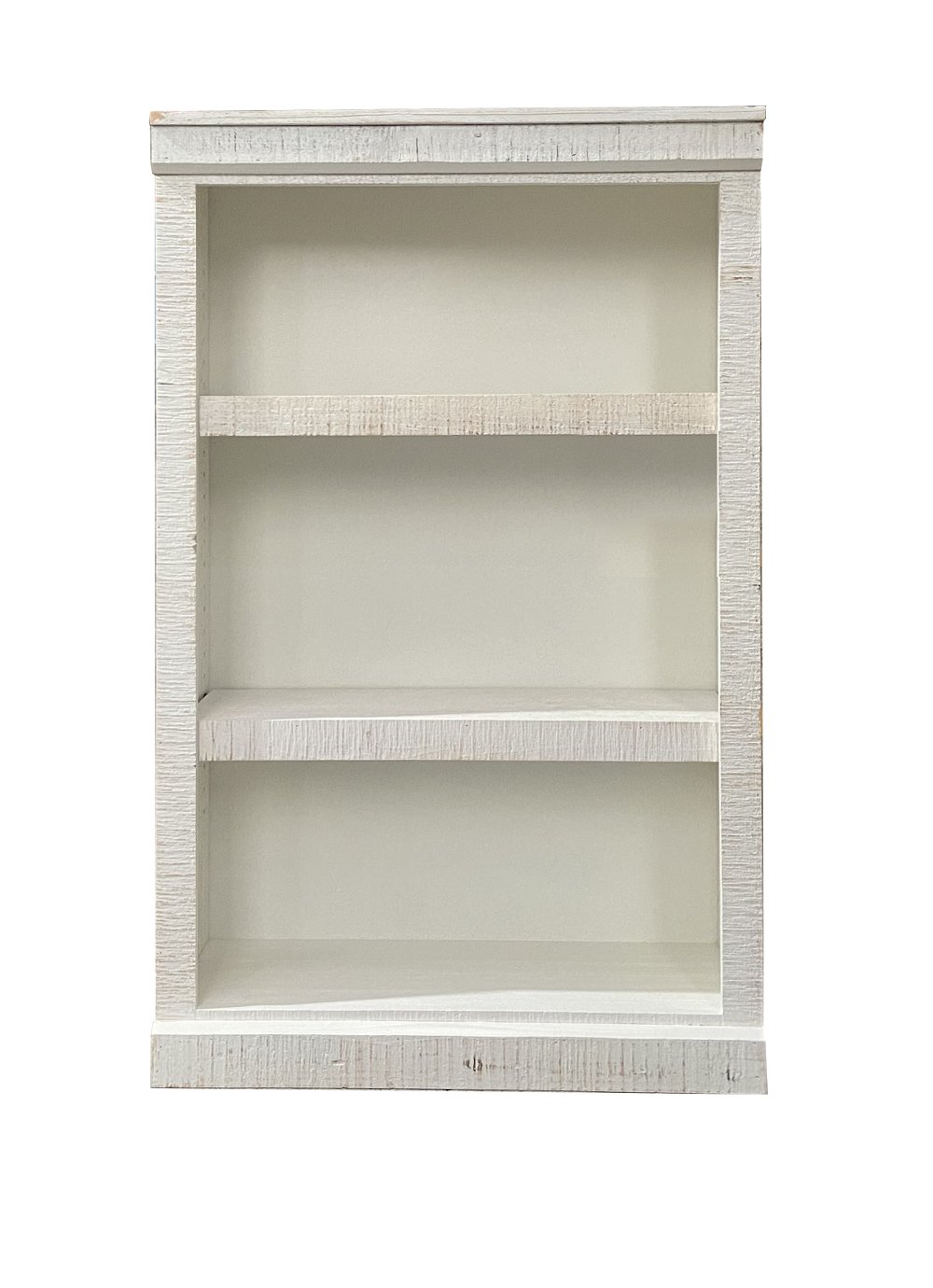
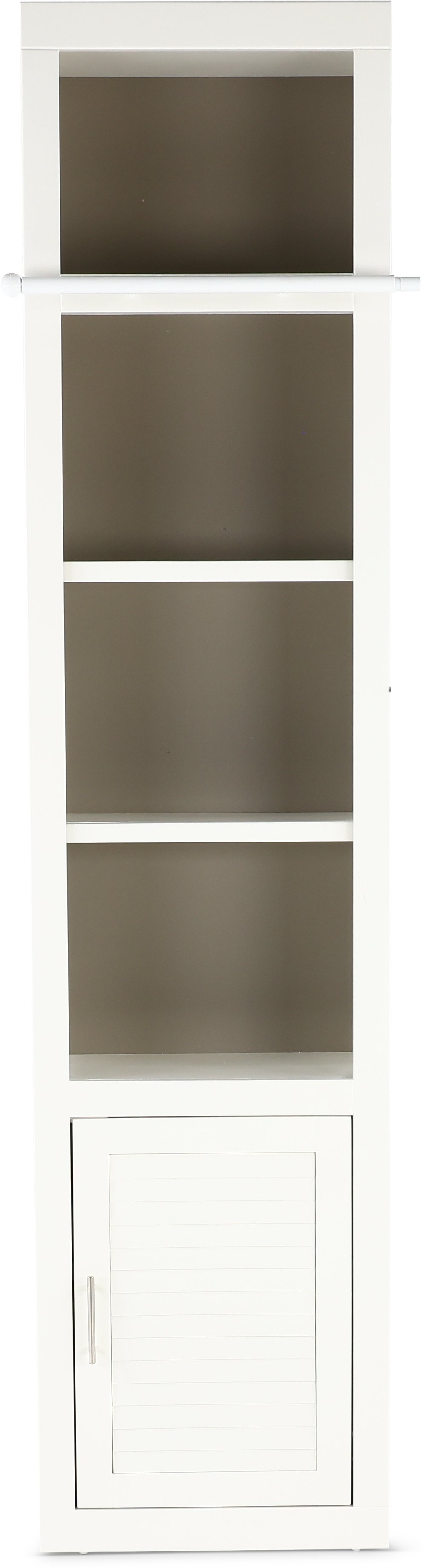
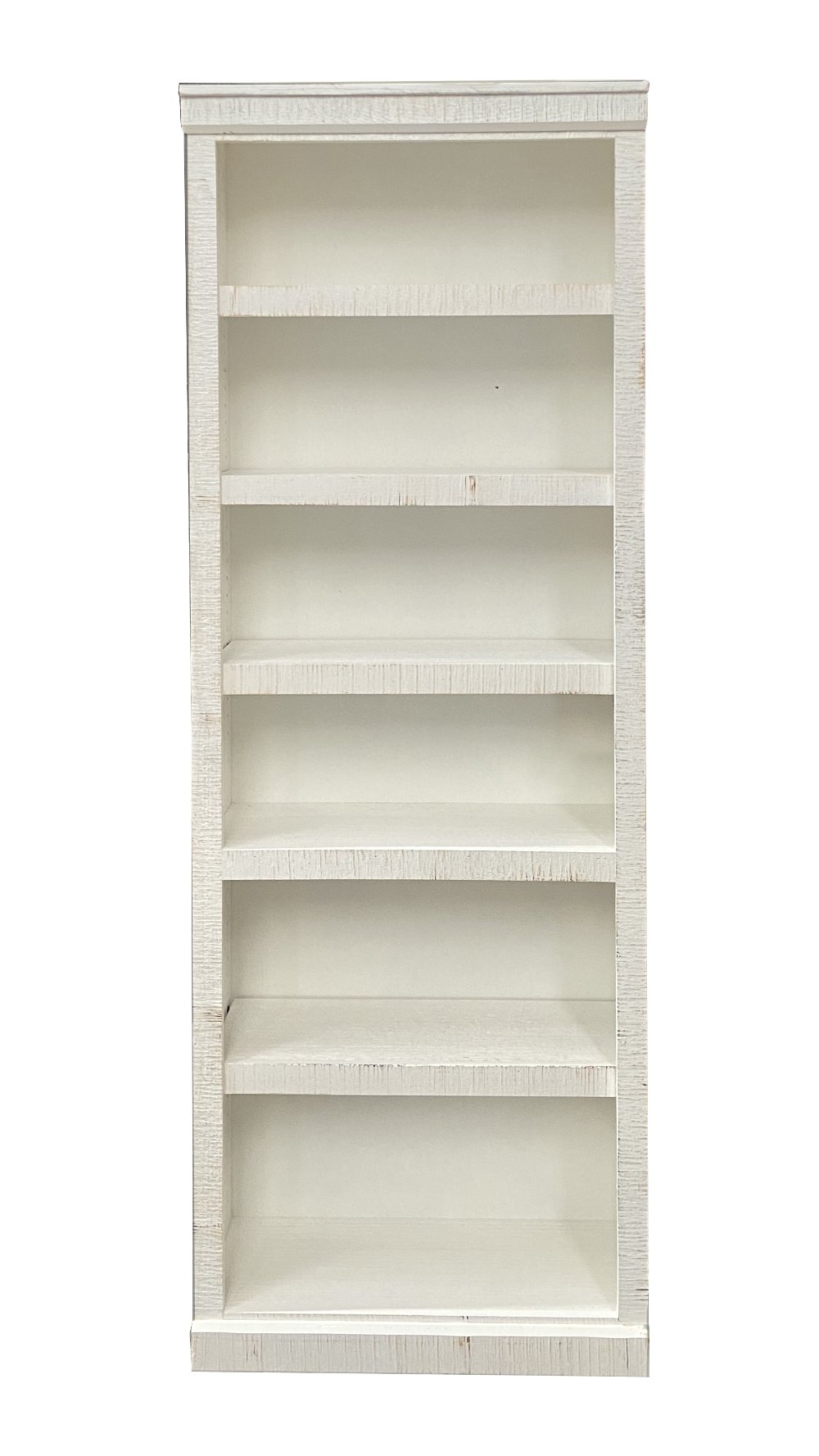
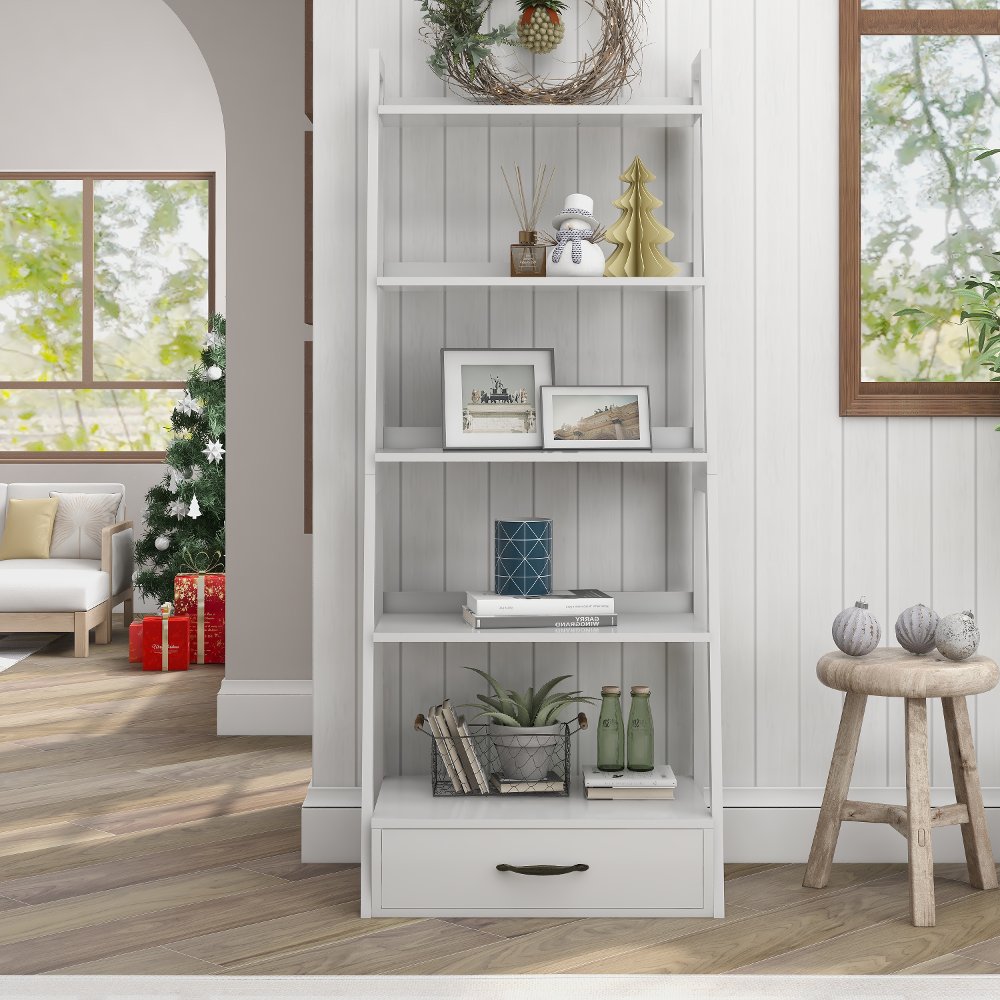
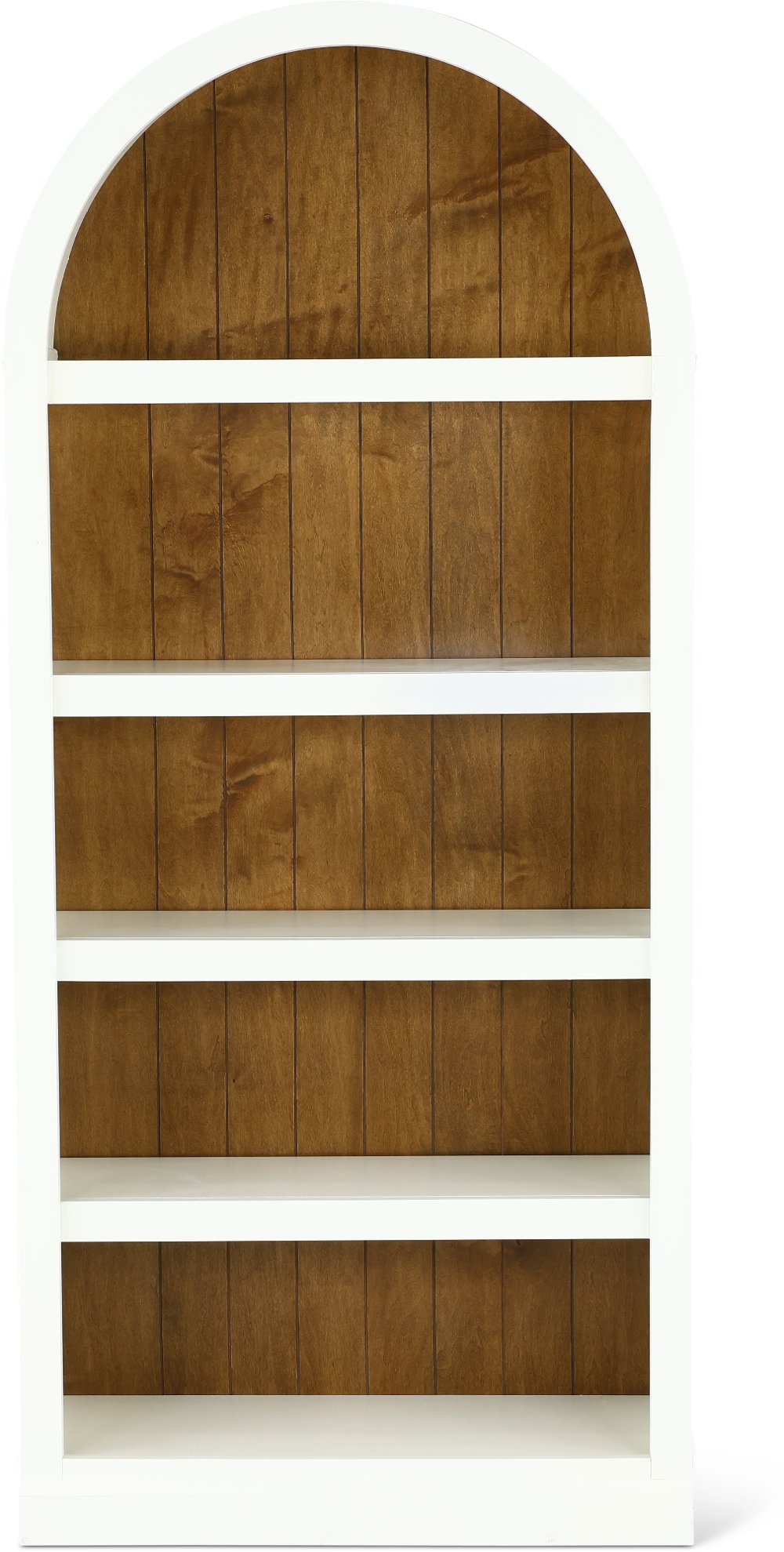
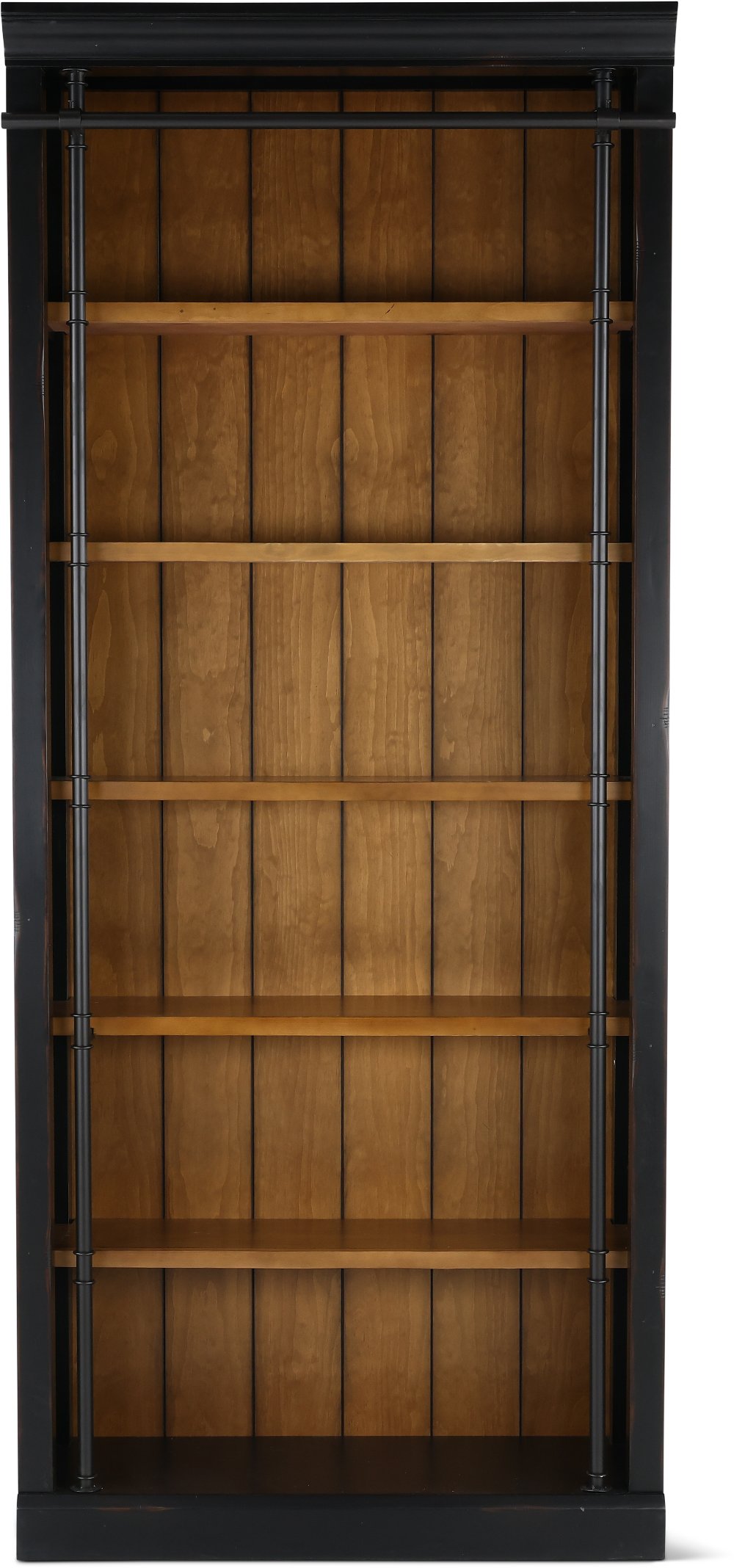
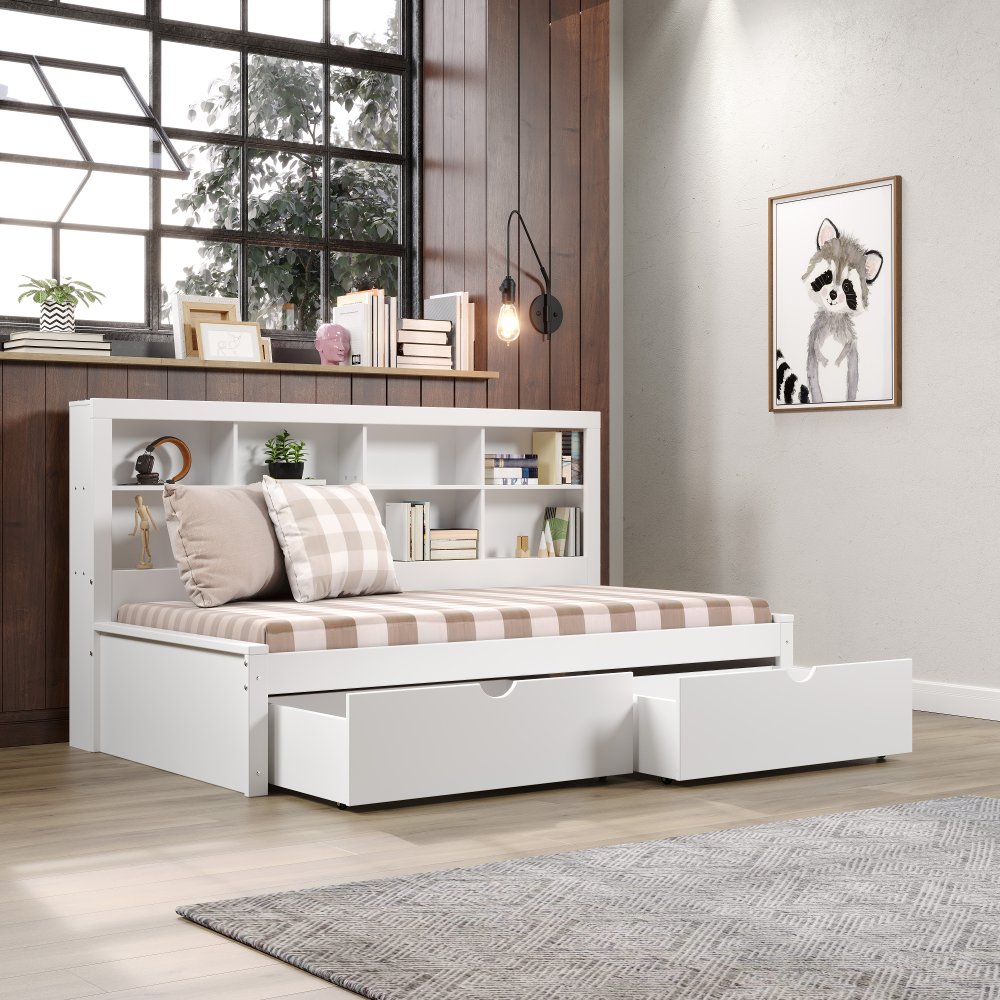
White bookcase cabinets give your favorite books a place to land while keeping everyday clutter tucked out of sight. The combination of display shelves and enclosed storage works especially well in rooms that do more than one job: a living room that doubles as a homework spot, a guest room with a small desk, or a dining area where serving pieces share space with cookbooks. Open shelves let you see and reach the things you enjoy, while cabinet doors can conceal board games, extra chargers, paperwork, and other essentials that don’t need to become part of the decor. A white finish provides a light backdrop for colorful book spines, framed photos, woven baskets, and pottery without making the cabinet the loudest feature in the room. The shade matters, though. A warm white can sit comfortably beside oak floors and cream upholstery, while a cooler white may pair more naturally with gray accents or black hardware. Looking at the finish alongside your existing trim and furniture helps create a room that feels coordinated rather than almost matched. Shape and detailing also influence the overall look. Simple doors and straight lines suit streamlined spaces, while framed doors, decorative molding, and shaped bases bring a more traditional feel. Glass-front sections can keep a collection visible, although glass still needs regular cleaning and doesn’t hide what’s inside. Solid doors offer more visual breathing room when your storage needs include a mix of practical odds and ends. In a home office, a white bookcase cabinet can give binders and reference books a dedicated place without leaving the entire room looking like a workspace. In a living room, it can balance upholstered seating with useful vertical storage. For readers, collectors, students, and busy households, the appeal is straightforward: room for the things you want to show, plus a little privacy for the things you’d rather put away.
A good fit depends on more than finding an open stretch of wall. Width, height, and depth all affect how a white bookcase cabinet works in your room, and the space needed to open its doors deserves attention, too. A cabinet that fits neatly beside a sofa may still feel awkward if a door swings into the side table or interrupts the route to another room. Baseboards, nearby outlets, window trim, and floor vents can influence placement, so consider those details along with the furniture’s overall measurements. Shelf dimensions matter just as much as the exterior size. Standard novels, oversized art books, storage baskets, and tall binders each need different amounts of space. Adjustable shelves offer flexibility as your collection changes, while fixed shelves keep a consistent arrangement and may contribute to the cabinet’s structure. Check the stated weight capacity for each shelf and the cabinet as a whole; a row of hardcover books can be heavier than it looks. Materials and construction affect both appearance and everyday durability. Solid wood can bring distinctive grain and may respond to changes in indoor humidity. Wood veneer provides a real wood surface over a supporting core, while engineered wood can offer a smooth base for painted or laminated finishes. None of those material names alone tells the whole story. Shelf thickness, joinery, backing, hardware, and the quality of the finish all play a role in how a cabinet holds up. In a busy household, doors that sit evenly, dependable hinges, and a surface suited to regular cleaning can make daily use more comfortable. Painted finishes may show chips or scuffs, while wrapped or laminated surfaces need care around edges and seams. White can also make dark rub marks easier to notice, especially near handles and lower corners. If the cabinet will sit in a child’s bedroom or playroom, choose accessible storage for everyday belongings and follow the manufacturer’s anchoring instructions. Secure furniture as directed, keep heavier contents lower, and avoid arrangements that encourage climbing. Those practical details help turn an attractive piece into dependable storage.
The most useful arrangement leaves space for both your belongings and the way you actually use them. In a reading corner, frequently reached-for books belong on comfortable, accessible shelves, with a small collection of photos or decorative objects nearby. In a shared family room, matching baskets can gather puzzle pieces, remote controls, and craft supplies, provided their dimensions work with the shelf openings. Enclosed compartments can hold less attractive necessities, but checking the usable interior space helps prevent a cabinet from becoming a catchall that’s difficult to navigate. A few upright books, a short horizontal stack, and one meaningful object can give an open shelf character without crowding every inch. Leaving some space around those groupings also makes dusting easier. If you’re furnishing an apartment or setting up a first home, a cabinet that serves several purposes can remain useful as rooms and routines change. It might begin beside a desk and later hold family albums, games, or dining linens. For a wider look at finishes and configurations, browse Bookcase Cabinets and consider how open display and closed storage fit your space. Everyday care helps preserve the white finish you chose. Dust with a soft cloth, follow the manufacturer’s cleaning recommendations, and use only cleaning products appropriate for the surface. When damp cleaning is permitted, keep moisture limited and dry the surface afterward, especially along seams and door edges. Abrasive pads and harsh cleaners can damage some finishes, so a gentle approach is a better starting point. Protect shelves from wet plant pots, leaking containers, and rough-bottomed decorative pieces with suitable trays or pads. Direct sunlight may change the color of some finishes over time, which is worth considering when choosing placement. With the right proportions, thoughtful construction, and storage that matches your routine, a white bookcase cabinet can make a room feel more settled while keeping the books and belongings that matter close at hand.
Read More