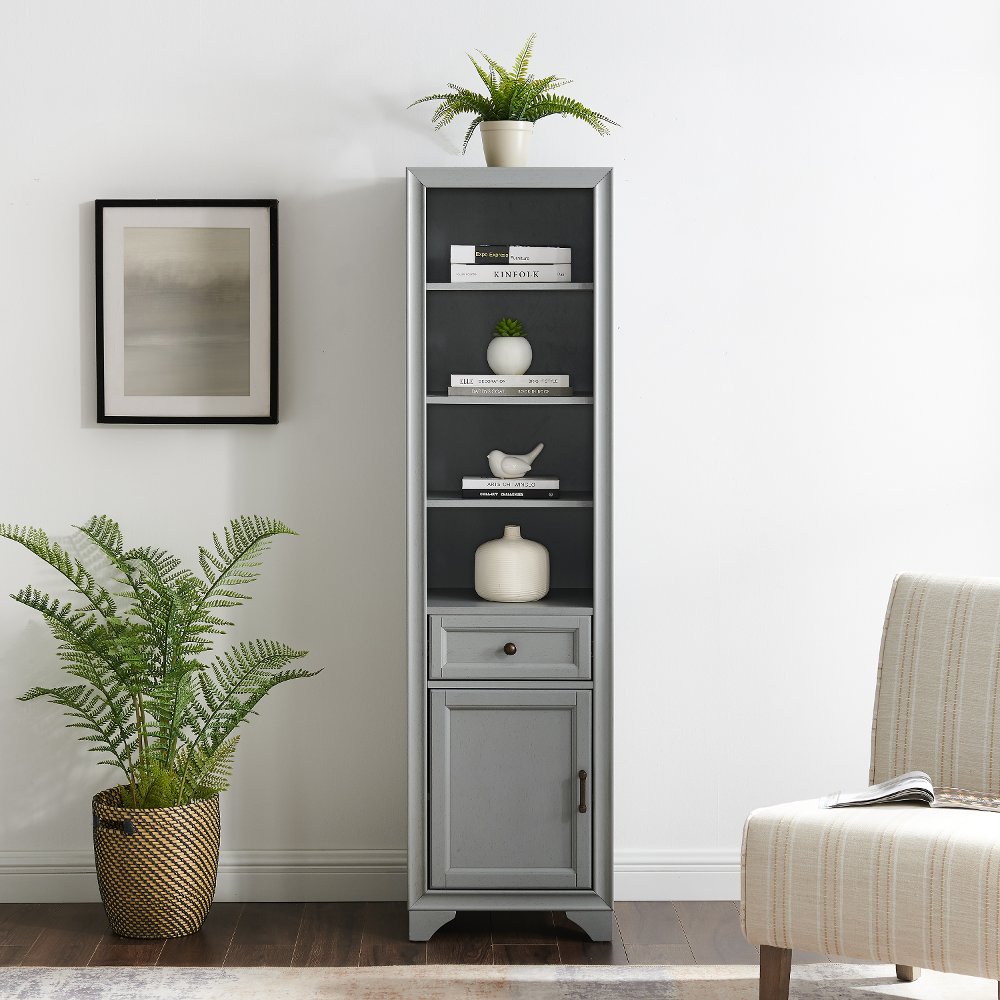
Bronze hardware includes knobs, pulls, hinges, and other fittings made from bronze or finished to resemble it. Its warm brown coloring adds depth to furniture and cabinetry, with finishes ranging from soft, muted brown to deep chocolate and nearly black. Some versions have coppery highlights along the edges, while others maintain a more uniform color. Matte and lightly textured bronze finishes can make fingerprints less noticeable than highly polished metal, although their appearance and durability depend on the material, coating, and everyday use. On a cabinet door or dresser drawer, bronze hardware creates a small but meaningful contrast: a dark pull gives pale oak a defined outline, while a brown knob blends gently into walnut. Against painted white or cream furniture, the same finish adds warmth without the bright reflection of polished chrome. Bronze also works well with muted green, navy, charcoal, and other substantial colors, especially when the room includes natural wood or woven textures. The shape of the hardware helps determine the overall character. Rounded knobs and curved pulls can support a traditional look, while straight bar pulls and simple rectangular fittings feel more streamlined. An aged finish with subtle variations can complement rustic furniture, but bronze isn’t limited to that style. A smooth, understated pull can look equally comfortable on a clean-lined storage cabinet in a contemporary room. Furniture with bronze hardware offers a way to carry warm metal accents into bedrooms, dining areas, entryways, and living spaces without making the hardware the main attraction. The contrast is particularly useful on larger pieces, where repeated drawer pulls can bring visual order to a broad front. Whether the goal is a coordinated room or a single piece that settles naturally among existing furnishings, bronze provides a grounded accent that lets the wood grain, paint color, and furniture silhouette remain part of the story.
The best fit involves more than choosing a shade of brown. Hardware is a contact point between you and the furniture, so its size, placement, and shape affect how comfortably a door or drawer opens. A generously sized pull can be easier to grasp on a wide dresser drawer than a small knob, especially when the drawer holds heavier clothing or linens. An open handle with enough space behind it may suit someone who prefers a full-hand grip, while smooth edges help make frequently used storage more comfortable. In a busy entryway, a pull should offer a secure grip without projecting so far that it catches a bag strap or coat. On furniture near a walkway, the depth of the handle matters just as much as its appearance from the front. Closely spaced cabinet doors also need enough clearance for neighboring knobs or pulls to work without touching. For replacement bronze cabinet hardware, the distance between mounting holes is a key measurement; the overall length of a handle doesn’t tell you whether it will fit existing holes. A typical single-hole knob offers more flexibility in shape, but its base still needs to sit properly against the drawer or door. The thickness of that surface affects the required screw length, and a new fitting may not cover marks left by the previous one. For furniture that already includes bronze hardware, these details are part of evaluating the piece as a whole. Drawer construction, hinges, and slides do the structural work, while the visible fittings provide the grip and finishing detail. Hardware alone won’t determine how smoothly a drawer moves or how much weight it can hold. Households that use storage throughout the day may appreciate substantial handles, rounded contact surfaces, and finishes that are easy to wipe clean. Decorative knobs can be a lovely accent on occasional storage, while everyday drawers benefit from hardware that feels comfortable through repeated use.
Materials and care help explain why two bronze-colored fittings can age differently. Solid bronze is an alloy made primarily from copper and tin, and an unsealed surface can develop a patina through exposure and handling. That gradual change is different from wear on a bronze-colored coating applied to brass, zinc alloy, steel, or another base material. Plated, painted, and otherwise coated finishes have their own characteristics, so the product’s material and care information matter more than the color name alone. Oil-rubbed bronze generally describes a dark, aged-looking finish, but its composition and protective treatment vary. It shouldn’t automatically be treated like unfinished bronze or coated with household oil. For routine care, a soft cloth and the manufacturer’s recommended cleaning method are the safest starting points. When damp wiping is permitted, drying the surface afterward helps limit water spots and residue. Abrasive pads, harsh cleaners, and metal polishes can scratch a coating or remove the darker areas that give an aged finish its character. Furniture polish intended for wood may also leave buildup on nearby handles, so keeping cleaning products on the appropriate surface helps preserve both materials. In bathrooms or other moisture-prone spaces, hardware needs a finish suited to that setting; a bronze color by itself doesn’t establish corrosion resistance. Appearance also changes with the surrounding light and materials. A finish that looks brown beside warm wood may appear almost black against a pale painted cabinet, and subtle copper highlights can become more noticeable under direct light. Similar finish names don’t guarantee identical colors across different pieces. For a brighter golden accent, brass hardware cabinets offer a useful comparison when considering the balance of metal tones in a room. Bronze and brass can also share a space comfortably when each finish has a clear role, such as bronze on storage furniture and brass on lighting. With comfortable proportions, suitable materials, and thoughtful care, bronze hardware can bring a consistent, welcoming detail to the furniture you use every day.
Read More