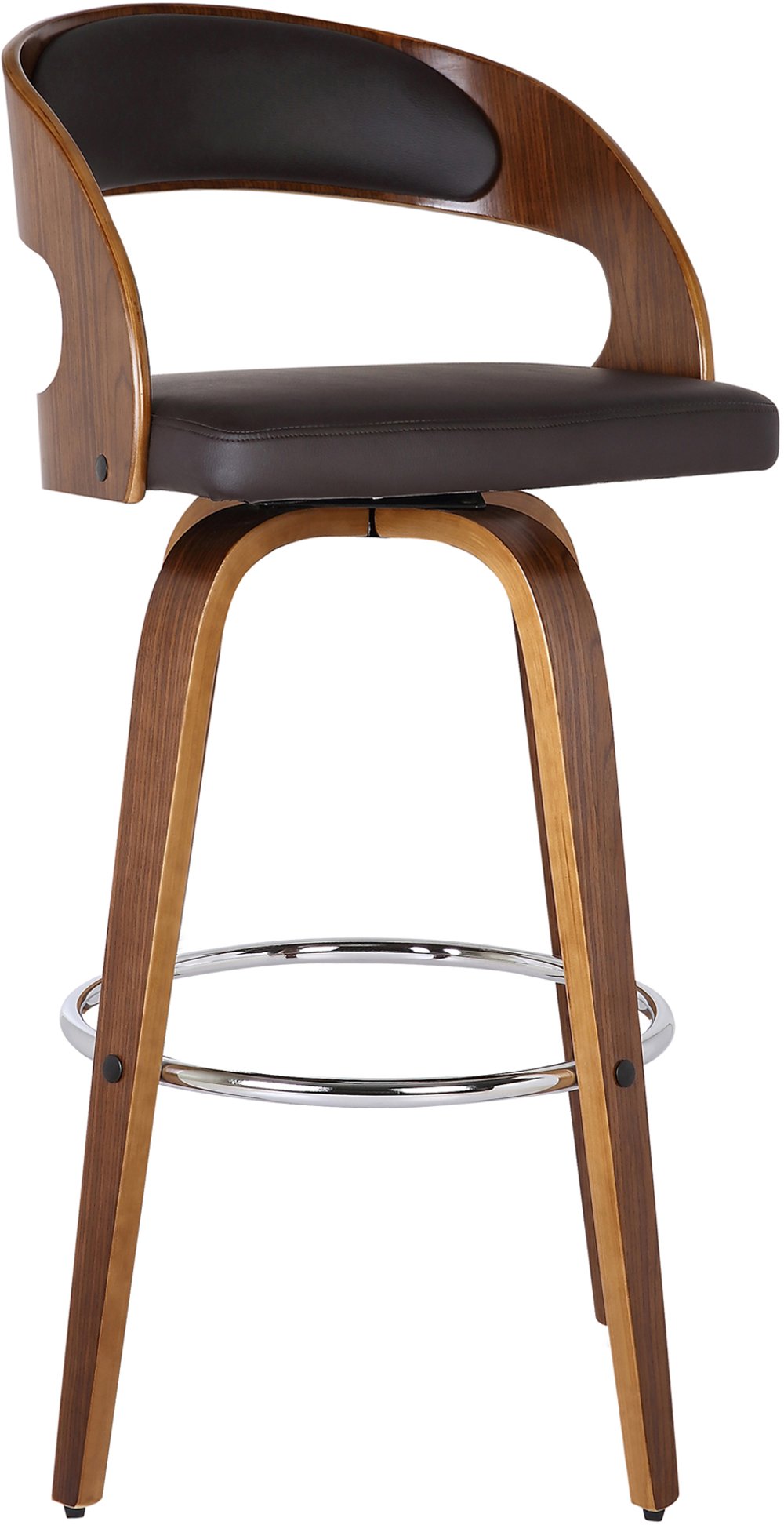
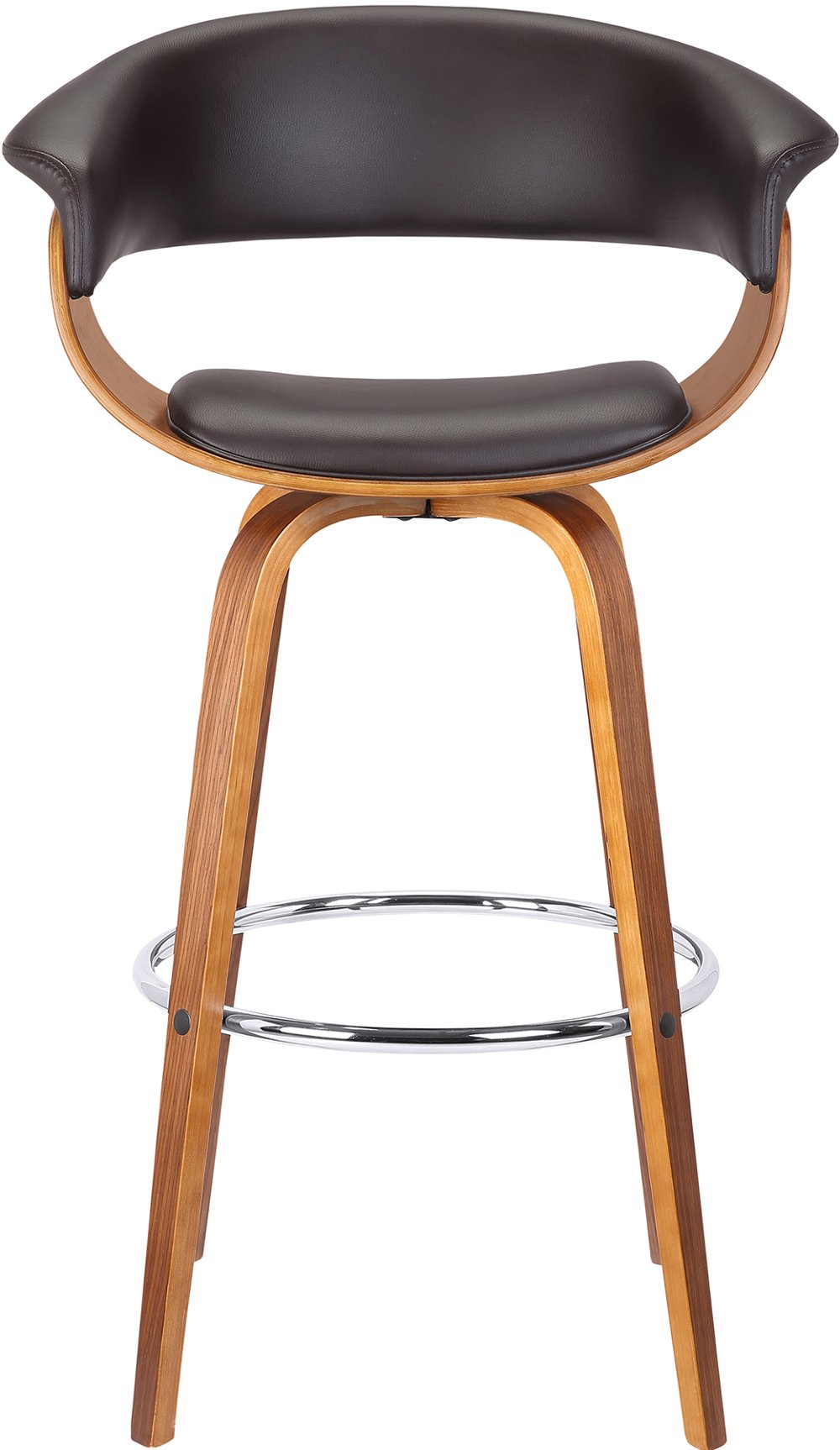
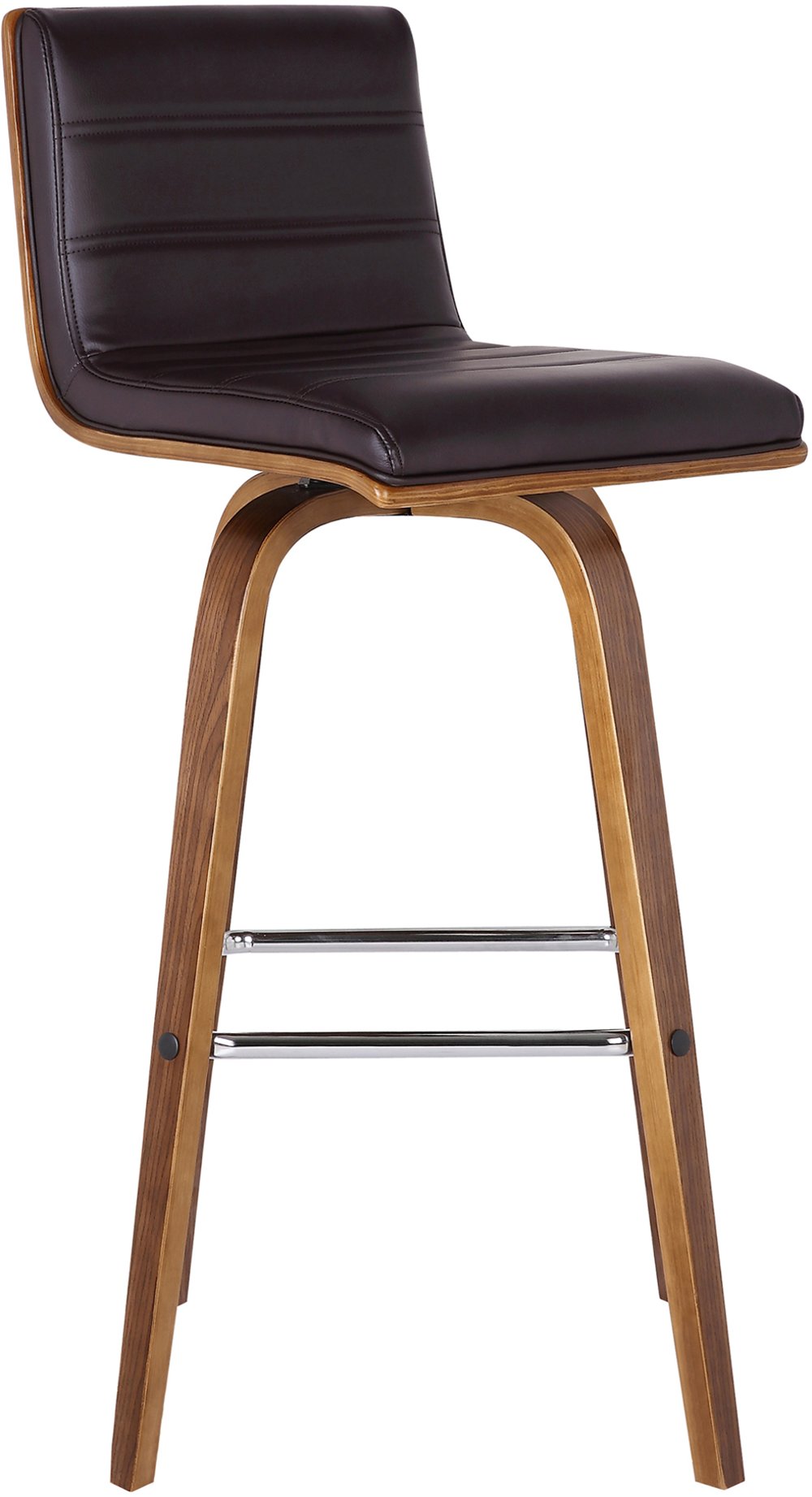
Brown counter stools with backs combine warm brown finishes or upholstery with a backrest and a seat height suited to kitchen counters. Most counter-height stools have seats about 24 to 26 inches high and work with countertops around 35 to 37 inches high, depending on the counter’s underside and the stool’s design. They bring comfortable, everyday seating to kitchen islands, breakfast counters, and counter-height dining tables, giving family and guests a place to settle in rather than just perch. Brown covers a surprisingly broad range of looks, from light caramel and honey-colored wood to chestnut, walnut, and deep espresso tones. A lighter brown seat can soften the contrast between white cabinets and a dark island, while a rich chocolate finish can echo wood flooring or nearby dining furniture. Matching every brown surface exactly isn’t necessary; coordinating warm or cool undertones often creates a more natural connection. Brown upholstery with visible grain or subtle texture adds depth without introducing a bold pattern, making it useful in kitchens where tile, stone, or cabinet details already draw attention. The frame and back shape help establish the style. Wood frames with slatted backs feel familiar and relaxed, curved upholstered backs suit a softer contemporary space, and brown seats on slim metal legs create a clean, open look. A low back can sit neatly below the countertop’s visual line, depending on the dimensions, while a taller back becomes a more noticeable part of the room. Open-back designs let more of the kitchen show through; solid upholstered backs create a more substantial presence. For an open floor plan, consider the view from the living room as well as the kitchen. The outside of the backrest, the leg finish, and even the stitching may be visible throughout the day. Those details help brown counter stools with backs feel connected to the surrounding furniture, whether the counter serves as a quick breakfast spot or the gathering place where everyone talks while dinner comes together.
A comfortable fit starts with the relationship between the seat, the counter, and the space around them. Allow roughly 10 to 12 inches between the top of the seat and the underside of the countertop for legroom, and account for any apron, support bracket, or drawer that hangs below the surface. Overall stool height matters, too, especially when a backrest needs to slide under an overhang or stay below a sightline. For a taller bar or raised eating ledge, brown bar stools with backs are generally the better match; bar-height seats commonly measure about 28 to 30 inches for surfaces around 40 to 42 inches high. Across an island, many layouts allow approximately 24 to 30 inches from the center of one stool to the next, though wide seats, arms, and swivel movement may require more room. A pair of narrow stools can feel spacious at a compact counter, while squeezing in an extra wide seat can leave elbows crowded and make getting up awkward. Space behind the stools is just as important, particularly when the kitchen opens onto a busy walkway. Seat depth, back angle, and cushioning affect how a stool feels once someone sits down. A gently curved back can offer a comfortable place to lean, while a padded seat may be welcome for a leisurely breakfast or a child’s homework session. Full backs provide more surface to lean against, but their comfort still depends on shape and proportions. Footrests give feet a place to land rather than leaving legs dangling. Arms can add support, although they also increase width and may prevent the stool from tucking beneath the counter. Swivel seats make it easier to turn toward a conversation without moving the entire stool; their clearance needs extra attention near cabinetry or neighboring seats. For family use, choose a stable design, follow the stated weight capacity, and keep children seated rather than climbing on footrests.
Materials influence both the appearance of brown counter stools with backs and the attention they need over time. Solid wood offers natural grain and variation, with stained finishes that can emphasize anything from a rustic texture to a smooth, tailored look. Wood and wood-veneer components need protection from standing moisture, and spills are best blotted promptly before the surface is dried. Metal frames contribute a different character, from slender contemporary profiles to heavier industrial shapes, while their protective finish helps determine how they should be cleaned. Upholstered stools introduce another layer of choice. Genuine leather can develop creases and character with use, though its care requirements vary by finish. Faux leather offers a similar visual effect and often allows straightforward surface cleaning, but it still benefits from gentle treatment and the manufacturer’s recommended products. Fabric seats can feel soft and inviting, and textured brown upholstery may help small marks blend into the surface; texture alone, however, doesn’t make a fabric stain-resistant. Performance claims should come from the material’s specifications rather than its appearance. In a kitchen where stools see breakfast spills, snack crumbs, and frequent visits from friends, accessible seams and easy-to-reach surfaces can make routine cleanup simpler. Vacuum fabric with an appropriate attachment, use cleaners approved for the upholstery, and test any permitted treatment in an inconspicuous area. Abrasive scrubbers, excess water, and strong household chemicals can damage finishes or coverings, so a gentle approach helps preserve their appearance. Durability also depends on construction: secure joints, a steady base, a well-supported seat, and properly installed hardware all matter in daily use. Check assembled stools periodically and tighten hardware according to the manufacturer’s instructions. Floor-appropriate glides or protective pads can help reduce scuffs as seats move in and out. With proportions that suit the counter and materials that fit the household’s routines, brown counter stools with backs can serve as dependable seating for shared meals, casual conversations, and the small pauses that happen throughout a busy day.
Read More