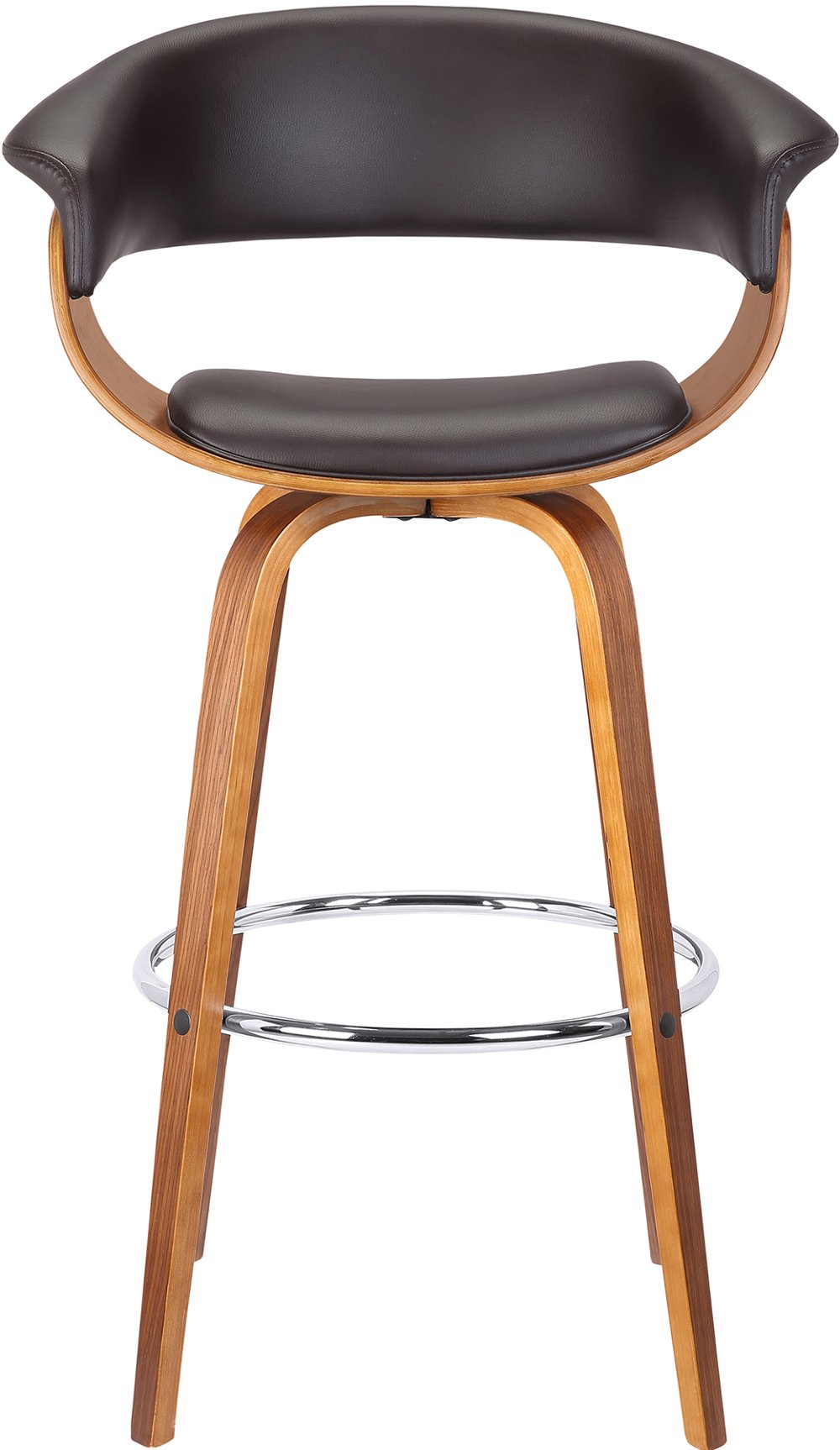
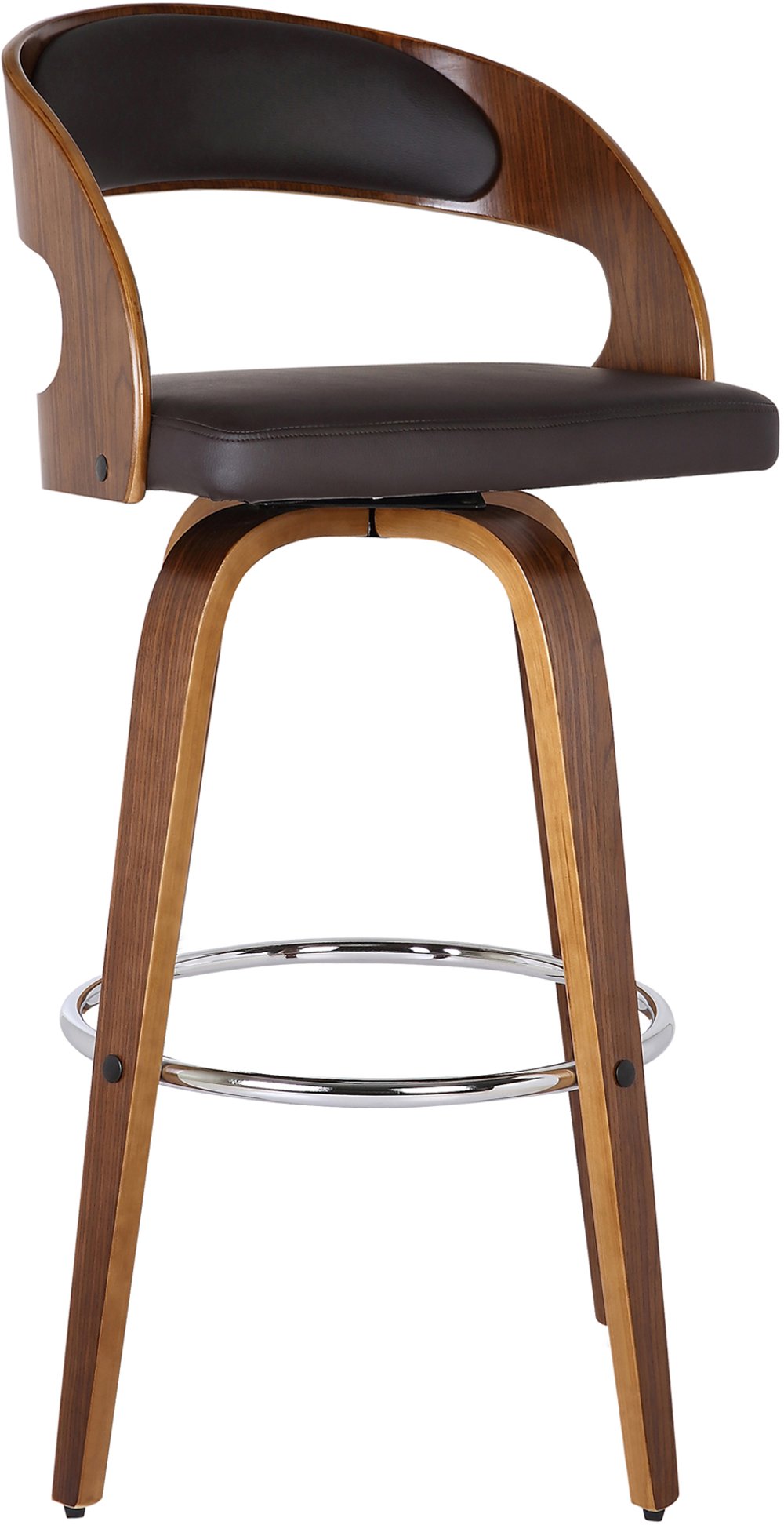
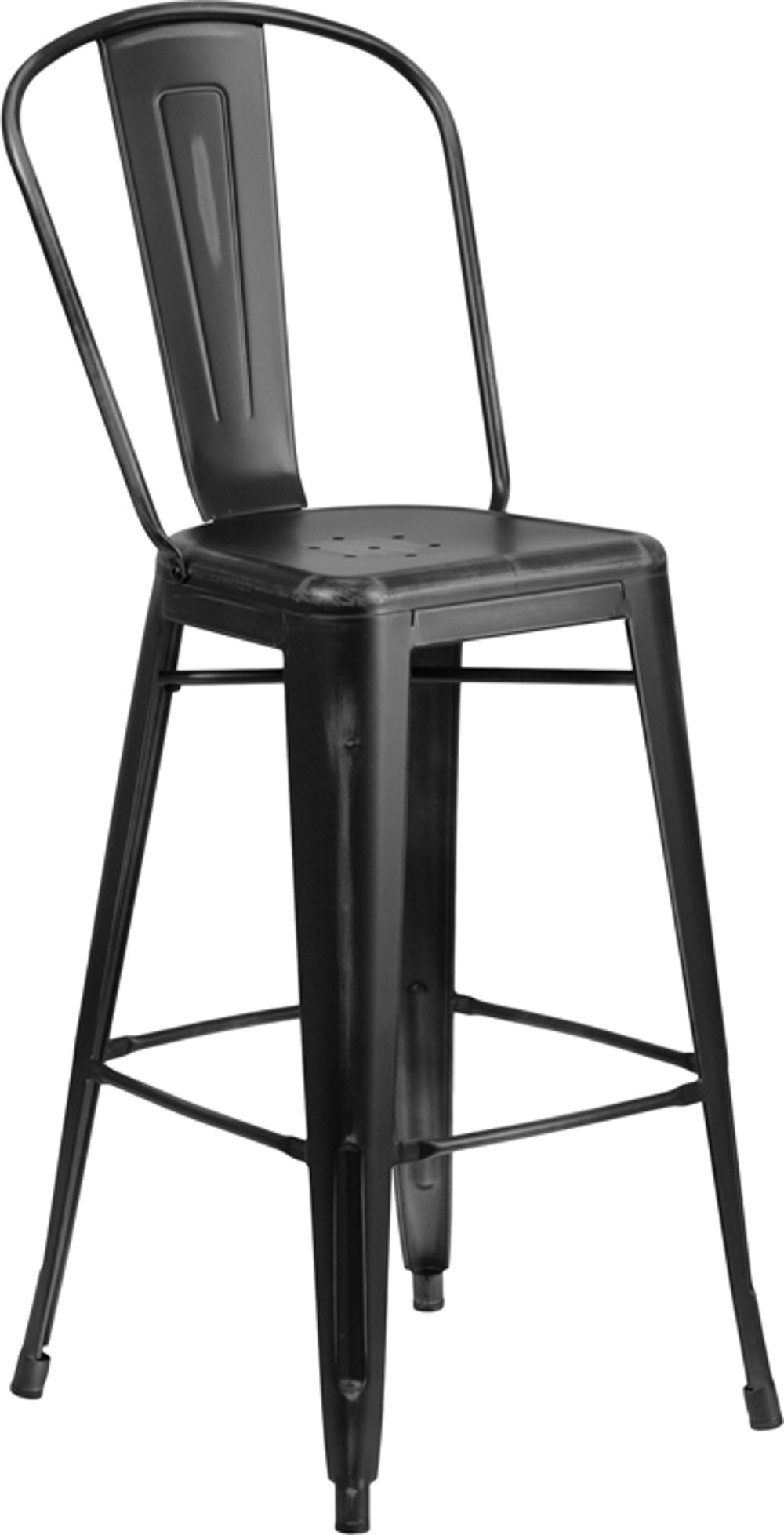
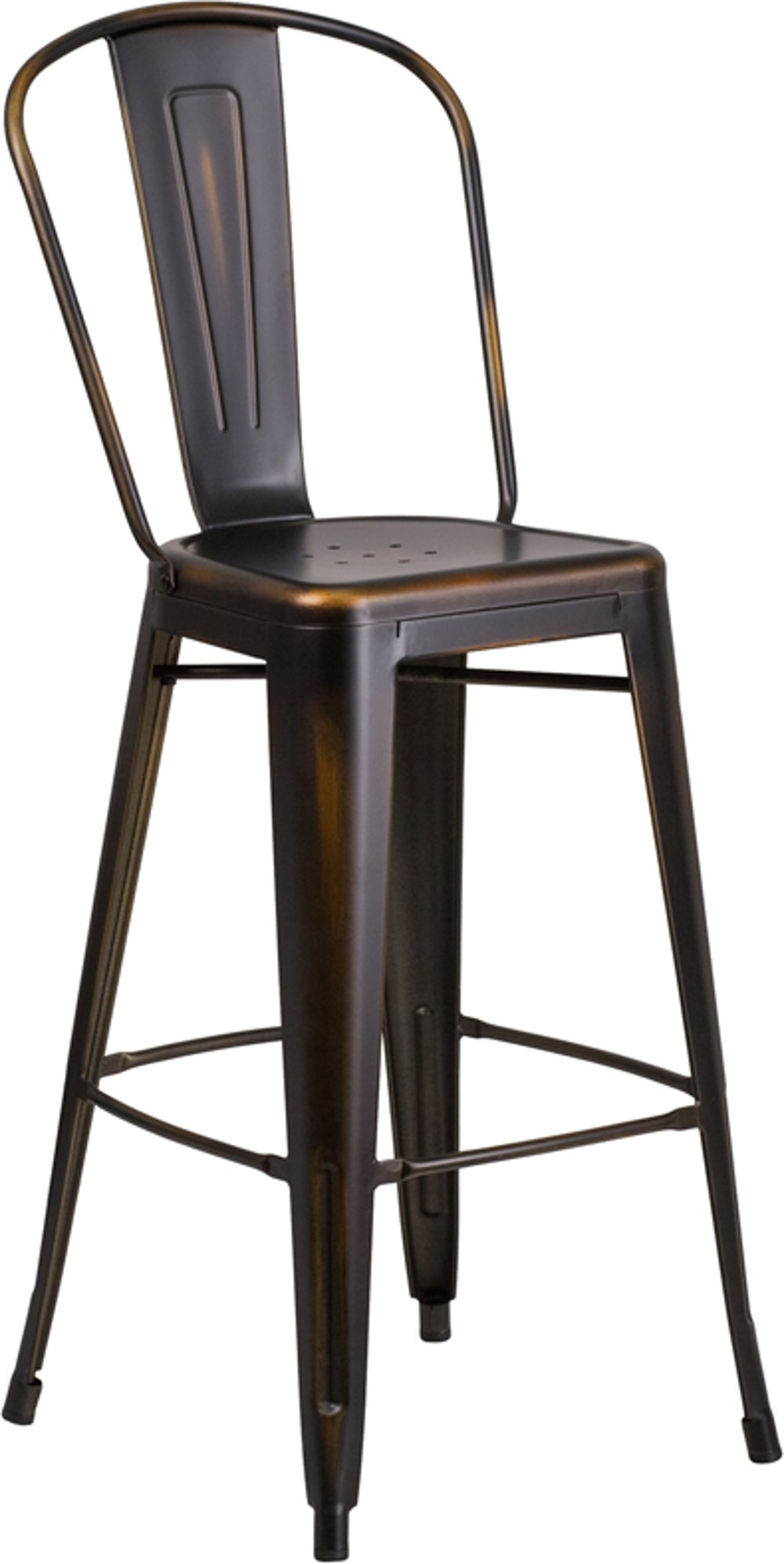
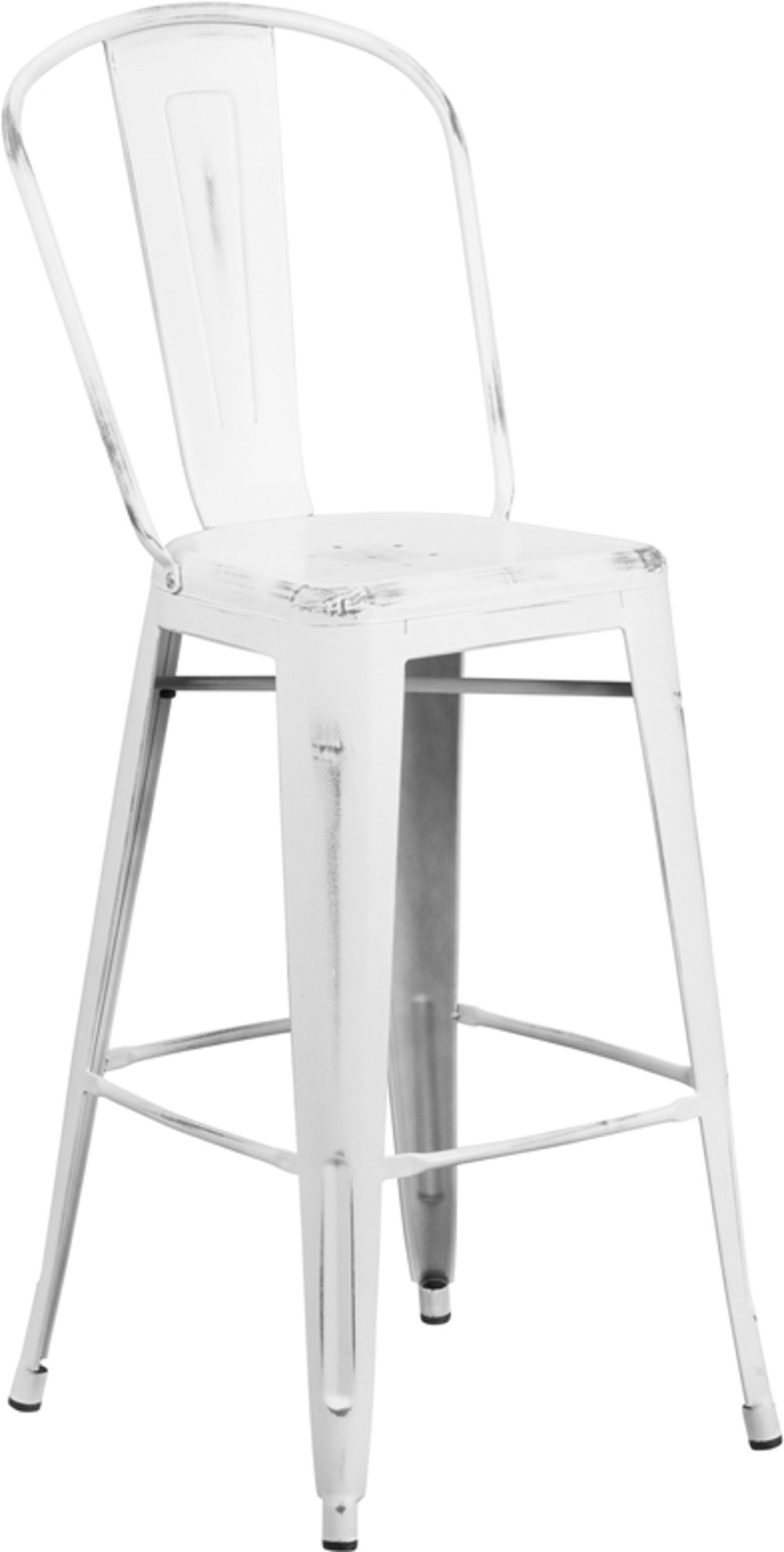
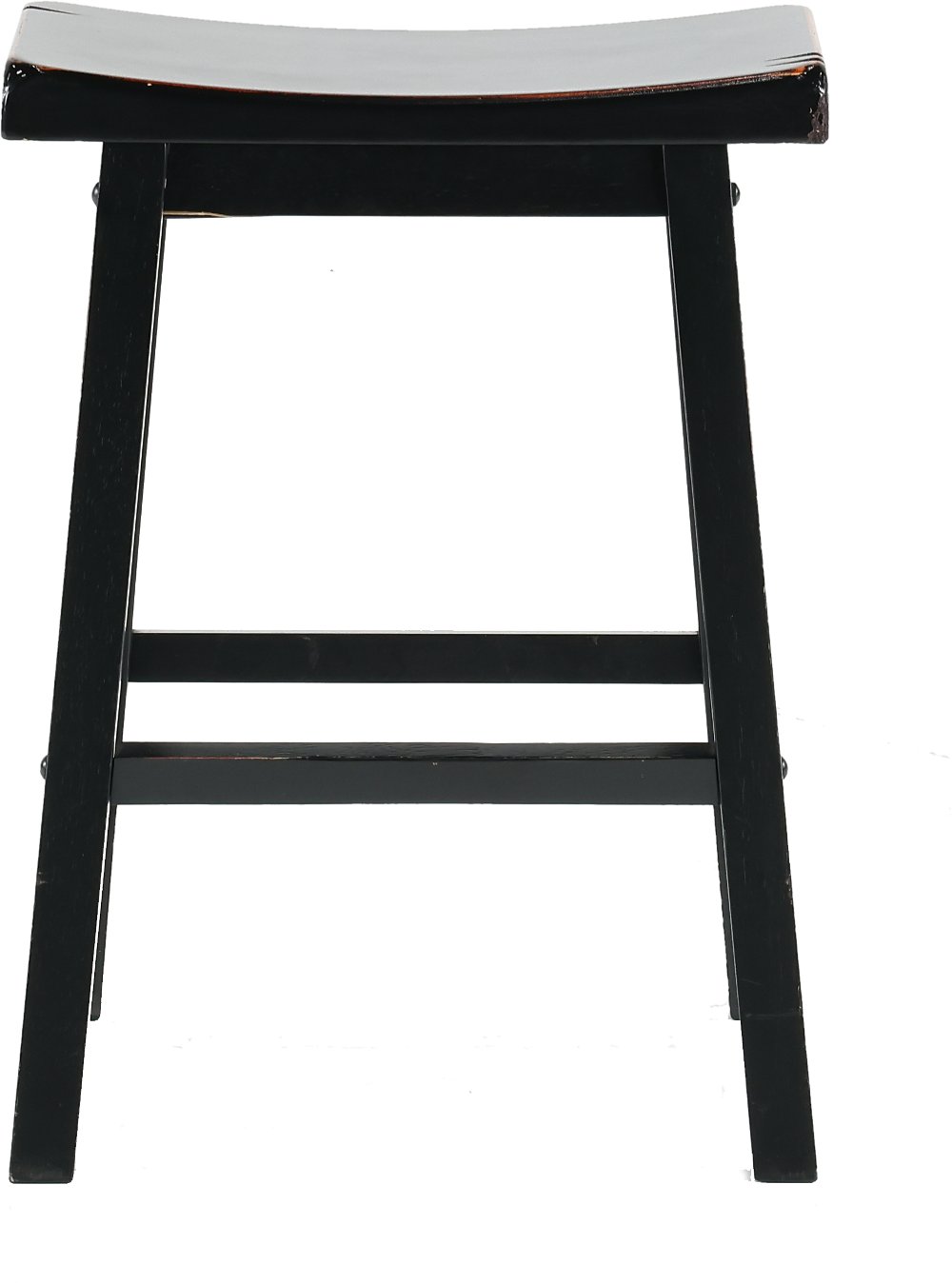
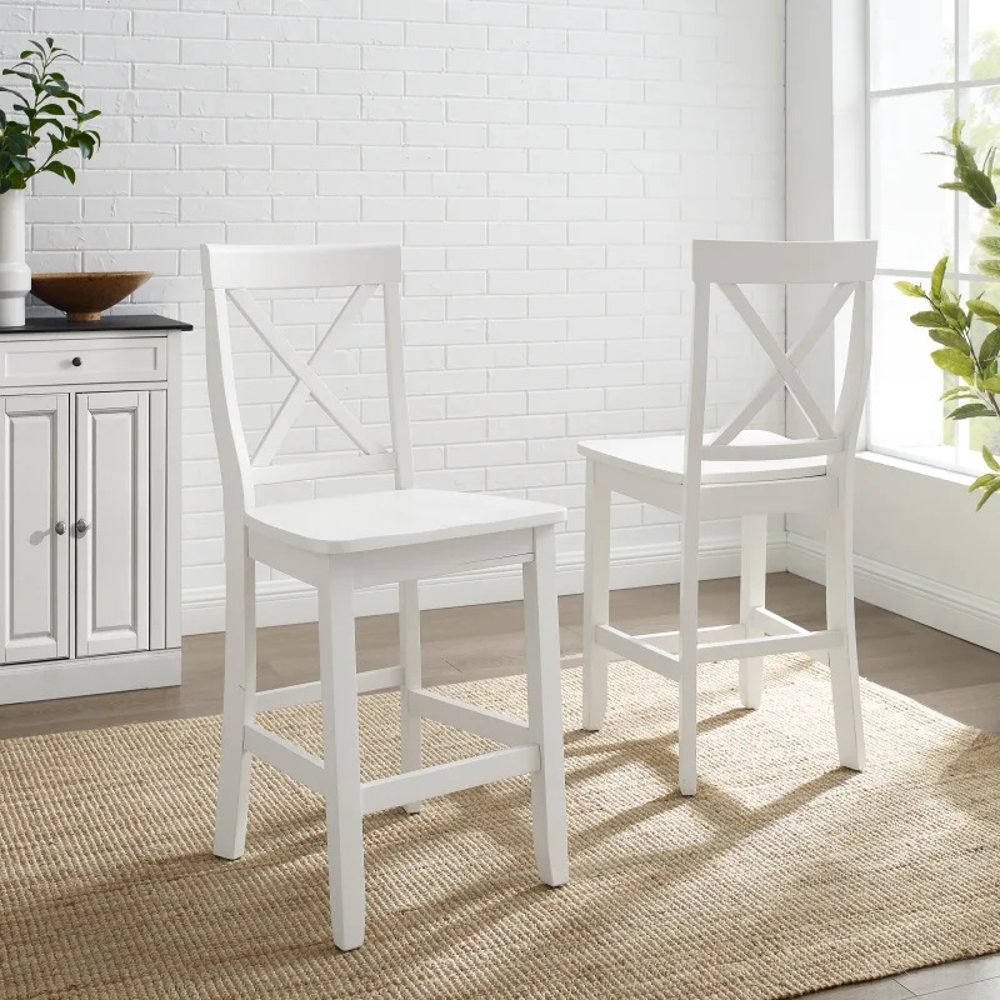
Brown bar stools with backs bring warmth and a sense of definition to the places where everyday life gathers, from a kitchen island lined with breakfast plates to a home bar set up for conversation. Brown is especially versatile because it can read as relaxed, tailored, rustic, or contemporary depending on the finish and shape. A honey-toned wood seat can brighten a kitchen with white cabinetry, while a deep espresso finish creates a stronger contrast against pale countertops. Caramel upholstery pairs easily with black metal, and rich chocolate tones feel at home beside stone, wood, and brushed hardware. The goal doesn’t have to be an exact match with every nearby surface. Repeating a warm undertone or picking up a brown accent from an adjoining dining area can make the space feel connected without making it look overly coordinated. Backrests add another visual layer, too. Open slats let more of the kitchen remain visible, while a solid upholstered back gives each seat a more substantial presence. Curved backs soften the straight lines of an island, and simple rectangular profiles suit spaces with crisp cabinetry and minimal detailing. Low backs keep sightlines more open between the kitchen and living room; taller backs make the seating area more noticeable and may offer broader support, depending on their shape. For a household that uses the island for quick snacks, a compact silhouette might be the easiest fit. For adults who linger over coffee or friends who settle in while dinner comes together, a shaped back, supportive seat, and comfortable footrest deserve extra attention. Brown also works well in multipurpose spaces, where the stools need to relate to both kitchen finishes and nearby living room furniture. A warm brown seat can echo a leather sofa, a wood coffee table, or woven accents without repeating every detail. That flexibility makes brown bar stools with backs a practical choice for rooms that evolve as furniture and accessories change.
A comfortable fit starts with the relationship between the seat and the surface, not just the name attached to the stool. Counter-height and bar-height seating serve different setups, so measure from the floor to the top of the counter or bar before choosing. Standard kitchen counters are often about 36 inches high and commonly pair with seats around 24 to 26 inches high. Bars around 40 to 42 inches high typically call for seats about 28 to 30 inches high. Aim for roughly 10 to 12 inches between the seat and the underside of the surface, accounting for any apron, support, or trim that could reduce legroom. Cushioned seats can compress during use, and adjustable designs have their own height ranges, so the actual dimensions matter more than a broad category label. Width is just as important when several people share a row. Allow enough space between seats for elbows and for getting on and off without bumping a neighbor; approximately 26 to 30 inches from the center of one seat to the next is a useful starting point, with extra room for wide seats or arms. Picture the busiest version of the space: someone opening the dishwasher, another person passing behind the stools, and a seated guest turning to join the conversation. A swivel seat can make that turn easier, but it needs clearance from the countertop edge, adjacent stools, and nearby walls. Arms can provide a welcome place to rest, though they may prevent a stool from sliding fully underneath the overhang. The backrest height also affects how neatly the seating tucks away. For an island used for homework or occasional laptop tasks, pay attention to seat depth, back contour, and foot placement rather than assuming a thick cushion alone will provide lasting comfort. Elevated seating is best suited to people who can get on and off safely; young children need age-appropriate seating and supervision rather than an adult stool as a substitute.
Materials determine much of how brown bar stools with backs feel and how they handle daily use. Wood brings visible grain and natural variation, with finishes ranging from light and golden to dark and richly layered. Solid wood components can be durable with sound construction and appropriate care, while wood veneers can provide a consistent decorative surface over an engineered core. Metal frames offer a different look, especially when slim black legs contrast with a brown seat, but stability depends on the overall design, connections, and construction rather than the material alone. Upholstery adds softness and texture. Woven brown fabric can create a relaxed dining nook, while smooth leather brings distinctive grain and a surface that may develop character with use. For seating with that particular texture and finish, leather bar stools with backs offer a related direction to consider. Genuine leather, faux leather, and bonded leather have different compositions and care needs, so check the material description rather than relying on appearance. Some smooth upholstery allows spills to be wiped away promptly, but seams, surface treatments, and manufacturer instructions still matter. In a kitchen where sauce splashes and sticky fingers are part of the routine, easy-to-reach surfaces and straightforward cleaning can be more useful than intricate trim. Vacuum fabric with an appropriate attachment and follow its cleaning code before applying a cleaner. Blot spills promptly, use cleaners approved for the material, and avoid soaking wood or upholstered surfaces. Protect floors with suitable glides or pads, keeping them clean so trapped grit doesn’t scratch the flooring. Periodically check fasteners and follow any instructions for tightening them, especially on seating used throughout the day. A well-positioned footrest gives feet a comfortable place to land, while a stable base and an appropriate weight rating help support intended use. Balancing those practical details with a brown tone and backrest shape that suit the room creates seating that feels thoughtfully chosen, whether it’s used for a quick breakfast, a shared meal, or a long conversation at the counter.
Read More