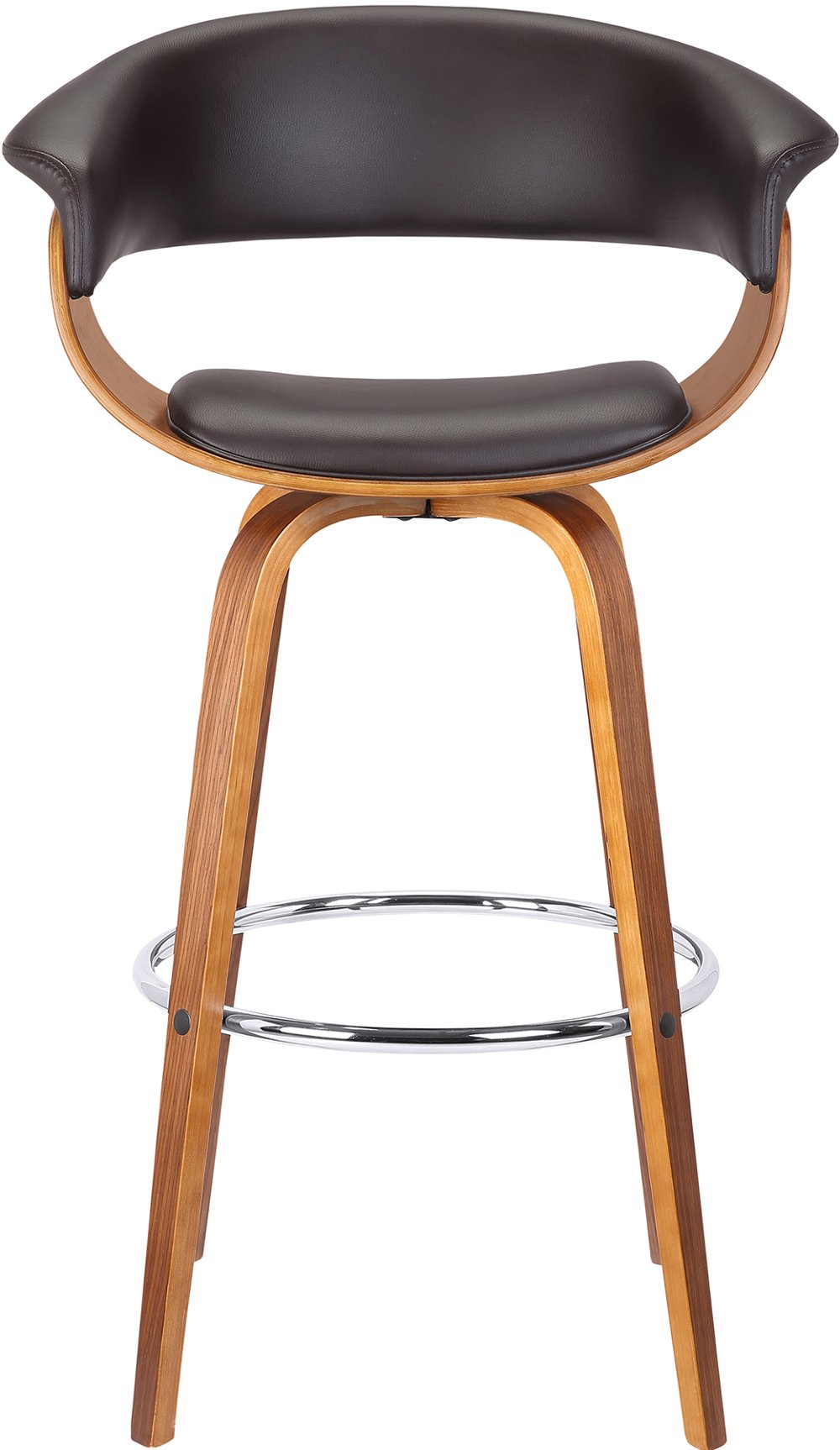
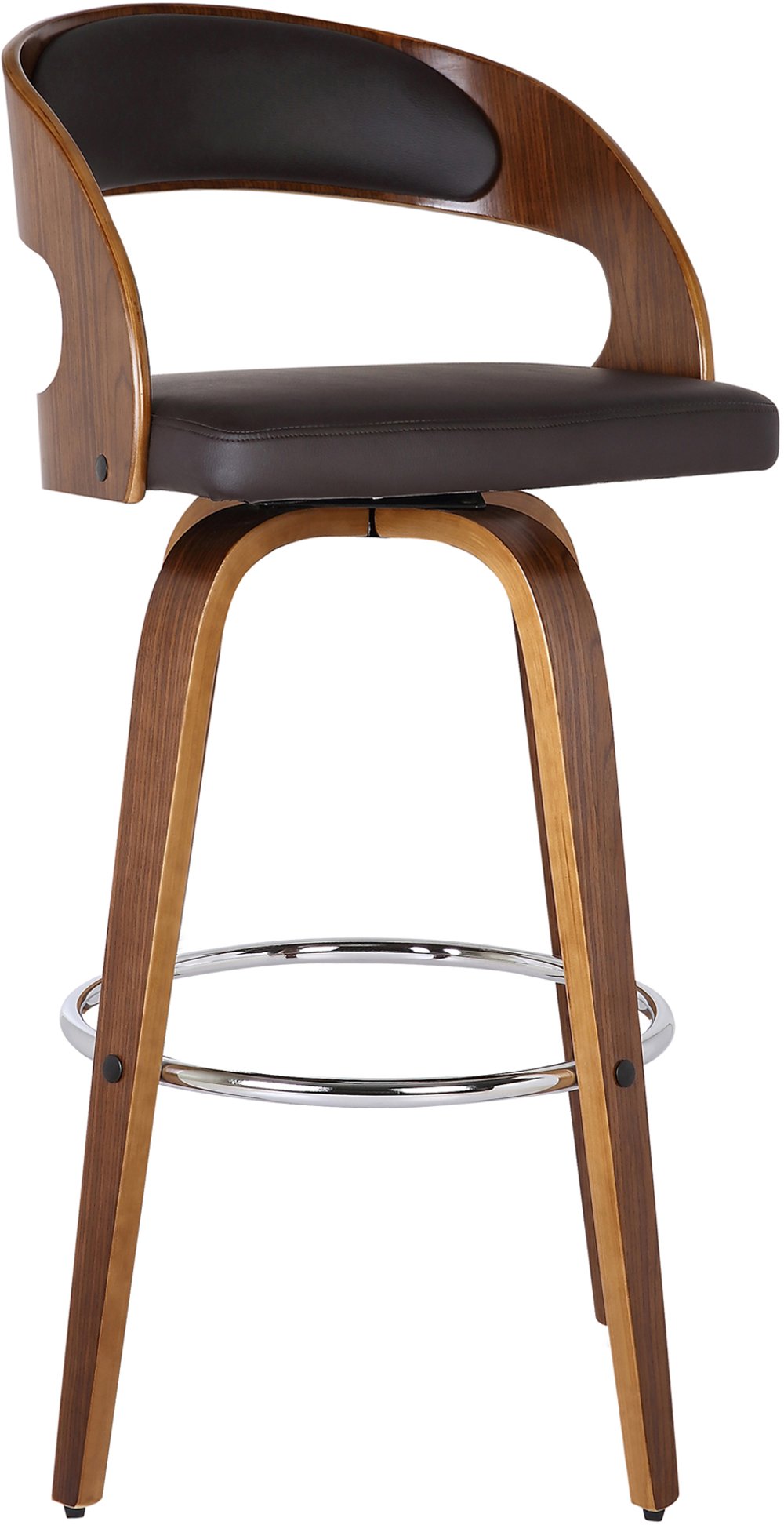
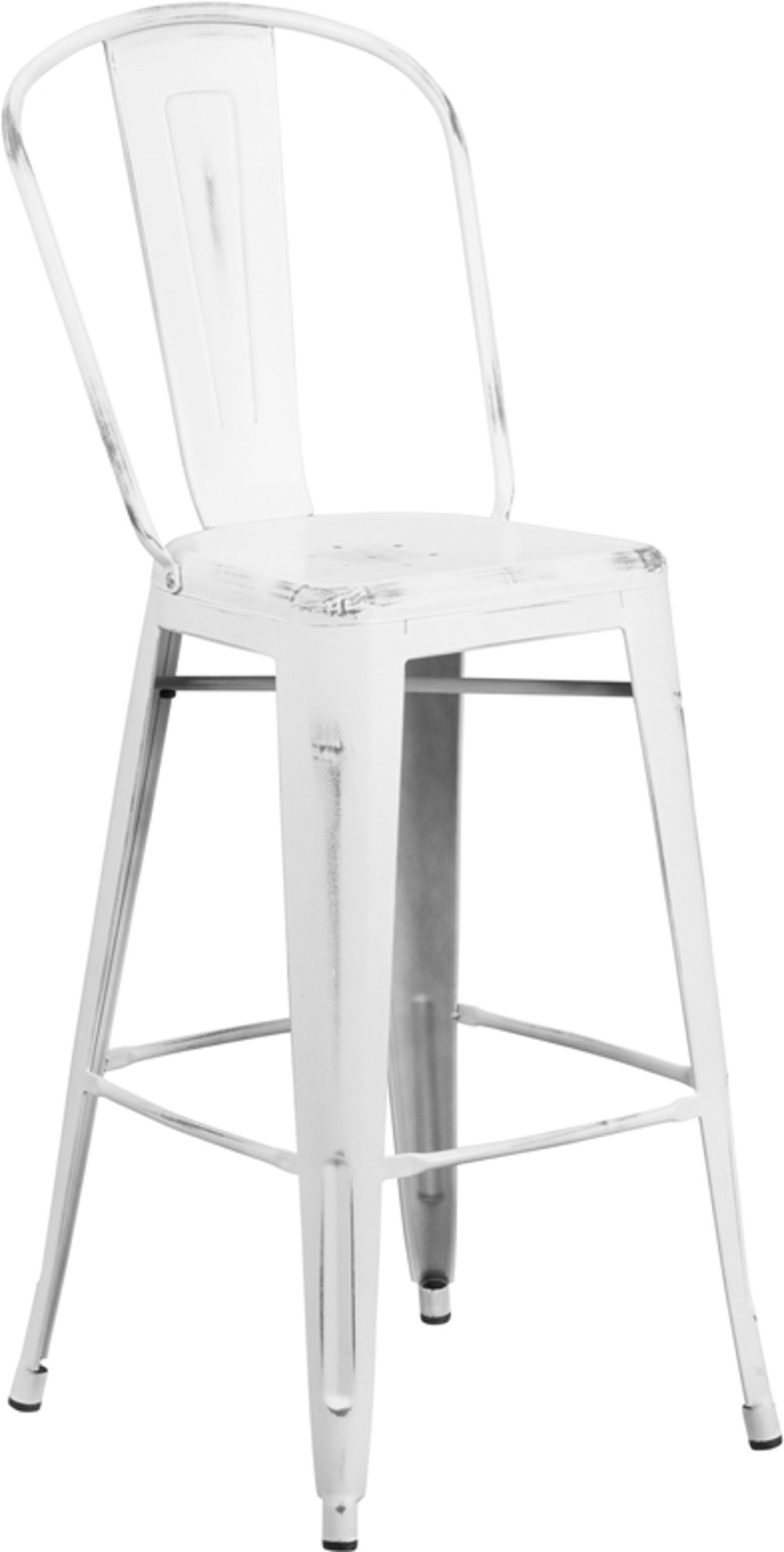
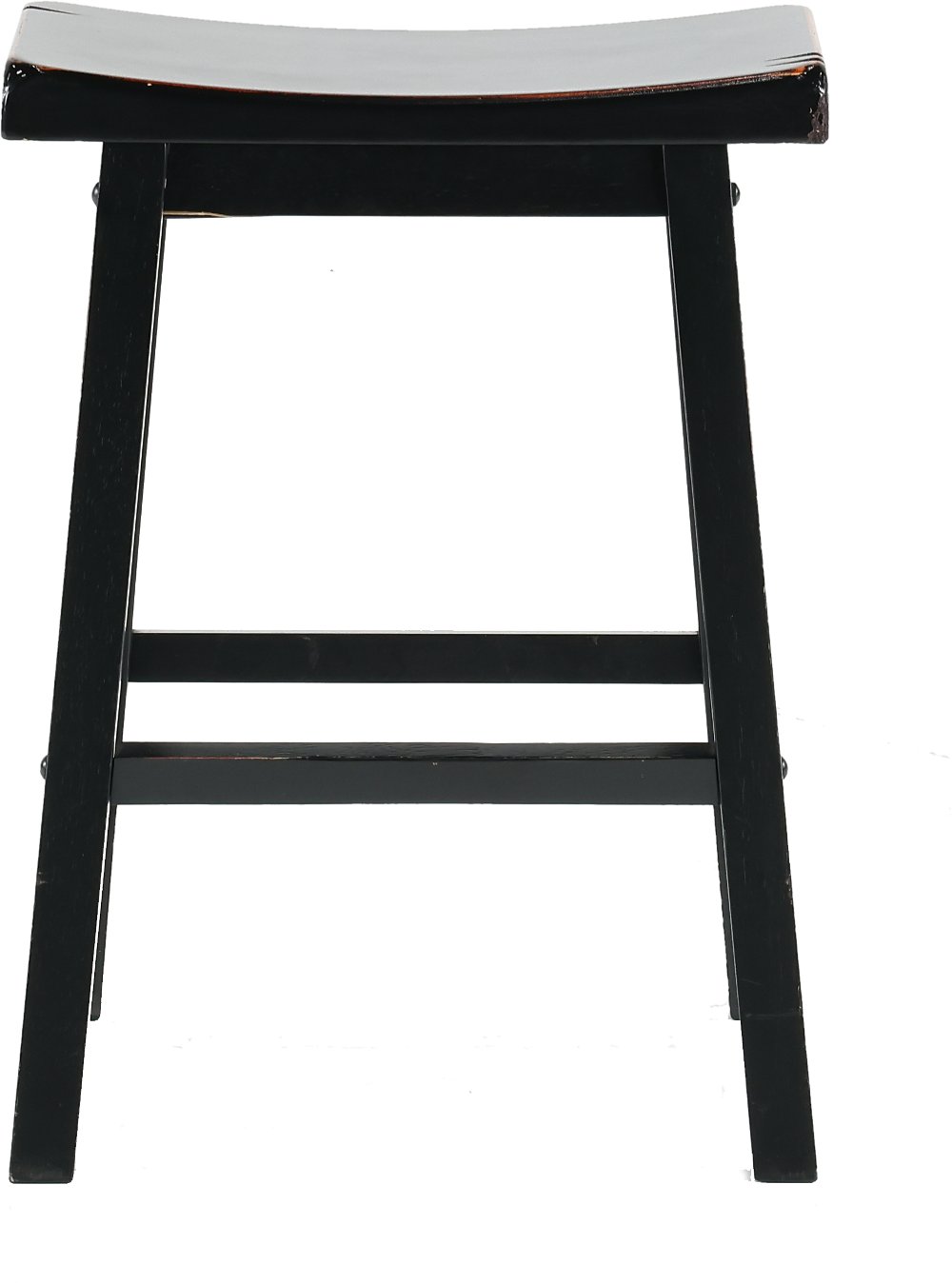
Brown leather stools bring warmth and texture to the places where everyday life tends to gather, from a kitchen island with room for breakfast to a home bar that doubles as a spot for conversation. Their appeal starts with the combination of a comfortable seat and a versatile color: brown can feel relaxed beside painted cabinetry, rich against pale stone, or right at home with wood floors and exposed beams. The shade makes a real difference in the finished space. A golden saddle brown adds contrast to charcoal cabinets, while a deeper espresso tone creates a quieter transition alongside dark walnut or black metal. Medium chestnut shades often bridge light and dark finishes, making them useful when your kitchen and adjoining living area have different furniture styles. Matching every brown surface exactly isn’t necessary; repeating a warm undertone can give the room a connected feel without making it look overly coordinated. Frame materials add another layer of character. Wood legs tend to soften the look, slender metal frames keep sightlines open, and substantial bases can give a stool a more grounded presence. Details such as stitched panels, curved backs, and gently tapered legs influence whether the overall effect feels tailored, rustic, or casual. Brown leather also pairs naturally with woven rugs, linen curtains, and ceramic accents, providing contrast without demanding a whole-room makeover. In an open floor plan, the backs of your stools may be visible from the sofa, so their shape matters as much as the view from the kitchen. A low profile keeps the island feeling open, while taller backs help define the seating area. For a household that uses the counter for everything from a quick lunch to a long catch-up with friends, these stools can make a hardworking surface feel more inviting. During the cooler months, their earthy color also sits comfortably alongside soft throws and warm lighting, although the look works just as well throughout the year.
The right fit makes brown leather counter stools and bar stools easier to enjoy every day, and seat height is the best place to start. Counter-height seats commonly measure about 24 to 26 inches high and suit surfaces around 36 inches tall; bar-height seats often measure about 28 to 30 inches and work with surfaces around 40 to 42 inches tall. Actual dimensions vary, so measure your surface rather than relying on the category name alone. Aim for roughly 10 to 12 inches between the top of the seat and the underside of the counter, allowing for any apron or support that could reduce legroom. Width deserves equal attention. Leaving about 6 inches between seats gives people room to settle in, although broad frames, arms, and swivel movement may require more space. Picture someone getting up while another person passes behind the stool with a plate, and keep that walkway comfortable even when the seats are occupied. Backless designs tuck neatly beneath an overhang when their dimensions allow, which can be especially helpful in a compact kitchen. A supportive back and a well-placed footrest are often more comfortable for lingering over dinner, answering emails, or helping with homework. Arms can add support, but check that they clear the counter if you want the stools to slide underneath. Swivel seats make turning toward a conversation easier, though they need clearance from neighboring seats and cabinetry. Adjustable-height designs can accommodate different users or surfaces within their stated range, but base stability and the adjustment mechanism matter, too. For homes with children, a sturdy frame, an appropriate seat height, and an easy-to-use footrest deserve particular attention; tall stools aren’t substitutes for age-appropriate child seating. If you’re comparing silhouettes and upholstery details across the broader category, Leather Seat Stools provides another place to explore the look. Whether the seating serves a small apartment breakfast ledge or a generous entertaining area, comfort depends on the relationship between the stool, the surface, and the person using it.
Leather type and construction help determine how brown leather stools feel, how they wear, and what care they need. Genuine leather can show natural grain variation and small markings that give each upholstered surface character. Full-grain leather retains the hide’s natural surface, while top-grain leather has been sanded or otherwise refined for a more consistent appearance. Those terms describe the leather, not the entire quality of the stool, so frame construction, stitching, padding, and the protective finish still deserve attention. Aniline leather generally shows more natural variation and is more sensitive to spills; pigmented finishes typically provide greater surface protection, though performance varies. Faux leather offers a leather-like appearance with a different material structure and care routine, and bonded leather isn’t the same as a solid piece of hide. Reading the upholstery description closely helps set realistic expectations, especially for seats that will handle daily meals, visiting friends, or frequent family use. Some genuine leathers develop a softer sheen and visible patina with time, but brown coloring alone doesn’t make upholstery resistant to scratches, stains, or fading. Keep seats away from prolonged direct sunlight and strong heat sources when possible, and blot spills promptly with a soft cloth rather than rubbing them into the surface. Follow the manufacturer’s cleaning directions before applying any cleaner or conditioner, since a treatment suitable for one leather finish may damage another. Avoid soaking upholstery, and test approved care products in an inconspicuous area first. Crumbs can collect along stitched edges, so gentle, regular cleaning helps those details stay neat. Footrests and frame joints also take repeated use; check hardware periodically and use floor protectors suited to both the legs and your flooring. In a busy kitchen, secure joinery and a durable upholstery finish may matter more than decorative trim. In a quieter home bar, a sculpted back or distinctive grain may take priority. Choosing around those everyday habits gives brown leather stools a clear purpose: comfortable, good-looking seating that feels at home wherever people pull up a chair.
Read More