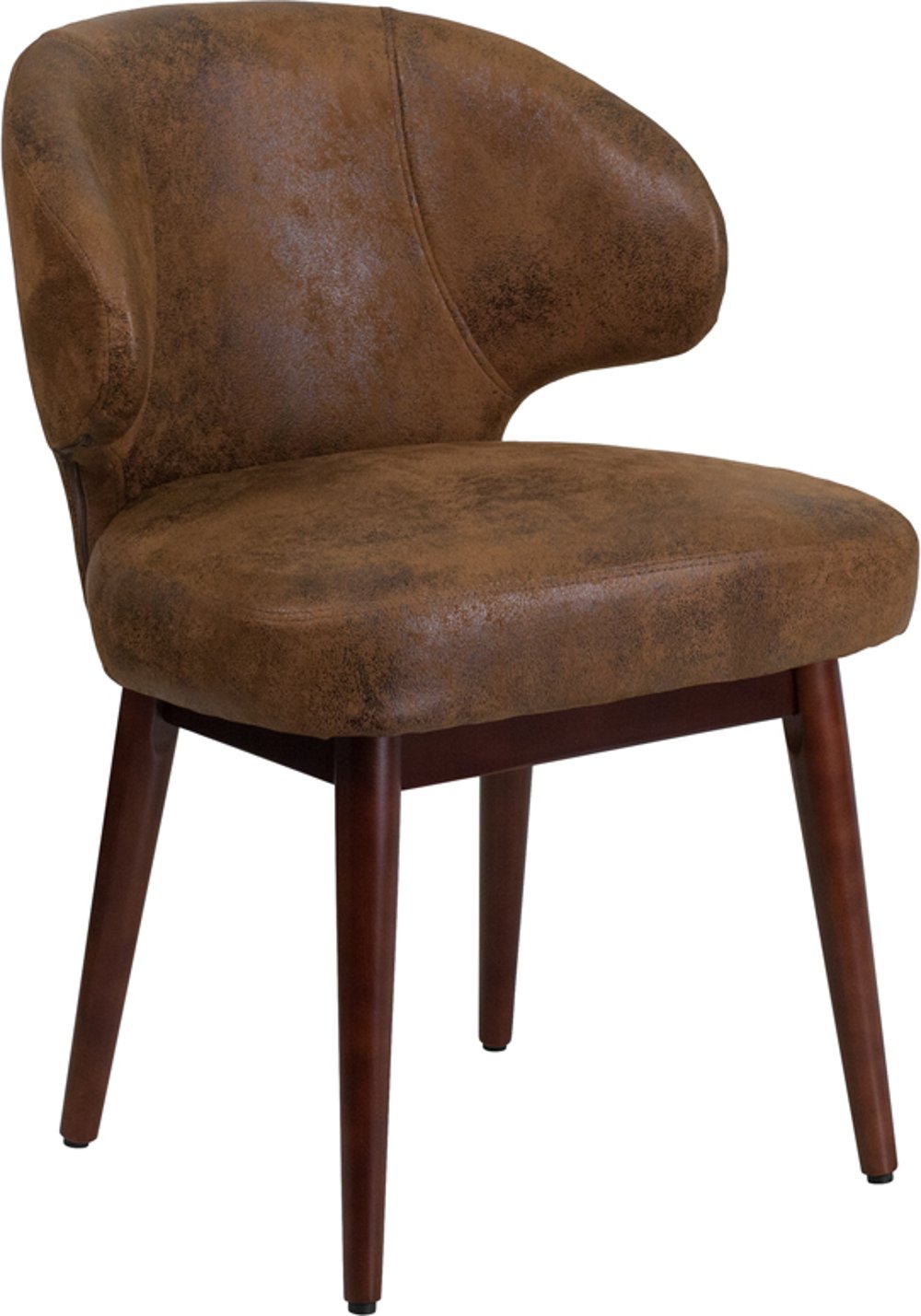
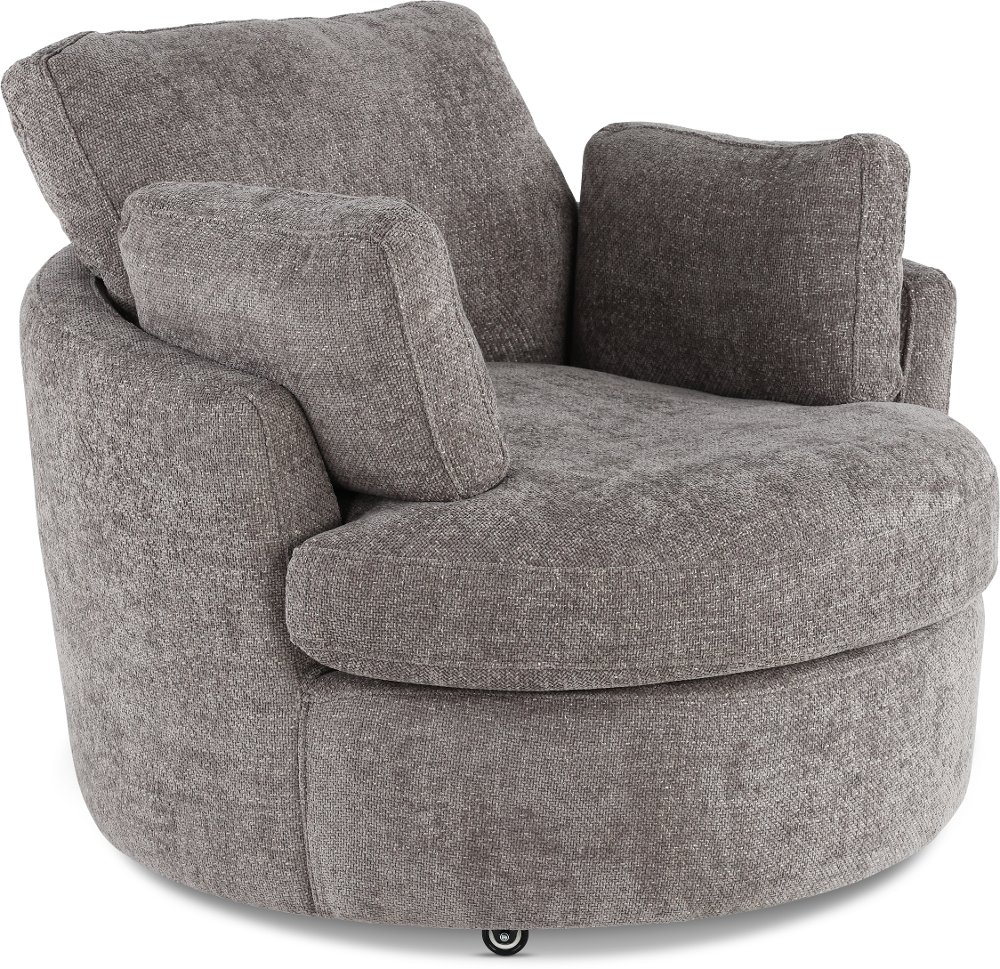
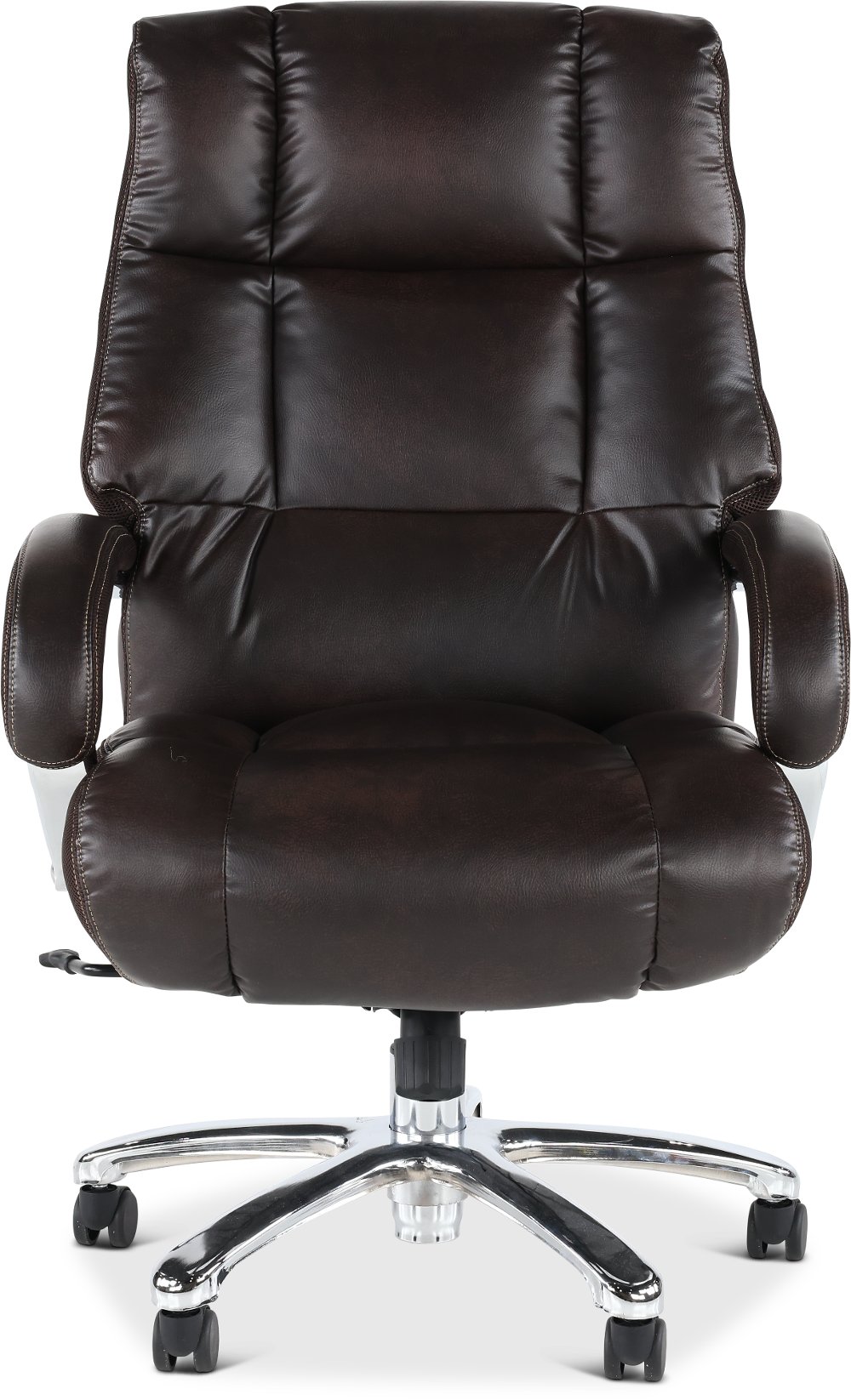
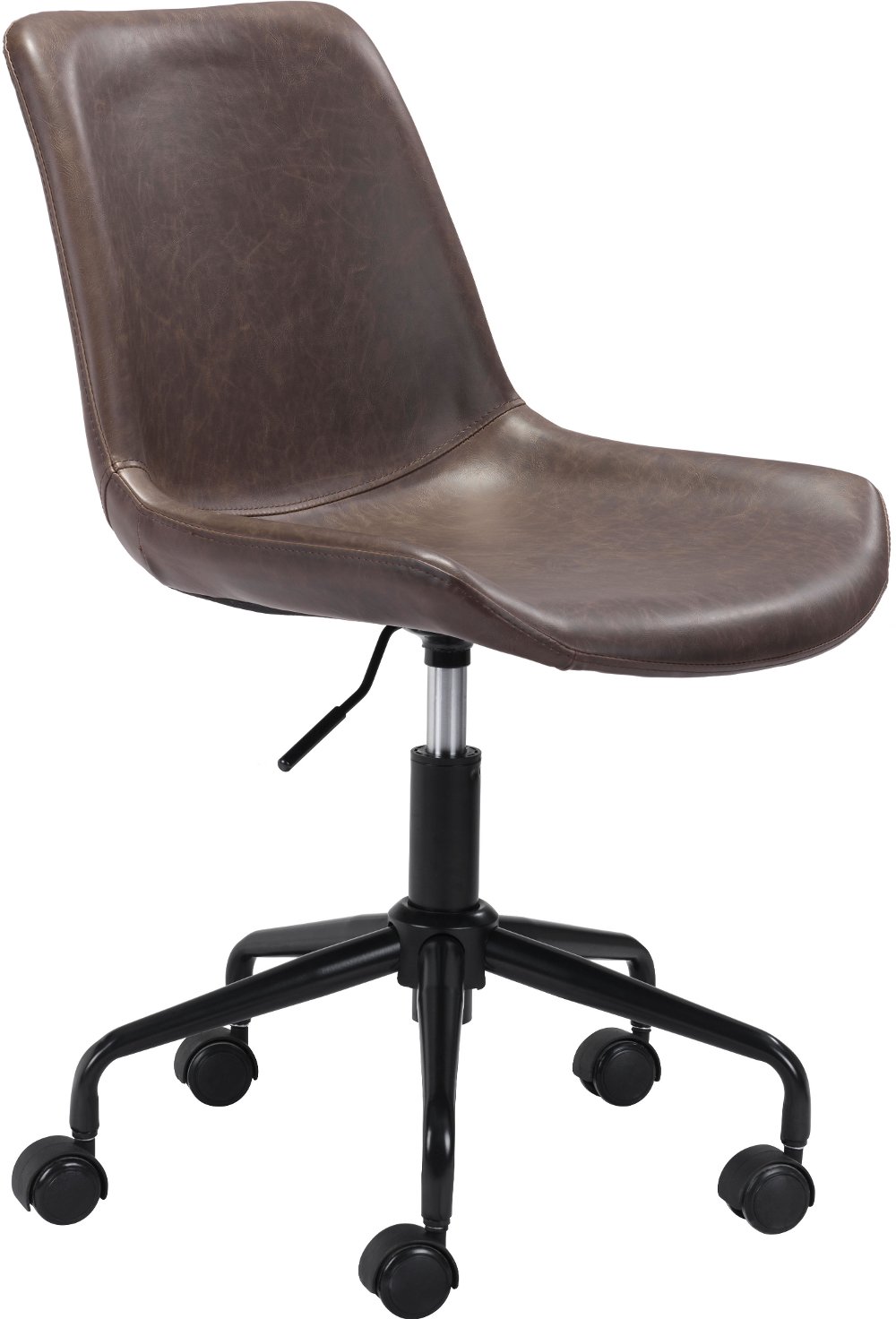
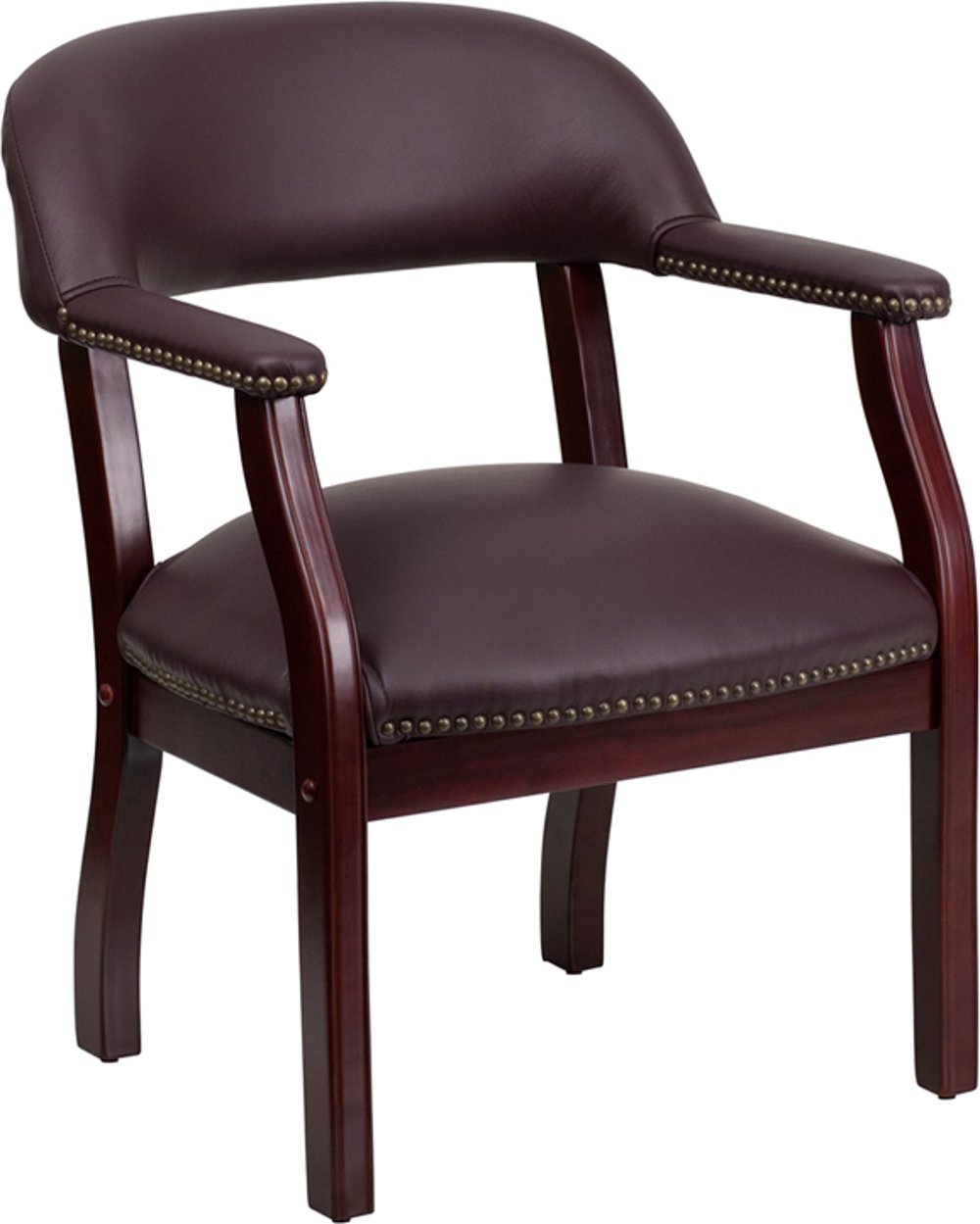
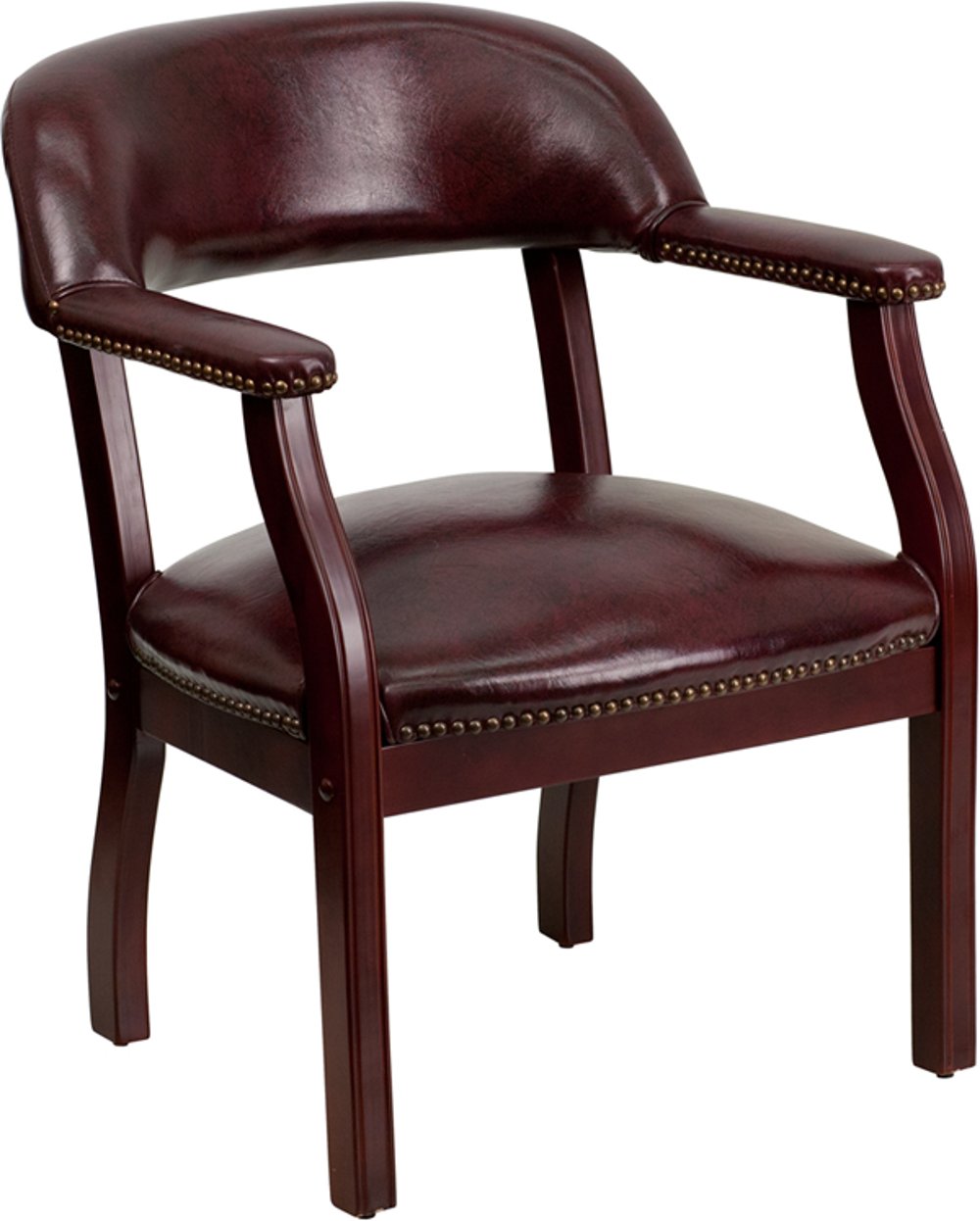
Brown microfiber chairs combine soft upholstery with an easy-to-coordinate color, making them a comfortable choice for living rooms, bedrooms, reading corners, and home offices. Microfiber upholstery is made from very fine synthetic fibers, commonly polyester or a polyester blend, that create a dense surface with a smooth or suede-like feel. That close construction can help slow the absorption of some everyday spills, but stain resistance varies with the fabric and any protective treatment; microfiber isn’t automatically waterproof or stainproof. Its appeal comes from the balance of softness, practical upkeep, and versatility. Brown shades range from light cocoa and warm chestnut to deep chocolate and espresso, so the color can blend quietly into a neutral room or provide contrast beside a pale sofa. The chair’s shape matters just as much as its upholstery. A rounded tub chair has a curved back and arms that create a sheltered seat, often with a relatively compact footprint. A wood-frame accent chair leaves more of its structure visible, giving the room a lighter look and adding another natural-looking texture alongside the fabric. Club chairs typically offer substantial arms and a generous seat, while wingback silhouettes bring height and definition to a seating arrangement. Brown microfiber recliners and other motion chairs emphasize relaxation, with features that may include an extending footrest, an adjustable back, rocking, or swiveling, depending on the design. A stationary chair works well beside a lamp for reading or across from a sofa for conversation; a recliner may better suit someone who likes to stretch out while watching a movie. For a bedroom corner, a smaller accent chair can provide a comfortable place to sit while putting on shoes without taking over the space. These differences make brown microfiber seating useful for several kinds of households, from someone furnishing a first apartment to a family adding a dedicated seat for a shared living area. The right match depends less on a style label than on how the chair will support daily routines.
Fit starts with the space around the chair, then moves to the person sitting in it. Overall width tells you whether a chair fits beside a bookcase, but seat width tells you how much room there is between the arms. Thick, padded arms can make a chair look roomy while leaving a narrower sitting area than expected. Seat depth also changes the experience: a deep cushion can feel inviting when curling up with a book, while a shallower seat may make it easier to sit upright with feet resting on the floor. Seat height, cushion firmness, back height, and arm placement all deserve attention, especially when comfort or ease of standing is a priority. A firm seat and supportive arms may help some people rise more comfortably, although individual needs vary. If possible, sit in a chair the way you plan to use it rather than judging comfort with a quick perch on the edge. At home, mark the chair’s footprint with painter’s tape and check that nearby doors, drawers, and walking paths stay clear. For reclining designs, account for the fully extended footrest and the manufacturer’s required clearance behind the back. Swivel chairs need space to turn without bumping a side table. Measure doorways and tight turns along the delivery path, too. Once the proportions work, brown upholstery offers plenty of decorating flexibility. Chestnut tones can bring warmth to cream upholstery and light oak, while cooler espresso shades pair well with gray textiles, black metal, and crisp white walls. For a deeper color direction, dark brown chairs can help anchor a seating area with a rich, grounded tone. Look at upholstery samples in the room’s lighting when possible, since the fabric’s nap and the direction of light can change how brown appears. A textured pillow, a nearby reading light, and a side table within easy reach can make a single chair feel like a thoughtfully finished part of the room.
Long-term satisfaction depends on both the upholstery and what’s underneath it. A dense microfiber surface can stand up well to everyday sitting, but the word “microfiber” alone doesn’t establish a chair’s durability. Frame construction, joint reinforcement, seat support, cushion quality, and the strength of any motion mechanism also affect how the chair feels after repeated use. For a family room’s favorite seat, look closely at construction details and any published upholstery testing rather than relying only on a plush appearance. Firmness and durability aren’t interchangeable: a soft cushion can be well made, and a firm cushion isn’t necessarily more resilient. Pet households may appreciate microfiber’s closely constructed surface, which offers fewer obvious loops for claws to catch than some textured fabrics, but it can still scratch, snag, or collect hair. Brown can make certain everyday marks less noticeable, although pale pet hair and lint may stand out against deeper shades. Regular light vacuuming with a suitable upholstery attachment helps remove grit before it works into the fabric; pay particular attention to seams and the space beneath removable cushions. For spills, blot promptly with a clean, absorbent cloth instead of rubbing, then follow the chair’s care label. Upholstery cleaning codes matter: W generally allows water-based upholstery cleaners, S calls for solvent-based cleaners, W/S permits either type as directed, and X limits routine care to vacuuming or light brushing rather than liquid cleaners. A damp cloth isn’t appropriate for every microfiber chair, and removable cushion covers aren’t necessarily machine washable. Test any permitted cleaner in a hidden area, avoid soaking the cushion, and let the upholstery dry fully before use. If the nap looks uneven afterward, follow the manufacturer’s recommendations for gently restoring its texture. Keeping the chair away from prolonged direct sunlight can also help reduce fading. With a size that suits the room, support that suits the sitter, and care matched to the upholstery, a brown microfiber chair can become a dependable place for reading, conversation, or simply taking a comfortable break.
Read More