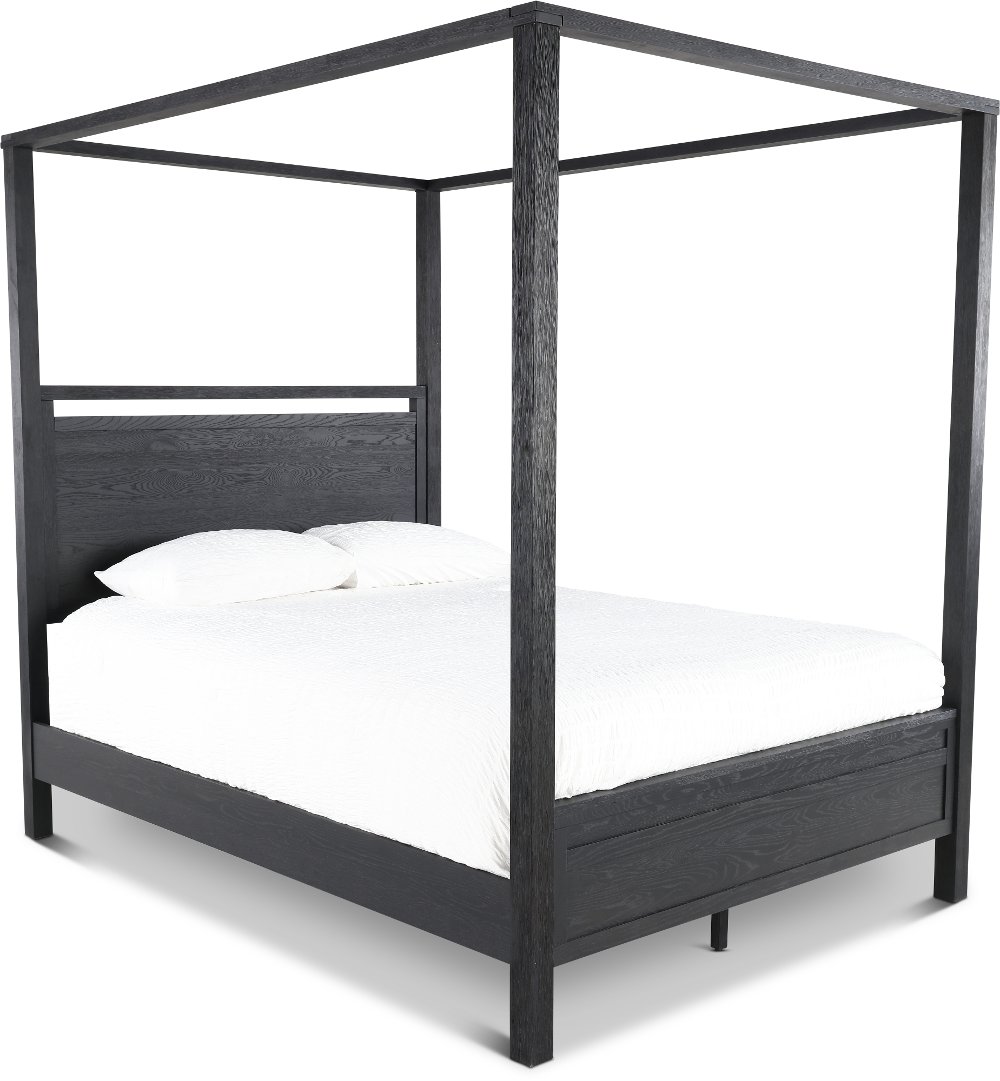
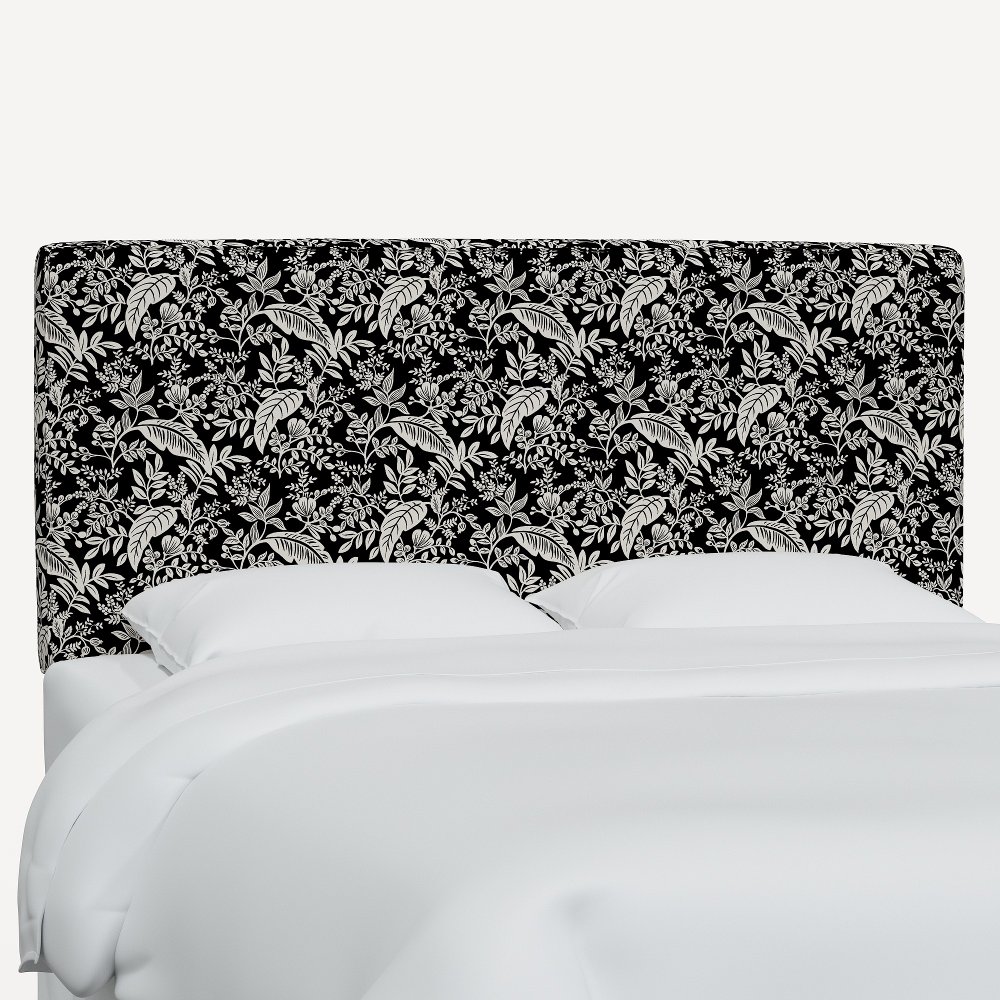
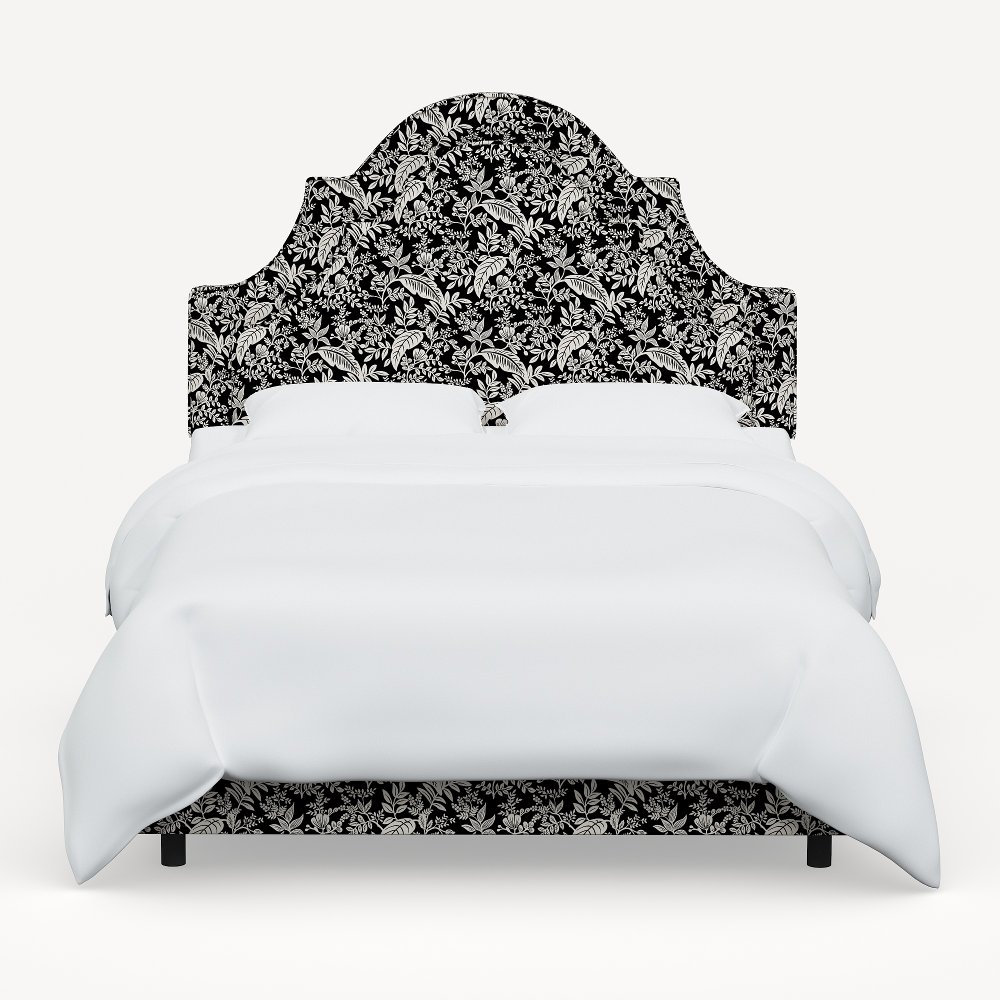
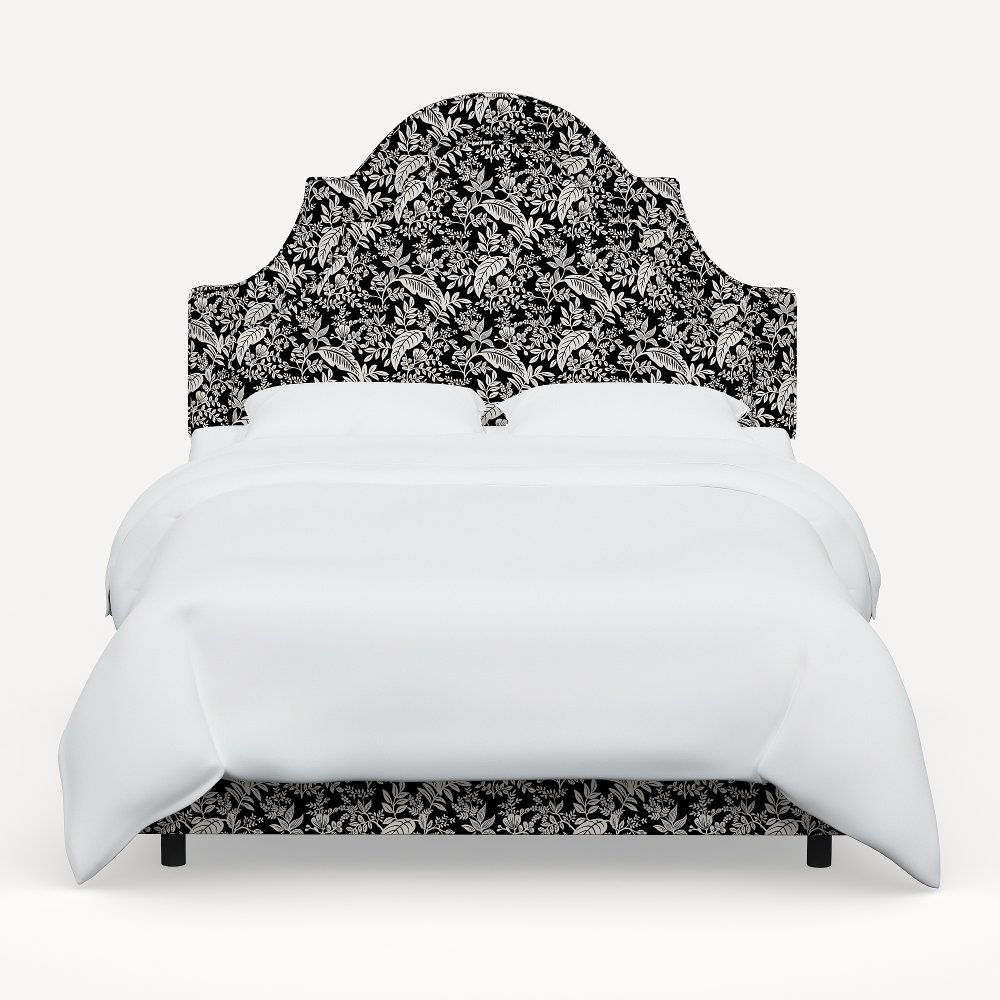
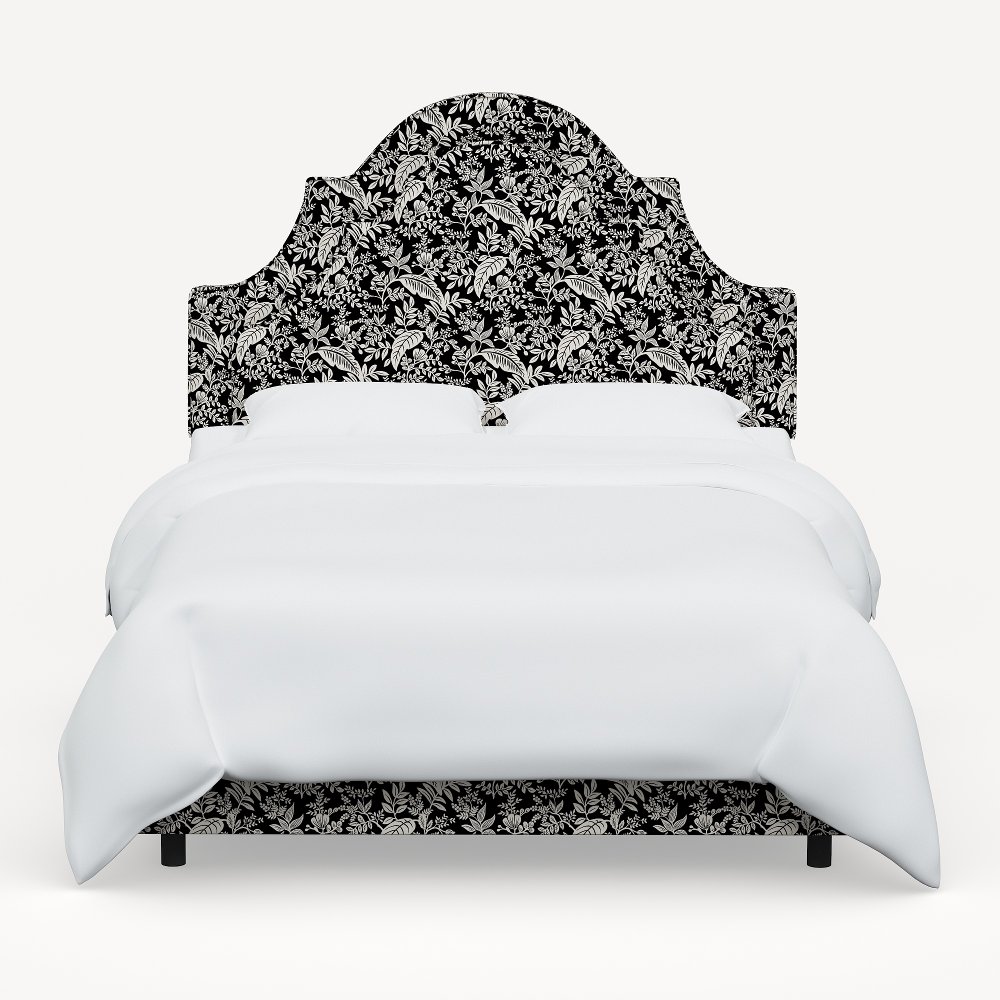
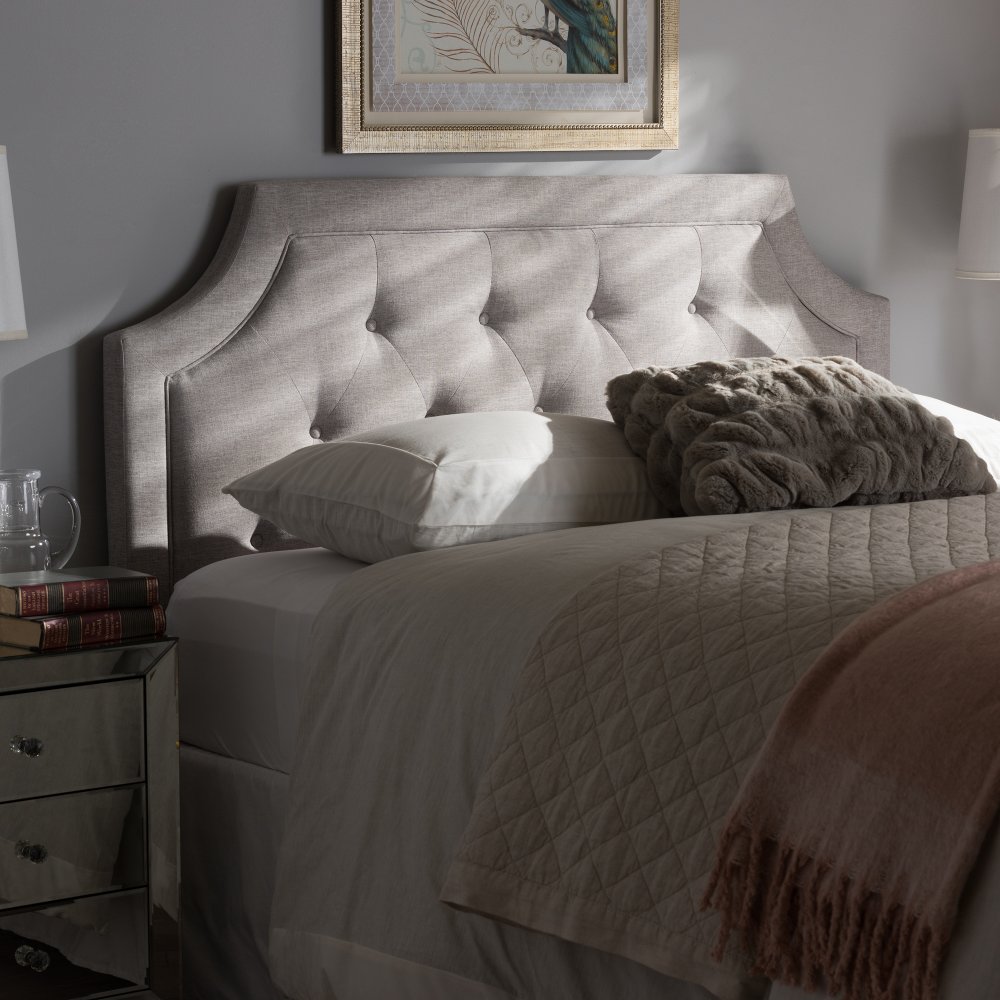
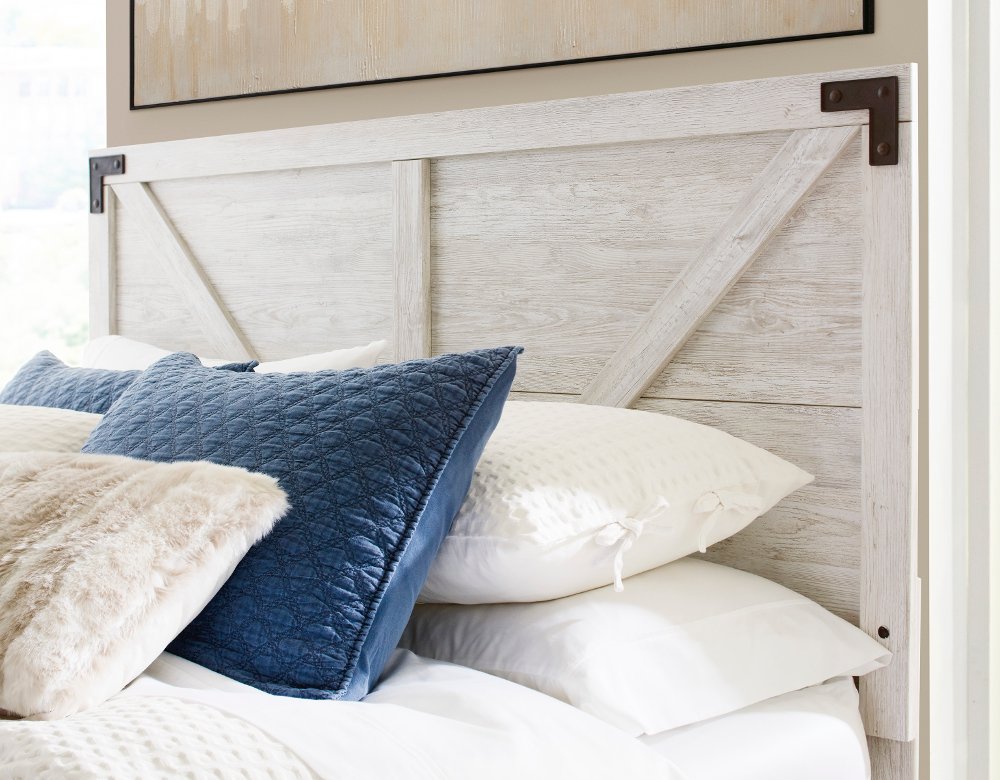
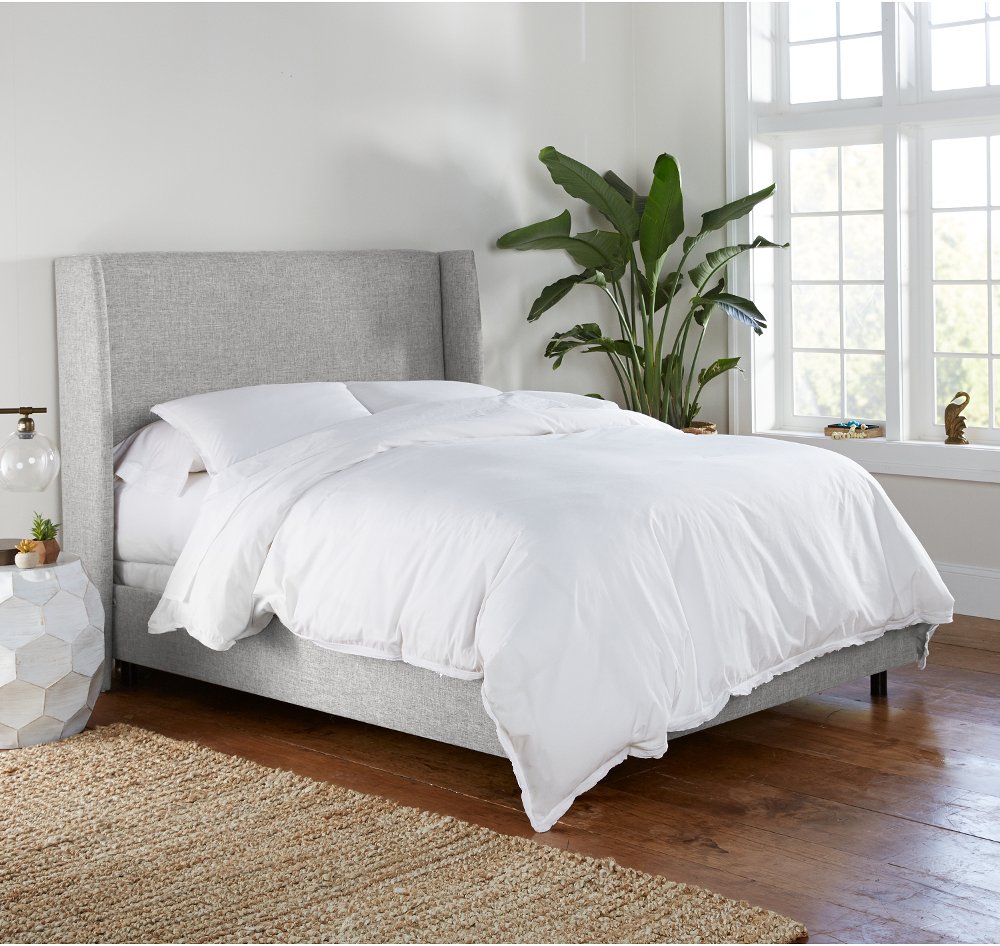
Canopy headboards bring the presence of a four-poster bed into the bedroom while giving the wall behind your pillows a finished, comfortable focal point. Depending on the design, the canopy structure may rise from the four corners of the bed, connect across the top, and flow into an integrated headboard made from wood, metal, or upholstered material. That combination creates a strong architectural outline without requiring a separate headboard and bed frame purchase. A wood canopy headboard can add warmth and natural texture to a room with woven baskets, layered quilts, or soft neutral bedding, while a metal design often feels lighter and more streamlined. Upholstered options add another layer of comfort, giving you a cushioned surface to lean against while reading, enjoying a cup of coffee, or helping a child settle in for the night. White finishes, in particular, keep the look bright and airy; browse White Canopy Beds for a clean foundation that pairs easily with colorful blankets, patterned sheets, and seasonal accents. Canopy headboards work especially well in primary bedrooms, guest rooms, children’s spaces, and teen bedrooms where the bed should feel like more than a place to sleep. A simple frame can make a guest room feel welcoming and thoughtfully furnished, while a playful house-shaped or low-profile canopy design can give a child’s room a cozy sense of imagination. For someone settling into a new home, refreshing a bedroom, or preparing a nursery or young child’s room, this style can be a memorable and useful gift when the recipient’s preferred size and room dimensions are known.
Before choosing a canopy headboard, start with the mattress size and the space around the bed. Common sizes include Twin, Full, Queen, and King, and the headboard should match the bed frame or complete canopy bed so the mattress sits securely and the proportions look balanced. Measure the room’s length and width, then allow enough clearance to walk comfortably around the bed, open nearby drawers, and move bedding without bumping into posts. Ceiling height deserves special attention because canopy frames are taller than standard headboards. Many designs stand roughly 80 to 100 inches high, so a room with at least 8- to 9-foot ceilings typically provides a more comfortable visual and practical fit. Take measurements from the finished floor to the ceiling, including any ceiling fan, light fixture, crown molding, or sloped area near the bed. If the bed will sit beneath a window, check that the headboard and upper frame won’t cover the trim or interfere with curtains. It also helps to think about how the canopy will look with the room’s existing scale: a substantial solid-wood design can anchor a large bedroom, while a slender metal frame may suit a smaller room without making it feel crowded. When comparing materials, consider both appearance and daily use. Wood offers a grounded, durable look and may show natural grain or a painted finish. Metal can bring clean lines and an open silhouette, with finishes that range from understated to more decorative. Upholstered headboards soften the room and add a comfortable place to rest, but fabric benefits from regular, gentle dusting and prompt attention to spills. For a child’s room, look for sturdy construction, smooth edges, and a design that leaves ample room for supervised movement around the bed. Anchoring and assembly instructions should always be followed carefully, particularly when the frame includes tall posts or an overhead structure.
A canopy headboard can shape the mood of the entire bedroom, but the most successful arrangement still supports everyday comfort. Choose bedding that complements the frame rather than competing with it: crisp white sheets can highlight a dark finish, textured blankets can warm up a simple metal design, and subtle patterns can keep a larger upholstered headboard from feeling too heavy. Curtains or fabric panels can create a cocoon-like feeling when the frame is designed to support them, though they should remain clear of lights, heaters, and anything that could catch or snag. In cooler months, a layered bed with a quilt, knit throw, and supportive pillows makes the canopy feel especially inviting, like a quiet retreat at the end of a busy day. In guest rooms, leave enough open space for visitors to store luggage and move around easily. In a primary bedroom, consider the placement of nightstands, reading lamps, charging cords, and storage before final assembly. Many canopy beds use integrated wood or metal slats, which can eliminate the need for a separate box spring, but requirements vary by design, so review the included specifications and confirm the appropriate mattress support. A low-profile mattress may preserve more overhead clearance, while a taller mattress can change the visual balance and make it easier to get in and out of bed. Paying attention to these details helps you choose a canopy headboard that looks beautiful in the room and feels practical every morning, evening, and restful weekend in between.
Read More