Castor Wheels

Find castor wheels to replace worn casters or add mobility to compatible furniture. As you compare options, check the mounting style, wheel size, and weight capacity against your furniture’s requirements. Consider your flooring, too—choosing wheels suited to the surface helps you find a replacement that fits both your furniture and your space.
Read More
Sort by:
Web Exclusive
Butler Bar Walnut Cart
$209 .99

Castor Wheels

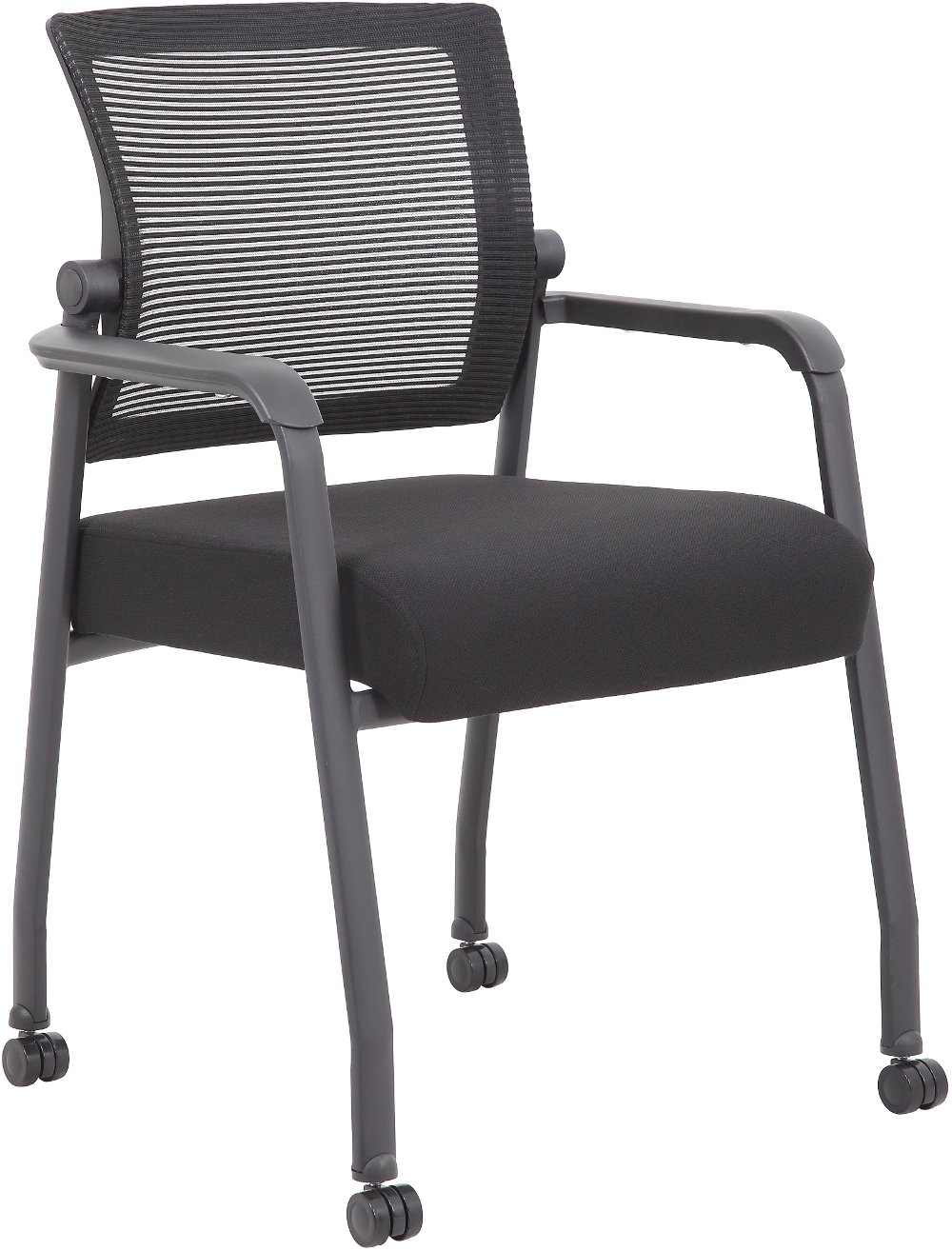
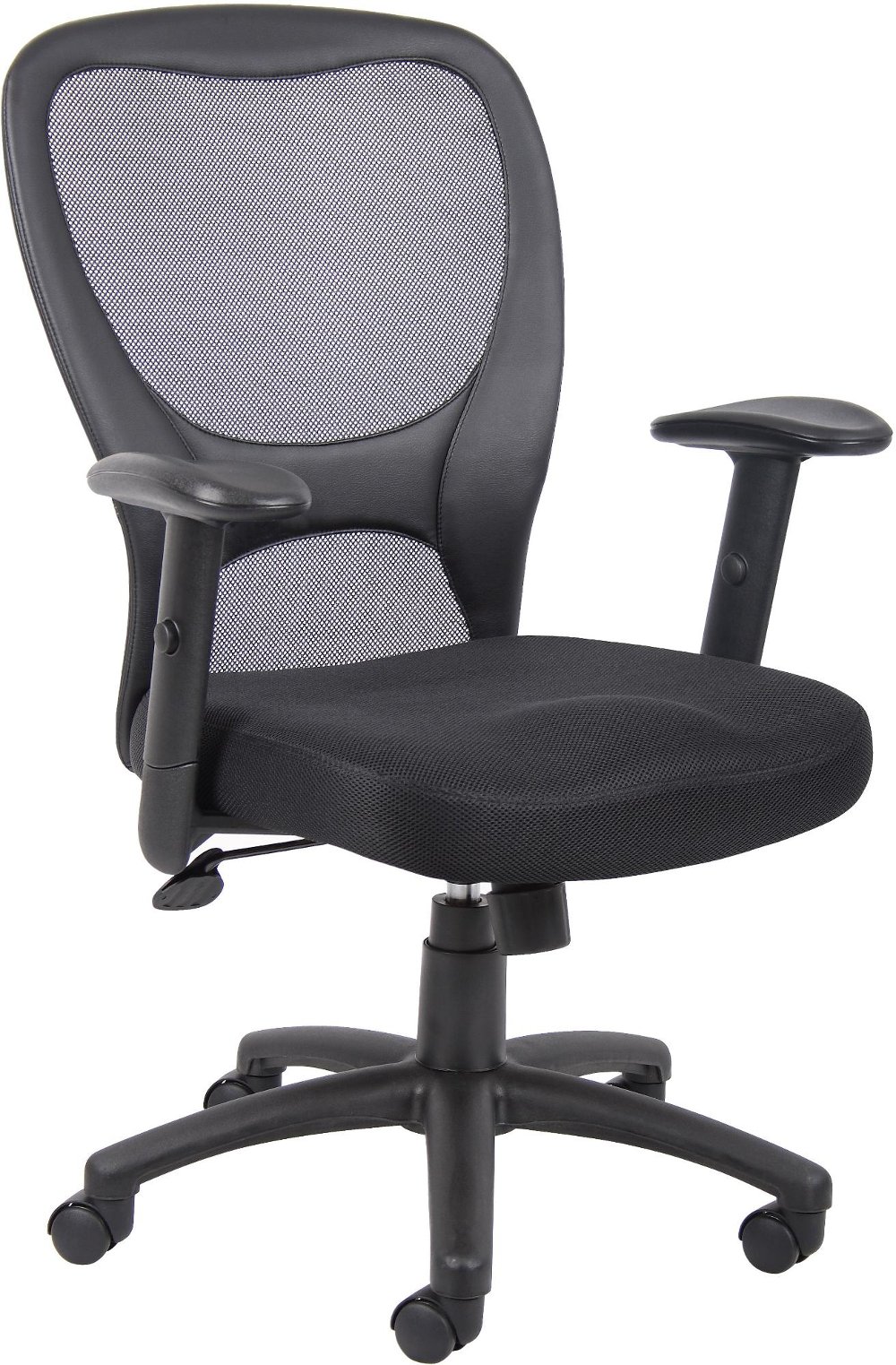
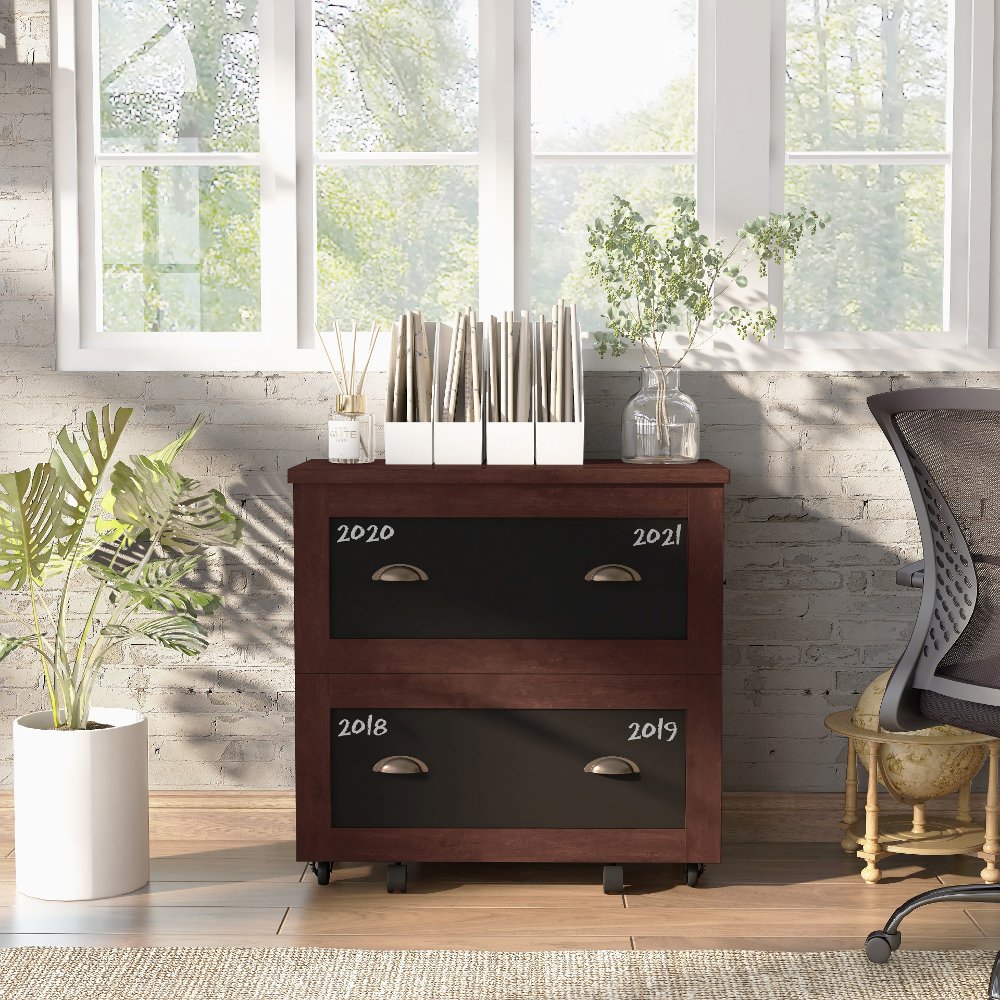
Castor wheels, also spelled caster wheels, are rolling assemblies that combine a wheel with a supporting frame and a mounting plate or stem that attaches to furniture or equipment. They make it easier to reposition a chair, move a serving cart, or pull a storage unit aside for cleaning without dragging the furniture across the floor. Although the terms are often used interchangeably, a wheel is the rolling component, while a caster includes the hardware that connects it to the piece. That small distinction matters when comparing furniture with built-in casters or choosing compatible replacement hardware. Swivel casters rotate around a vertical axis, helping a piece turn corners and change direction in a tight space. Rigid, or fixed, casters roll along a straight path and can help larger carts track steadily. Some furniture combines both types for a balance of steering and control. Locking casters add another useful feature, although the lock design varies: a wheel brake stops the wheel from rolling, while a total-lock mechanism typically stops both rolling and swiveling. These differences affect how furniture behaves beside a desk, along a wall, or in the middle of a room. A compact apartment may benefit from a movable work surface that shifts out of the way after a project, while a home office needs chair casters that roll comfortably through repeated daily use. Wheel diameter also changes the experience. Larger wheels generally handle small floor transitions and uneven surfaces more easily than smaller wheels, but they can raise the furniture’s overall height. A low-profile caster may suit a piece that needs to stay tucked beneath a counter or table. Beyond movement, the design contributes to the finished look: exposed metal brackets can complement industrial furniture, while recessed or hooded casters keep attention on upholstery, wood grain, or the shape of the piece.

The best caster wheel material depends on the floor, the weight being moved, and how often the furniture changes position. Rubber and polyurethane treads often provide a quieter, more cushioned roll than hard plastic or metal wheels, though performance varies by formulation and construction. Softer treads are commonly considered for hard flooring, while firmer wheels may roll more easily across carpet. Neither description guarantees compatibility with a particular surface. Hardwood finishes, luxury vinyl, laminate, tile, and carpet each have their own care requirements, so the flooring manufacturer’s recommendations are worth checking before selecting casters. Even a soft wheel can scratch a floor if grit becomes embedded in the tread, and some materials may leave marks or react with certain finishes. A compatible chair mat can help protect a concentrated work area, especially where a chair travels over the same short path all day. Fit deserves equal attention. Stem-mounted casters may use a friction grip, a threaded connection, or another fastening design; plate-mounted casters attach through a flat bracket with screw or bolt holes. Matching the attachment type alone isn’t enough. Stem diameter and length, thread size where applicable, mounting-hole spacing, and clearance around the wheel all affect whether a replacement fits properly. Furniture height matters, too: a taller assembly can change desk-chair ergonomics or prevent a cart from sliding beneath its intended counter. Load capacity should account for the furniture itself and everything it holds, including books, dishes, supplies, or a seated user when the piece is designed for seating. Use the furniture manufacturer’s stated capacity and approved caster specifications rather than assuming that adding individual wheel ratings establishes a safe total. Weight can shift when a cart turns or crosses a threshold, and an uneven floor may keep all wheels from sharing the load equally. Well-matched hardware, secure attachment points, and a frame designed for mobility work together; heavy-duty wheels alone won’t make a lightweight piece suitable for heavier use.

Everyday use helps reveal which details will make the biggest difference at home. On a serving cart, smooth swiveling makes it easier to steer between a dining table and a kitchen island, while accessible wheel locks help keep the cart in position during serving. For spaces that need flexible entertaining storage, bar carts on wheels bring bottles, glassware, and serving essentials together in a movable piece that can sit along a wall between gatherings. Keep heavier contents low, secure loose objects before moving, and guide a loaded cart slowly over transitions. Casters make furniture mobile; they don’t make it suitable for stairs, steep slopes, or carrying people unless the furniture was specifically designed for that purpose. In a home office, hair and thread can wind around chair axles and turn an easy glide into a stubborn drag. In a craft area, scraps and dust may collect around wheels close to the floor. Regular care starts with removing that buildup and wiping the tread with a soft cloth using a cleaner compatible with the wheel material. Avoid soaking assemblies or applying lubricant indiscriminately, since some bearings are sealed and some lubricants can attract debris or damage nearby finishes. Follow the manufacturer’s maintenance instructions, check accessible fasteners periodically, and inspect wheels for cracks, flat spots, wobbling, or uneven wear. A caster that sticks, sheds material, or no longer locks reliably deserves attention before the furniture is used again. Durable construction can include sturdy brackets, quality bearings, secure mounting hardware, and tread suited to the intended surface, but durability also depends on staying within the piece’s limits. With the right fit and routine care, caster-equipped furniture can support the way a room actually gets used: a chair that follows the work, storage that moves aside for vacuuming, and a serving surface that comes closer when guests settle in.
Read More

Frequently Asked Questions

Filter By