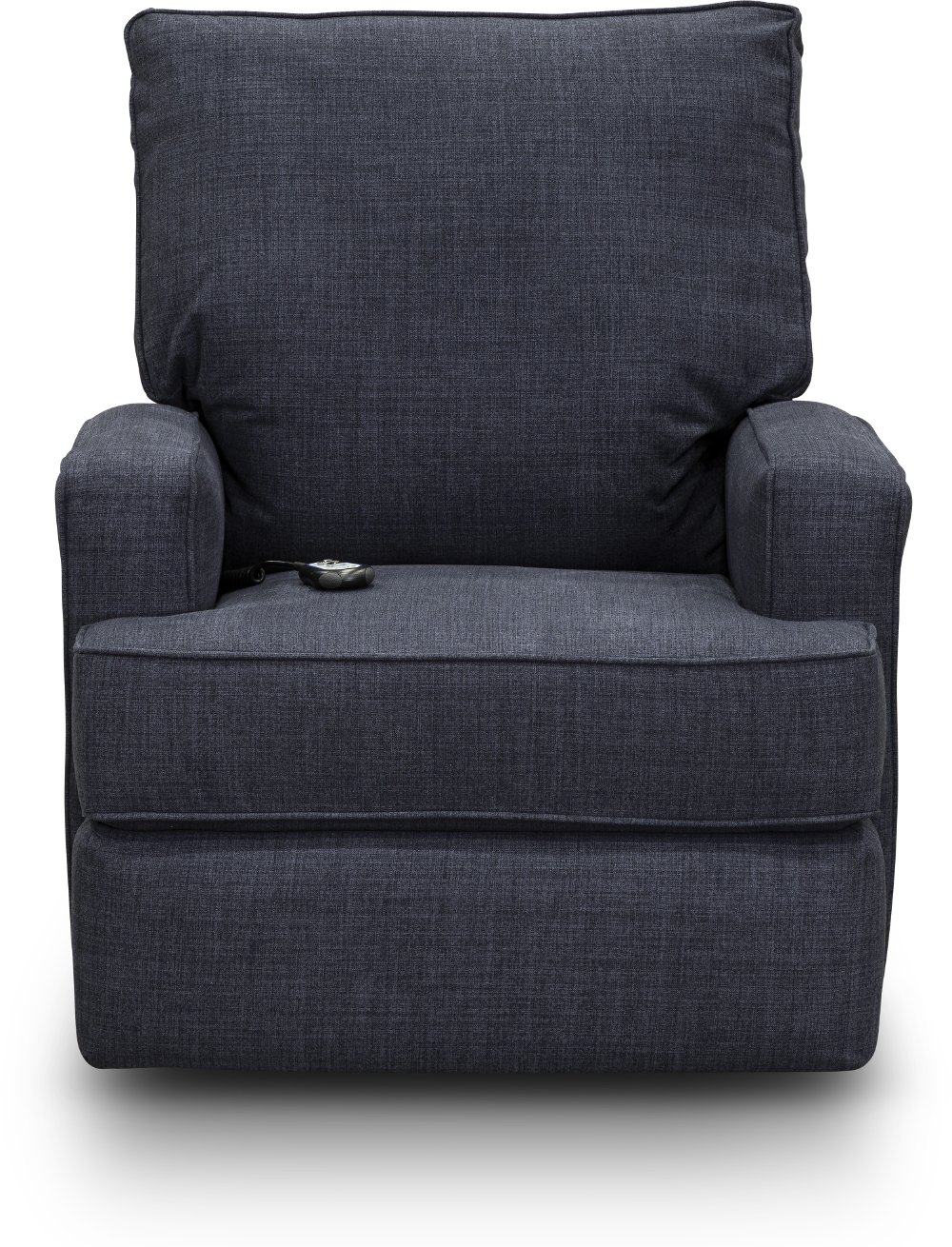
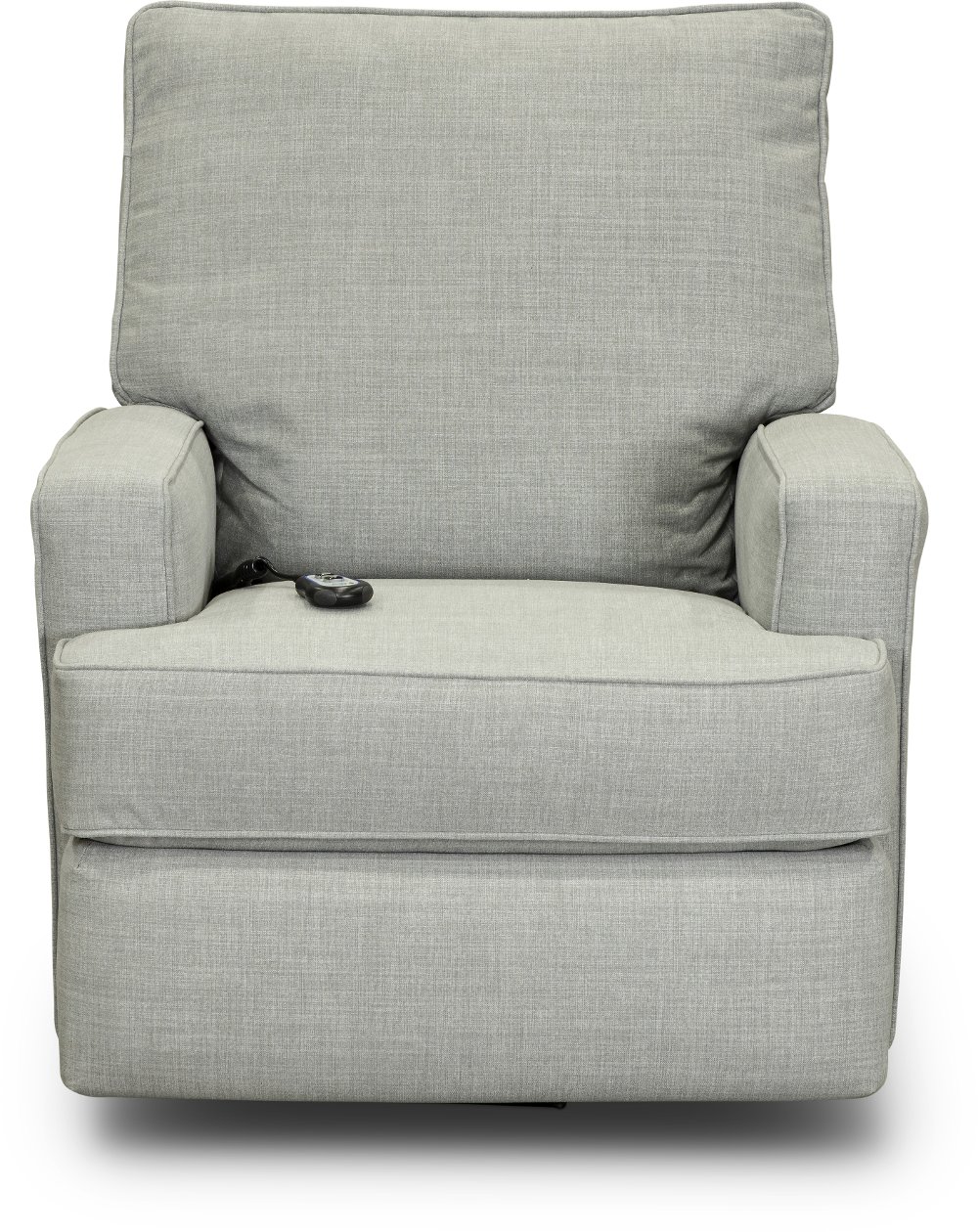
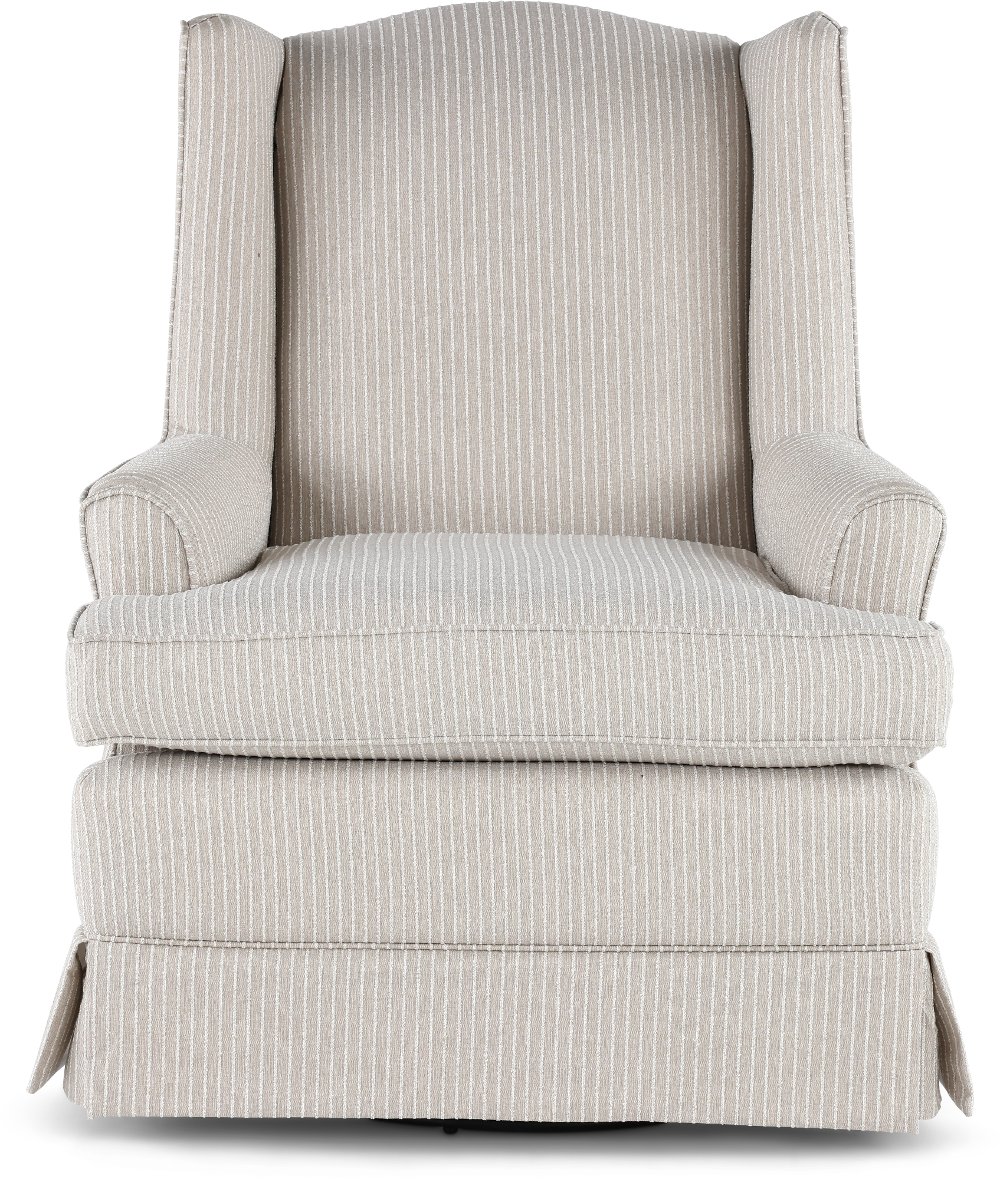
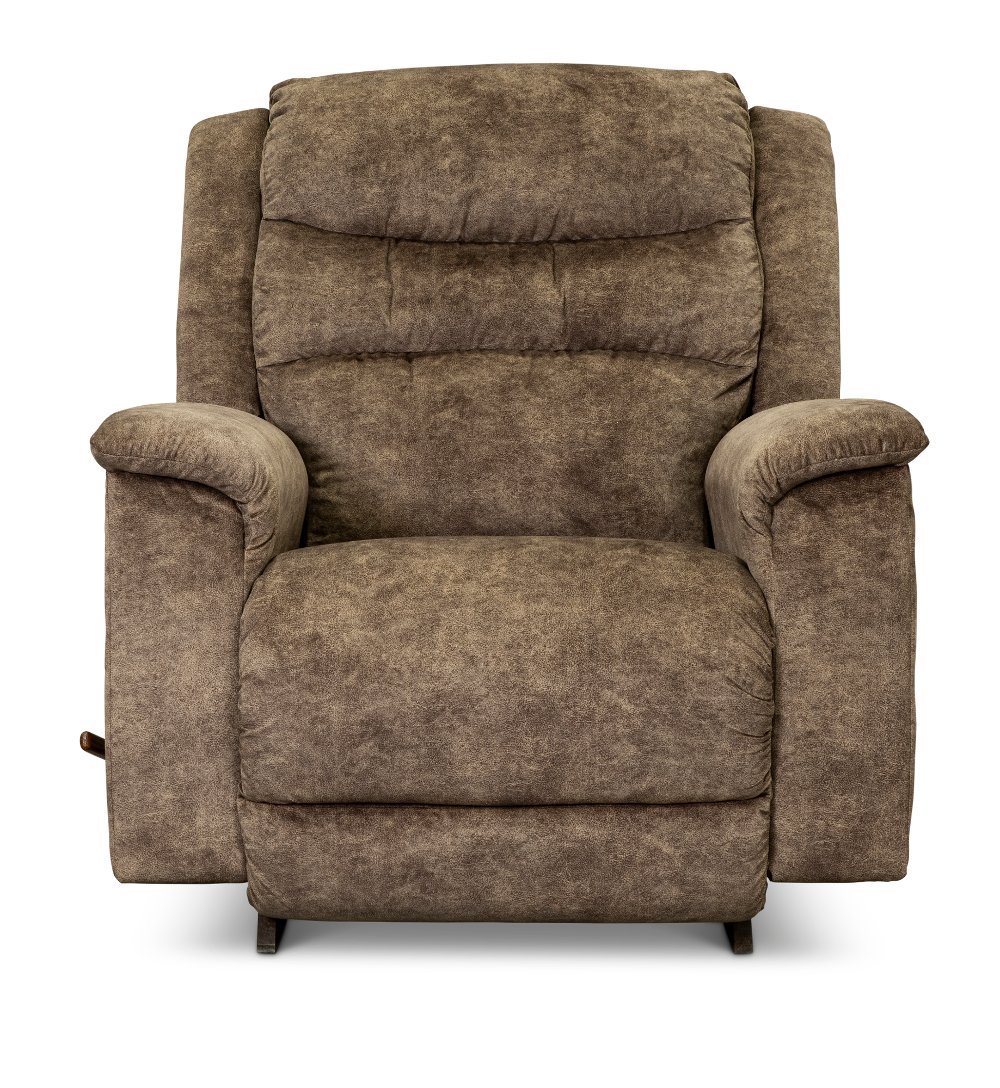
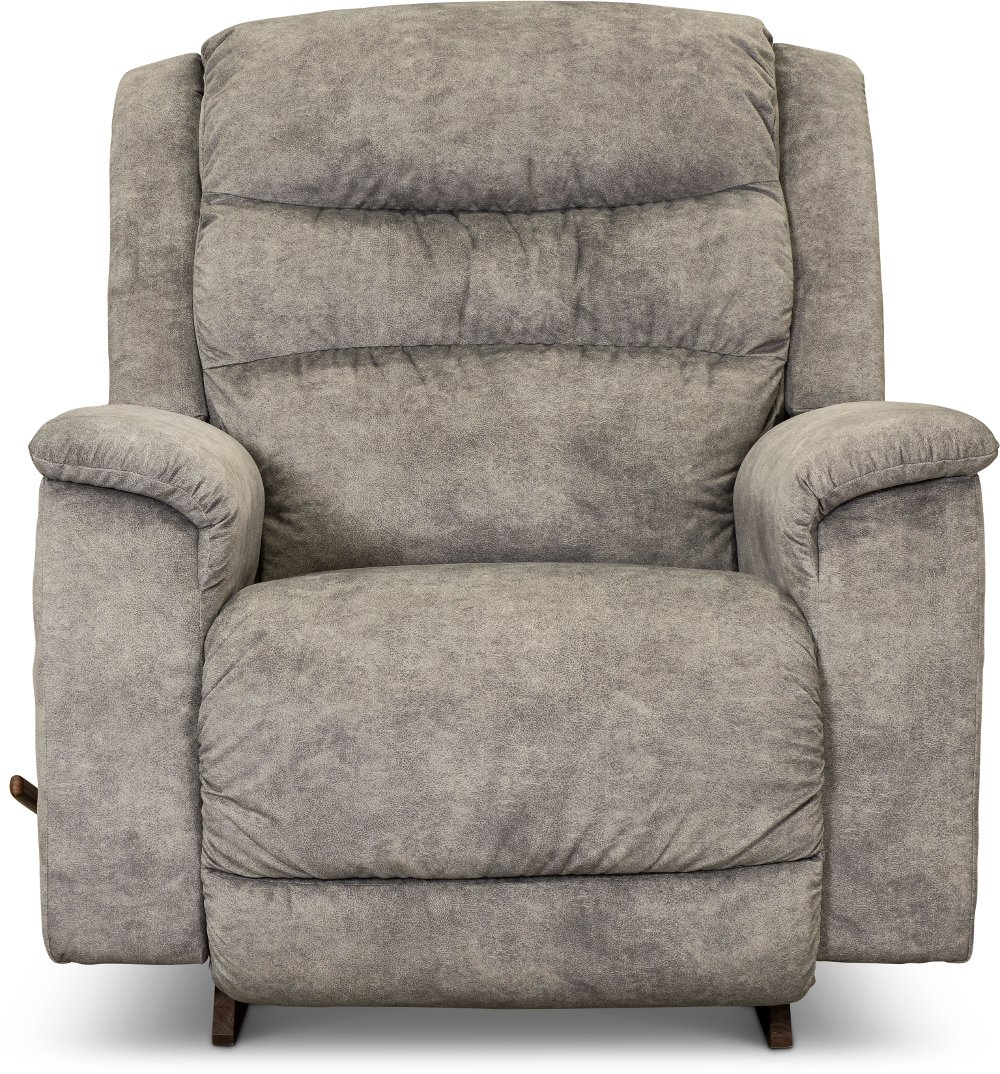
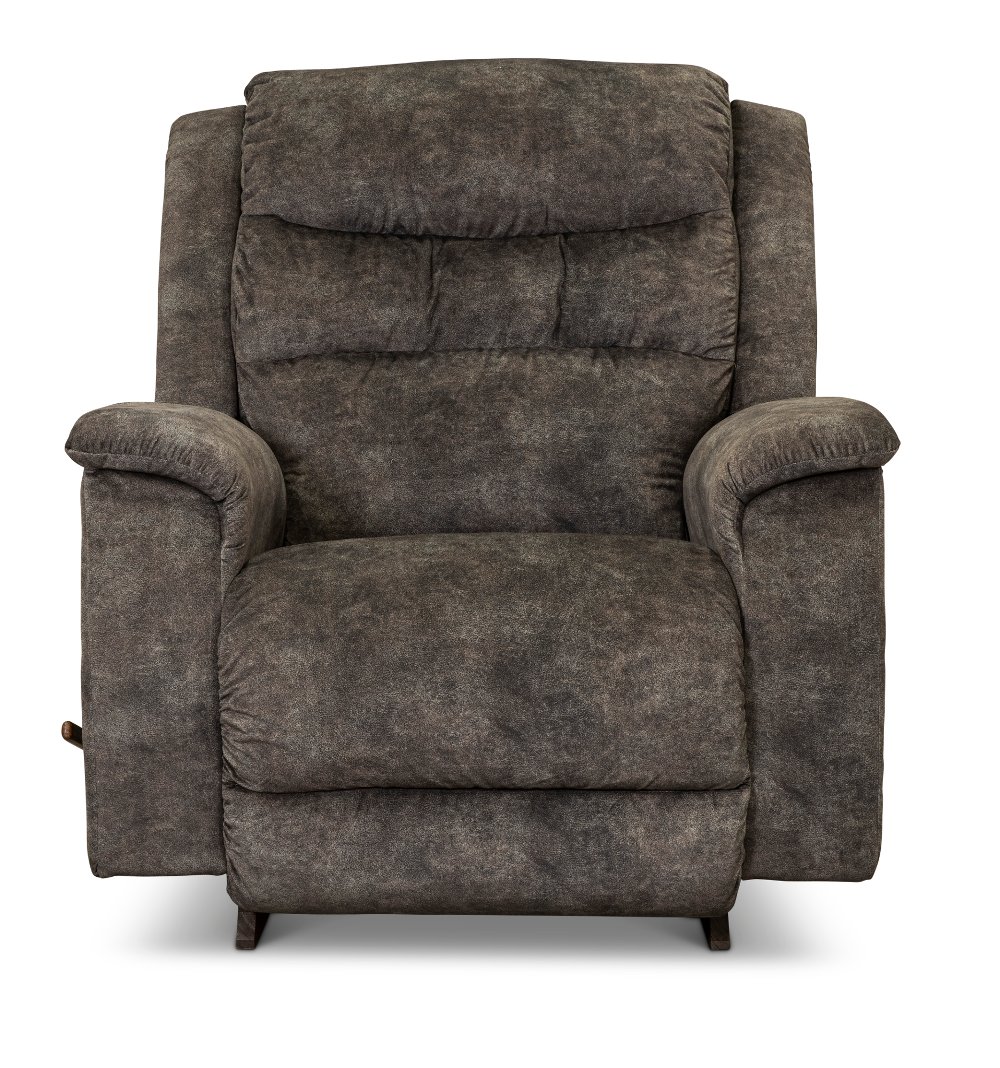
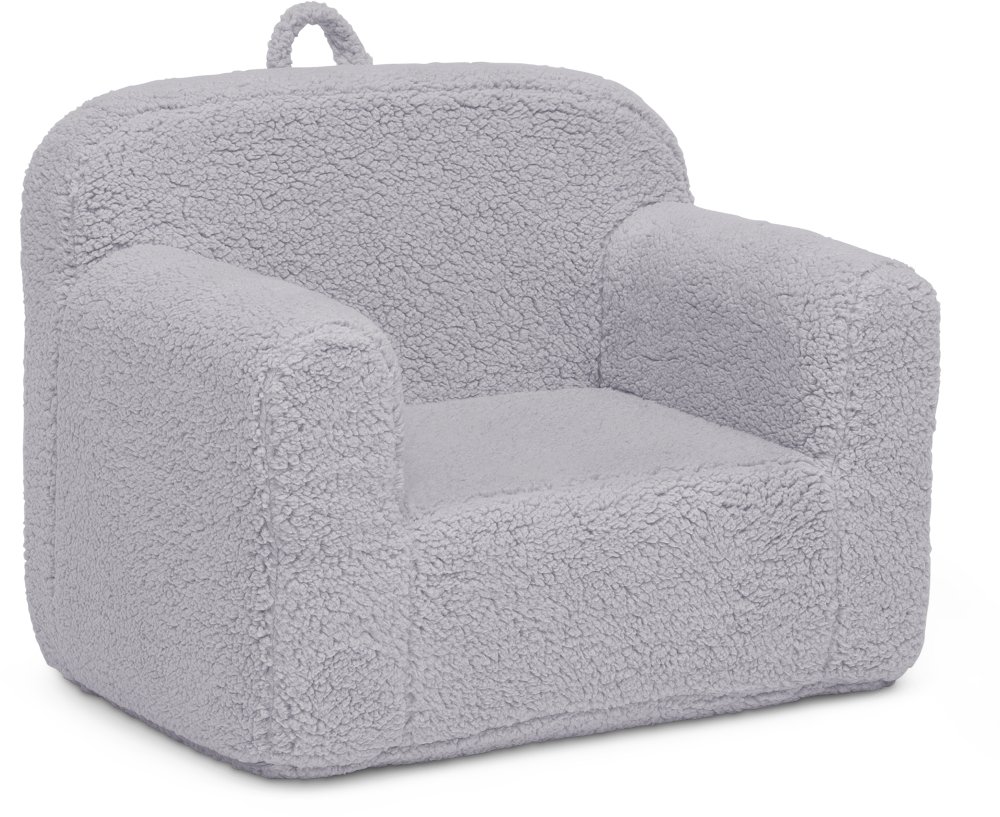
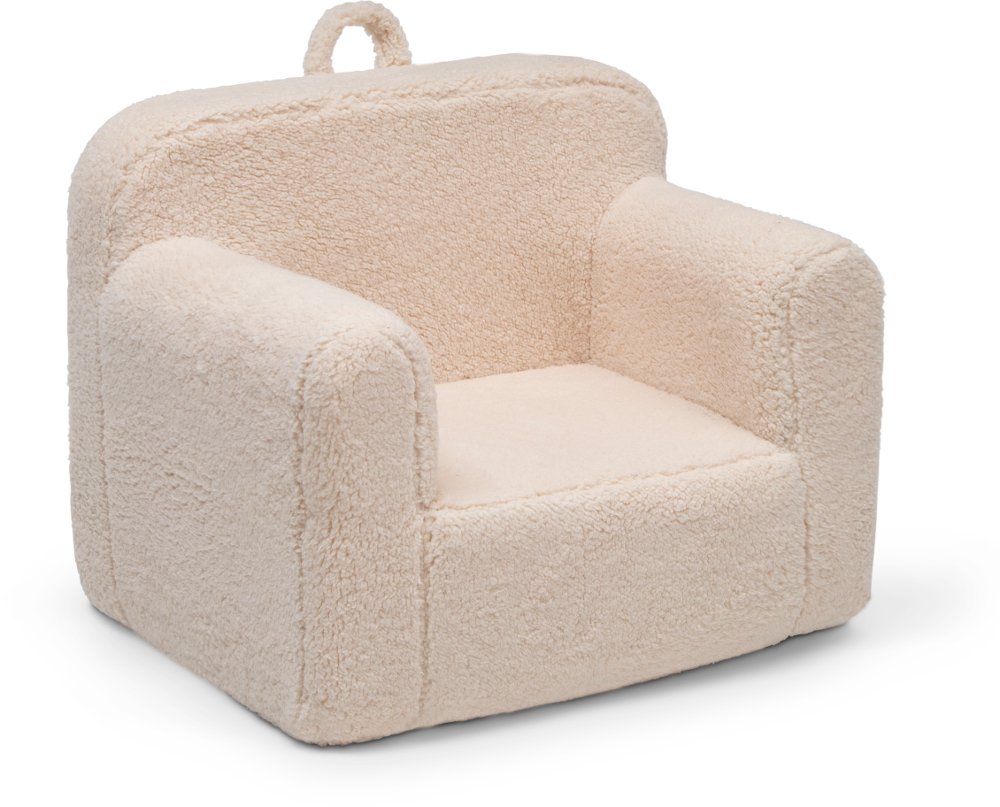
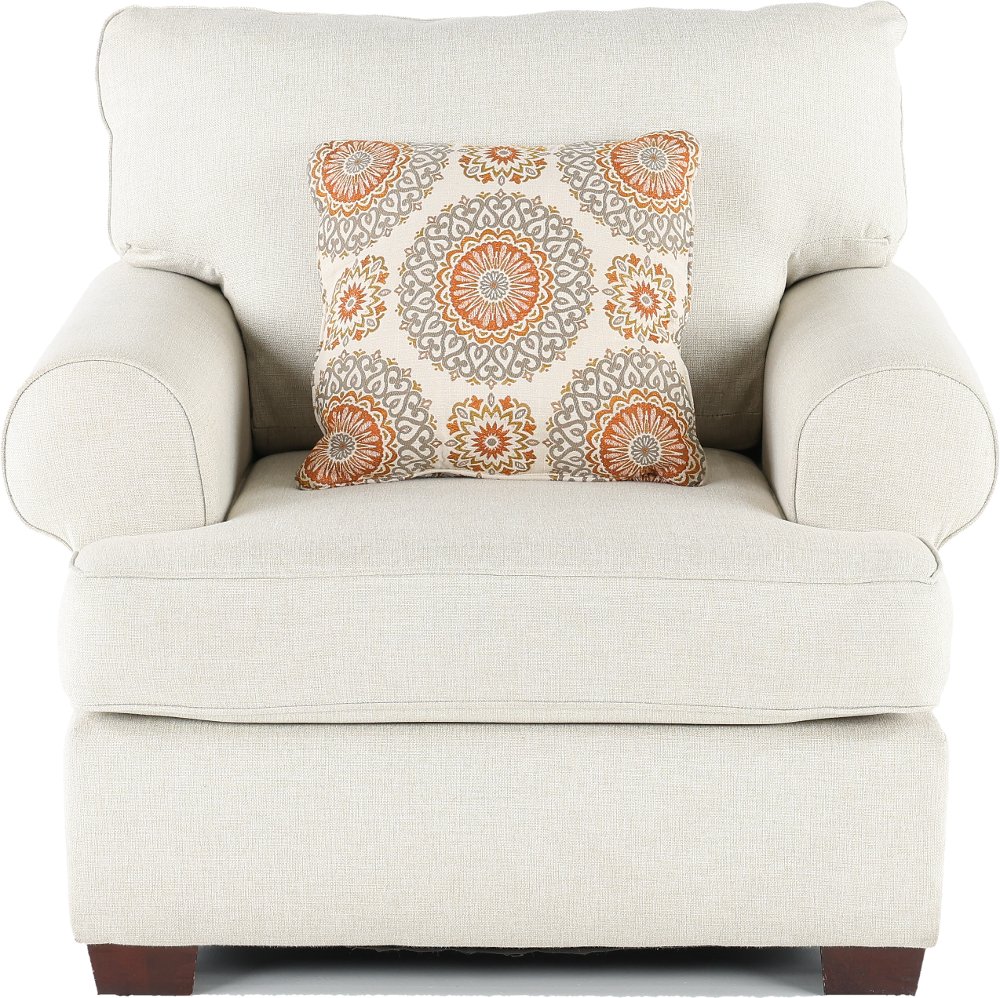
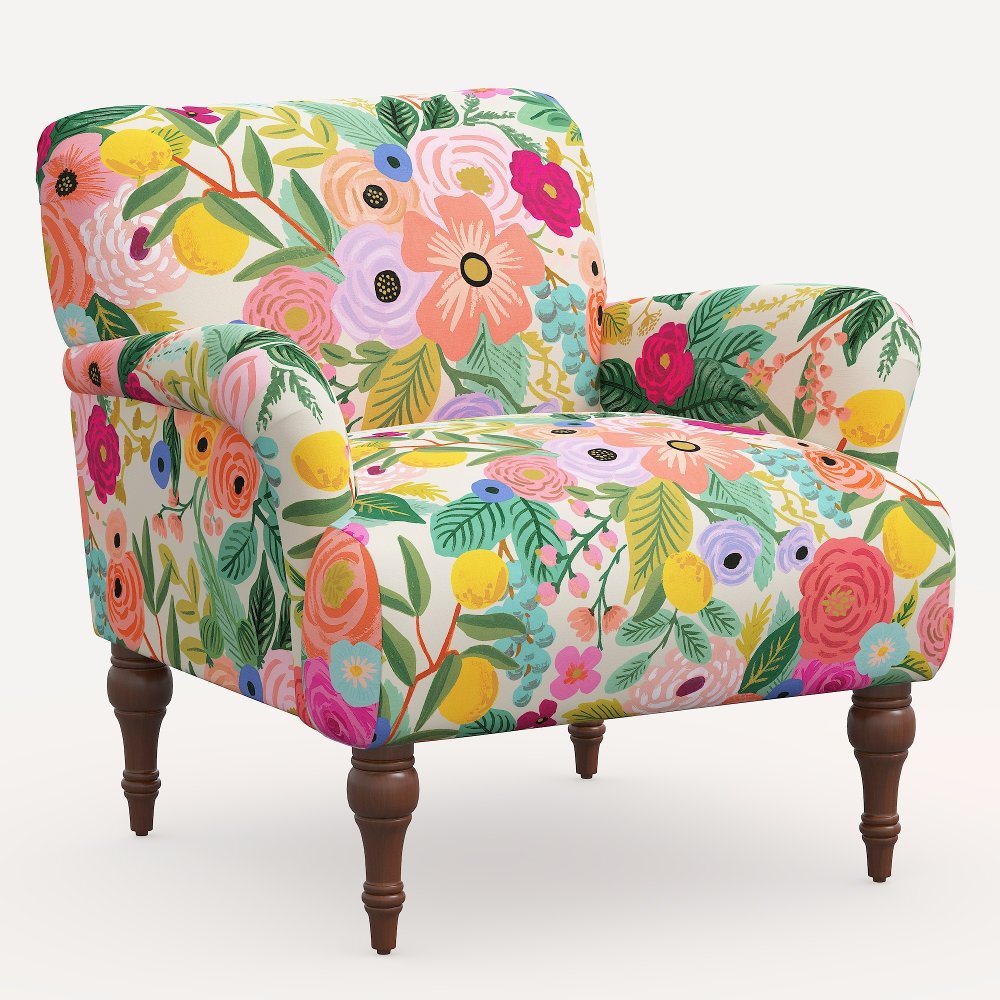
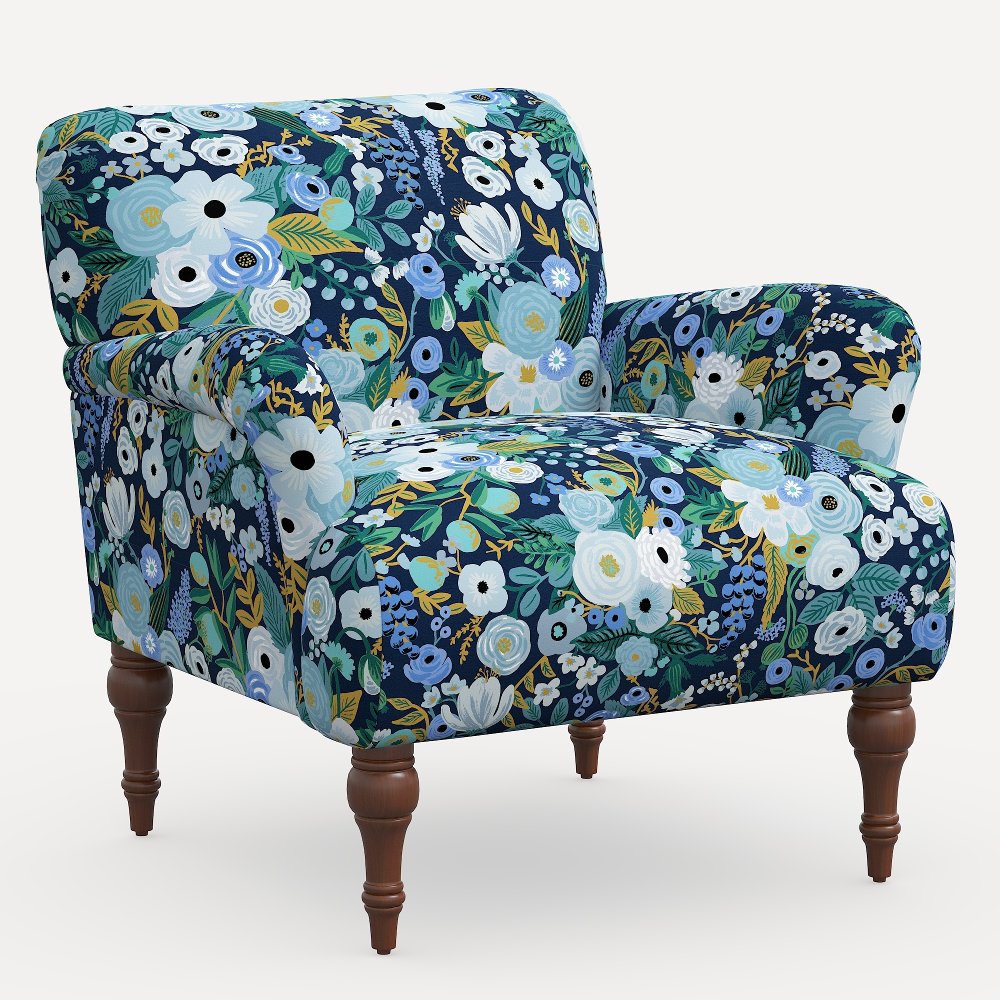
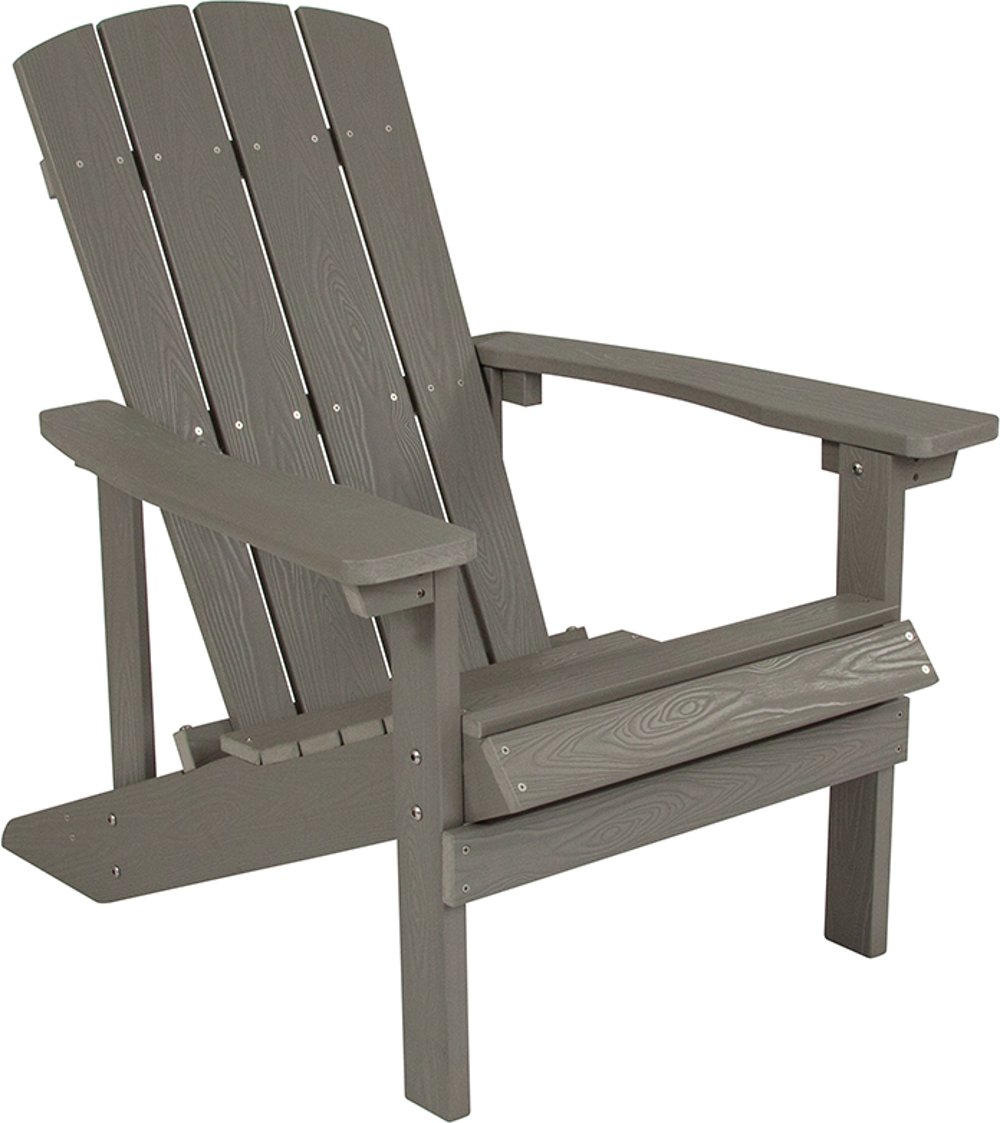
Chairs for nurseries give parents a comfortable place to feed, soothe, read, and share the quiet moments that make a baby’s room feel like home. The right chair often becomes part of the daily rhythm: a soft landing after a long day, a cozy spot for an early-morning bottle, or the place where a fussy baby finally relaxes against a familiar shoulder. When you’re comparing nursery chairs, start with the way you expect to use the seat. Gliders move smoothly back and forth on a fixed base, which can make them a practical choice for smaller rooms and late-night soothing. Many gliders also swivel, giving you a little more flexibility when you need to turn toward a side table, reach for a blanket, or stand without disturbing a sleeping baby. Rockers offer a more traditional motion and bring a warm, classic feeling to the room, though their curved legs may need additional floor clearance. Recliners let you lean back and often include a built-in footrest, making them especially comfortable during longer feeding sessions or those stretches when you and your baby both need to rest. Some chairs combine more than one type of motion, so you can look for the balance of movement, support, and space that feels natural for your nursery. A chair for a nursery can also be a thoughtful gift for expecting parents, grandparents preparing a welcoming room, or families creating a comfortable place for a new child. If you’re giving one as a gift, consider the nursery’s available floor space, the recipient’s decorating style, and whether the chair will need to pass through narrow doorways or fit beside a crib, dresser, or changing table. A beautiful chair is even more helpful when it works easily within the room’s layout.
Comfort matters most when you may spend many hours in the chair, sometimes with one arm occupied and the other reaching for a bottle, burp cloth, book, or pacifier. Look for a supportive back that allows you to sit upright without feeling stiff, along with well-padded armrests that give your elbows and shoulders a comfortable place to rest. A deep seat can feel inviting, but make sure it doesn’t make it difficult to stand while holding your baby. Seat height is another useful detail to consider, especially for anyone recovering from childbirth or managing back, hip, or knee discomfort. A smooth, quiet motion helps keep those peaceful moments peaceful, while a sturdy frame and stable base provide dependable support each time you sit down or rise. If you’re considering a power recliner, check the control placement and make sure it’s easy to reach from a seated position. For a manual recliner, test how easily the footrest opens and closes. Swivel and gliding mechanisms should move evenly without catching, and the chair should remain stable while you turn or rock. Before choosing a size, measure the full footprint of the chair, including the space needed for reclining, rocking, or swiveling. Leave enough room to walk safely around it and to open nearby drawers or doors. It can help to mark the dimensions on the floor with painter’s tape; that simple step gives you a realistic sense of how the chair will feel in the nursery instead of relying on measurements alone. During the cooler months, a nursery chair may become a favorite place for wrapping your baby in a blanket and settling in for a quiet story, so think about how the seat will feel with a nursing pillow, throw, or footstool nearby.
Nursery life includes plenty of everyday surprises, from milk drips and snack crumbs to muddy socks after a stroller walk. Choosing an easy-care fabric can make those little moments feel manageable. Stain-resistant upholstery, removable cushions, or performance fabrics can be helpful in a busy home, while smooth woven textures may offer a clean, versatile look that works as your child grows. Light-colored upholstery can brighten a room, but darker or patterned fabrics may help disguise small marks between cleanings. Follow the manufacturer’s care instructions and keep a soft cloth nearby for quick attention to spills. Materials and construction deserve consideration, too. Families may prefer low-emission materials or certifications that support indoor air quality, particularly in a room where a baby sleeps and plays. Look for clearly stated information about the frame, upholstery, finish, and cleaning requirements so you can choose with confidence. Keep cords, control wires, and other loose pieces out of a baby’s reach, and position the chair away from windows, heaters, and pathways where it could create a hazard. A nursery chair doesn’t have to match every other piece in the room; it can complement the crib and storage furniture through color, texture, or shape while still offering its own personality. For a coordinated room, explore Nursery Furniture Sets alongside individual seating. Whether you prefer a softly rounded silhouette, a traditional wooden frame, or a streamlined chair with gentle motion, choose a piece that feels welcoming now and useful for years ahead. Many parents continue using a nursery chair for bedtime stories, afternoon cuddles, and reading practice long after bottles and lullabies have passed, making comfort, durability, and everyday ease valuable parts of the decision.
Read More