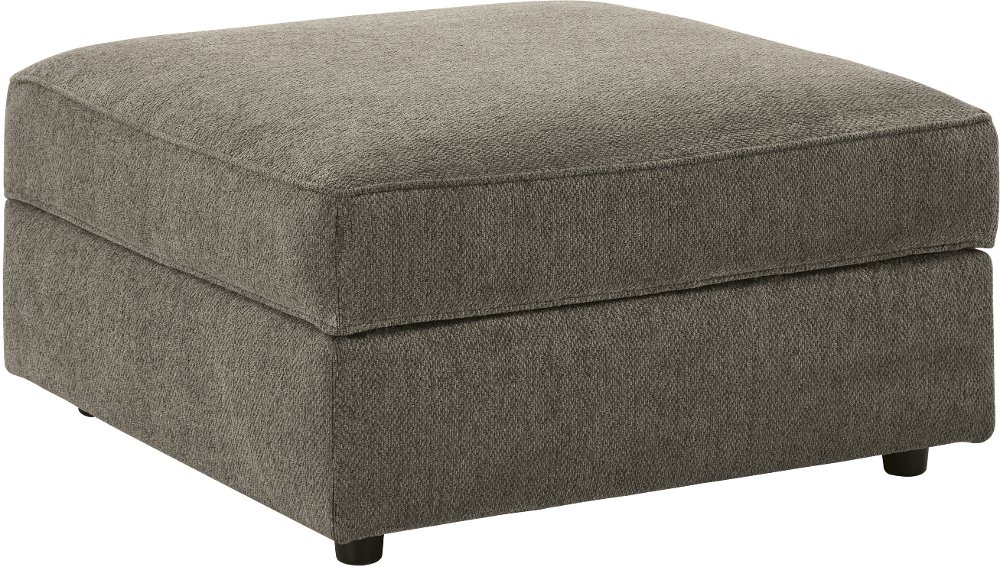
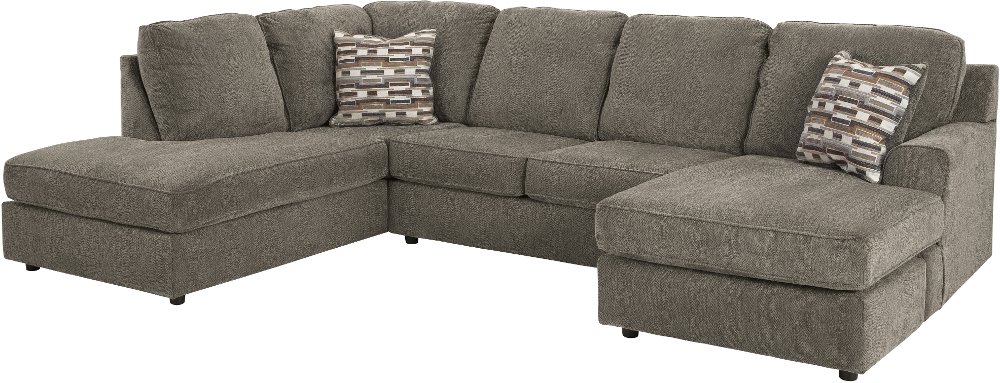
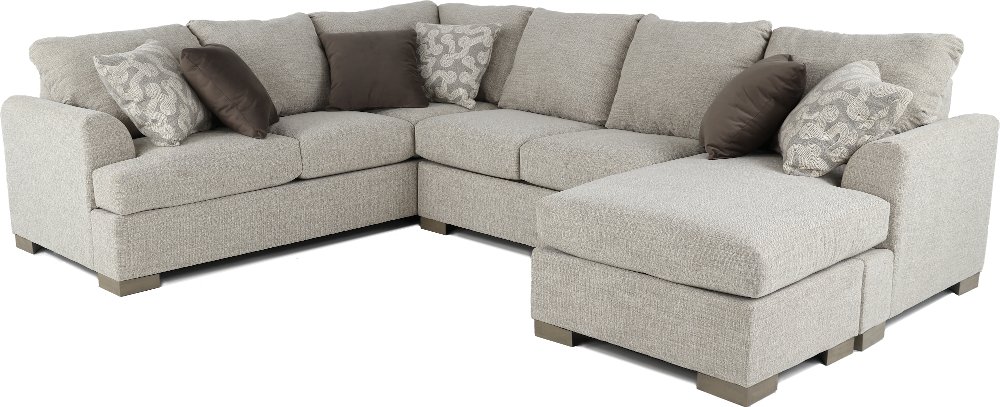
Chenille ottomans bring a soft, inviting texture to the places where you stretch out, settle in, and spend time together. Their appeal starts with chenille yarn, which has short fibers projecting around a central core to create a fuzzy, plush surface. That texture gives upholstery a subtle sense of depth, so even a simple square or rectangular ottoman can add interest beside a smooth leather sofa, a woven accent chair, or a wood coffee table. Chenille describes the yarn construction rather than a single fiber: upholstery may contain polyester, cotton, rayon, or a blend, and the fiber content helps determine how the fabric feels and how it should be cleaned. Some chenille feels velvety and dense, while other versions have a more pronounced weave with a relaxed, nubby appearance. The pile can also catch light differently as you move around the room, creating gentle variations in shade that are part of its character. Neutral tones can make an ottoman feel like a natural extension of the seating area, while a deeper color can give a simple room a comfortable focal point. For a coordinated reading corner, pairing an ottoman with chenille fabric chairs creates continuity through texture without requiring every piece to look identical. Similar undertones, complementary shapes, or matching leg finishes can connect the furniture just as effectively as an exact fabric match. A clean-lined ottoman suits a streamlined room, while rounded corners, tufting, or a skirted base can soften the overall look. Exposed legs leave more of the floor visible, which can help a smaller seating arrangement feel less crowded. Beyond appearance, the padding matters: a softly cushioned top offers a different experience from a firmer, more structured surface. For someone who likes to put their feet up with a book or relax beside family during a movie, those differences become part of everyday comfort. The right combination of texture, shape, and cushioning makes an ottoman feel like a useful part of the room rather than an accessory added at the end.
A chenille ottoman works best when its size and purpose fit the way the room is used. A compact footstool can give a favorite armchair a comfortable finishing touch without taking over a small living area, while a broad rectangular ottoman can visually anchor a larger sofa arrangement. Round shapes offer a softer outline between seats, and a pair of smaller ottomans can be easier to reposition than one oversized piece. Height deserves particular attention when the main purpose is resting your feet. A top that sits close to, or a little below, the seat cushion often feels more natural than one that lifts your legs sharply upward, though cushion compression and personal preference also matter. Width and depth affect whether one person can settle in comfortably or two people can share the surface. Measuring the footprint on the floor helps make those proportions easier to picture, especially near a sectional with a chaise or a chair that reclines. Leave comfortable walking paths and enough clearance for nearby drawers, cabinet doors, and reclining mechanisms. An upholstered ottoman can also serve as a casual centerpiece in place of a traditional coffee table, particularly in a room built around lounging. A stable tray can provide a more practical surface for a remote or a small serving setup, but a cushioned top still calls for care with drinks and breakable objects. Storage designs add another layer of usefulness by giving throws, reading materials, or game controllers a place to go between uses. Check the opening clearance and hinge design, especially in a household with children. If extra seating is part of the plan, choose an ottoman specifically intended to support a seated adult and follow its stated weight limit; a footrest isn't automatically a seat. These details help distinguish a decorative accent from a piece that earns its place through daily use, whether it's furnishing a first apartment, finishing a family room, or making a bedroom sitting area more comfortable.
Everyday durability comes from the whole ottoman, not just the softness of its cover. A well-supported frame, secure joints, sturdy legs or a stable base, and padding that holds its shape all contribute to how the piece handles repeated use. Upholstery construction matters, too: closely woven fabric may behave differently from a looser, more textured weave, and raised yarns can be vulnerable to catching on pet claws, jewelry, or rough fasteners. Chenille isn't automatically stain resistant or suitable for every busy household, so any performance features should be confirmed rather than assumed. In a room shared with children or pets, consider how the surface will handle the habits that already exist, from a dog circling before a nap to small hands carrying snacks across the seating area. A medium-value color or subtly varied texture may make everyday marks less noticeable, but neither replaces appropriate cleaning. The attached care label is the starting point because chenille fabrics can require different cleaning methods depending on their fibers, backing, and finishes. Gentle vacuuming with an appropriate upholstery attachment helps remove dust and crumbs before they settle into the pile. For a spill, blot promptly with a clean, absorbent cloth rather than rubbing, which can spread the moisture or disturb the surface. Use only a cleaning method approved for the upholstery, test suitable products in a hidden area, and avoid soaking the fabric. Professional upholstery cleaning may be the better choice when the care instructions call for it or a stain needs more attention. Keeping the ottoman out of prolonged direct sunlight can help reduce uneven fading, while felt pads or other floor-appropriate protection beneath the base can help protect the surface below. Over time, pressure and brushing can change the direction of the pile, so slight shading differences don't always indicate a stain. With a size that suits the seating, a fabric chosen for the household, and care that follows the manufacturer's instructions, a chenille ottoman can become a dependable spot to put your feet up and make the room feel more welcoming.
Read More