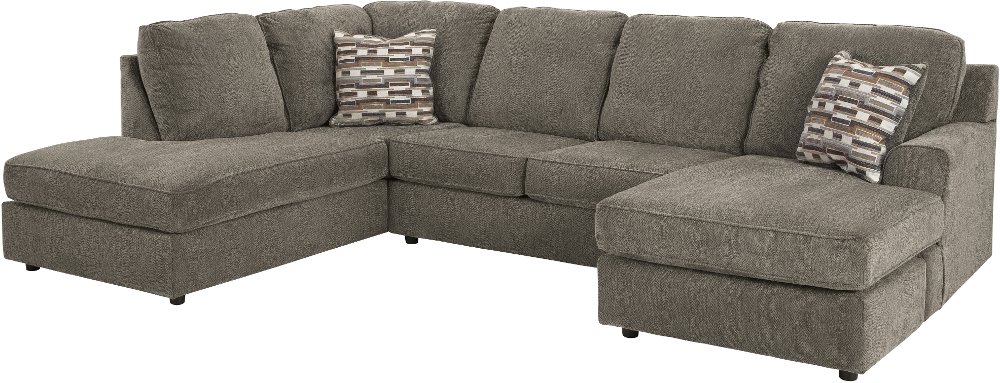
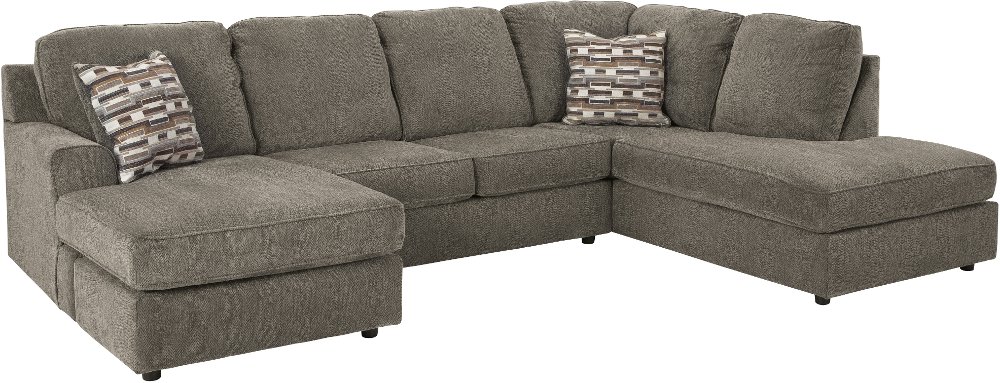
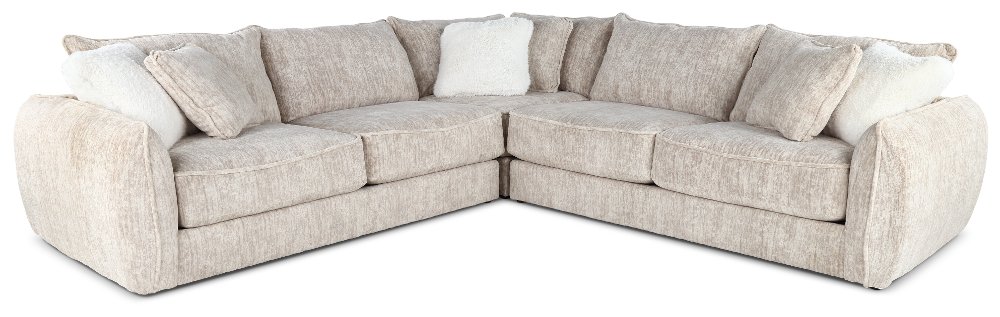
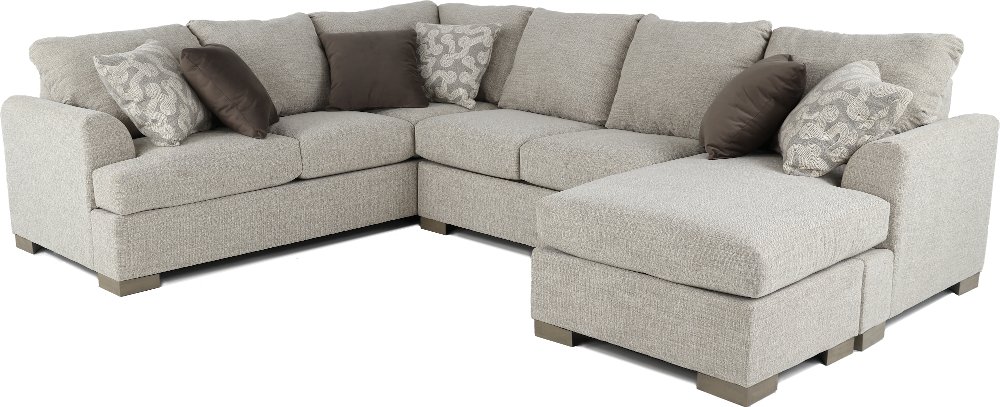
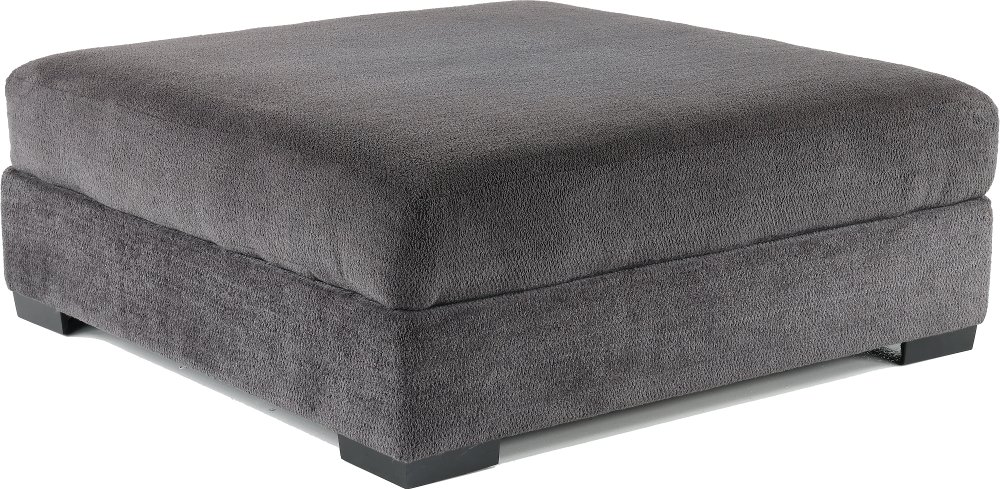
Chenille sofas feature upholstery made with fuzzy, pile-covered yarns that give the fabric its soft feel and textured appearance. Short fibers held between twisted core yarns create that distinctive surface, which can feel velvety while showing more visible texture than many smooth upholstery fabrics. Chenille describes the yarn construction, not a single material: the fabric may contain polyester, cotton, acrylic, rayon, or a blend of fibers. Those differences matter because softness, resistance to wear, and cleaning requirements depend on the fiber content and the finished fabric’s construction. Polyester chenille can be a practical choice for everyday seating, while cotton-containing blends may appeal to anyone who prefers the feel of natural fibers. No fiber alone guarantees durability, though, so the upholstery specifications and care label deserve attention alongside the color and silhouette. In a living room, chenille adds depth without necessarily adding a bold pattern. An oatmeal sofa can soften the look of a dark coffee table, a charcoal sofa can anchor a room with pale walls, and a muted blue or green can introduce color without competing with artwork. The pile catches light differently depending on its direction, so the same upholstery may look lighter from one side of the room and darker from another. That shading is often part of chenille’s character rather than an uneven dye job. A fabric swatch viewed beside the flooring, curtains, and other seating gives a more useful impression than color viewed in isolation. Tailoring changes the overall effect, too: narrow arms and exposed legs can keep a chenille sofa visually light, while broad arms and a low profile create a more substantial presence. The appeal is both visual and practical—a textured place to settle in with a book, share a movie, or welcome company. The best match balances that inviting surface with a shape, seat depth, and level of support that suit the people using it.
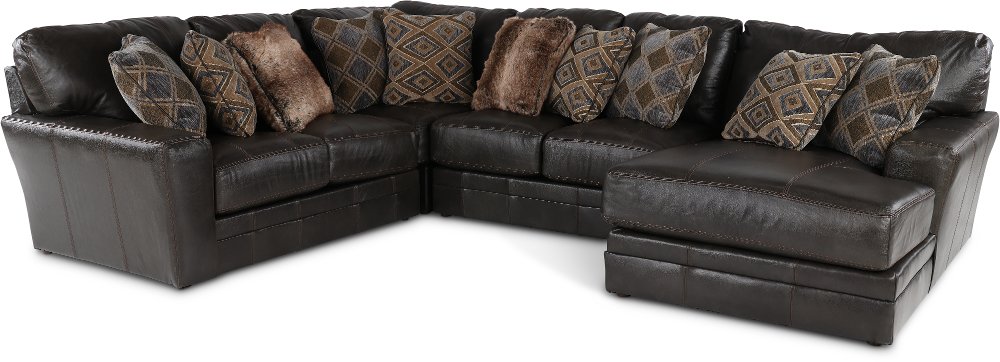
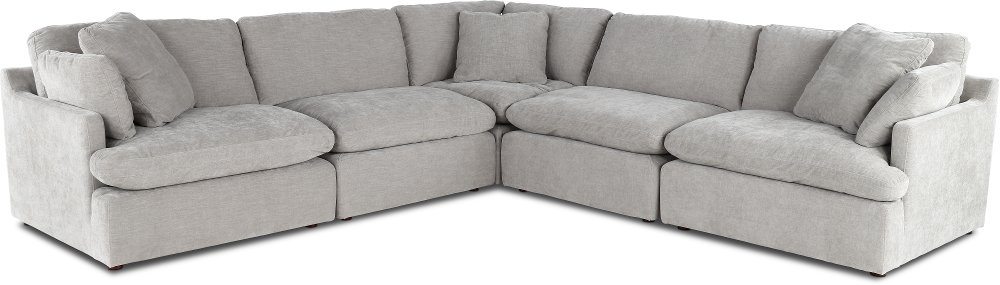
A chenille sofa’s fit involves more than its overall width. Seat depth influences whether sitting upright feels natural or whether there’s room to tuck your legs underneath you. A shallower seat can make conversation and getting up easier, particularly for shorter adults, while a deeper seat often suits lounging and stretching out. Seat height, arm height, and cushion firmness also affect everyday comfort. Someone who uses the sofa for reading may appreciate an arm that supports an elbow; someone who likes to lie down may prefer a lower, padded arm. In a shared living room, a balanced seat depth and supportive cushions can accommodate a wider range of preferences. Overall dimensions should leave enough room for side tables, opening drawers, and the paths people take through the space. Marking the sofa’s footprint on the floor helps show whether a generous-looking seat will crowd the route from the doorway to the kitchen. Delivery access matters just as much: door openings, hallway turns, stair landings, and elevator dimensions can limit what reaches the room, even when the sofa fits its intended wall. For a corner arrangement or more connected seating, chenille sectionals offer another way to organize a gathering space, while a traditional sofa paired with chairs allows more flexibility in how people face one another. Beneath the upholstery, frame construction, joints, suspension, and cushion materials determine much of the support and long-term performance. Well-constructed hardwood or furniture-grade engineered wood frames can provide a solid foundation, but the quality of the assembly matters more than a material name alone. Foam cushions generally provide a more defined shape, while fiber or feather-blend cushioning may feel softer and require more regular fluffing. Removable, reversible cushions can help distribute wear when their construction allows rotation. For a family room used every day, these details deserve as much consideration as the plush fabric.
Chenille’s softness works well in frequently used living spaces, but its raised fibers benefit from thoughtful care. Durability varies with the weave, yarn quality, fiber blend, and use, so a thick or fuzzy surface doesn’t automatically mean the upholstery can handle rough treatment. A tightly constructed fabric may be better suited to a busy household than a more open weave, especially where pets share the seating. Claws, jewelry, and clothing hardware can catch exposed yarns; a washable throw on a favorite pet’s spot adds a practical layer of protection without covering the whole sofa. Friction can also cause pilling on some fabrics, and repeatedly rubbing one arm or seat edge may change its appearance over time. Regular vacuuming with an upholstery attachment, using the method recommended by the manufacturer, helps remove dust and crumbs before they settle into the pile. Gentle care is important because aggressive brushing or scrubbing can disturb the surface. Spills need prompt attention: lift away solids carefully, then blot liquids with a clean, absorbent cloth rather than rubbing them outward. Before applying any cleaner, check the upholstery care code and the manufacturer’s directions. A W code permits appropriate water-based upholstery cleaners, an S code calls for an appropriate solvent-based cleaner, and a W/S code allows either type as directed. An X code limits routine cleaning to vacuuming or light brushing. None of these codes means the fabric should be saturated, and a zippered cushion cover isn’t necessarily machine washable. Testing an approved cleaner in a hidden area helps reveal changes in color or texture before treating a visible spot. Keeping the sofa away from prolonged direct sunlight can help reduce fading, while rotating suitable cushions helps balance everyday use. With the right construction and a manageable care routine, a chenille sofa can bring comfortable, textured seating to a quiet reading room, a shared apartment, or the living room where everyone naturally gathers.
Read More