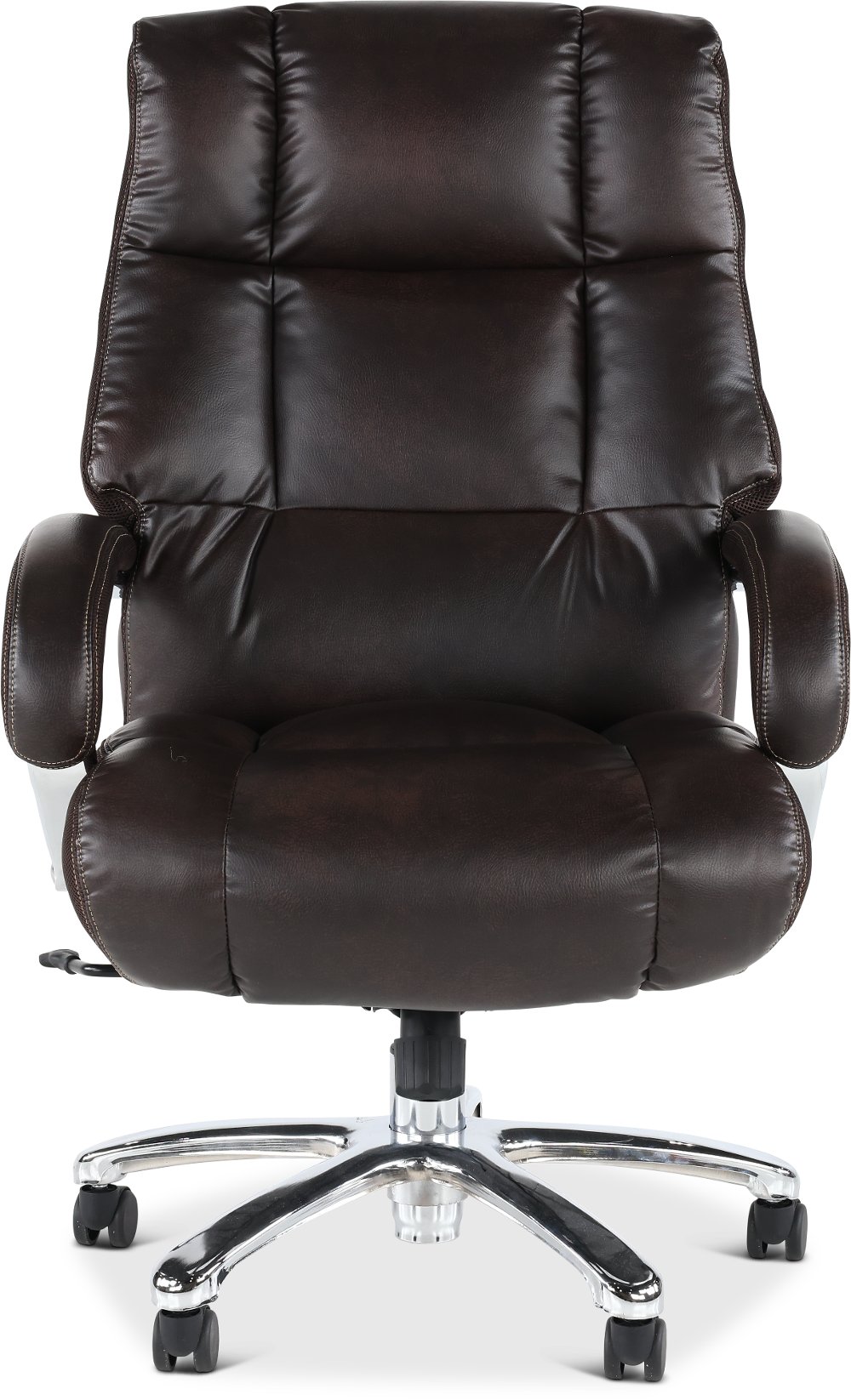
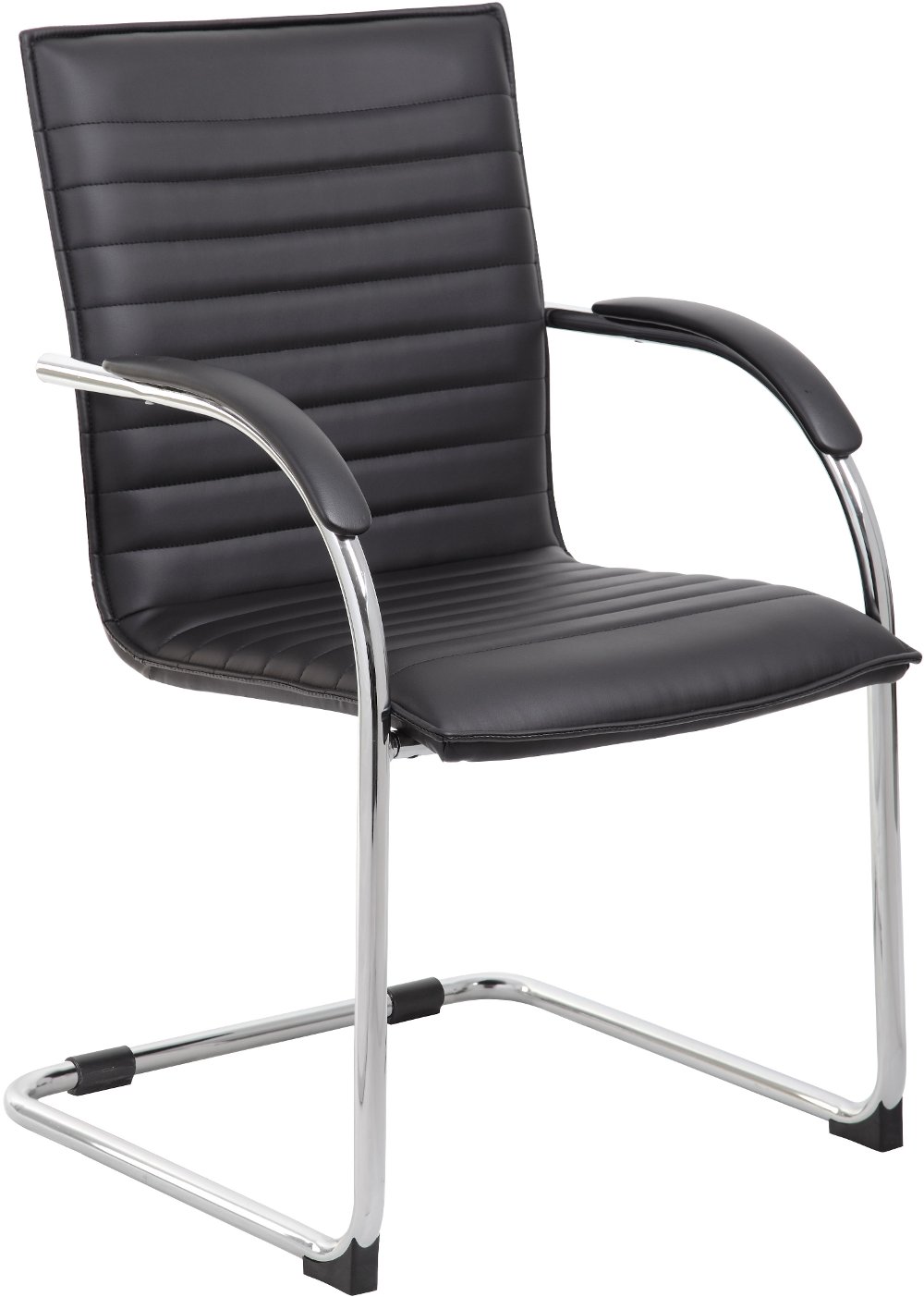
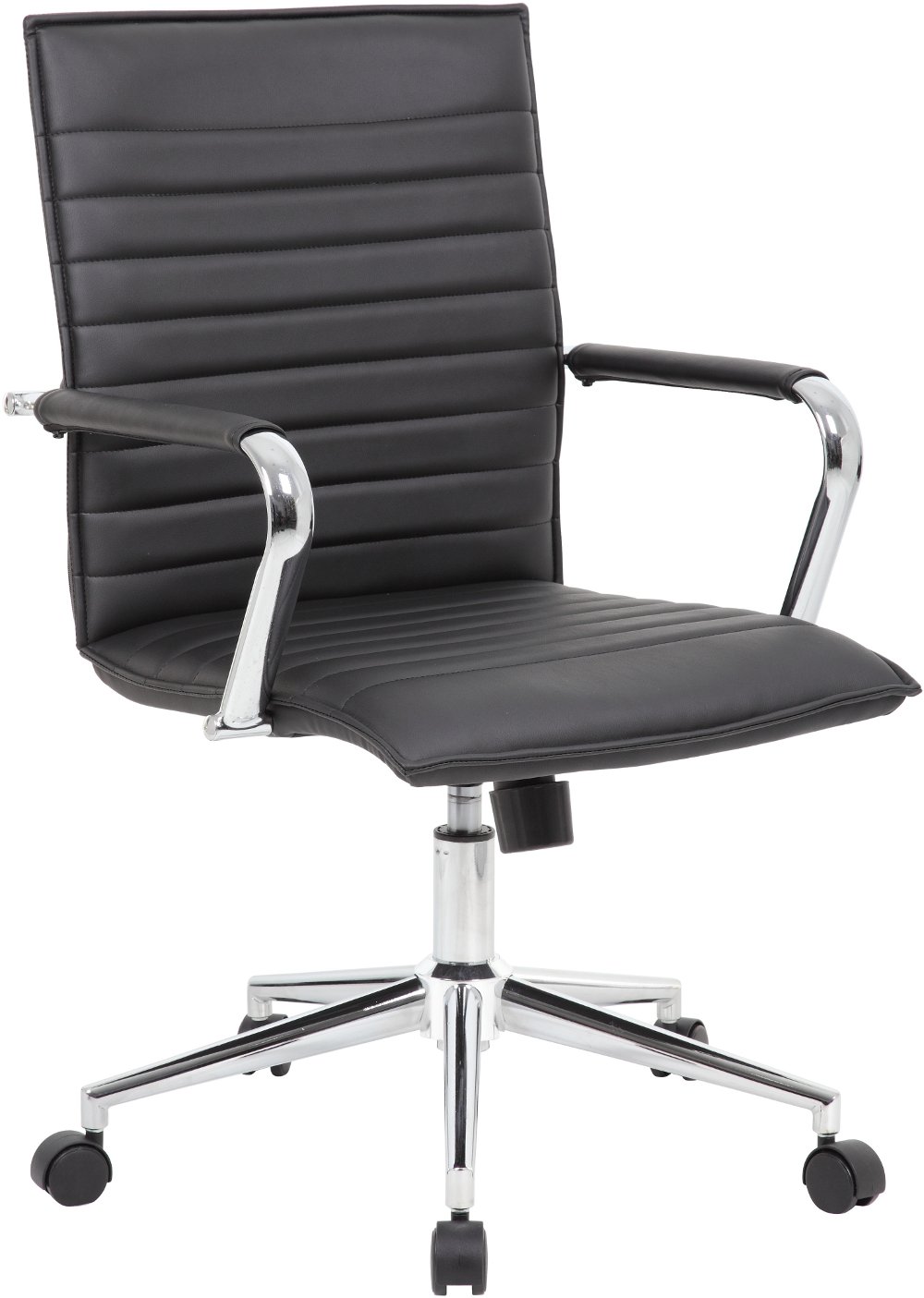
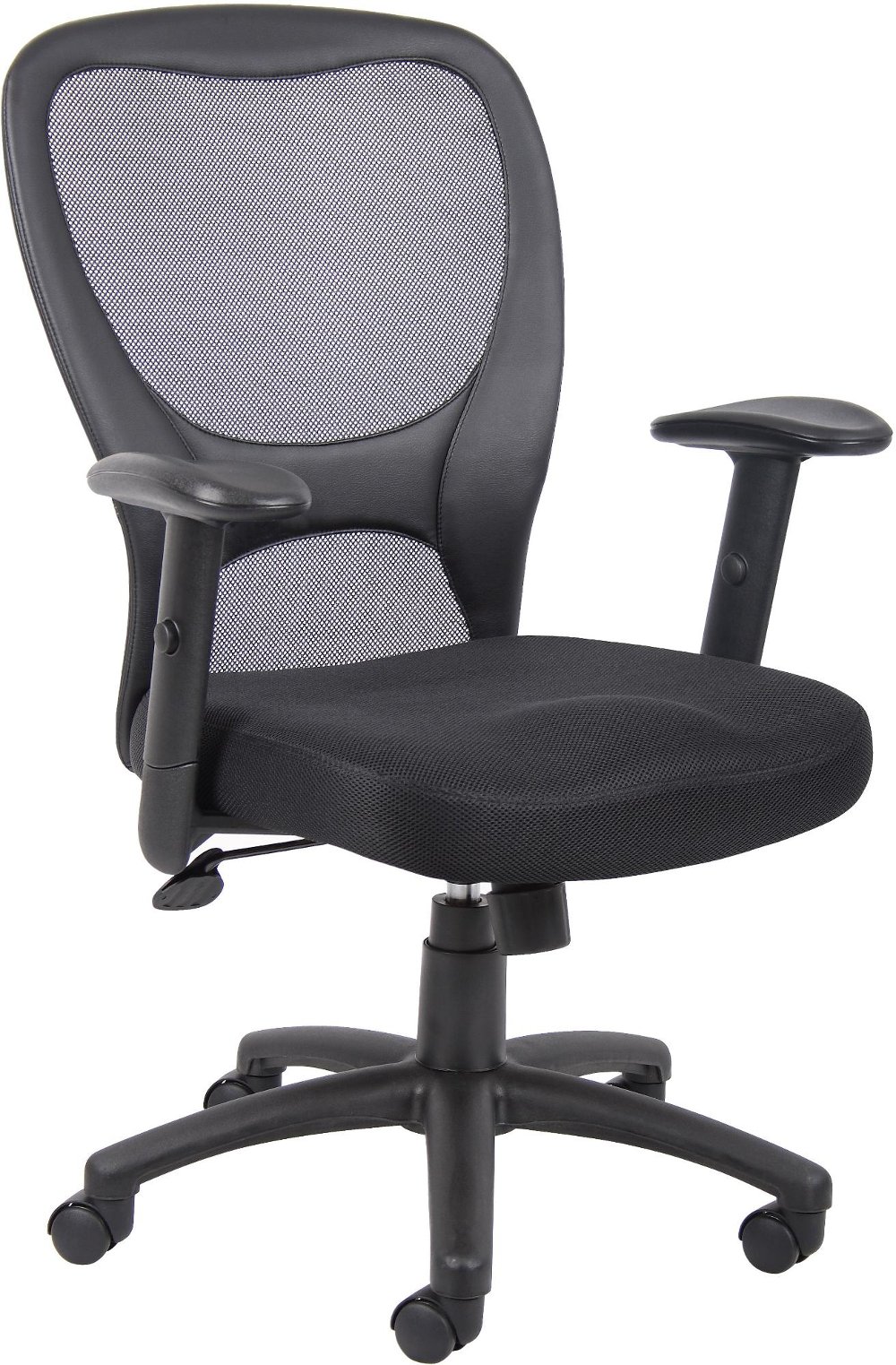
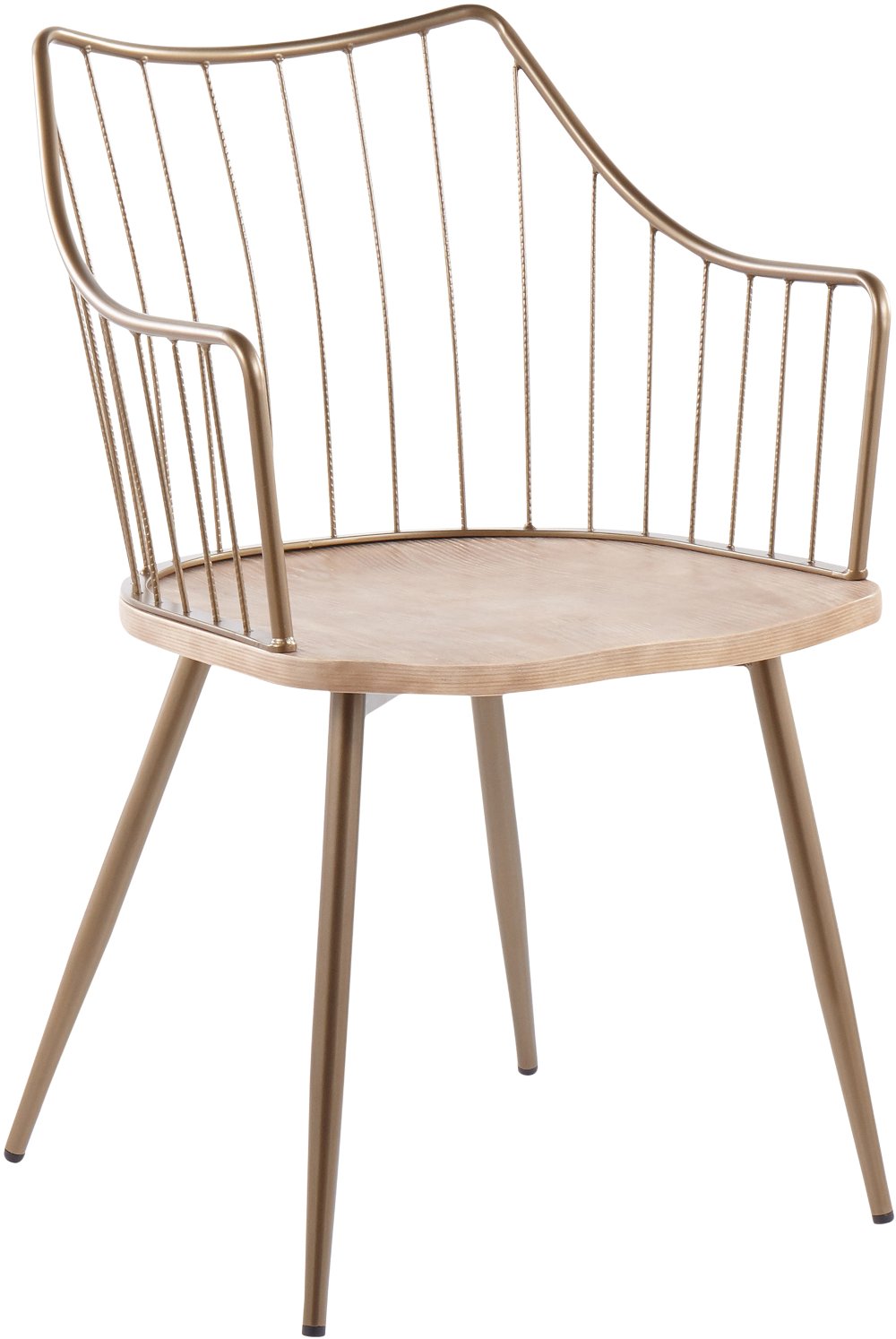
Chrome base chairs are seats supported by a metal foundation, commonly steel, with a chrome-plated finish that creates a bright, reflective surface. The chrome is a finish rather than the structural material itself, so the chair’s strength depends on the metal underneath, its construction, and the way the base connects to the seat. That distinction matters when comparing chairs that look similar but serve different purposes. A rolling office chair, a stationary dining chair, and a swivel accent chair may all have chrome bases, yet each supports a different kind of activity. The polished finish gives these chairs a crisp look without requiring the rest of the room to feel formal. Against a wood dining table, chrome adds contrast to the grain; beside a glass desktop, it keeps the overall look light and open. It also pairs comfortably with painted furniture, neutral upholstery, and bolder colors. Repeating a polished metal detail in a lamp or cabinet pull can help connect the room, but every finish doesn’t need to match. A few coordinated touches usually feel more natural than using the same metal everywhere. The seat material makes just as much difference as the base. Woven upholstery adds texture and a softer appearance, while leather offers its own grain and character. Faux leather can provide a smooth surface, though its cleaning requirements and wear characteristics differ from genuine leather. Molded seats create a more streamlined profile and may suit spaces where easy surface cleaning matters more than plush cushioning. For a dining nook used for meals, homework, and conversation, consider both how the chair looks at the table and how it feels after everyone has settled in. A sleek silhouette can still offer a generous seat, supportive back, and comfortable padding; those details deserve as much attention as the shine.
The best fit starts with the job the chair needs to do and the space it has to do it in. At a dining table, measure from the floor to the underside of the tabletop or apron, not just to the top surface. Roughly 10 to 12 inches between the seat and the underside of the table is a common starting point for comfortable legroom, though body size, cushions, and table construction can change the fit. Check arm height, too, especially if chairs need to tuck neatly beneath the table. A wide chrome sled base or angled legs may extend beyond the seat, so use the chair’s full dimensions when planning spacing. Leave enough room to pull out, sit down, and move behind occupied chairs without catching a foot on the base. For a desk, comfort depends more on adjustability and alignment with the work surface than on appearance alone. Seat-height adjustment, usable back support, and armrests that don’t force shoulders upward can make everyday tasks easier. Someone working through a full day of computer time may need different support than someone who sits briefly to pay bills or check a calendar. For a closer look at work-focused seating, explore Office Chairs With Metal Base. Compare the listed adjustments, seat dimensions, and intended use rather than assuming every chrome base chair offers the same ergonomic features. A swivel can make it easier to turn toward a nearby shelf, while casters help with movement between a desk and an adjacent work surface. Stationary bases may be more appropriate at a dining table or in a conversation area. Cantilever bases have a distinctive open shape and may allow a little flex, depending on their design, but they aren’t substitutes for a rocking chair. Whatever the base style, check the manufacturer’s weight capacity and instructions. A shiny finish doesn’t reveal how much support a chair provides, and a substantial-looking base isn’t a reason to overlook those specifications.
Everyday durability comes from the complete chair: the frame, connections, upholstery, moving parts, and protective finish working together. Chrome plating can help resist corrosion, but it isn’t immune to scratches, chips, or damage from harsh cleaners. Keeping the surface clean and dry helps preserve its appearance. Start with a soft cloth to lift dust, then follow the manufacturer’s care directions for fingerprints or spills. When permitted, a lightly dampened cloth with mild soap can handle routine marks; wipe away residue and dry the metal afterward. Avoid steel wool, abrasive pads, and cleaners that aren’t approved for the finish, since an aggressive scrub can leave damage that polishing won’t fix. Clean the seat according to its own care instructions rather than using one cleaner across fabric, leather, plastic, and metal. Upholstery cleaning codes are especially useful when choosing between water-based cleaning and other methods. In a busy household, consider the small points of contact that shape daily use. Dining chairs should have suitable glides or protective pads for the floor, with worn pads replaced before metal touches the surface. Office chair casters should match the flooring and the manufacturer’s recommendations; wheels intended for one surface may roll poorly or mark another. A compatible chair mat can help protect flooring where appropriate. Periodically check accessible fasteners and connections as directed, particularly if a chair starts to wobble or make a new noise. Lift stationary chairs when moving them instead of dragging their bases across the room. These simple habits help protect both the chair and the surrounding furniture. Whether the seat is headed for an apartment dining area, a shared home office, or a quiet reading corner, focus on the combination of comfortable proportions, practical materials, and a base suited to the floor. Chrome supplies the clean-lined finishing touch; the right fit makes the chair a useful part of everyday life.
Read More