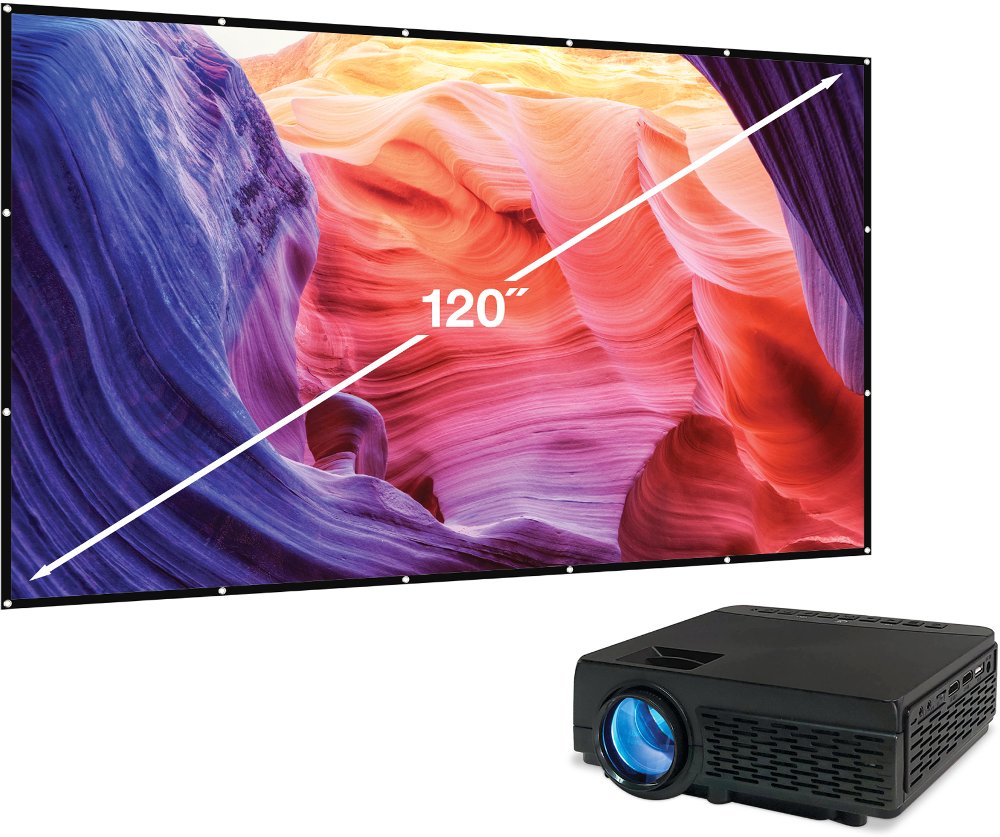
Cinematic projectors bring the scale of a movie theater into your home, turning a compatible screen or carefully prepared wall into a picture that can fill much of your field of view. That larger image makes sweeping landscapes feel expansive, reveals details in animated favorites, and gives a championship game the kind of presence that brings everyone into the room. Home theater projectors suit dedicated movie rooms, shared living spaces, and multipurpose rooms where a screen can retract when viewing ends. The best fit depends on the room as much as the picture specifications. Resolution describes how much detail a projector can display, while contrast helps distinguish bright highlights from deep shadows. A 4K image can make fine textures, distant scenery, and on-screen lettering look clearer at larger screen sizes, although source quality, focus, and seating distance also affect the result. Projectors use different imaging methods, including native 4K panels and pixel-shifting technology, so resolution labels deserve a closer look alongside actual performance. HDR support can help compatible movies show a wider range of brightness and color, but the result depends on the projector’s capabilities, tone mapping, screen, and surrounding light. Brightness matters especially in a living room where lamps stay on or daylight reaches the viewing area. Standardized ANSI or ISO lumen ratings provide a more useful basis for comparison than loosely defined brightness claims, though no single lumen number guarantees a good picture in every room. A larger screen spreads the available light over more surface area, and uncontrolled ambient light can make dark scenes look washed out. In a light-controlled theater room, convincing shadow detail and balanced color may matter more than maximum brightness alone. Laser, LED, and replaceable-lamp light sources each have different maintenance needs and operating characteristics. Laser and LED systems generally offer long rated light-source life, while lamp-based designs may require replacement lamps over time. Those ratings are estimates rather than guarantees, making the manufacturer’s specifications and warranty useful parts of the comparison.
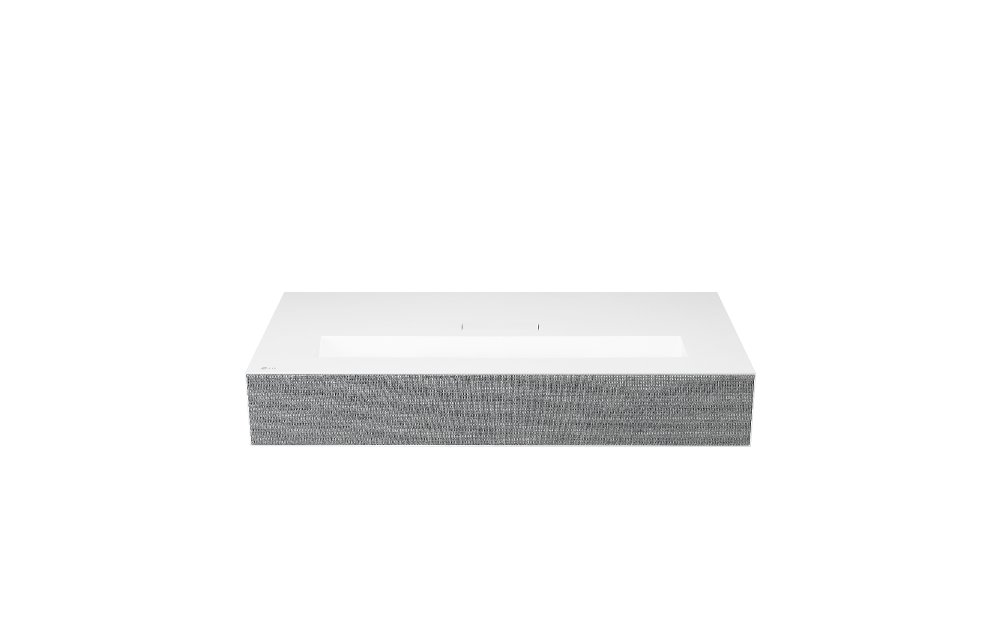
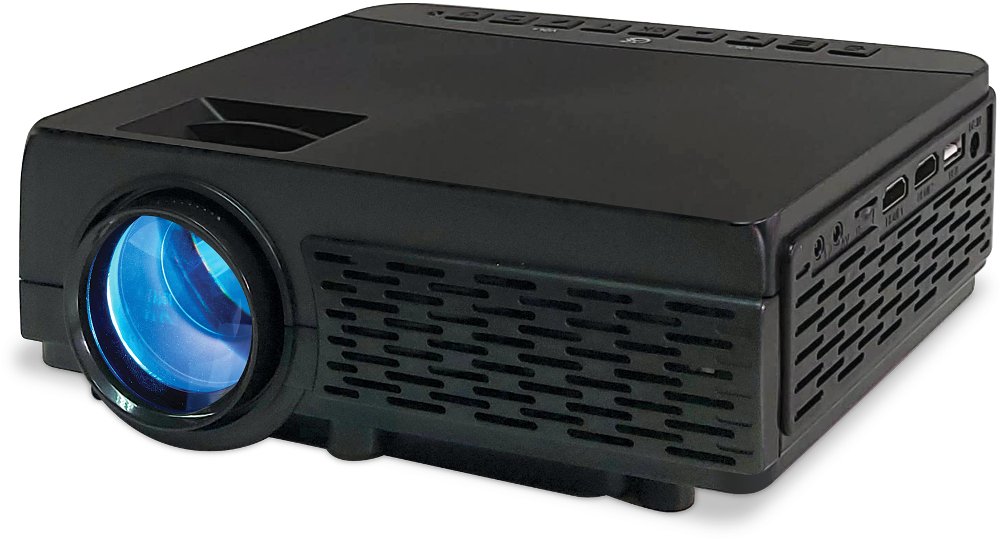
A cinematic projector also needs to fit the space physically, from the distance behind the seating to the depth of the media cabinet. Standard-throw projectors generally sit farther from the screen on a shelf, table, or compatible ceiling mount. Short-throw and ultra-short-throw designs create a large picture from closer positions, with ultra-short-throw projectors typically sitting on a low cabinet near the screen wall. Exact placement varies by model and image size; a projector described as sitting inches from the wall may still require substantial cabinet depth and precise positioning. Throw ratio connects lens-to-screen distance with image width, making it a useful specification when matching a projector to an existing room. Zoom and lens shift, when included, can offer placement flexibility without relying entirely on digital image correction. Keystone correction can straighten an angled picture, but extensive adjustment may reduce usable resolution or introduce processing compromises. A level, stable surface and careful alignment give the lens a better starting point. Screen material matters just as much as placement. A smooth, matte white screen is a common choice for controlled lighting, while an ambient-light-rejecting screen can help manage unwanted room light in suitable installations. Screen compatibility is essential: materials designed for ultra-short-throw projection handle incoming light differently from screens intended for standard-throw projectors. A textured wall, glossy paint, or uneven surface can soften detail, distort straight lines, or create distracting reflections. Durable installation means checking mount compatibility, supporting the projector’s weight correctly, and leaving the ventilation clearance specified by the manufacturer. Even a sleek cabinet needs enough open space around the projector to release heat. Housing materials and finishes vary, but secure construction, accessible connections, and a placement that keeps the unit away from accidental bumps matter more than appearance alone. Routine care usually centers on keeping vents clear, maintaining filters when required, and cleaning the lens only with manufacturer-approved methods. Household sprays, abrasive cloths, and improvised cleaning tools can damage delicate optical coatings.
The everyday experience extends beyond the picture, especially when a quiet conversation gives way to a roaring crowd or a dramatic soundtrack. Built-in projector speakers can be convenient for casual viewing, but a separate audio setup offers more flexibility for clear dialogue, fuller bass, and sound that matches a large image. Exploring Cinema Sound Systems alongside cinematic projectors helps bring the visual and listening sides of a home theater together. A soundbar can keep the arrangement straightforward, while a receiver and separate speakers allow more control over speaker placement and expansion. Compatibility matters throughout the signal path. HDMI connections need to support the resolution, refresh rate, and HDR format coming from a streaming device, disc player, or game console. Some projectors include HDMI ARC or eARC for sending audio to compatible equipment; others work best with sources connected through a receiver or another supported audio connection. Built-in streaming features can simplify everyday use, but app support varies, and an external streaming device may be useful for the services your household watches most. For gaming, low input lag helps controls feel responsive, and supported refresh rates deserve attention alongside resolution. Fan noise also becomes noticeable during quiet scenes, particularly when the projector sits close to the seating, so published noise specifications and operating modes are worth considering. Households that move between movies, sports, and games may appreciate separate picture settings rather than one heavily processed image for every source. Movie lovers might prioritize accurate color and subtle shadow detail, while families sharing a living room may care most about simple controls and dependable connections. A projector can also be a thoughtful gift for a film enthusiast, provided its placement requirements and connections suit the recipient’s space. With the picture, screen, sound, and room working together, a home cinema becomes an inviting place to settle into a favorite story and enjoy the details.
Read More