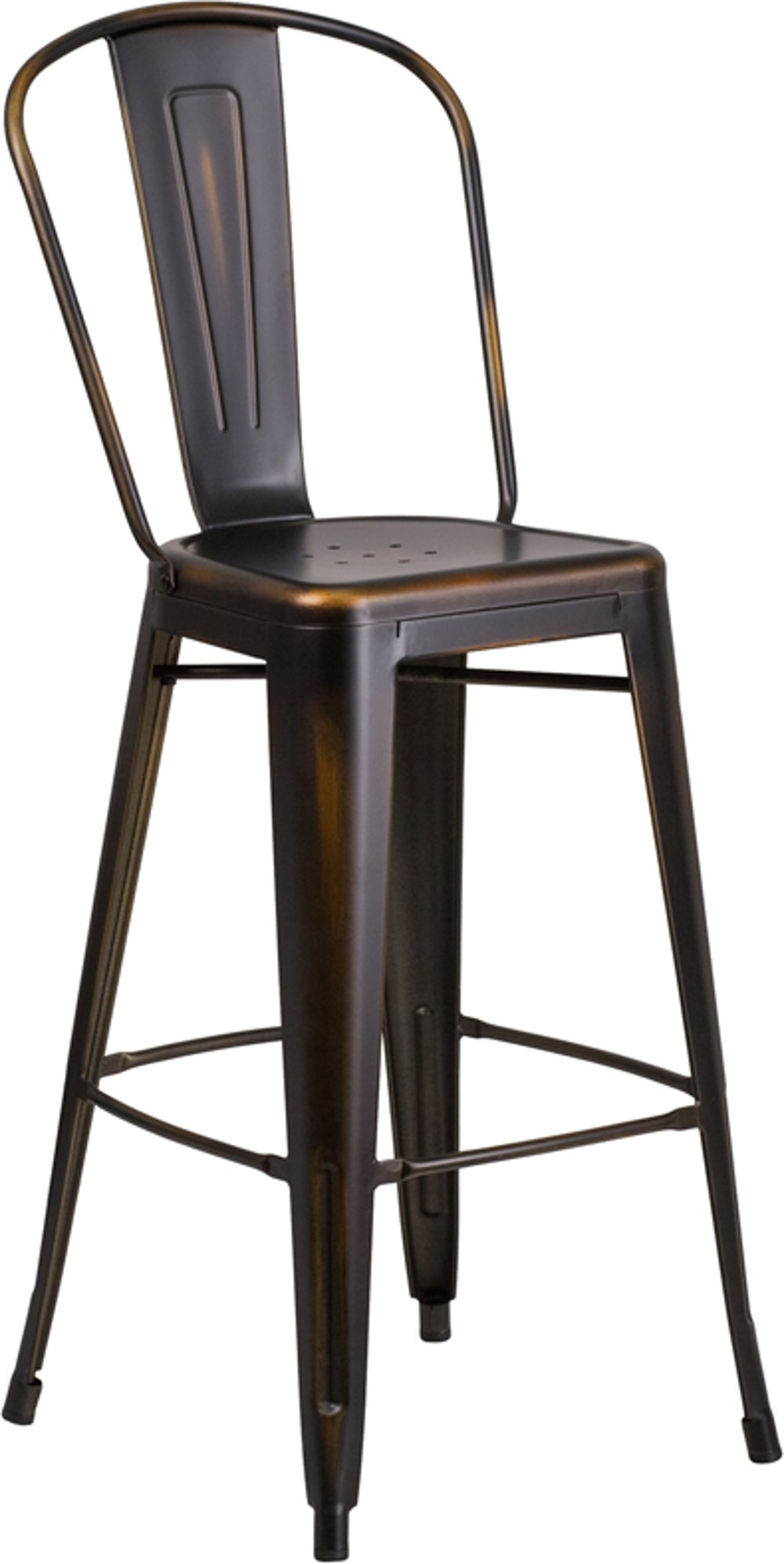
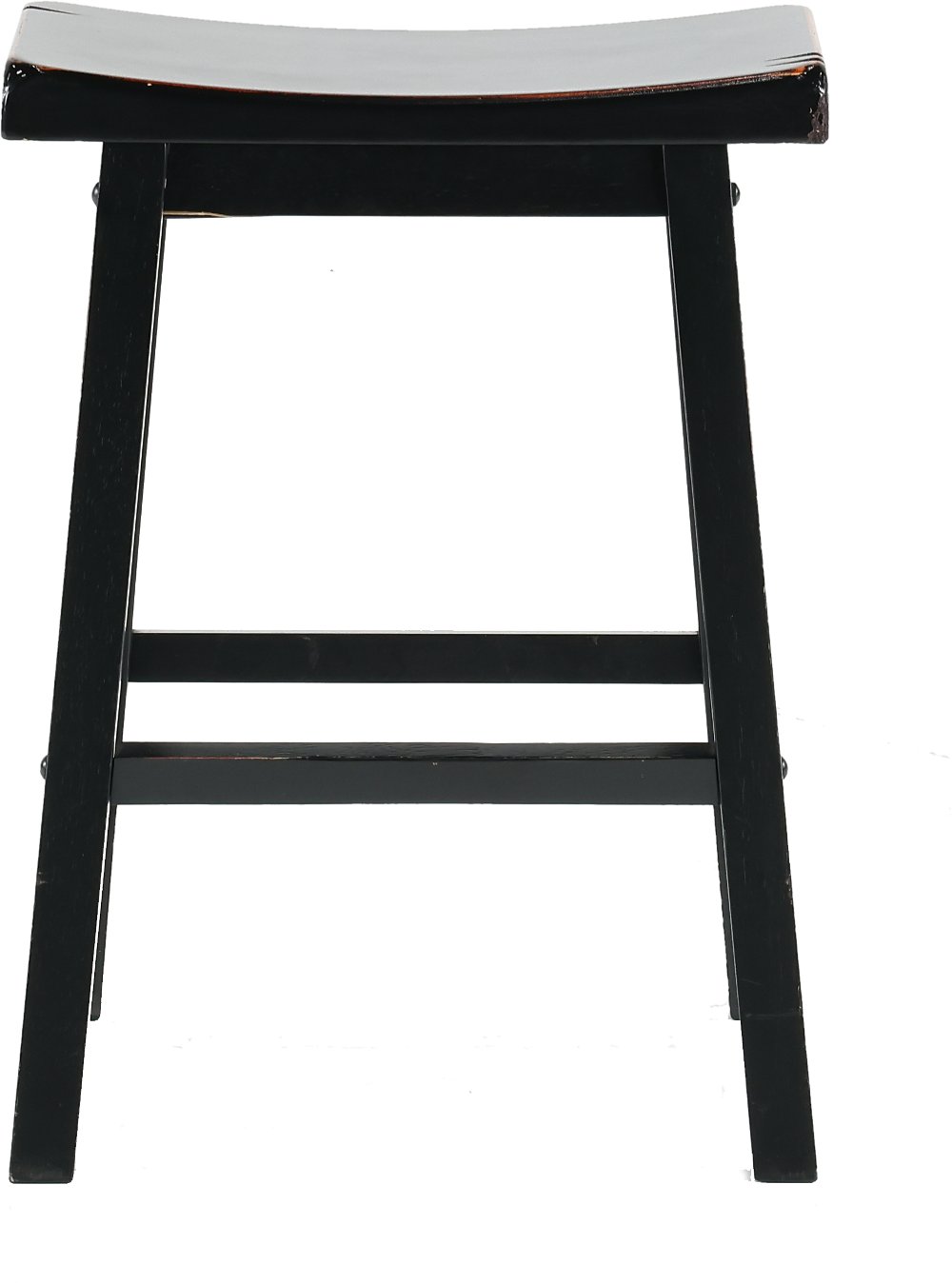
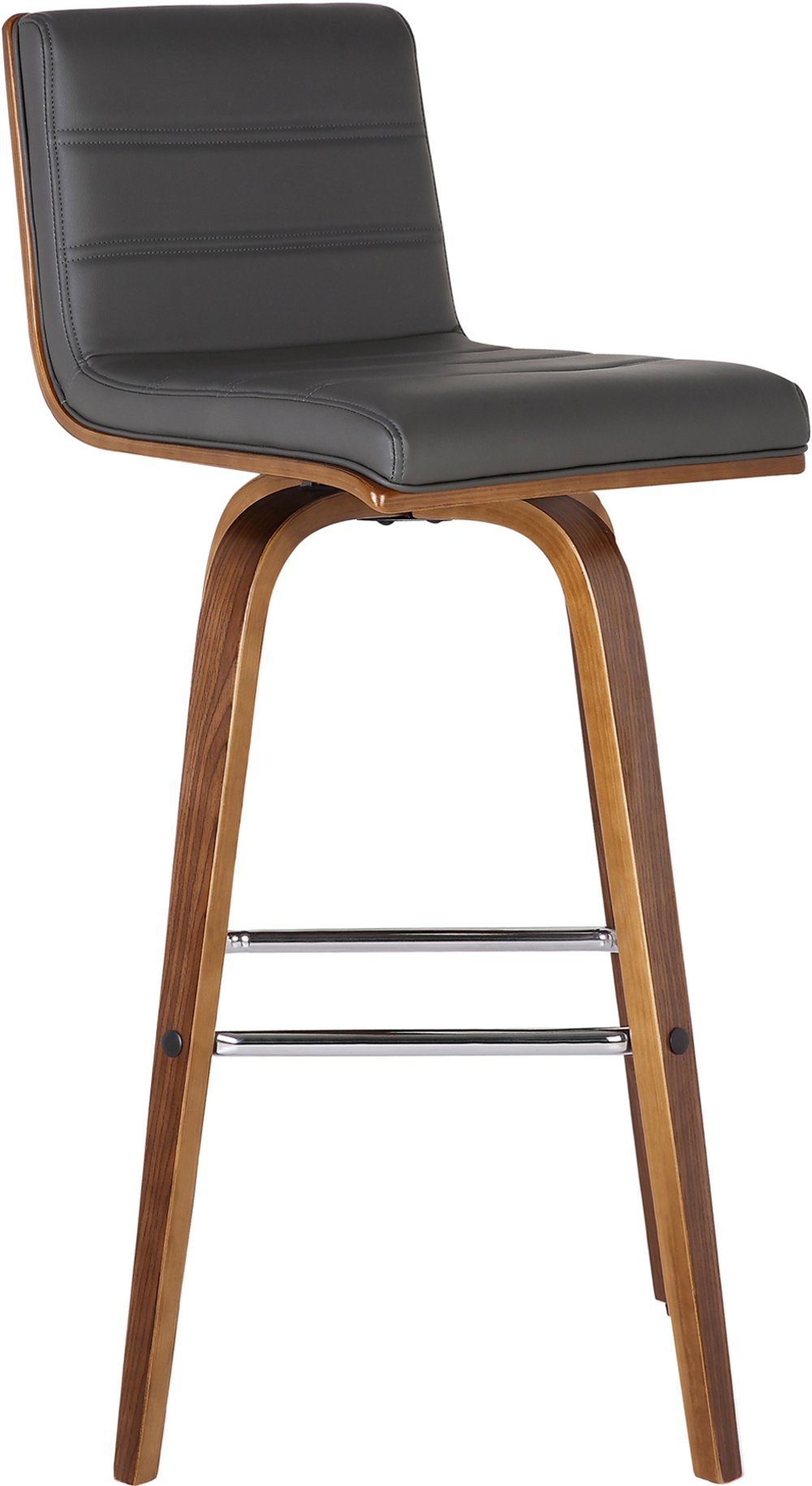
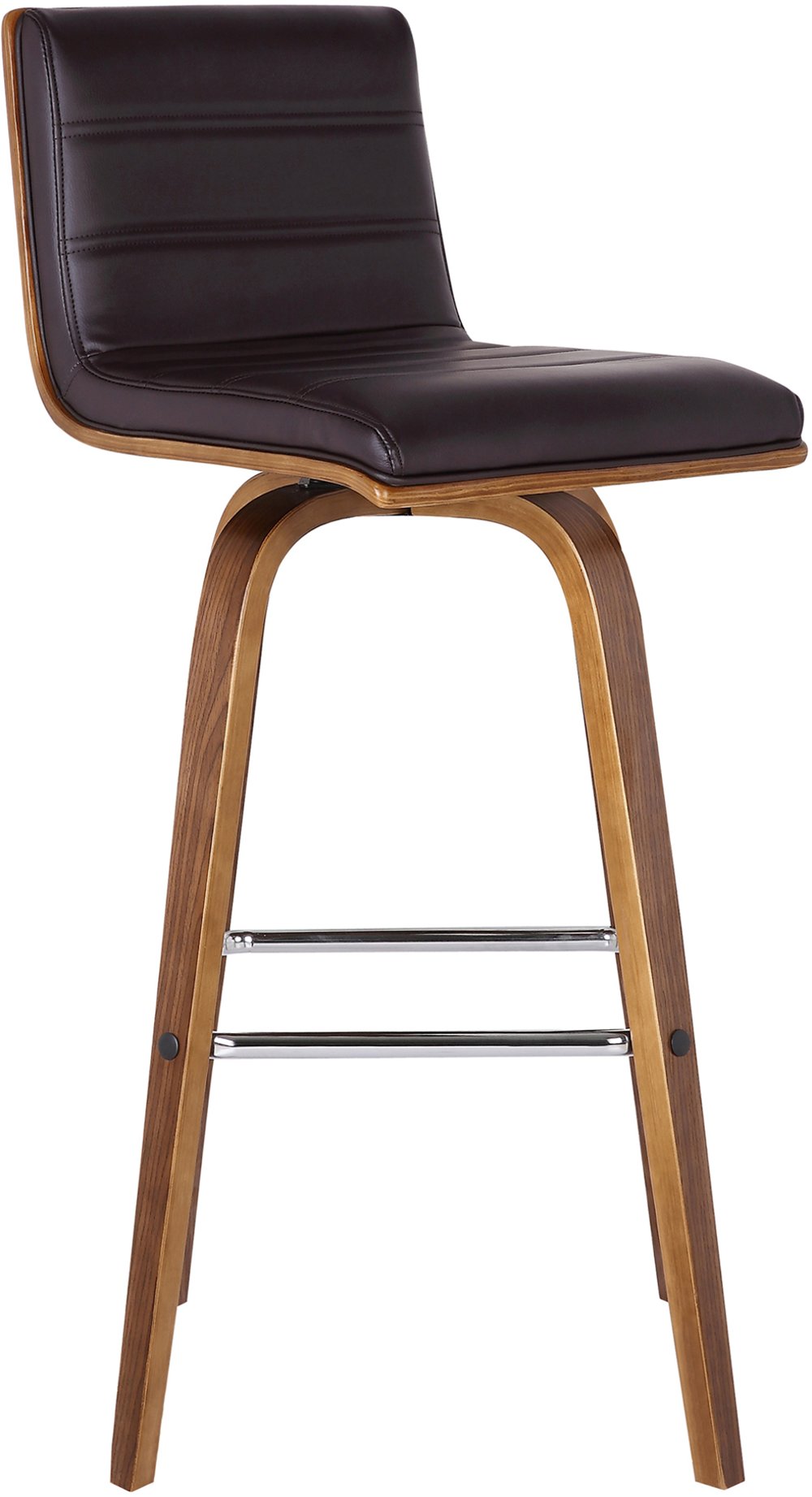
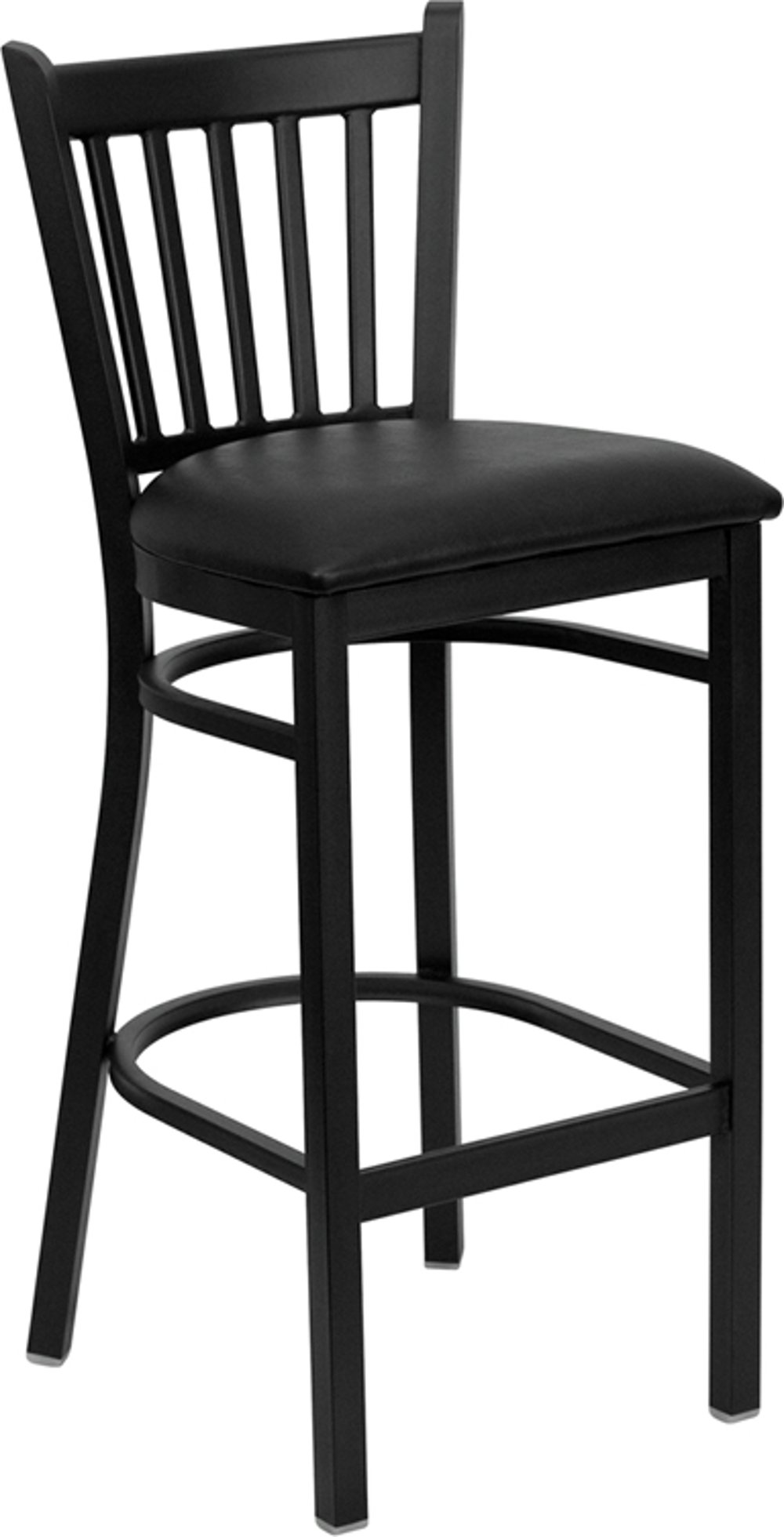
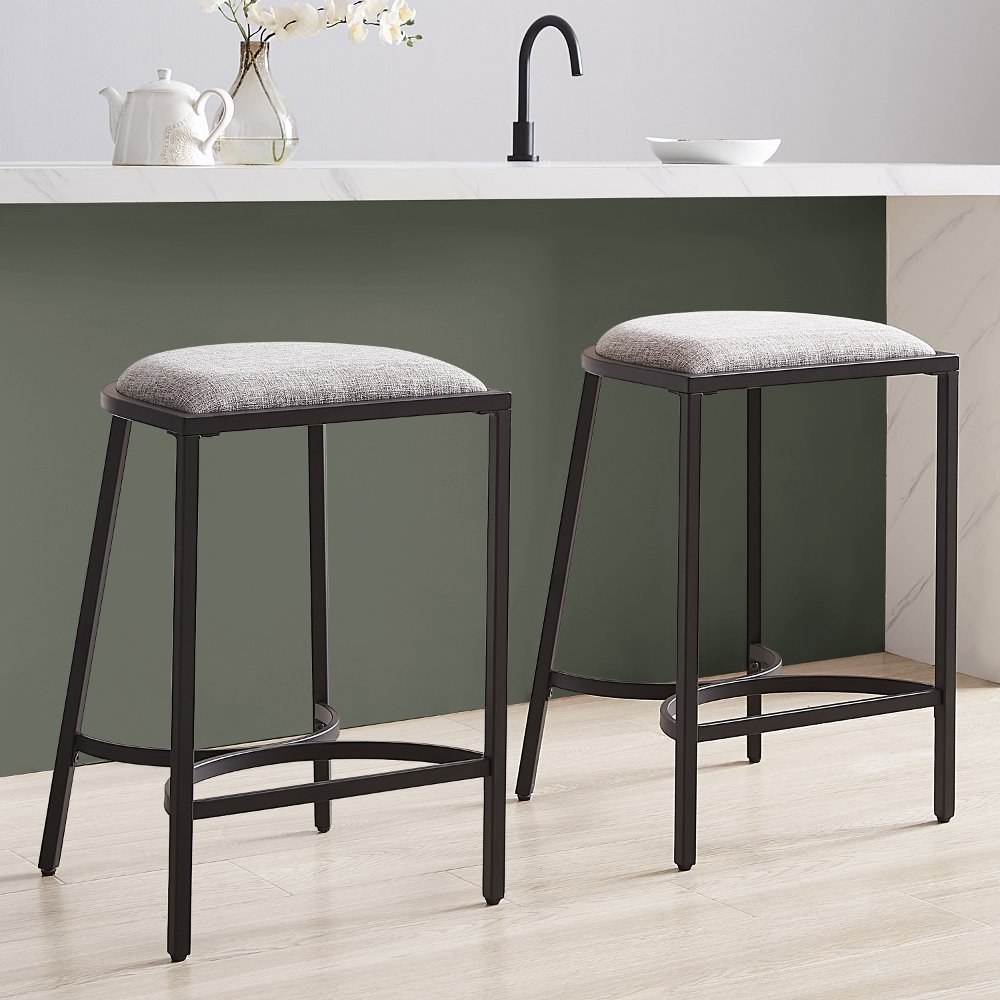
Colorful Stools

Find colorful stools to complement your room’s palette or create a standout accent. Browse RC Willey’s selection with your available space in mind, and compare dimensions to find the right fit. If you’re pairing a stool with a table or counter, check the seat height to allow comfortable legroom.

Read More
Sort by:
Web Exclusive
Kendall Green Tweed Barstool
$259 .99

Colorful Stools

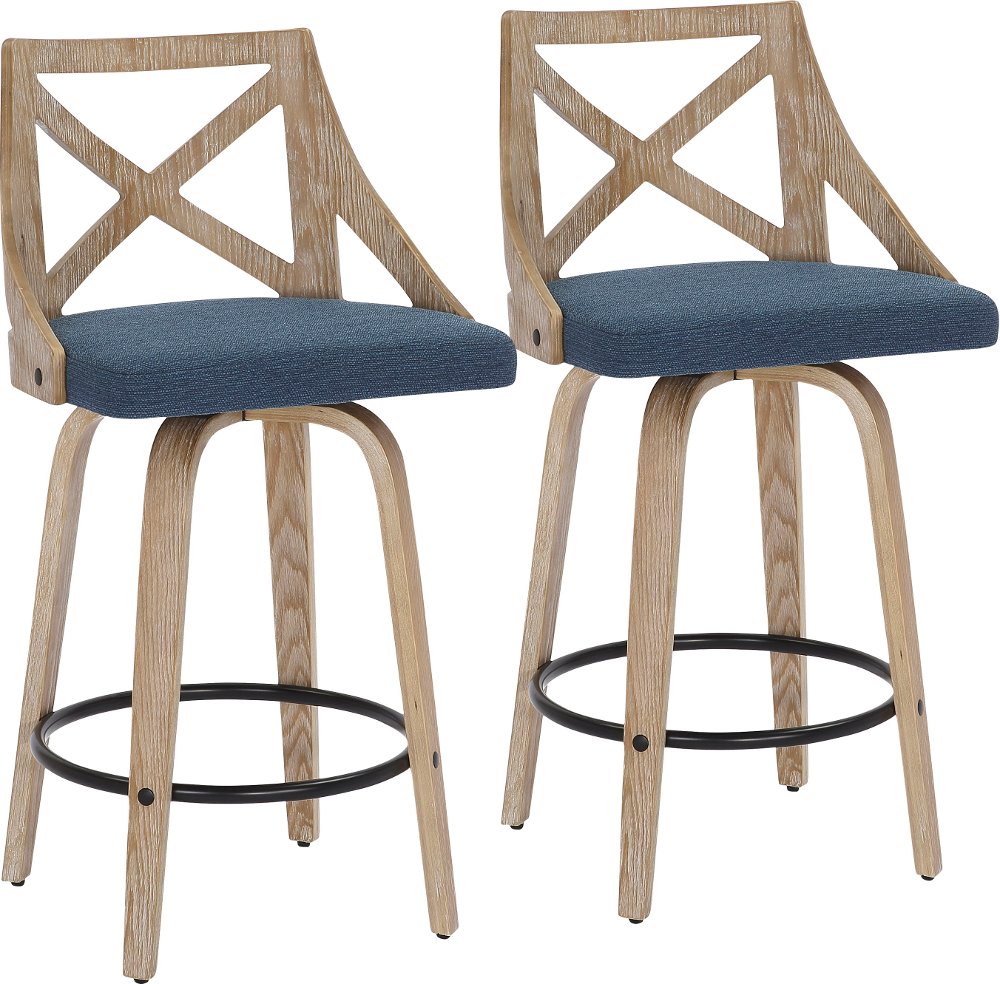
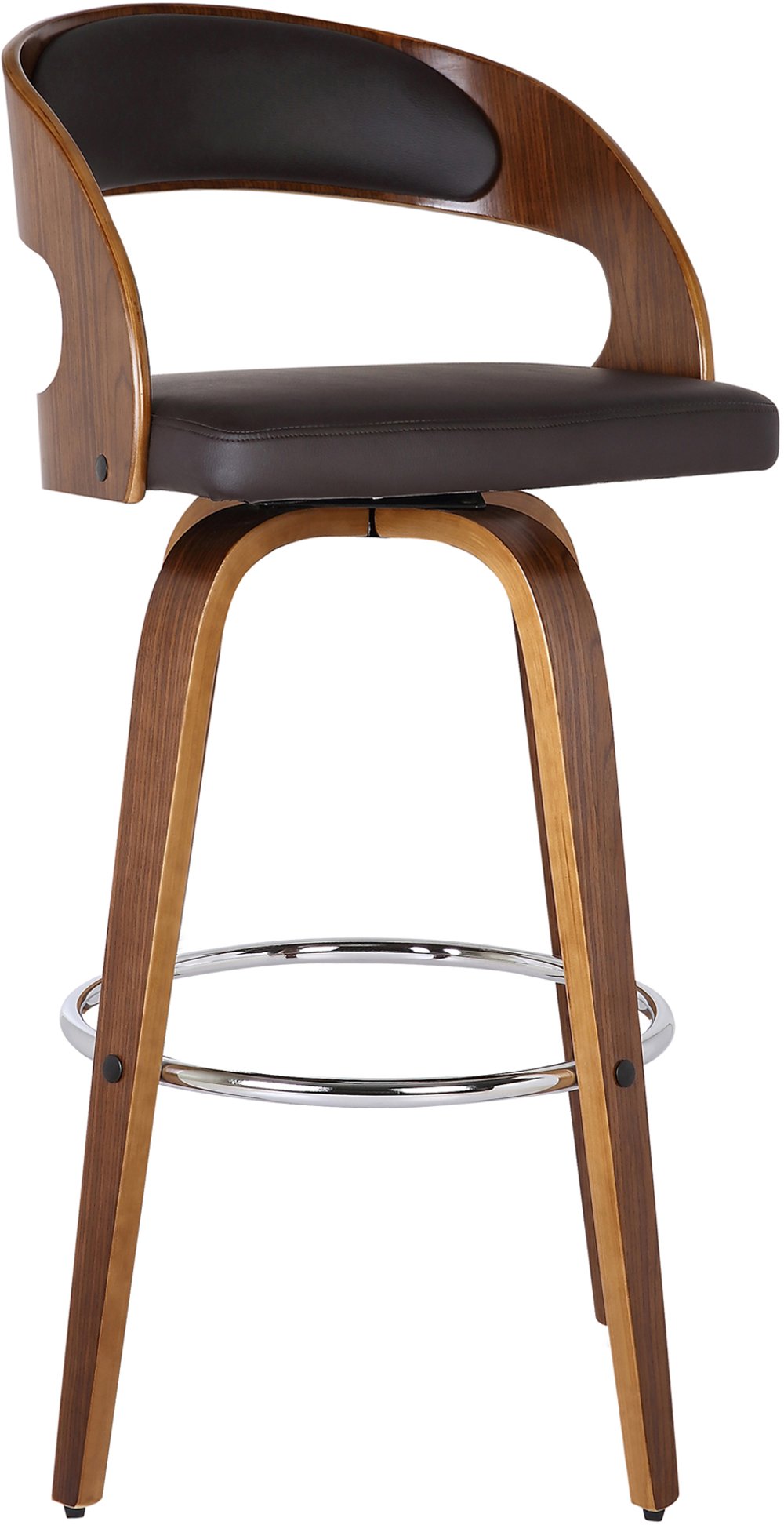
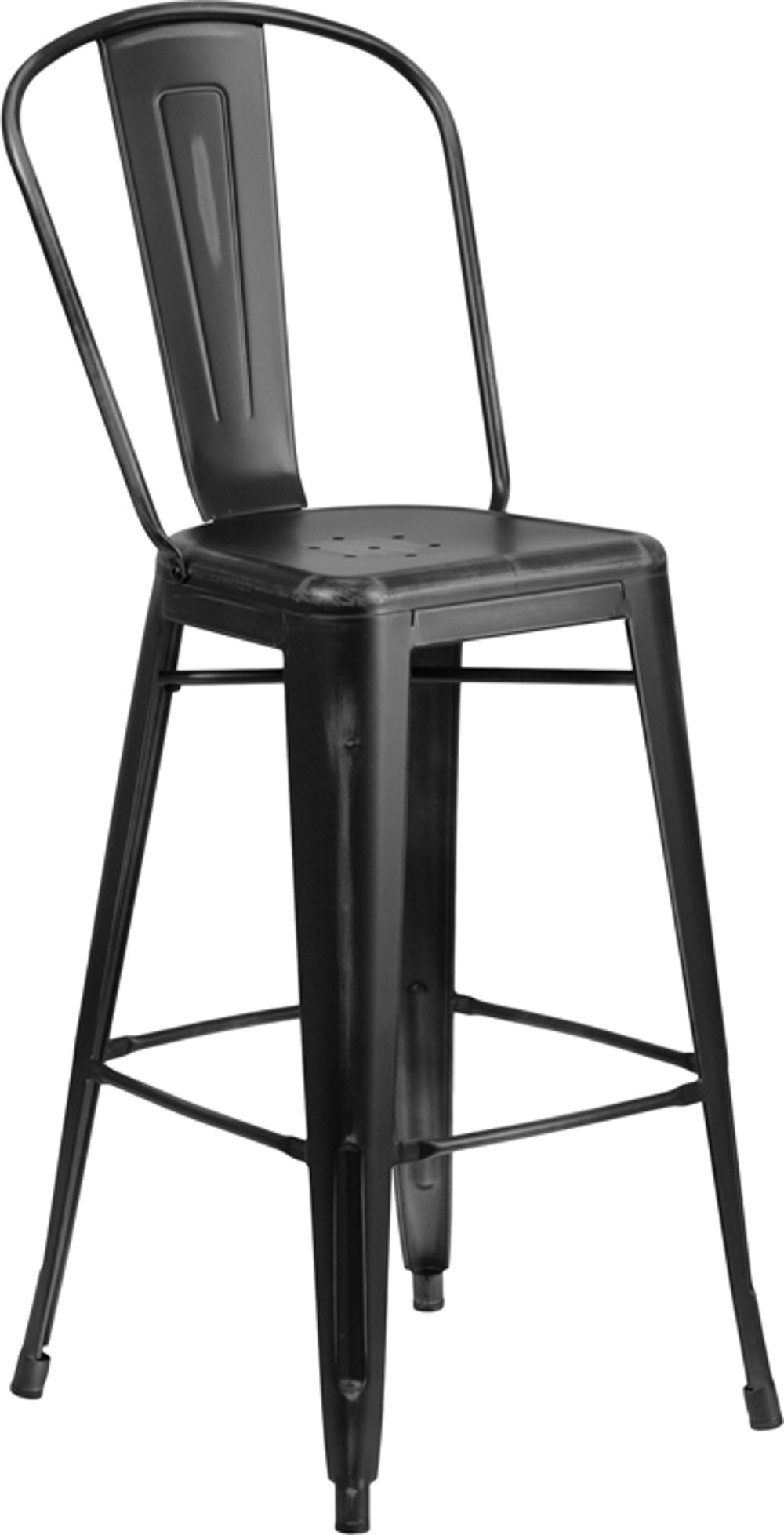
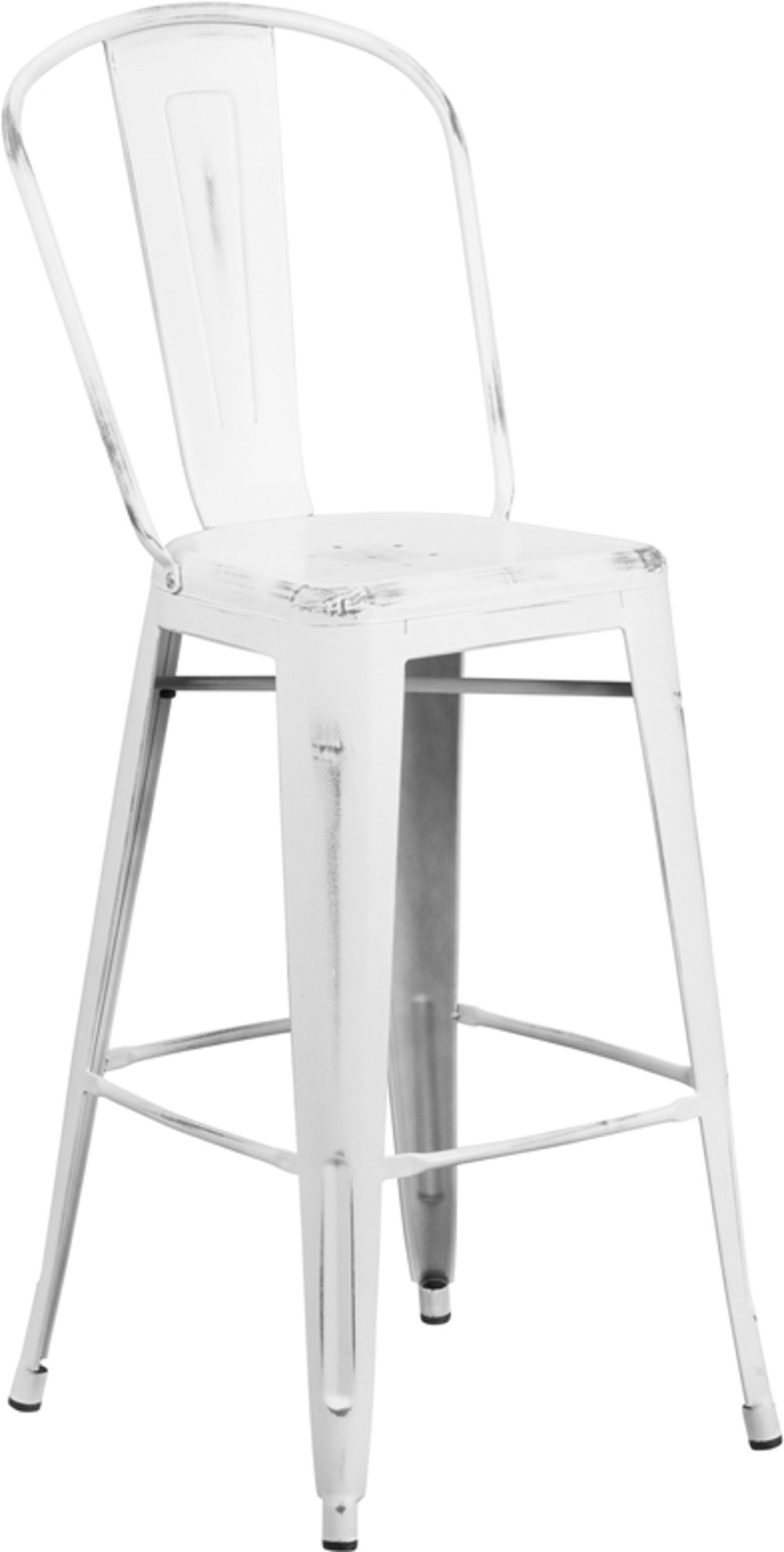
Colorful stools bring practical seating and a lively accent to kitchen islands, breakfast bars, home bars, and smaller gathering spaces. Their compact shape makes color easy to work into a room without committing to a large upholstered piece or a wall of bold paint. A row of blue stools can pick up the tones in patterned tile, while green seating can complement natural wood cabinets and leafy houseplants. Yellow, orange, and red add a cheerful focal point; softer shades such as dusty blue, sage, and blush offer a gentler contrast against white walls or pale countertops. The effect depends as much on the finish as the hue. Glossy painted surfaces look crisp and graphic, matte finishes feel understated, and woven or upholstered seats give color more depth and texture. In an open floor plan, repeating a stool’s color in a nearby rug, piece of artwork, or throw pillow helps connect the kitchen with the living area. Matching every accent isn’t necessary. A shared undertone or a repeated material can make different pieces feel comfortable together. Multicolored seating also works when the stools share a similar shape, height, or finish, giving each seat some personality without making the room feel scattered. For a quieter counterpoint, explore Black And Brown Stools and let brighter accents stand out elsewhere. Beyond the kitchen, low colorful stools can provide occasional seating near a game table, a place to sit while putting on shoes, or a compact perch in a creative workspace. The right size and construction matter for each setting: a short accent stool serves a different purpose than a tall seat designed for a counter. Color draws the eye, but a stool earns its place when it fits the way the room gets used, from a quick breakfast before work to a relaxed conversation while dinner comes together.

Materials shape how colorful stools look, feel, and hold up to everyday life. Painted wood offers a familiar, substantial appearance and pairs naturally with dining tables, cabinetry, and other wood furniture. Depending on the design, visible grain or a lightly distressed finish can soften a bright shade, while an opaque painted finish creates a cleaner block of color. Metal frames often have a slimmer profile, making them useful where sightlines and floor space matter. Powder-coated metal can provide a durable colored surface, though chips and scratches still deserve attention according to the manufacturer’s care instructions. Molded plastic seats offer smooth contours and an easygoing look, with many surfaces suitable for a quick wipe after snacks or craft time. Upholstered stools introduce another layer of comfort and a broader range of textures, from tightly woven fabric to smooth leather or faux leather. Fabric can make a saturated color feel softer, while contrasting stitching, piping, or a different frame finish adds definition. In a busy kitchen, cleaning requirements deserve as much attention as appearance. Crumbs collect along seams and tufting, pale upholstery may show spills sooner, and textured surfaces can take more effort to clean than smooth ones. A performance-fabric label doesn’t mean every spill or cleaning product is harmless; the care tag remains the best reference. Routine care generally includes removing dust and crumbs, blotting spills promptly, and using only cleaners approved for the material. Avoid soaking wood joints or upholstered seats, and check whether a finish needs a soft cloth rather than an abrasive pad. Durability also depends on construction: secure joints, a stable base, sound welds where applicable, and a stated weight capacity appropriate for the person using the stool. Protective feet suited to the flooring can help reduce scuffs, while occasional hardware checks help keep frequently used seating steady. These everyday details matter most in the seats that become everyone’s favorite place to land.

A comfortable fit begins with the height of the surface and the height of the seat, not simply whether a stool looks right beside the cabinets. Counter-height stools typically have seats about 24 to 26 inches above the floor, while bar-height stools commonly measure about 28 to 30 inches. Low stools suit shorter surfaces and occasional seating rather than standard kitchen counters. Actual dimensions vary, so compare the listed seat height with the underside of the counter or tabletop, allowing roughly 9 to 12 inches for comfortable legroom. Counter aprons, support brackets, and thick tops can reduce that space. Width matters, too: each person needs room to sit, reach a plate, and get in or out without bumping the next seat. Allowing approximately 24 to 30 inches of counter frontage per stool is a useful starting point, with more space for wider seats, arms, or swiveling designs. Backless stools can tuck neatly beneath a suitable overhang and keep a small kitchen visually open. Stools with backs provide support for longer meals, homework, or conversation, while arms can add comfort when they clear the counter and surrounding furniture. A footrest gives feet somewhere to settle on taller seating; its position can make a noticeable difference during a leisurely breakfast or an evening spent chatting at the island. Swivel seats make it easier to turn toward another part of the room, but they need clearance from cabinet corners and neighboring stools. Adjustable-height designs can accommodate different surfaces within their stated range, provided the base fits the space and the adjustment mechanism suits the intended user. For children, choose seating designed for their age and size rather than assuming an adult barstool will work. Thoughtful proportions, supportive features, and a color that feels at home with the surrounding finishes turn an accent into useful everyday furniture. The best fit leaves room for people to move comfortably and gives the space a welcome dose of personality.
Read More

Frequently Asked Questions

Filter By