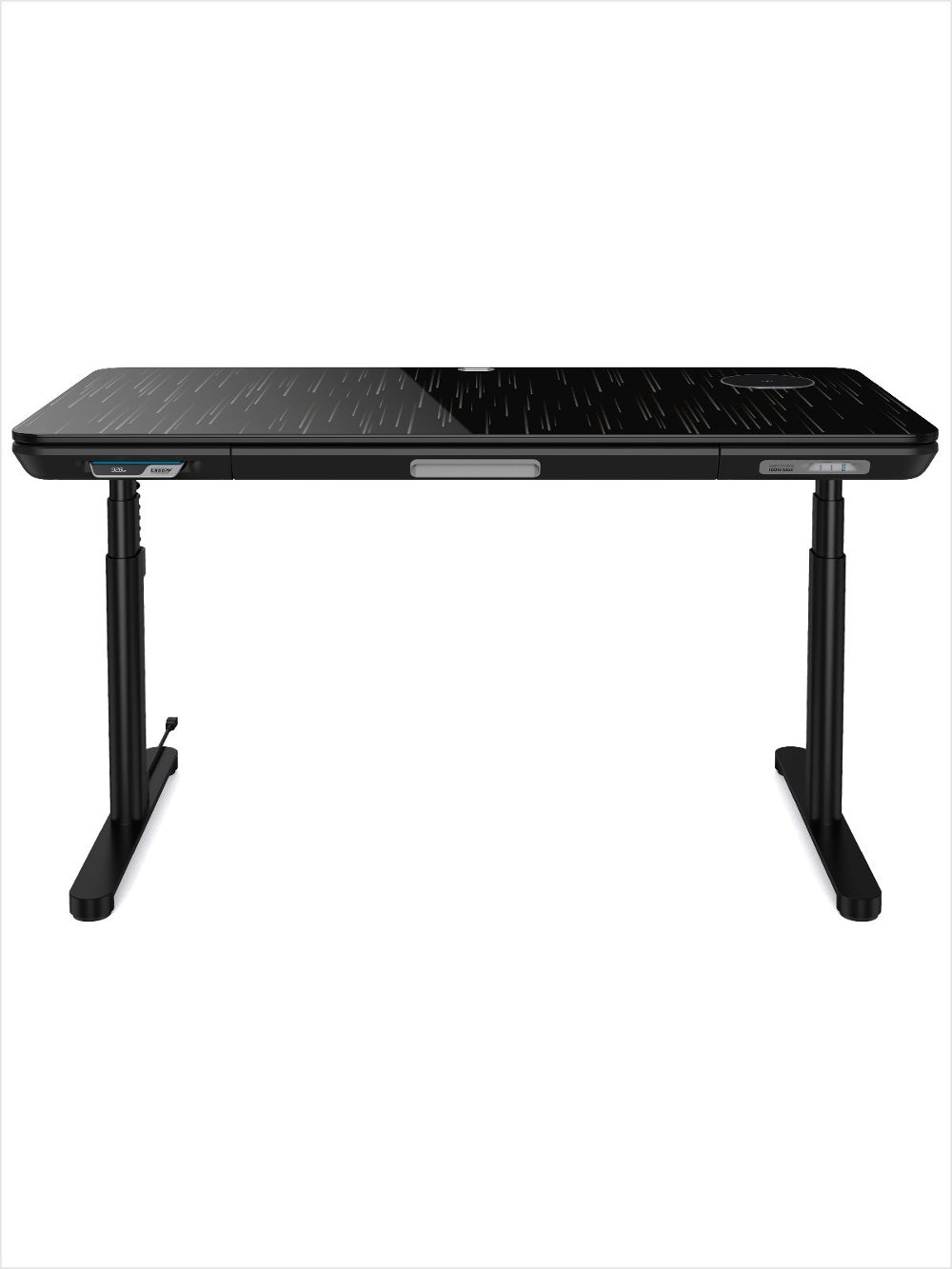
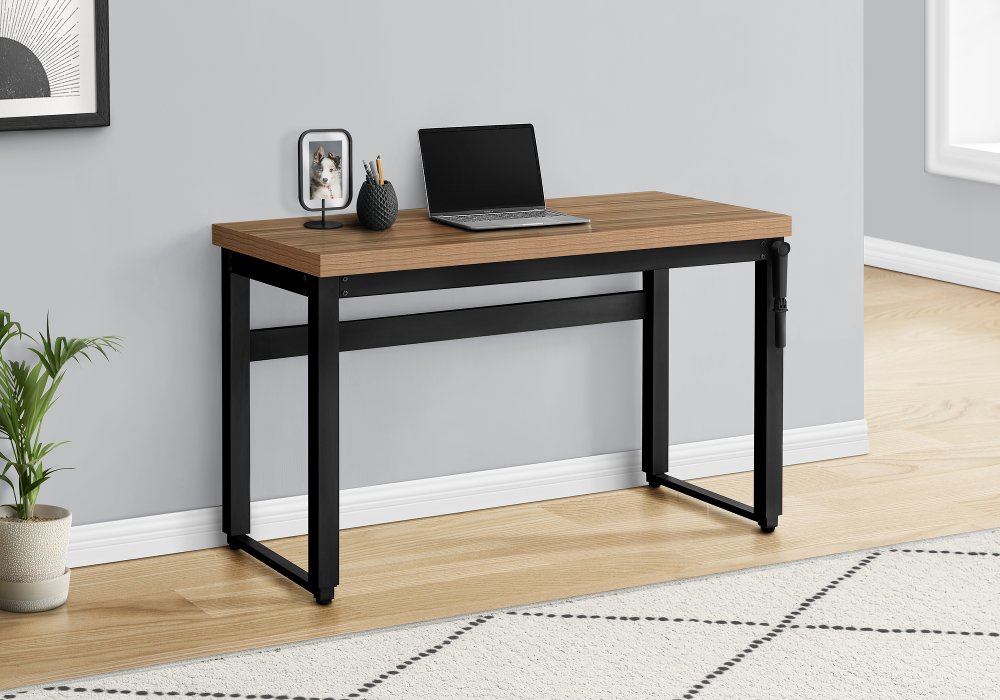
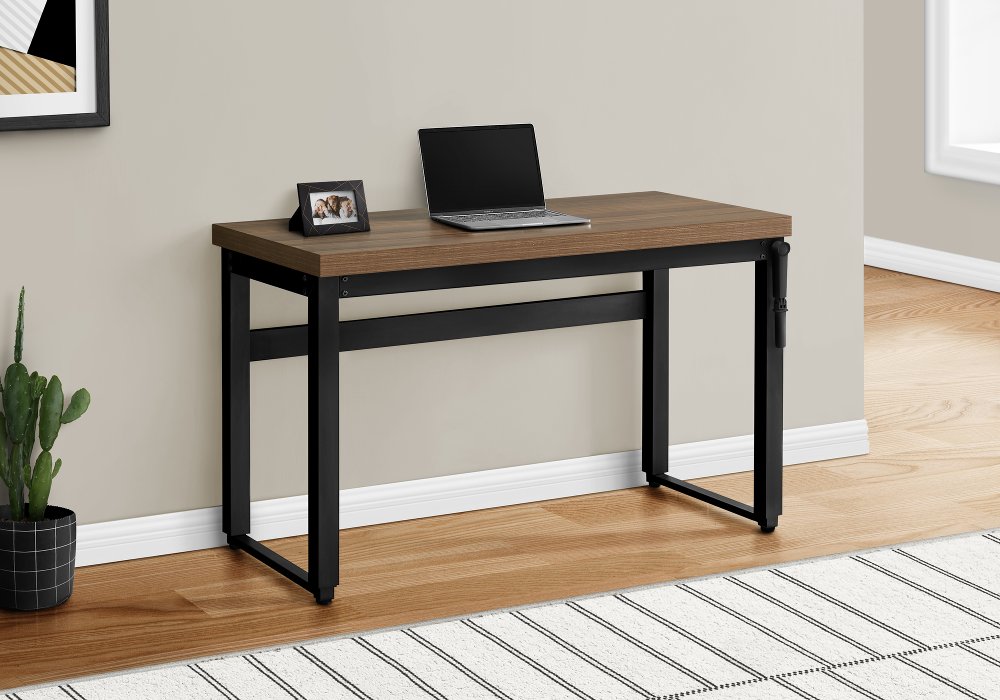
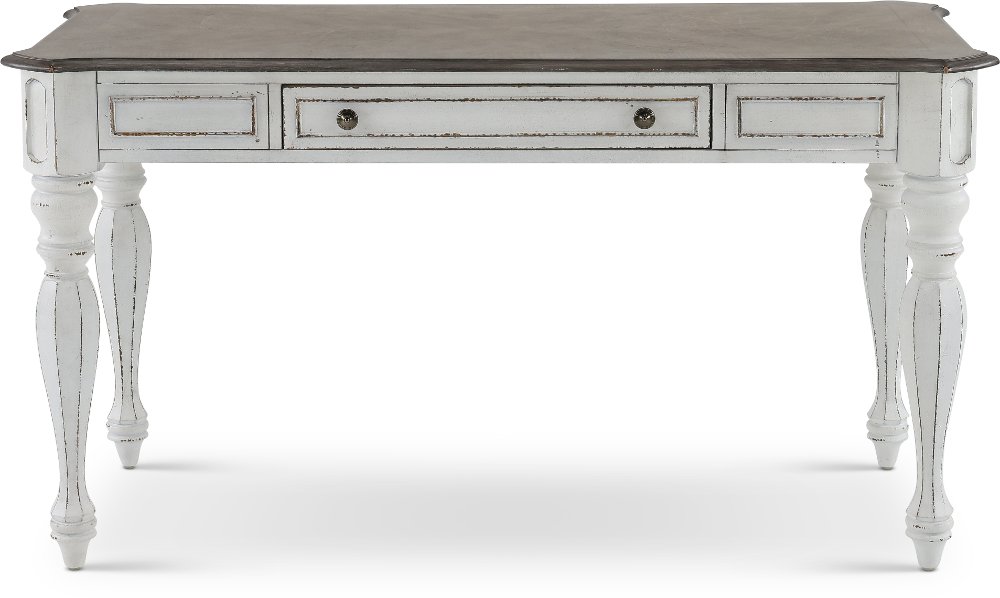
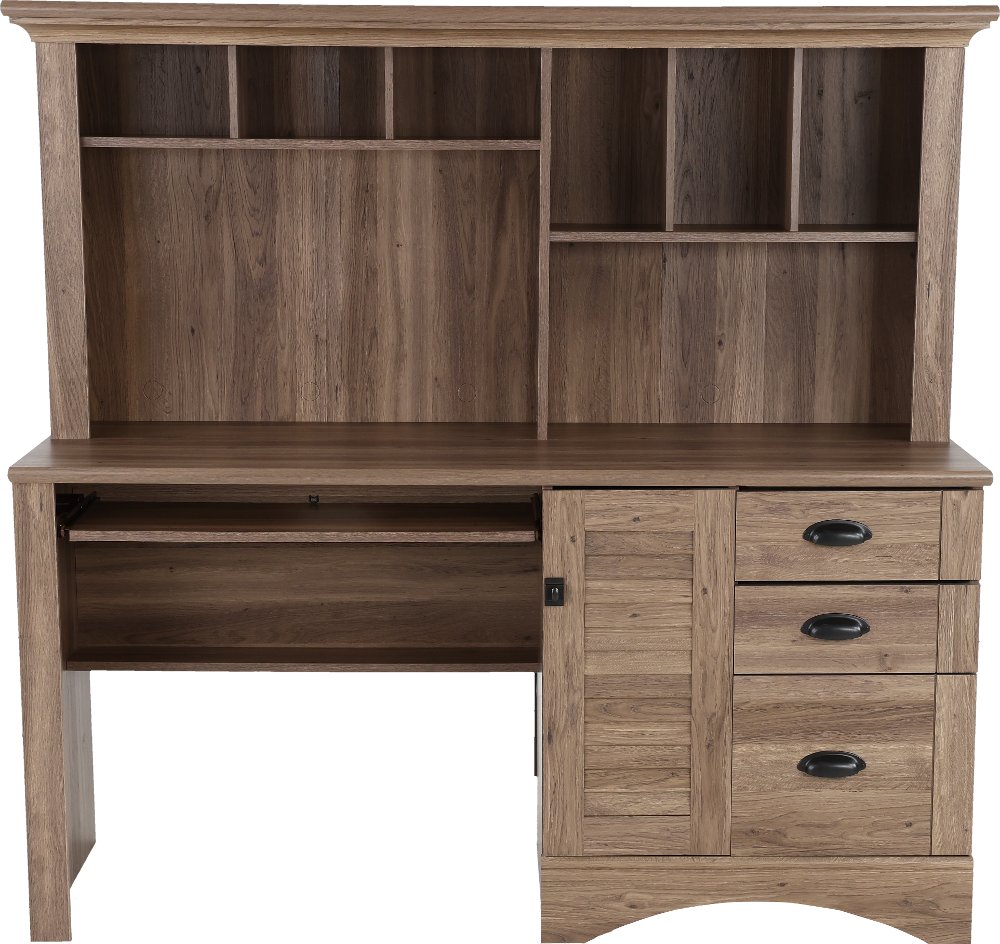
Convertible desks give a room more ways to work without asking it to become a full-time office. Depending on the design, a surface may fold away, extend, change height, or open from a cabinet, creating a place for focused tasks that can adapt when those tasks are done. That flexibility makes sense in a studio apartment, a guest bedroom that doubles as a workspace, or a living room where a laptop shouldn’t have to compete with dinner plates. A compact desk can hold a notebook and computer during the day, while a design with an expanding surface may offer extra room for spreading out paperwork or working on a creative project. The right configuration depends on what your routine actually looks like. Someone who answers a few emails needs a different setup than someone who uses two monitors, a keyboard, and a stack of reference materials for hours at a time. Surface depth matters just as much as width: there should be comfortable space for your screen, hands, and everyday supplies without pushing everything to the edge. Students may appreciate a dedicated spot for assignments that can tuck away after studying, while remote workers may prefer a convertible home office desk that leaves essential equipment in place between work sessions. In a shared household, an adjustable design can help accommodate different users, provided its adjustment range suits each person. For someone furnishing a first apartment or setting up a study area, a convertible desk can also make a thoughtful, practical gift when its dimensions and intended use have been discussed ahead of time. The appeal is straightforward: a useful work surface when it’s needed, with a form that respects the rest of the room. Rather than letting office furniture dictate how a space feels, these desks can help keep work, hobbies, and home life comfortably connected.
A convertible desk needs to fit in every position it’s designed to use, not just in its smallest footprint. A fold-down surface requires clear space in front, an extending top needs room to travel, and a height-adjustable desk needs clearance above it. Picture a chair pulled back, a drawer fully open, and a nearby door swinging into the room; those everyday movements often reveal more about fit than a measurement of the desktop alone. In a bedroom office, leaving a clear path around the bed helps the room remain comfortable after the workday ends. In a living area, placing the desk where cords can reach an outlet without crossing a walkway keeps the arrangement easier to live with. Wall-mounted designs also call for suitable wall construction and installation according to the manufacturer’s instructions, including any anchoring requirements. Materials contribute to both appearance and daily performance. Solid wood brings natural grain and character, though it still needs protection from moisture and surface damage. Wood veneer offers the appearance of real wood over a supporting core, while laminate surfaces can provide a consistent finish that’s often straightforward to wipe clean. Engineered wood appears in many desk constructions, and its performance depends on the quality of the panels, finish, joinery, and hardware rather than the material name alone. Metal frames can create a slim profile, but stable connections and appropriate support matter more than looks. For a desk that changes shape regularly, smooth hinges, secure supports, and dependable locking mechanisms are especially important. Check whether the stated weight capacity applies to the entire desk or to individual surfaces, and follow any instructions about removing equipment before converting it. Style deserves attention, too, particularly when the desk sits beside a sofa or dresser. For a look that blends traditional details with cleaner lines, Transitional Desks offer another direction to consider; convertible describes how a desk functions, while transitional describes its style.
Living with a convertible desk is easier when its storage and moving parts suit the way you work. A shallow drawer can keep pens, charging cables, and reading glasses close without taking over the desktop. Shelves or enclosed compartments may help contain notebooks and office supplies, but their placement should leave enough knee room and allow the desk to convert as intended. A cabinet-style workstation can make work materials less visible when closed, although the interior dimensions determine whether a monitor or other equipment can remain inside. If your setup includes a separate keyboard and mouse, allow space to use both comfortably rather than judging fit by the laptop alone. A seated work surface should pair with a chair that lets your feet rest securely and your arms reach the desktop without raised shoulders. For a desk intended for both sitting and standing, confirm that its height range supports both positions for your body; an adjustable top doesn’t automatically provide a full sit-to-stand range. Cable management deserves the same attention as storage. Cords need enough slack for movement without catching in hinges, pulling at connections, or hanging where feet can snag them. Keeping a small tray for loose supplies can make clearing a folding or extending surface less of a chore. Regular care helps preserve both the finish and the conversion mechanism. Use the cleaning method recommended for the particular material, wipe up spills promptly, and avoid letting moisture sit along seams or edges. A desk pad can protect the work area from pen marks and everyday abrasion, as long as it doesn’t interfere with closing or folding. Follow the manufacturer’s maintenance instructions for hardware, and address loose fittings before repeated movement causes further wear. Children’s study spaces benefit from adult help with folding or adjusting mechanisms, especially where fingers could get caught. With the right fit, dependable construction, and a layout that supports your habits, a convertible desk can make room for everything from a quiet hour of writing to a full day of focused work without overwhelming the space around it.
Read More