Pull out desks make room for a workspace without asking that workspace to take over your home. A sliding surface can give a laptop, notebook, or afternoon project a place to land, then tuck away when it’s time to use the room for something else. That flexibility feels especially useful in an apartment living room, a guest bedroom, or a quiet corner that needs to handle more than one job. The term covers several configurations, from desks with retractable work surfaces to furniture with concealed desktop extensions or pull-out keyboard trays. The distinction matters: a keyboard tray supports a different setup than a full-depth surface intended for writing or working on a laptop. Some designs keep the main desktop in place and add usable space underneath, while others let a larger portion of the work area slide out of sight. For someone who handles household paperwork at the end of the day, a compact extension may provide enough room for a few envelopes and a calendar. A student spreading out a textbook beside a computer will likely appreciate more width and depth. Remote workers may need a fixed area for a monitor, with the sliding section reserved for a keyboard and mouse. These desks can also suit occasional crafting, journaling, or organizing family schedules, provided the surface dimensions and weight capacity match the task. Their appeal goes beyond saving square footage. Closing a work surface can help a shared room feel less like an office once the workday ends, especially when nearby storage gives chargers, pens, and papers a home. In a guest room, that might mean making space for a visitor’s bag after finishing a morning’s work. In a living area, it can mean putting away the laptop before settling in for the evening. A useful pull out desk supports those everyday transitions while still looking like it belongs with the furniture around it.
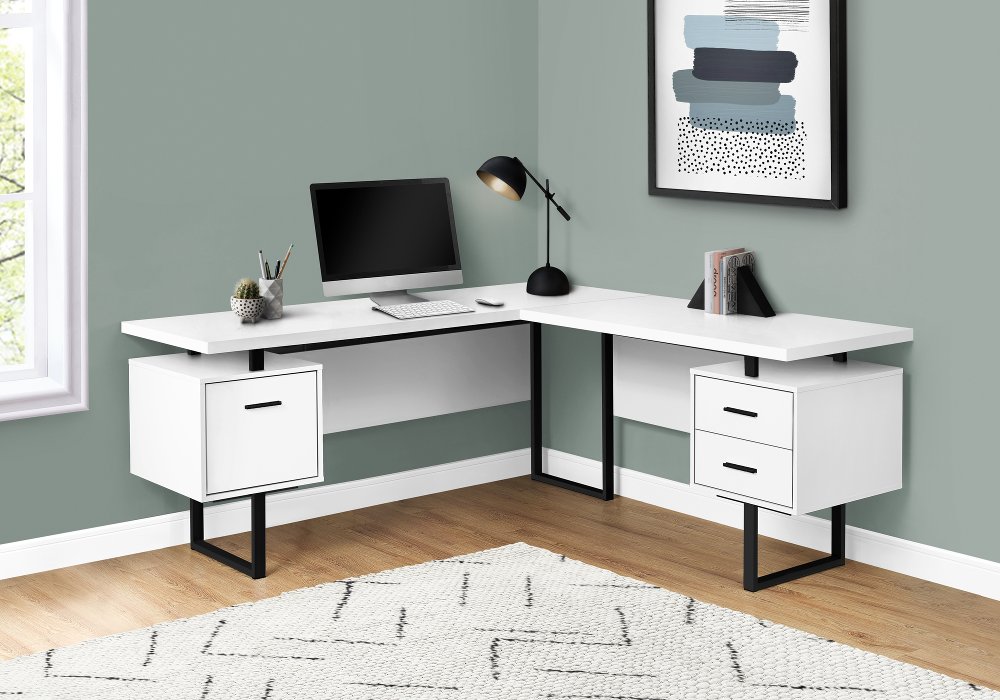
The right fit depends on both the desk’s closed footprint and the space it needs when fully extended. A piece that sits neatly against a wall may reach farther into the room once the work surface opens and a chair slides into position. Doorways, closet doors, drawers, and the route between nearby furniture all deserve breathing room. Measuring the extended depth along with the width and height helps show how the desk will function, rather than simply where it will stand. Chair clearance is just as important. Aprons, support rails, drawers, and sliding hardware can reduce the open space beneath a desktop, so overall desk height alone doesn’t tell the full story. A comfortable seated setup allows your feet to rest on the floor or a footrest and your shoulders to stay relaxed while your hands reach the work surface. For regular computer use, screen position also matters; a laptop placed on a low pull-out tray may encourage you to lean forward, while a separate keyboard and a raised display can offer more flexibility. Think about what will remain on the desk when it closes, too. A retractable surface may need to be cleared completely, and charging cables need enough slack to move without catching in the mechanism. A nearby outlet and an accessible cable route can make daily setup much simpler. Storage should reflect the way you actually work: shallow drawers suit pens and small supplies, while larger compartments may hold notebooks or accessories, depending on their dimensions. If the room requires a corner arrangement or storage that can sit on either side, reversible desks offer another layout to consider alongside pull-out designs. Neither configuration replaces the need for careful measurements, but each addresses a different space challenge. A pull-out surface changes how much working area extends into the room; a reversible layout changes how the desk fits its surroundings. That difference is helpful when a window, an awkward corner, or an existing bookcase determines where your workspace can go.
Materials, construction, and care influence how a pull out desk looks and feels after repeated use. Solid wood can bring natural grain and character, though its surface still needs protection from moisture, heat, and scratches. Wood veneer offers the appearance of real wood over a supporting core, with durability that depends on the quality of the construction and finish. Engineered wood with a laminate or other protective surface can provide a consistent look and straightforward everyday care, while exposed edges and seams benefit from prompt attention to spills. Metal frames can create a lighter visual profile or an industrial feel, but stability depends on the complete design, connections, and support—not the material name alone. Because the work surface moves, the sliding mechanism deserves particular attention. Smooth travel, secure attachment points, and appropriate support help make opening and closing the desk feel predictable. Follow the stated weight limit for each surface, which may differ from the capacity of the main desktop, and avoid treating an extended section as a seat or a support for standing up. A printer, heavy monitor, or stack of reference books may belong on a fixed surface instead. For homes with children, fingers should stay clear of moving parts, and any included restraint hardware should be installed according to the manufacturer’s directions. Routine care is usually simple: remove dust with a soft cloth, clean spills promptly, and use only cleaners recommended for the finish. A desk pad can help protect the writing area, provided its thickness doesn’t interfere with closing the surface. Keeping sliding tracks clear of crumbs, scraps, and stray cords also helps protect the mechanism; follow the care instructions rather than adding lubricant on your own. Style brings the practical details together. A warm wood tone can soften a bedroom workspace, a light finish can sit comfortably beside pale upholstery, and a darker frame can coordinate with existing metal accents. For a college student or someone settling into a first apartment, a pull out desk can be a thoughtful gift when the recipient’s measurements and preferences are known. The lasting value is a workspace that fits daily routines, feels comfortable to use, and gives the room back when the task is done.
Read More