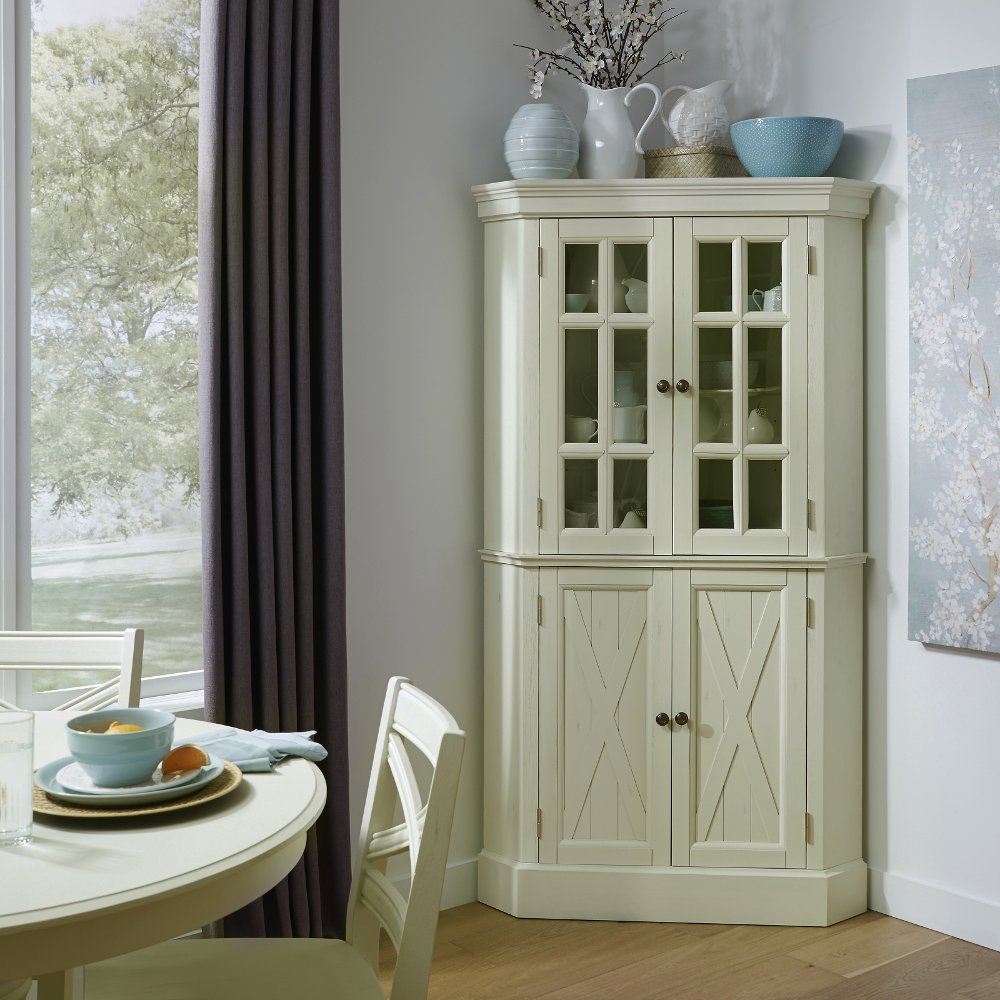
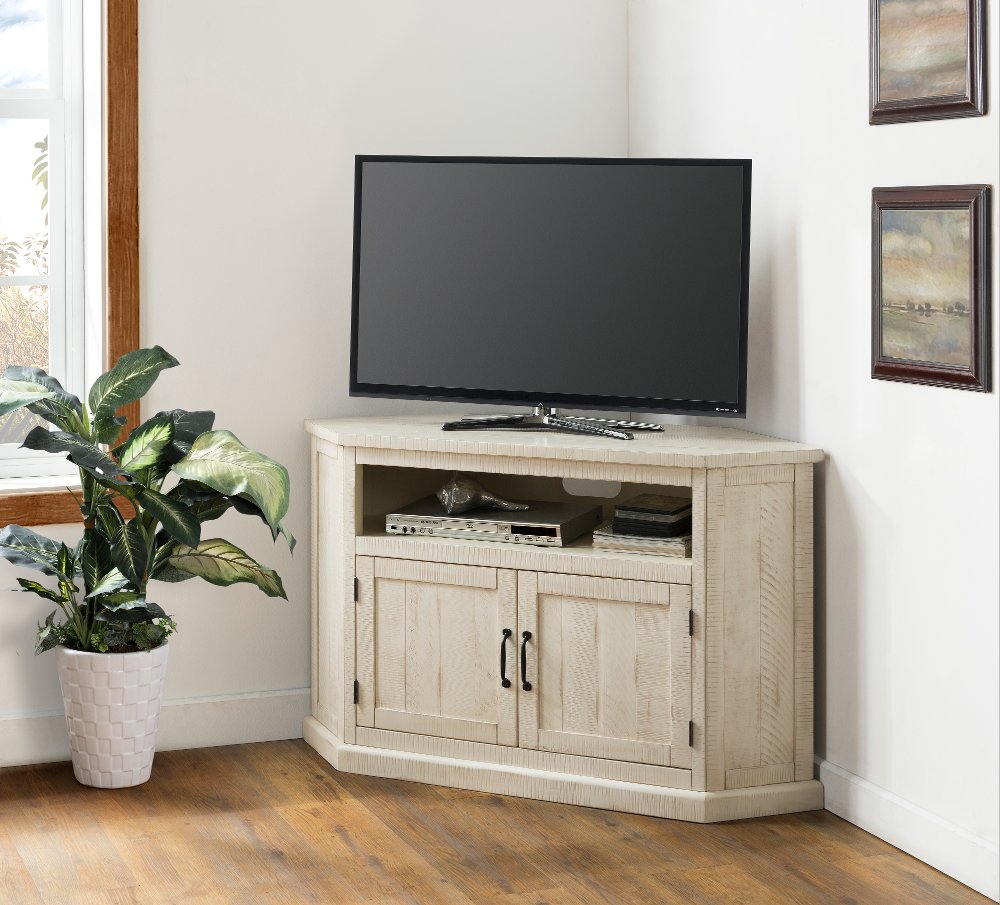
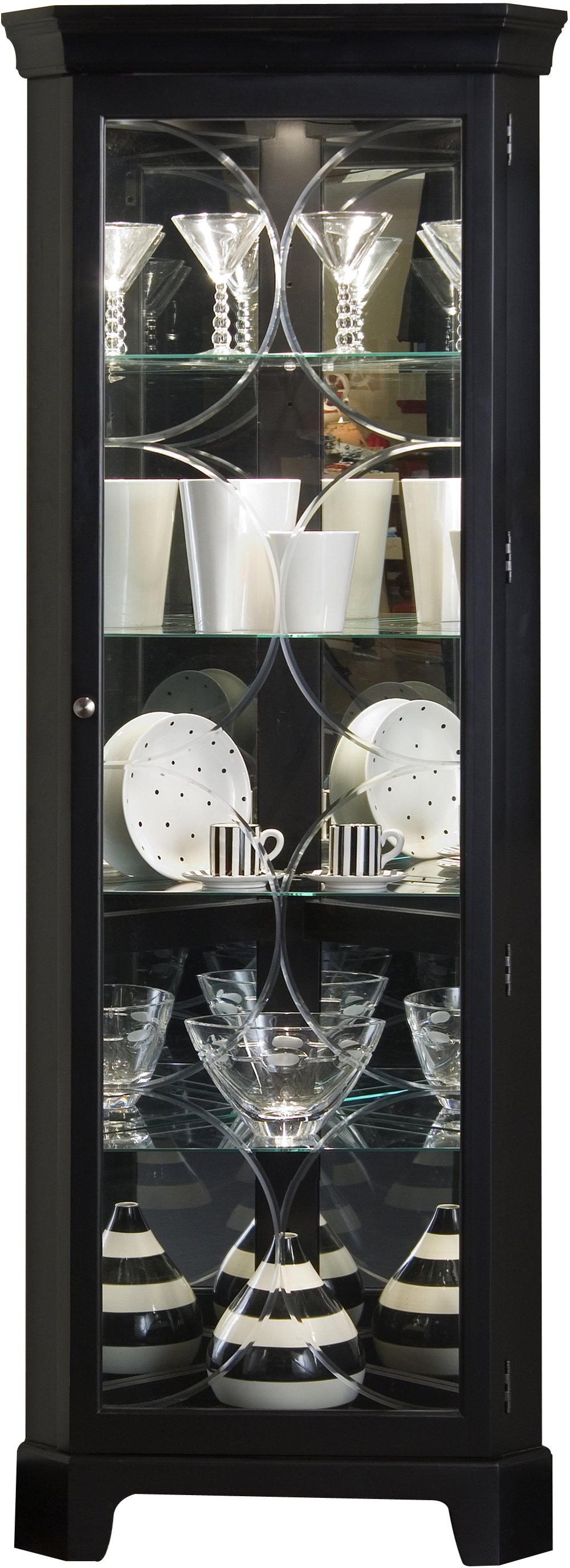
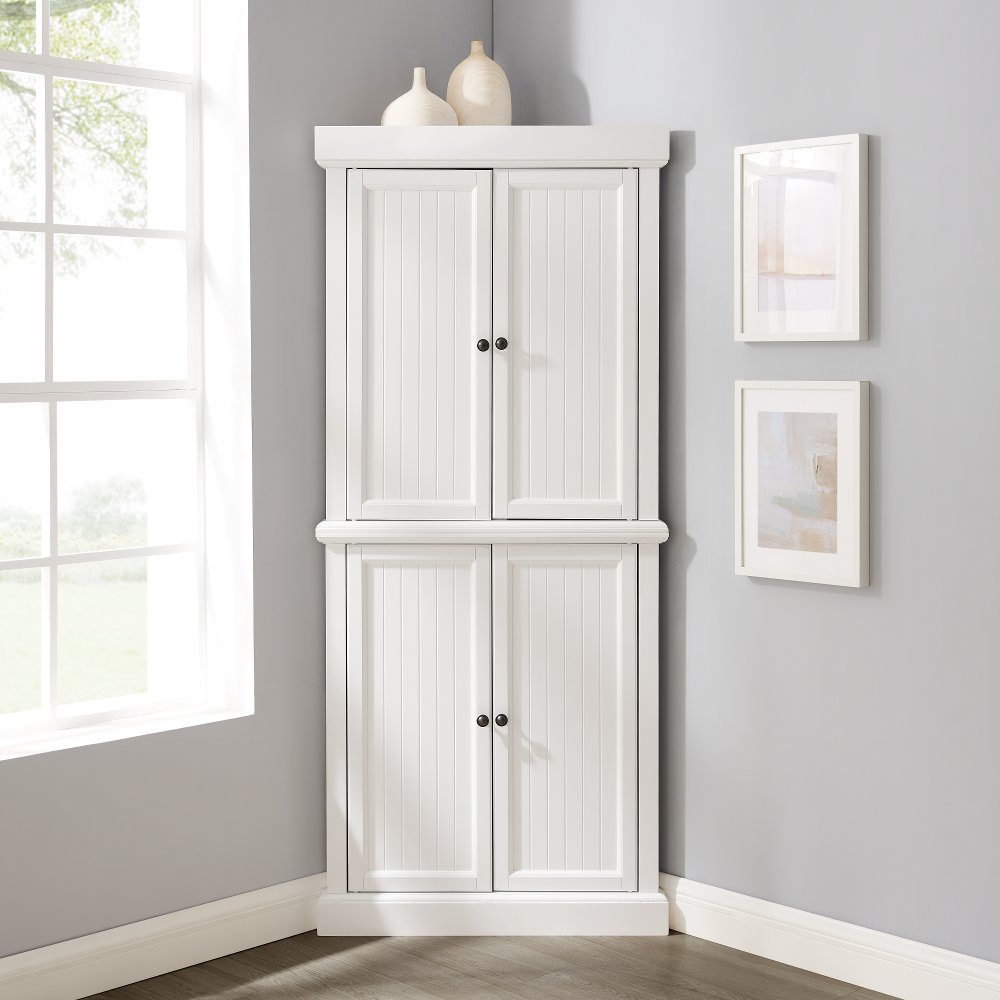
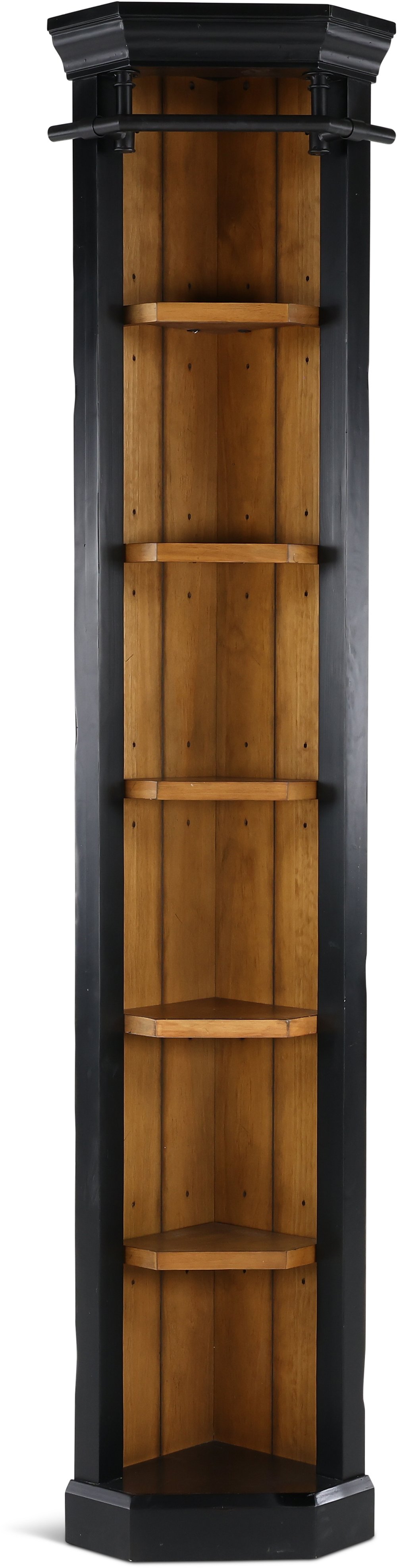
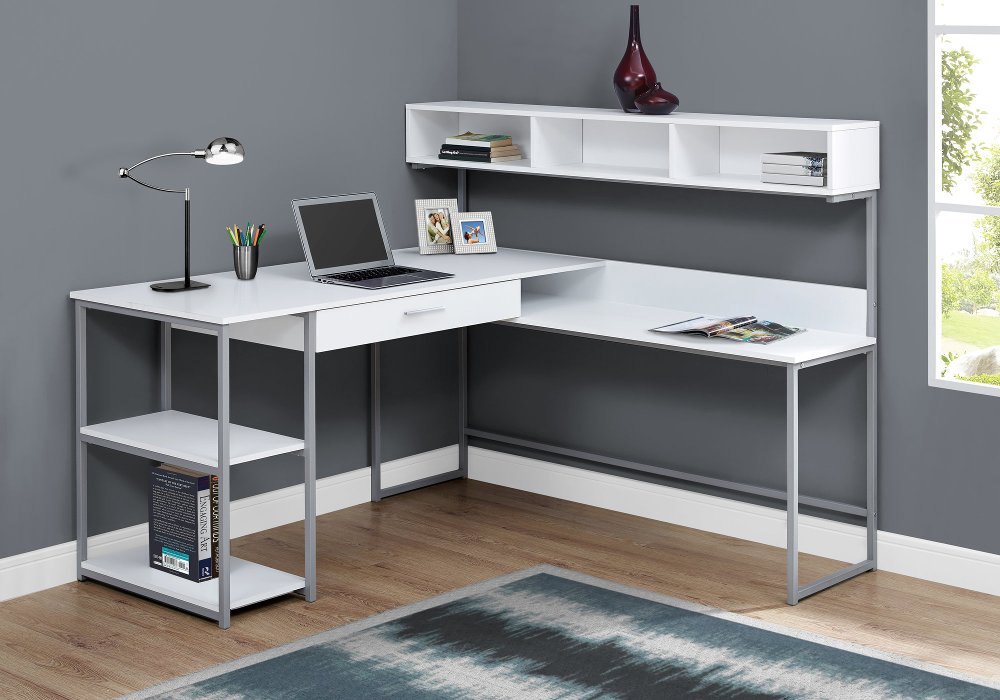
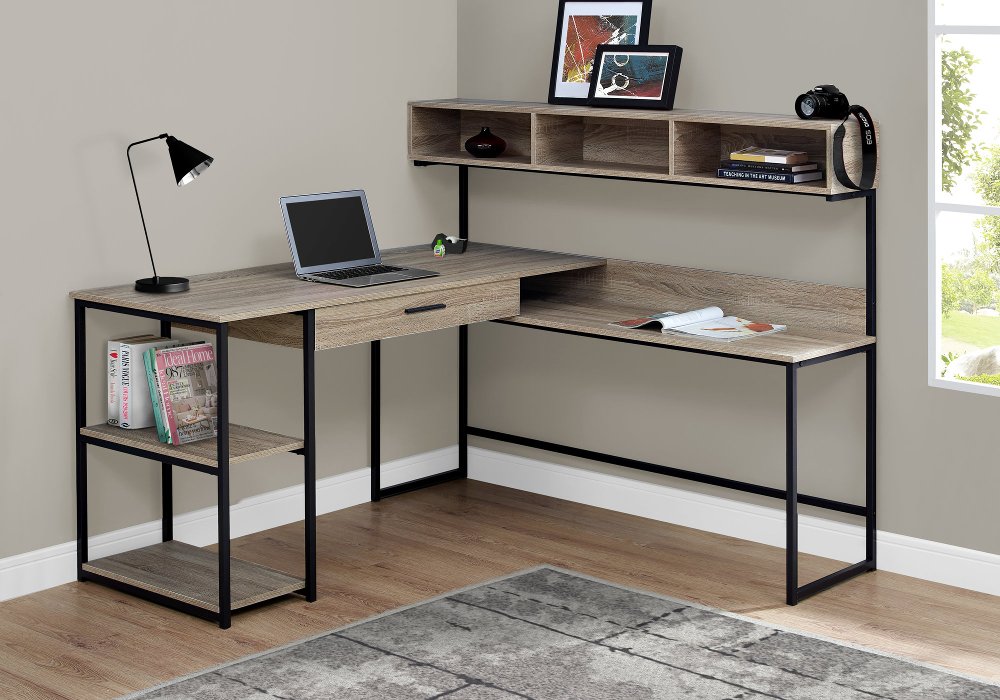
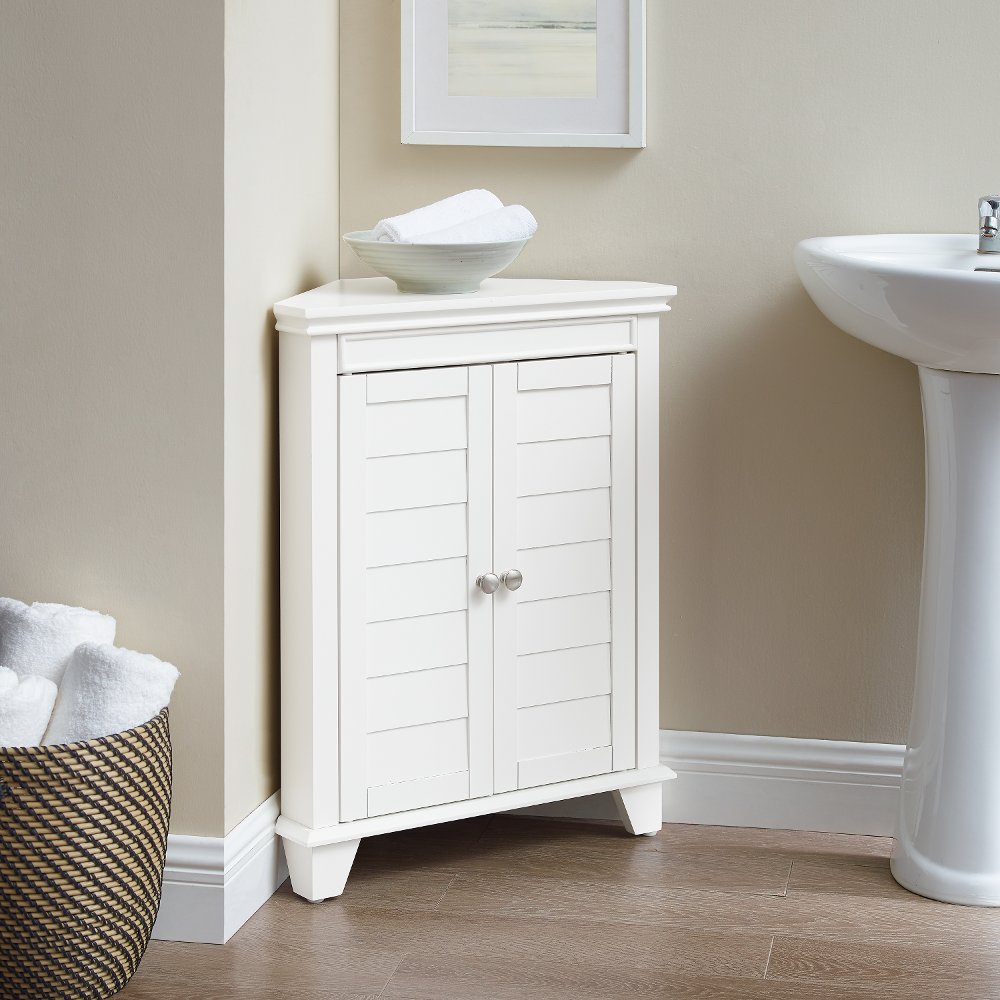
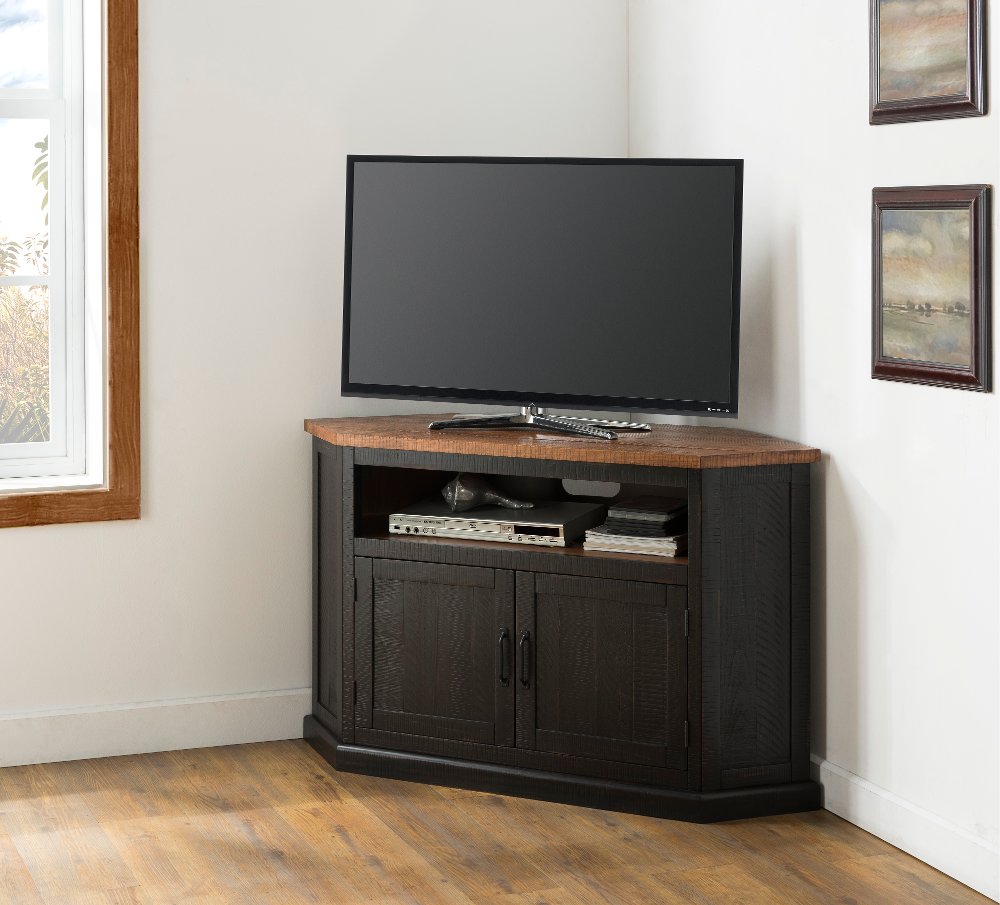
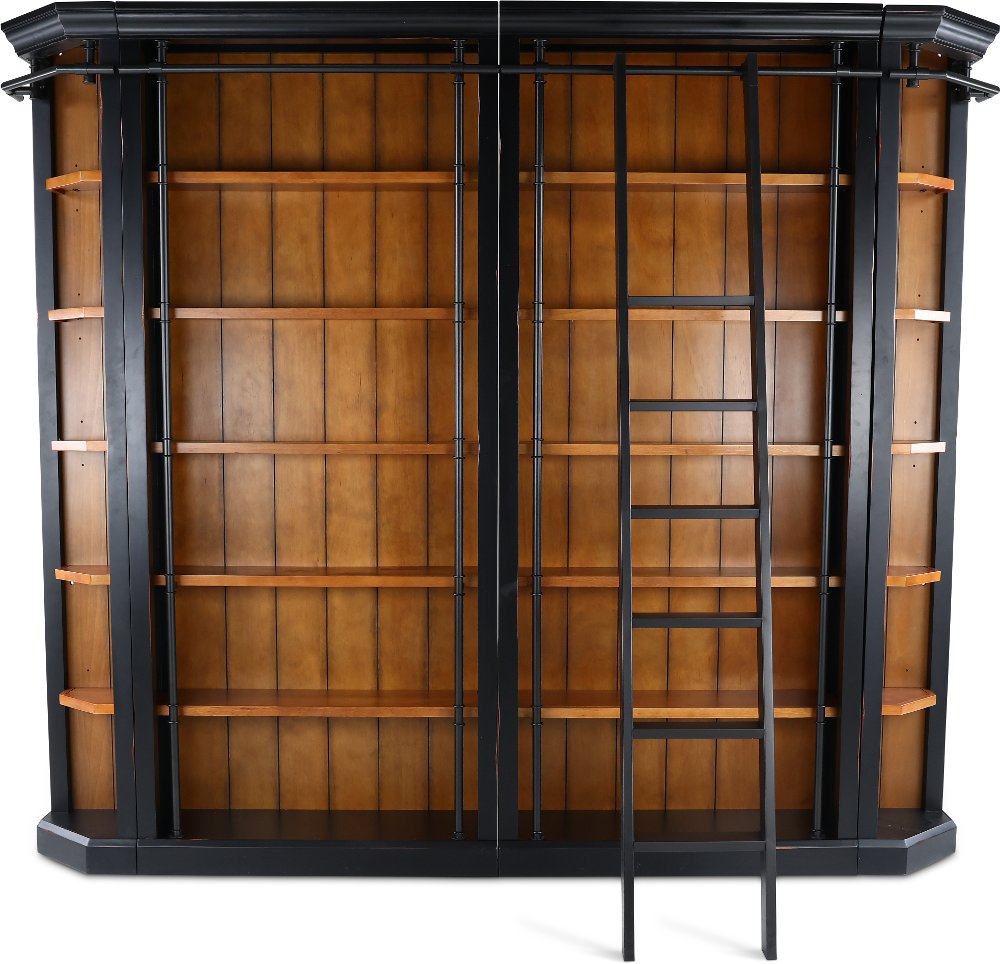
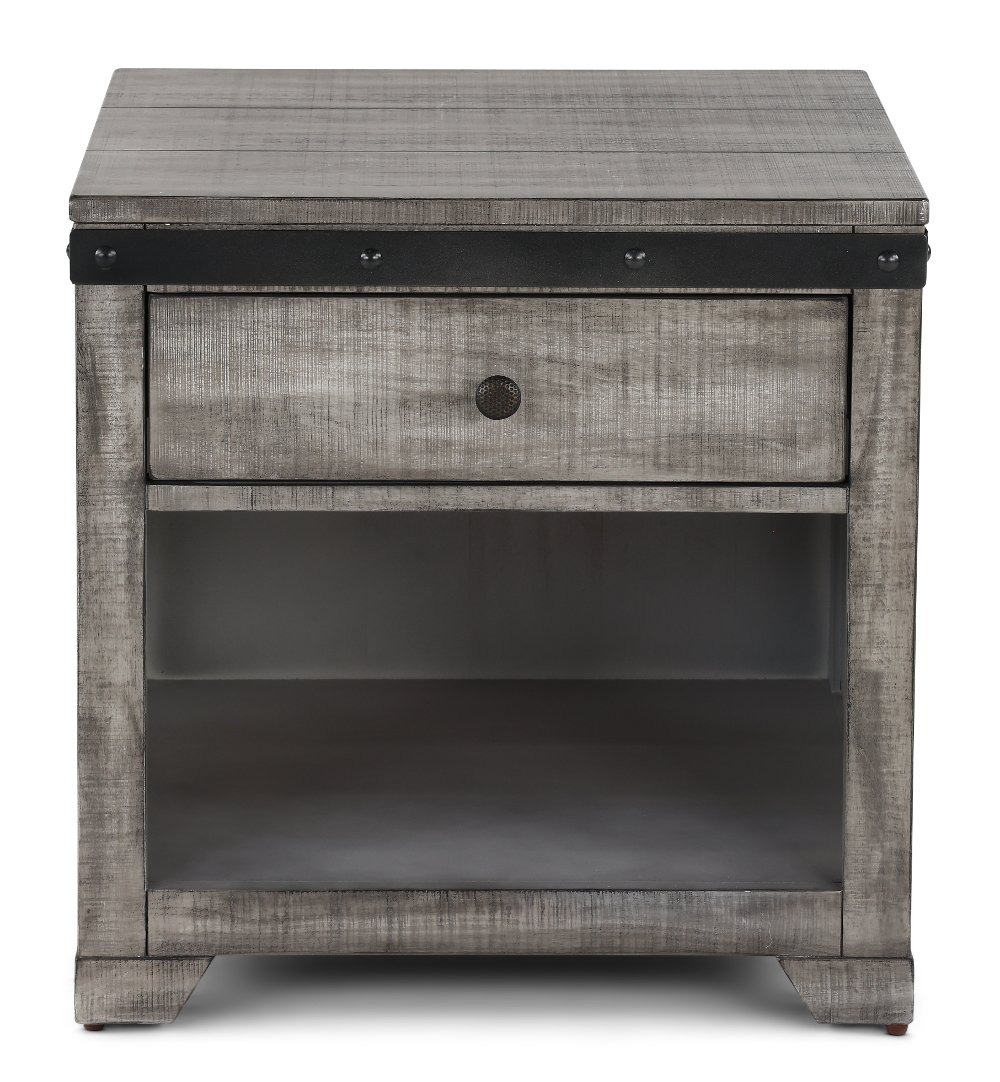
Corner units turn overlooked angles into useful, finished parts of a room. Instead of allowing an empty corner to collect dust or become a place for unopened boxes, you can use a corner bookshelf, display shelf, accent cabinet, or other space-conscious piece to add storage and personality without taking up the footprint of a full-size cabinet or bookcase. Freestanding corner units work especially well in living rooms, bedrooms, home offices, entryways, and dining areas where every inch matters. Open shelving keeps favorite books, framed photographs, plants, baskets, and collected pieces within view, while closed-door storage gives everyday clutter a quiet place to land. A tall design draws the eye upward and makes a compact room feel more intentional, while a lower cabinet can anchor a lamp, artwork, television, or decorative arrangement. When choosing the right size, measure more than the two walls that meet at the corner. Check the height of nearby furniture, the swing of doors, the direction of foot traffic, and the amount of room needed to open cabinet doors or pull out drawers. A few extra inches of clearance can make the difference between a piece that feels effortless and one that makes the room difficult to move through. It also helps to mark the unit’s footprint on the floor with painter’s tape before ordering. This simple step gives you a realistic sense of how far the shelves or doors will extend into the room, especially in a narrow hallway or cozy seating area.
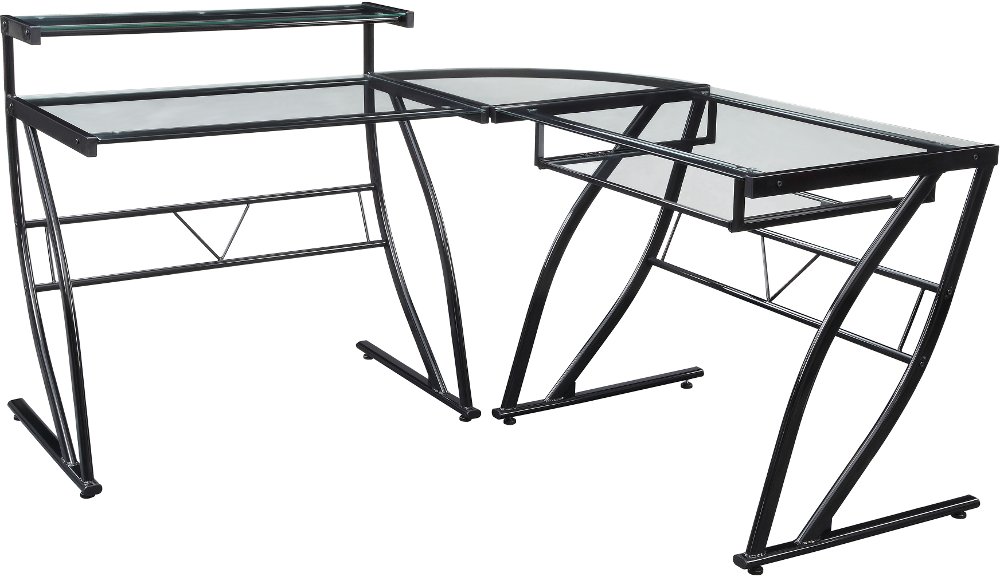
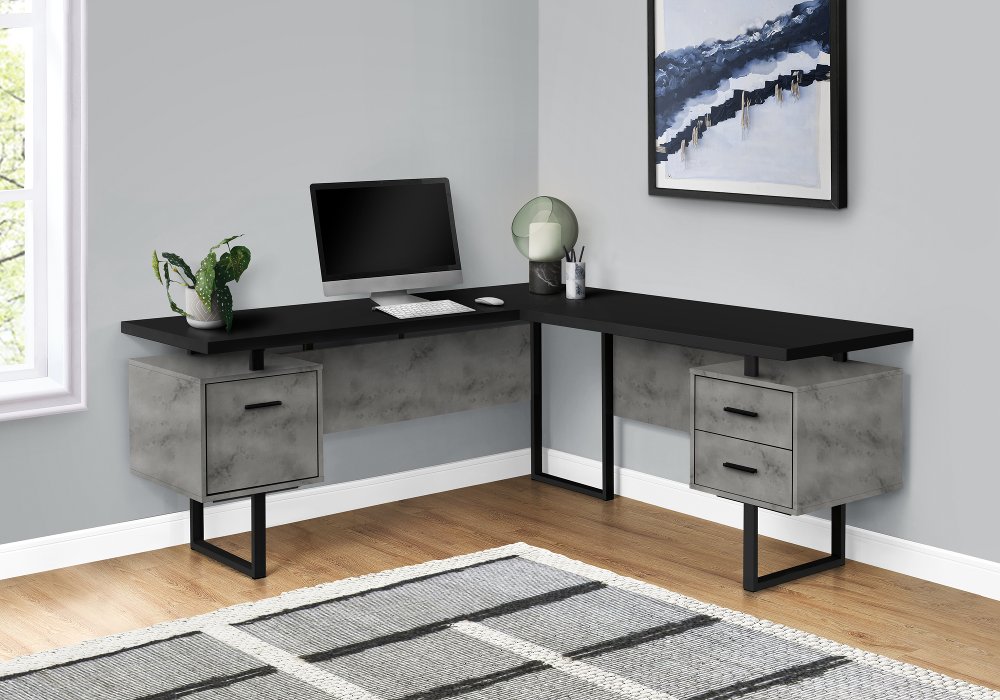
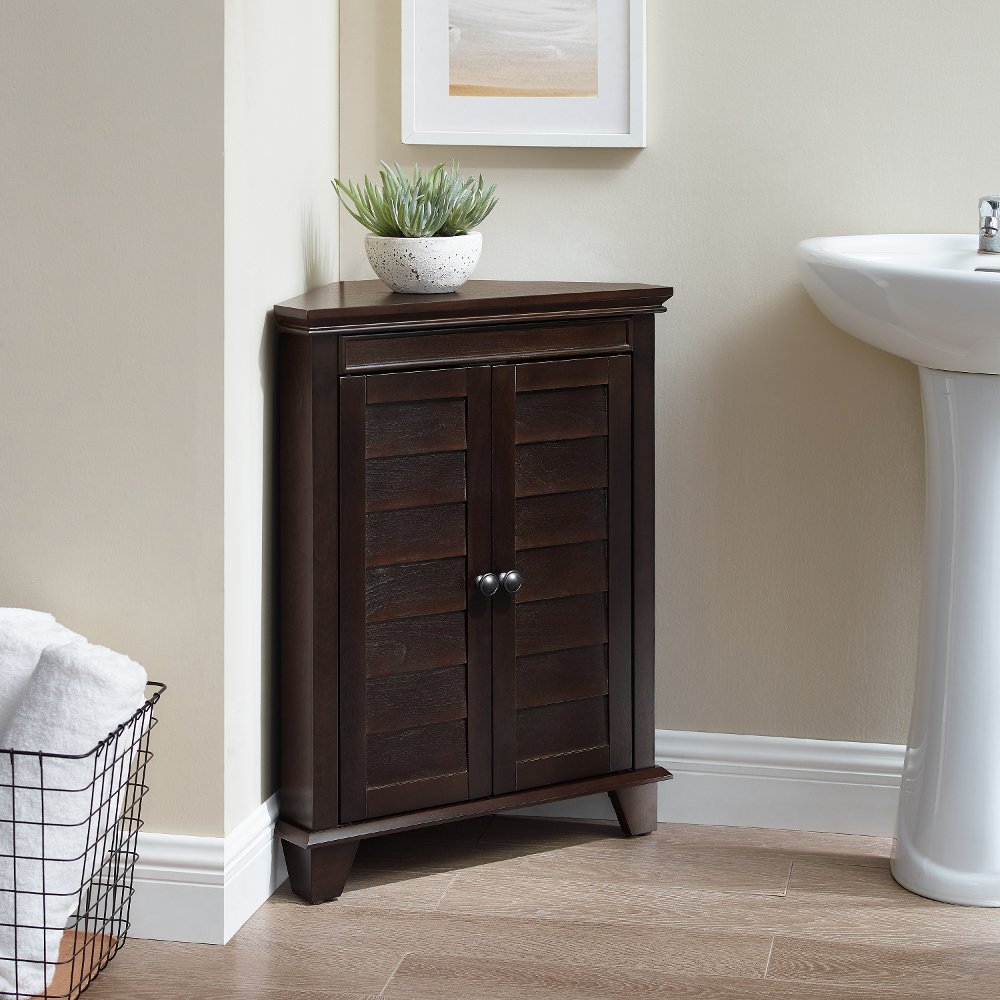
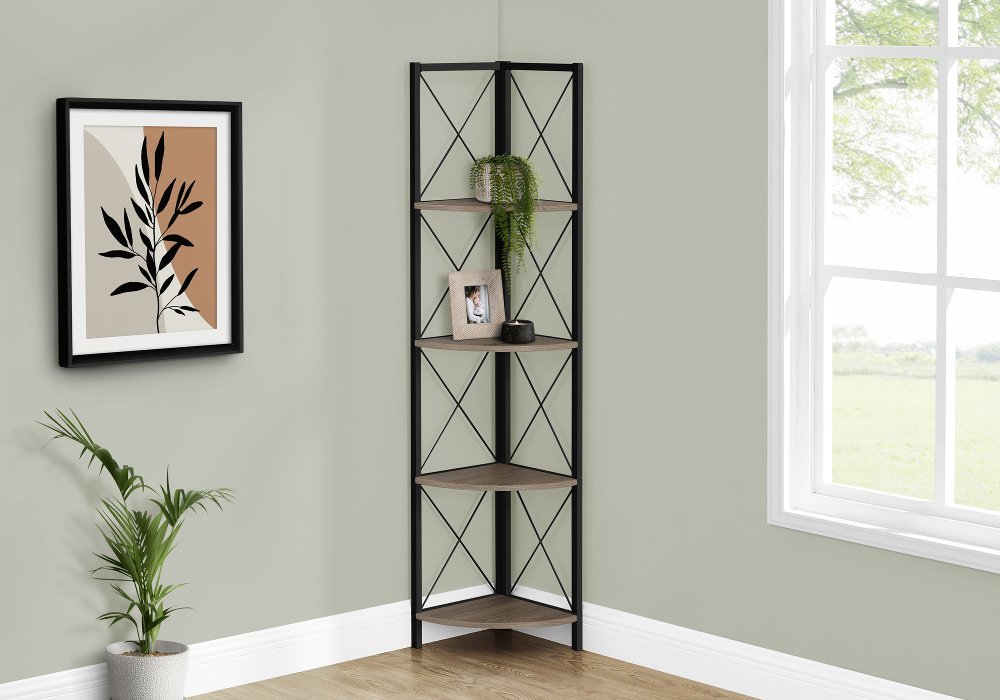
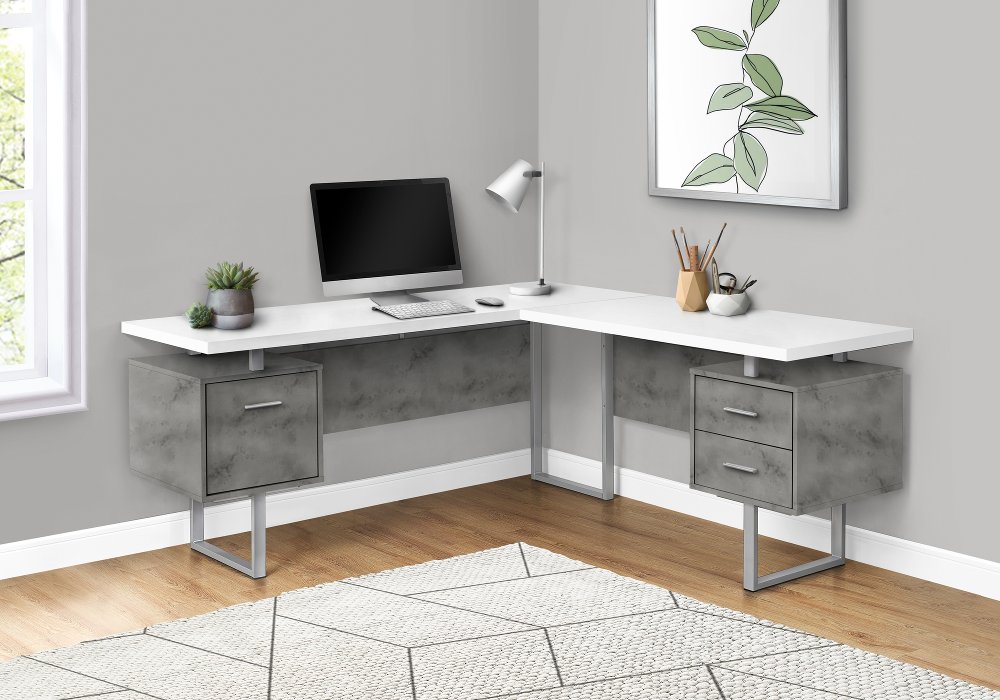
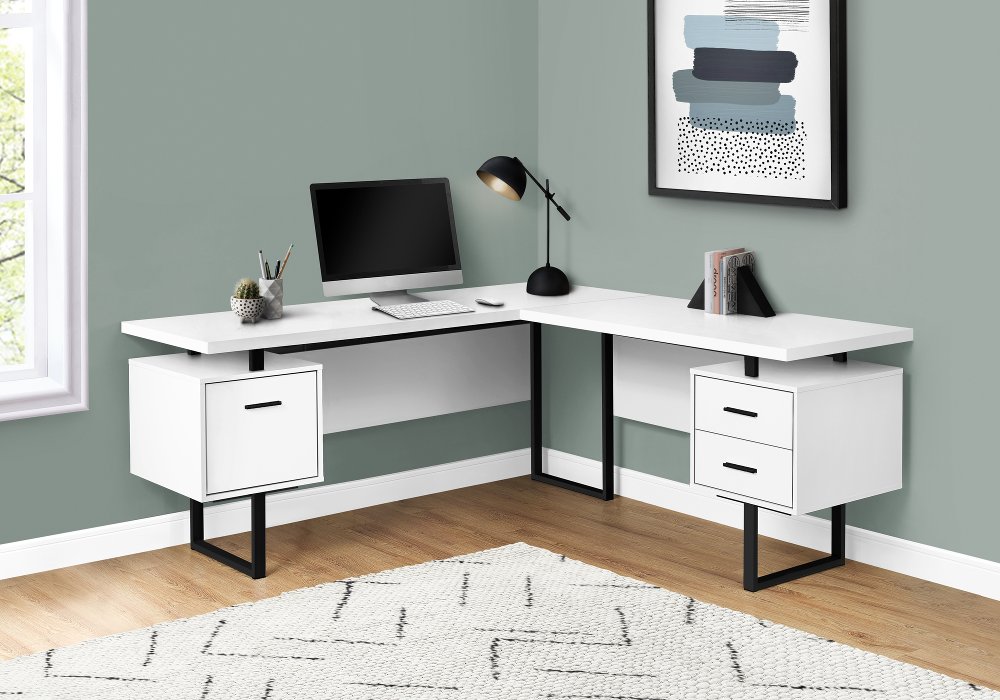
Corner units can solve different storage needs depending on their design. Open corner bookshelves are a natural fit for readers, students, collectors, and anyone who enjoys arranging a room around the things they love. They make use of vertical space while leaving the floor open, which can help a smaller living room, apartment, or bedroom feel lighter. For a more streamlined look, a corner accent cabinet keeps spare linens, games, electronics, dining accessories, or household essentials tucked behind doors. This can be especially helpful in shared spaces, where a single piece of furniture may need to serve several people and keep visual clutter under control. In a home office, a corner unit can hold reference books, paperwork, printer supplies, or baskets for items that tend to gather around the desk. In an entryway, it can provide a landing place for keys, bags, and seasonal accessories without crowding the path from the door. Kitchens and dining areas often benefit from purpose-built corner storage, including cabinets with angled fronts, rotating shelves, pull-out organizers, or lazy Susan-style interiors that make deep corners easier to reach. If your search is focused on kitchen storage and built-in solutions, explore Corner Cabinets for additional options. Before settling on a layout, think about what you plan to store and how often you will use it. Frequently reached items belong on accessible shelves or smoothly operating hardware, while occasional serving pieces, keepsakes, and extra supplies can make good use of higher or deeper storage.
The best corner unit feels as though it belongs in the room from the start. Consider the surrounding finishes, including flooring, wall color, hardware, and the wood tones or upholstery already in place. A cabinet with a substantial base can bring warmth to a room filled with clean lines, while a lighter open shelf can complement a relaxed, airy arrangement. Look for sturdy construction, stable feet or a level base, shelves that suit the weight of your belongings, and finishes that are easy to maintain. Safety matters as well: tall units should be positioned securely, particularly in homes with children or pets, and heavy objects should sit on lower shelves whenever possible. During the cooler months, corner storage can make gathering spaces feel more comfortable by keeping blankets, books, puzzles, and board games close to the sofa or dining table. A new corner unit can also be a thoughtful housewarming gift for someone settling into a first apartment, moving into a new home, or refreshing a room with limited floor space. One of the most useful arrangements is often the simplest: a lamp or leafy plant on top, a few carefully chosen pieces at eye level, and baskets or closed storage below for the items used every day. Leave some open space rather than filling every shelf, so the unit can hold new finds and changing needs over time. With the right dimensions, storage style, and placement, a corner unit does more than fill an awkward angle. It gives the room a practical rhythm, creates a home for belongings, and helps your space feel considered from wall to wall.
Read More