Wall Units

Shop wall units to bring your TV area and living room storage together in a coordinated setup. As you compare entertainment centers, consider your available wall space, TV dimensions, and storage needs. Look for a layout that gives you room for media and everyday essentials while keeping your space comfortable and easy to navigate.
Read More
Sort by:

Wall Units

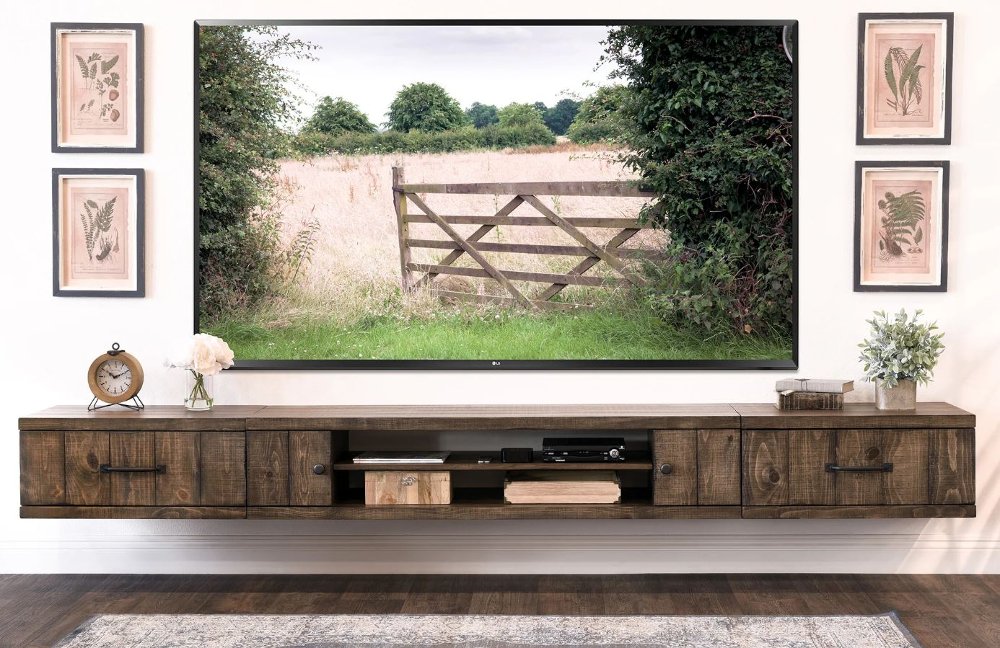
Wall units are coordinated storage and display systems that extend along a wall, often combining cabinets, shelves, and an open area for a television. Some stand on the floor, some attach to the wall, and others combine both arrangements to make better use of vertical space. In living rooms and family rooms, an entertainment wall unit brings the TV, media equipment, books, and decorative pieces into one organized setting. Instead of placing several unrelated pieces around the room, you get a more connected look with storage built around the way your household spends time together. Open shelves give framed photos, favorite novels, and pottery a place to stand out, while closed cabinets keep board games, spare cables, and other everyday essentials tucked away. A combination of both can feel especially comfortable: personal enough to look lived in, but organized enough that clearing the room takes less effort. The right layout depends as much on your habits as your decorating style. A household that gathers for movies may appreciate a generous central TV opening and accessible equipment storage. A reader might prefer taller bookcase sections, while someone who enjoys collecting could lean toward display cabinets with glass doors. Wall units also help establish a focal point in an open living area, where a long stretch of cabinetry can visually anchor the seating arrangement. Their style ranges from clean-lined designs with smooth fronts to more traditional pieces with crown molding, framed doors, and substantial bases. Light finishes can keep a large arrangement from feeling too visually heavy, while darker finishes create a stronger contrast against pale walls. Wood grain adds texture without requiring extra decoration. For a balanced look, leave some breathing room between displayed objects rather than filling every shelf. A few meaningful pieces often feel more inviting than a wall crowded with accessories.

A wall unit’s overall dimensions matter, but the individual openings and cabinet interiors determine how comfortably it works in your home. TV sizes describe the screen diagonally, so the actual width and height of the television, including its stand, need to fit the designated opening. Any surrounding clearance should also follow the television manufacturer’s recommendations. A wide screen squeezed between two towers can look crowded even when it technically fits, and a shelf positioned too low may block a soundbar or interfere with a remote-control sensor. The depth of the unit deserves just as much attention. A shallow arrangement can suit a narrower room, while deeper cabinets may accommodate larger components or bulky games. Doors and drawers need room to open without bumping into a coffee table, sofa arm, or nearby doorway. In a room with baseboard trim, outlets, or floor vents along the intended wall, those details can affect placement and how closely the furniture sits against the surface. Adjustable shelves offer flexibility for changing collections, though shelf weight limits still apply, especially with heavy books. For media storage, cable openings help keep cords organized, and suitable ventilation allows heat from receivers, gaming consoles, and other electronics to escape. An enclosed cabinet only works for equipment when its design and the equipment’s operating requirements are compatible. Wall-mounted sections require hardware and anchoring appropriate for the wall construction and the load they’ll carry; professional installation may be helpful for larger arrangements. Floor-standing pieces also need any anti-tip restraints specified by the manufacturer, particularly in homes with children or pets. These practical details support a room that feels easy to use rather than simply well arranged. Modular wall units can offer more layout choices when their components are designed to work together, while a fixed configuration provides a consistent, unified shape. In either case, consider the wall’s full proportions, the path through the room, and the view from your favorite seat. The best fit leaves space for daily movement while keeping the things you reach for close at hand.

Materials and construction influence a wall unit’s appearance, weight, and long-term care. Solid wood brings natural grain variation and can develop character with use, though it also responds to changes in indoor humidity. Wood veneers place a thin layer of real wood over a supporting core, offering the look of natural grain; their durability depends on the construction, finish, and how they’re treated. Engineered wood with a laminate or other protective surface can provide a consistent appearance and straightforward everyday cleaning. Metal framing creates a more open, structured profile, while glass shelves or doors lighten the visual effect and make displayed objects easier to see. No single material determines the quality of the whole piece. Secure joints, well-supported shelves, aligned doors, and drawers that move smoothly all contribute to furniture that handles regular use. The way you plan to fill it matters, too: a shelf holding a few framed photographs carries a very different load from one packed with hardcover books. In a busy family room, accessible lower cabinets can make cleanup easier, while fragile keepsakes belong in a protected display area rather than beside frequently used games. For a shared living space, separate storage zones can give each person a place for their belongings without making the room feel divided. Related storage needs may extend into the kitchen or dining area, where kitchen units can provide a home for dishes and serving essentials while keeping those functions separate from the media area. Across these spaces, repeated wood tones or complementary hardware can create continuity without requiring every piece to match exactly. Routine care helps preserve that finished look. Dust with a soft cloth, wipe up spills promptly, and follow the manufacturer’s cleaning directions rather than assuming a single cleaner suits wood, glass, and metal alike. Protect surfaces from damp planters and rough-bottomed accessories, and keep ventilation openings clear. A thoughtfully chosen wall unit gives everyday belongings a place to land, supports the activities you enjoy, and helps your room feel comfortably put together.
Read More

Frequently Asked Questions

Filter By