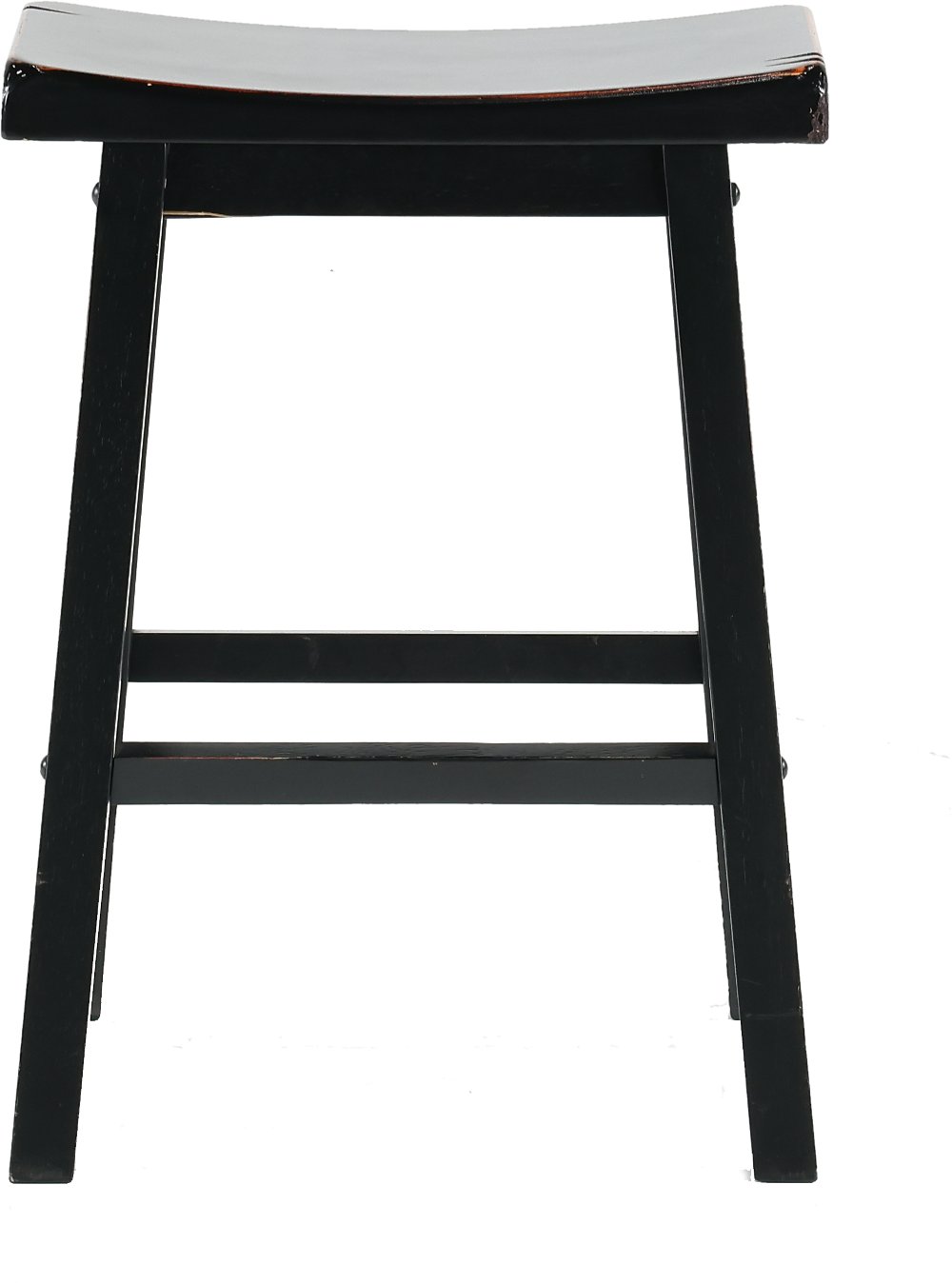
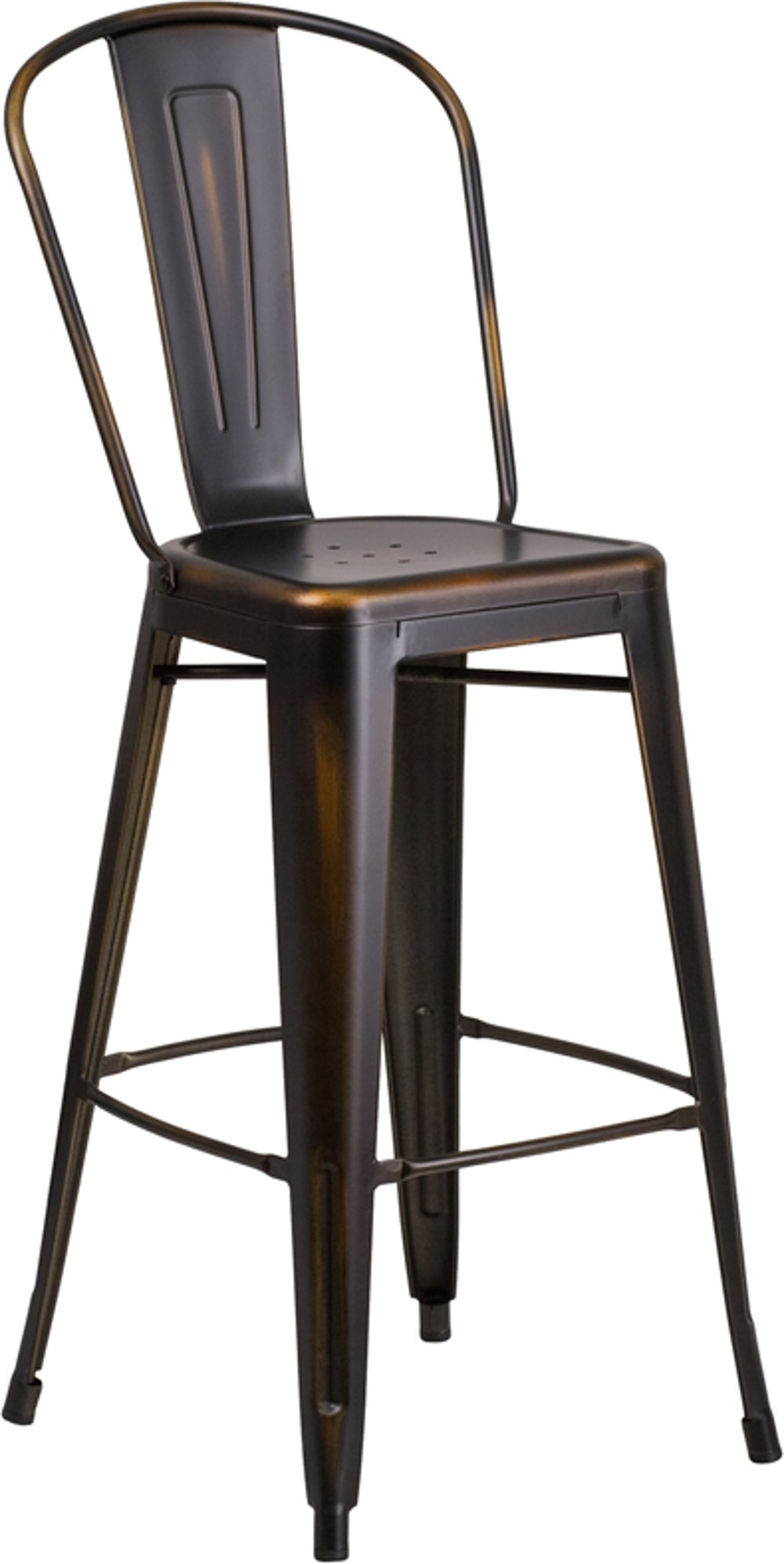
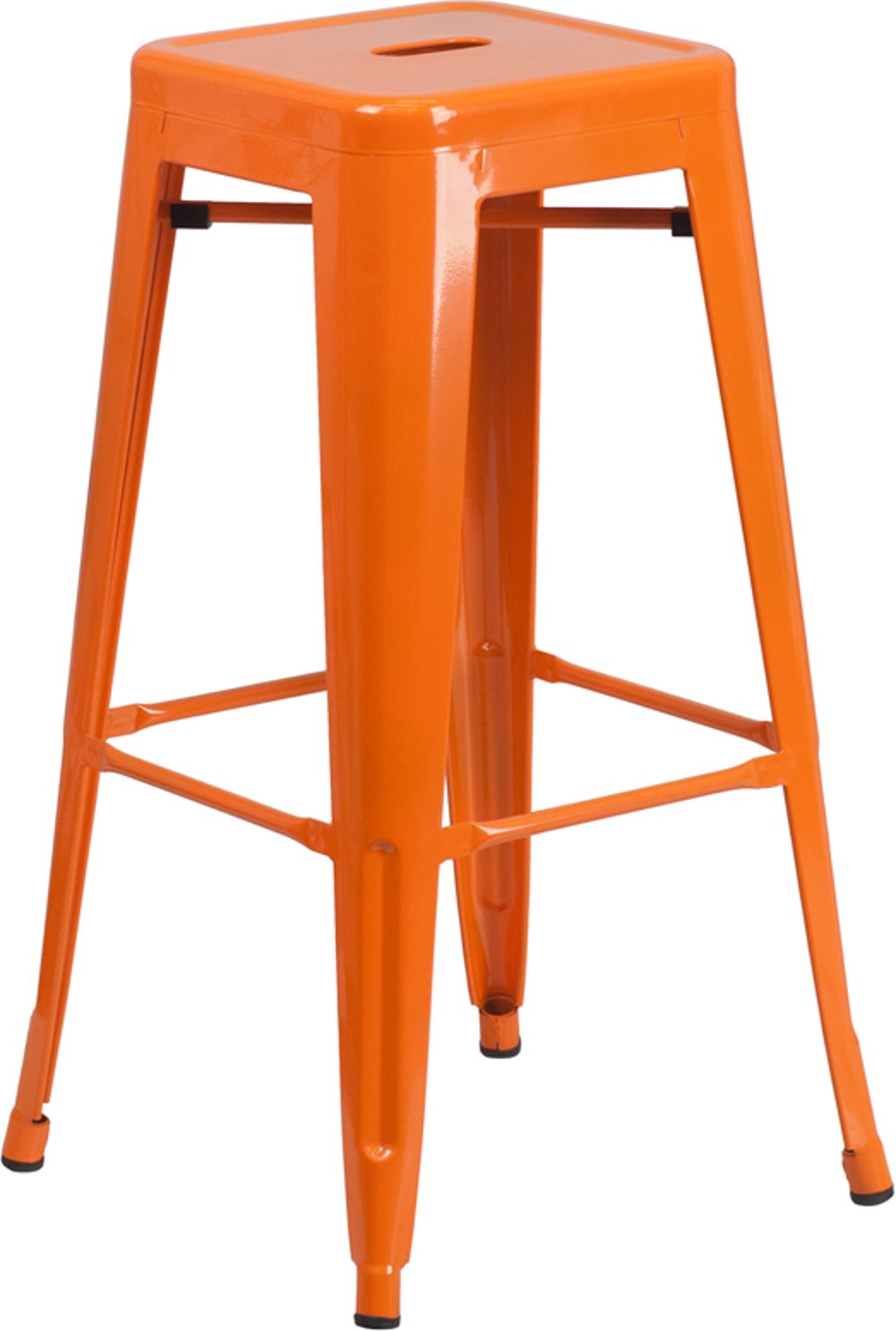
Counter height saddle stools bring comfortable, space-conscious seating to kitchen islands, breakfast counters, and counter-height tables. Their defining feature is a seat with a shallow curve or dip, shaped to offer more contour than a flat surface. Most have a backless profile that keeps sightlines open, so a row of stools can add seating without visually dividing the kitchen from the living area. Counter height saddle stools typically have seats about 24 to 27 inches from the floor and are intended for counters approximately 35 to 37 inches high. The right pairing depends on the actual measurements: aim for roughly 10 to 12 inches between the seat and the underside of the counter for comfortable legroom. A thick countertop, low apron, or drawer beneath the surface can reduce that space, so measure the usable opening rather than relying on the counter’s overall height. For a standard 36-inch-high kitchen counter, a seat around 24 to 26 inches high is often a good starting point, with the final fit determined by the underside clearance. Taller bar-height stools generally belong at higher surfaces and aren’t interchangeable with counter-height seating. Width matters just as much as height when several people gather for breakfast or settle in for a conversation with the cook. Allow about 24 to 30 inches of counter length per person, adjusting for wider seats and leaving enough elbow room between neighbors. Check the stool’s widest point, including legs that angle outward, before deciding how many will fit. Backless saddle stools can tuck beneath a counter when the overhang, stool depth, and base dimensions allow it, helping keep a nearby walkway clear. That makes them especially useful in smaller kitchens, where a stool pulled just a few inches too far into the room can interrupt the path from the refrigerator to the sink.
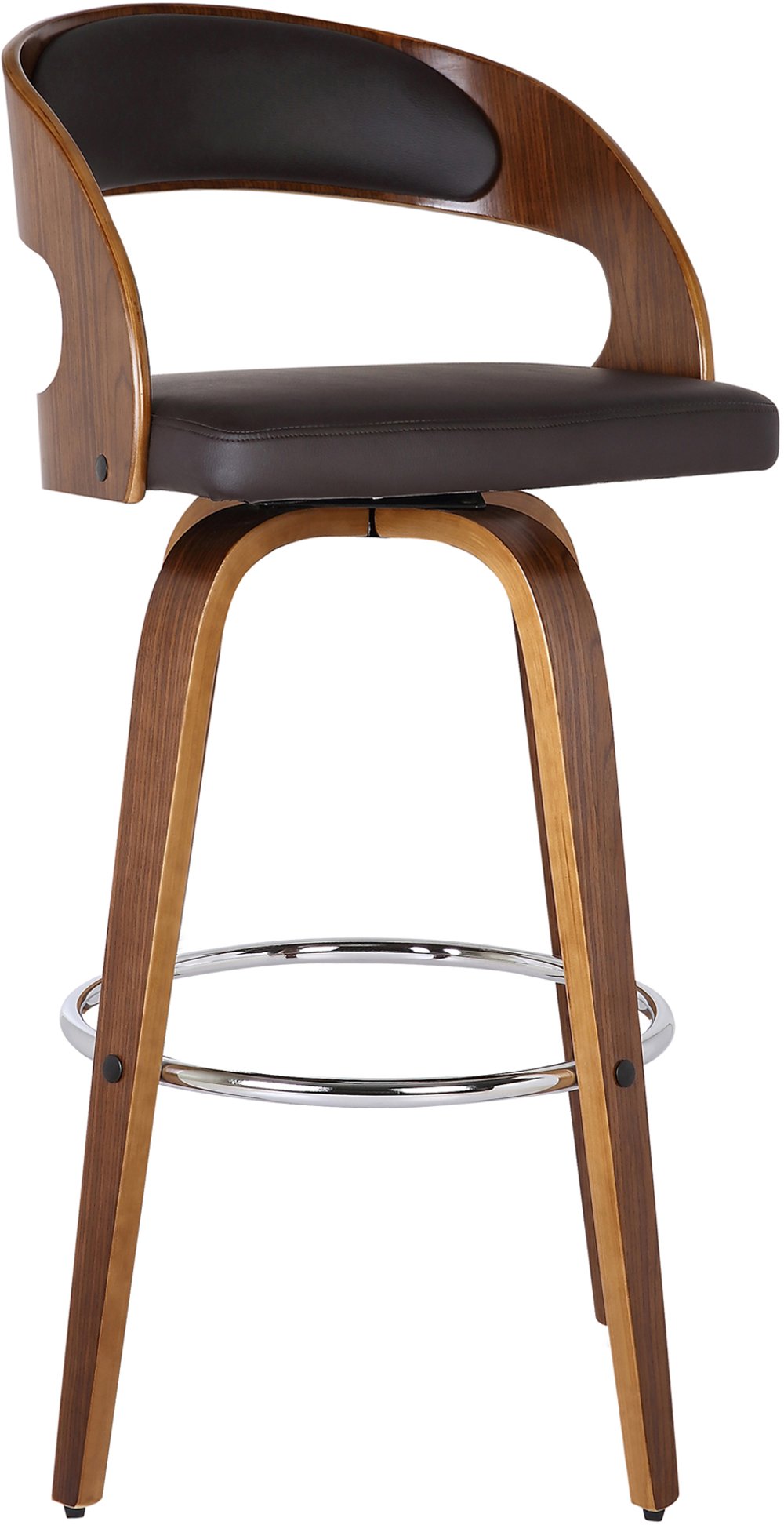
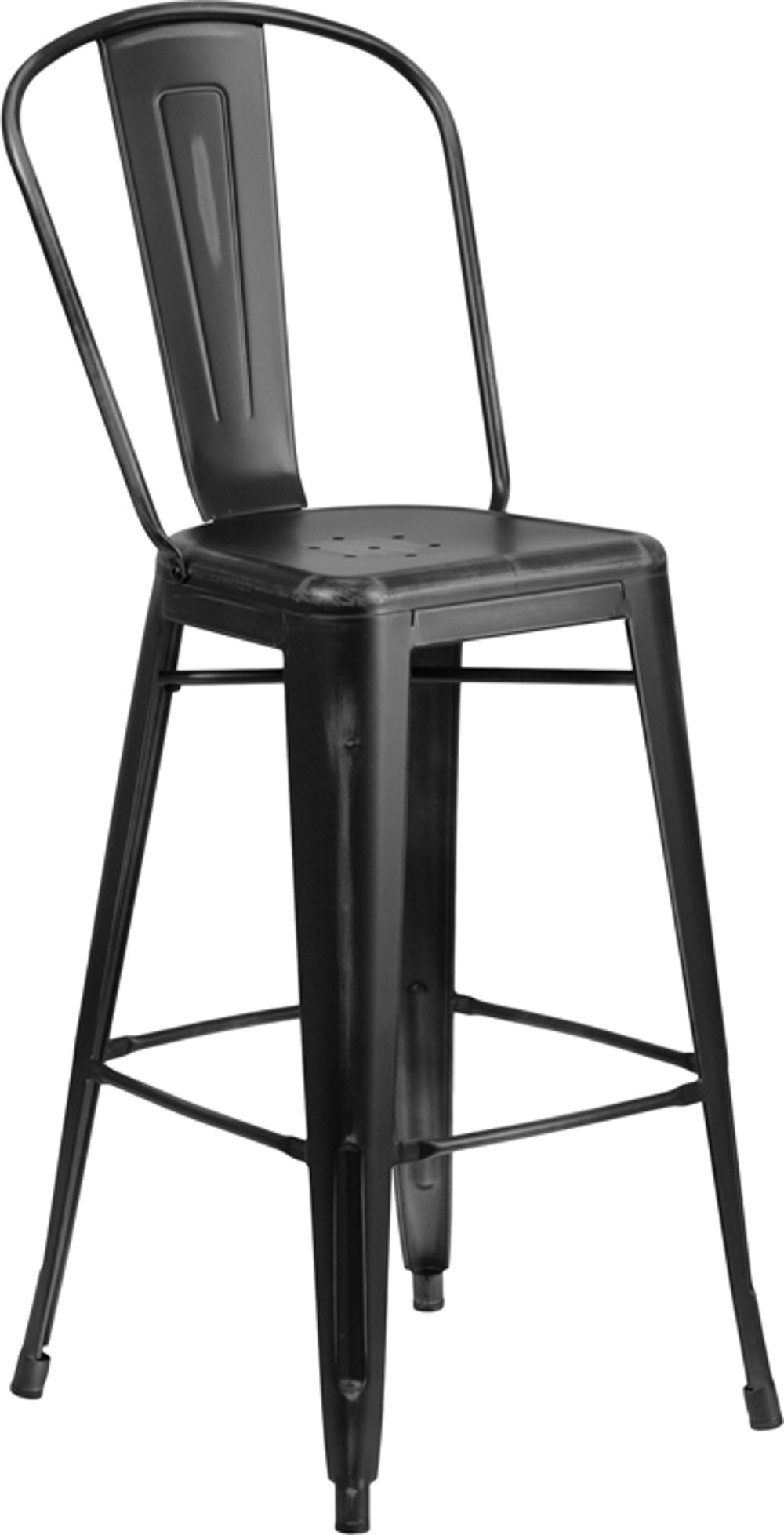
Materials influence how counter height saddle stools look, feel, and handle daily use. Solid wood offers visible grain and a substantial feel, while painted or stained finishes make it easier to coordinate seating with cabinets, flooring, or a dining table nearby. Wood species such as rubberwood can provide a practical foundation for everyday furniture, though construction, finish quality, and care all contribute to durability. A shaped wooden seat has a clean, straightforward appearance and avoids the seams and fabric texture of upholstery. Metal frames can create a slimmer outline and work well with everything from simple contemporary kitchens to spaces with industrial details. Look at the frame’s connections and crossbars as well as its appearance; secure joints and a stable base matter more than a heavy-looking silhouette. Upholstered saddle stools add cushioning, which may feel more inviting when a quick cup of coffee turns into a longer conversation. Woven fabric brings softness and texture, but crumbs can collect along seams, and spills need attention according to the upholstery’s care instructions. Faux leather often offers a smooth surface that’s convenient to wipe down, although it still needs gentle cleaning and protection from sharp objects. Genuine leather has its own care requirements and may develop visible character with use. Neither a cushion nor a particular material guarantees comfort, so consider seat width, depth, contour, and edge shape together. A gently rounded front edge can feel more comfortable beneath the thighs than a sharp, squared edge. For color, lighter finishes can keep a compact seating area feeling airy, while darker finishes provide contrast against pale cabinetry or stone. If a dark seat or frame suits the room, black saddle seat bar stools offer a related style direction; check the listed seat height carefully to distinguish counter-height seating from taller bar-height designs. Matching every wood tone isn’t necessary. Repeating one finish or color elsewhere in the room can make the seating feel connected without making the whole kitchen look like a matched set.
The best fit for daily life also depends on how the stools will be used. Backless counter stools make it easy to sit down from either side, which is handy at an island that serves as a breakfast spot, homework surface, and place to chat while dinner comes together. Their open design also lets a decorative countertop or cabinet finish remain visible. For extended meals or long stretches at a laptop, however, some people prefer seating with back support. A saddle contour adds shape to the seat, but it doesn’t replace a backrest. Footrests deserve attention, too: feet should have a comfortable place to rest rather than hang unsupported, and a securely attached rail helps make the seated position feel settled. Choose a stool with an appropriate manufacturer-stated weight capacity, and remember that a footrest isn’t a step. Households with children should consider whether each child can get on and off safely; a tall, backless stool isn’t a substitute for age-appropriate seating. In busy kitchens, everyday care can be simple when it matches the material. Wipe up spills promptly, remove crumbs with a soft cloth or a suitable vacuum attachment, and follow the manufacturer’s cleaning directions before applying any product. Avoid soaking wooden seats or joints, and use only cleaners approved for the upholstery or frame finish. Check assembly hardware periodically and tighten it as directed, especially if stools get moved frequently. Properly fitted floor protectors can help limit scratches and scraping sounds, but they should suit the flooring and stay free of trapped grit. Lift stools when moving them rather than dragging them across the floor. Before committing to dimensions, picture an ordinary morning: someone seated with a plate and mug, another person opening a nearby drawer, and enough room behind the stool for someone to pass. That small exercise can reveal whether the seat is too wide, the base extends too far, or the island needs fewer stools. With suitable proportions, supportive footrests, and materials that match the household’s routines, counter height saddle stools can make an everyday counter a genuinely useful place to sit.
Read More