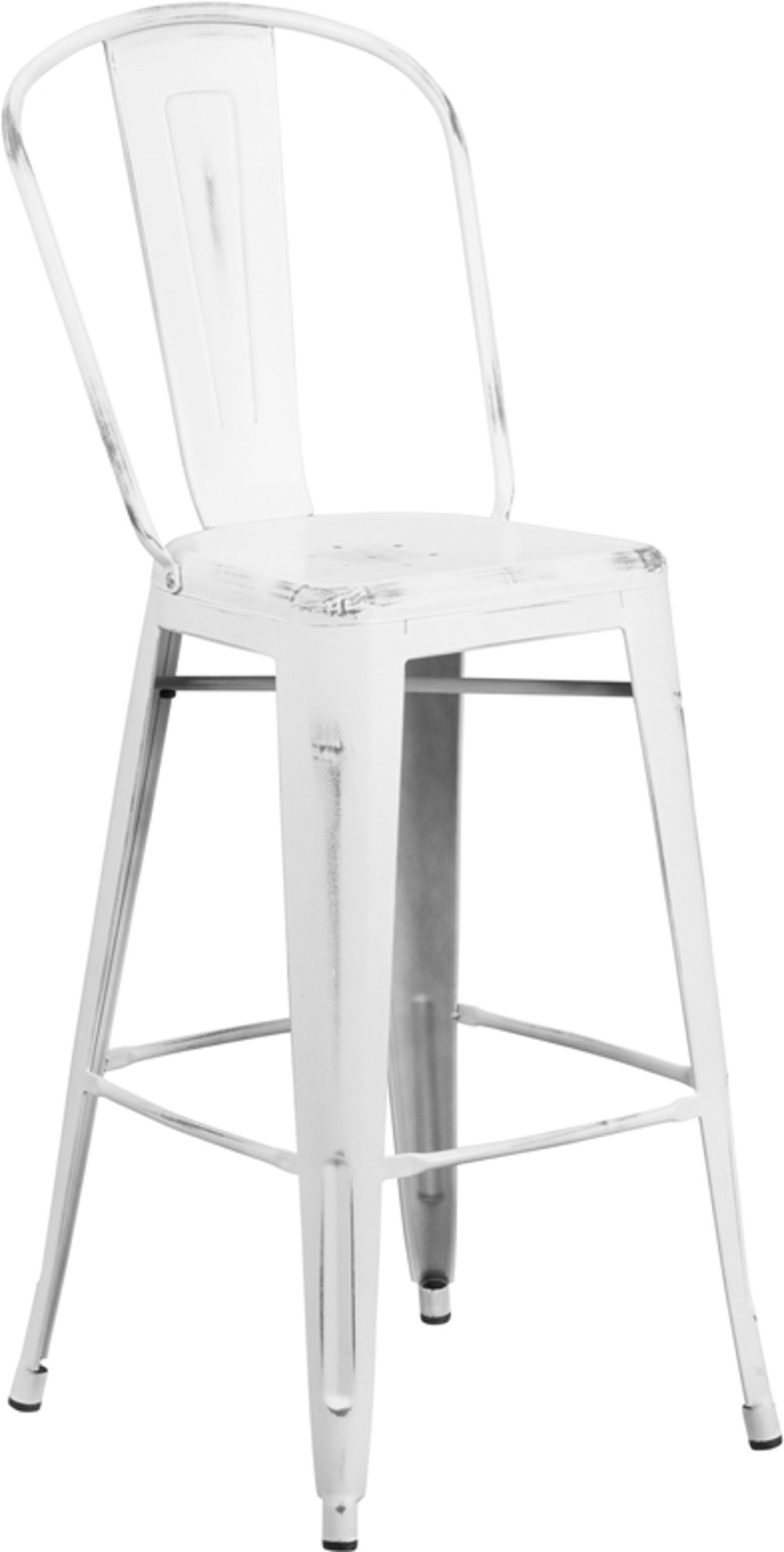
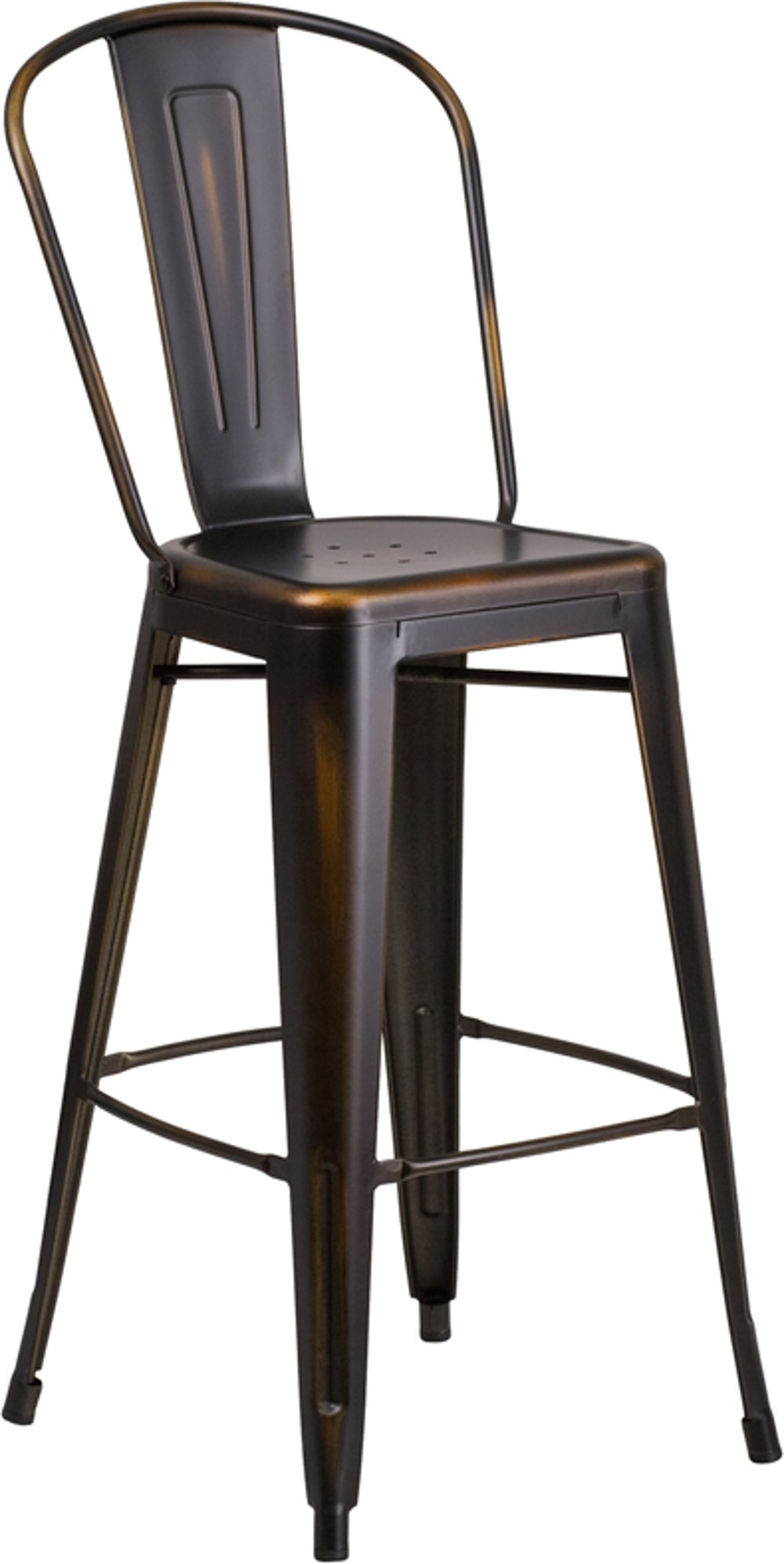
Counter height stools typically have a seat height of 24 to 26 inches and are designed for kitchen counters and islands about 36 inches tall. That puts the seat at a comfortable level for everyday meals, conversation, and a quick cup of coffee without the extra height of a raised bar. Bar height stools generally have seats measuring 28 to 30 inches and suit surfaces about 40 to 42 inches high, so the two categories aren’t interchangeable. For a comfortable fit, allow approximately 10 to 12 inches between the top of the stool seat and the underside of the counter. Measuring from the floor to the underside, rather than just the top of the countertop, accounts for the thickness of the surface. A decorative apron, drawer, or support beneath the counter can reduce that clearance further. The listed seat height matters more than the stool’s overall height, which may include a tall back. Width and depth deserve the same attention, especially along an island that doubles as a walkway. Allow roughly 24 to 30 inches of counter length per person as a starting point, then check the actual stool dimensions. Leaving about 6 inches between the widest parts of neighboring stools helps keep elbows, arms, and seats from crowding each other. Wide seats, armrests, and swivel designs may need more room. An island with three place settings can feel very different once three full-size stools sit beneath it, so the usable seating area matters more than the overall counter length. Counter overhang also affects comfort: enough knee space lets someone sit close to a plate without leaning forward or turning sideways. Backless designs can tuck beneath a suitable overhang, while stools with backs may remain visible above the counter. In a kitchen open to the living room, that difference shapes both the walking space and the view from the sofa. A well-proportioned stool makes the counter feel like a natural place to settle in, rather than a seat that requires constant adjustment.
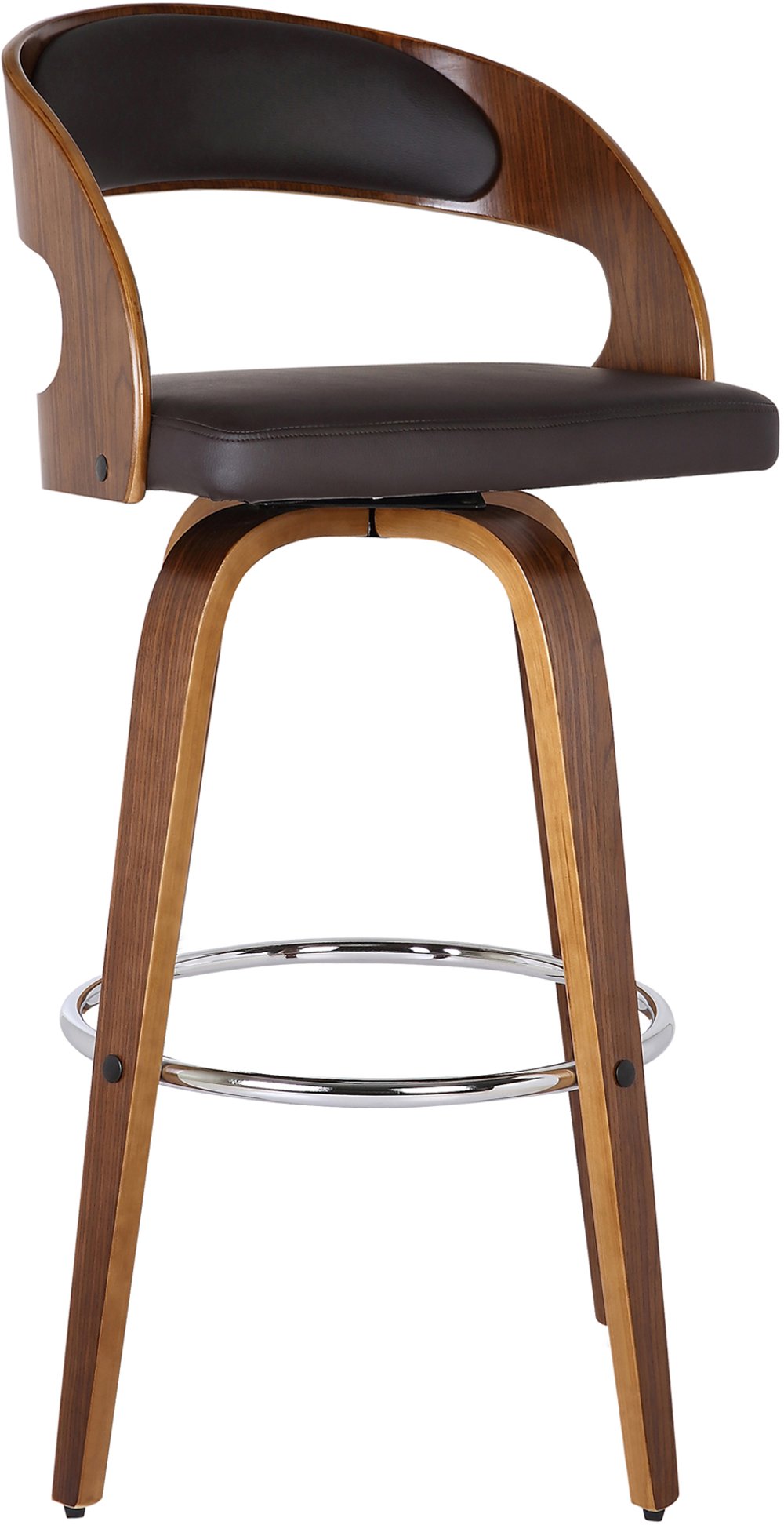
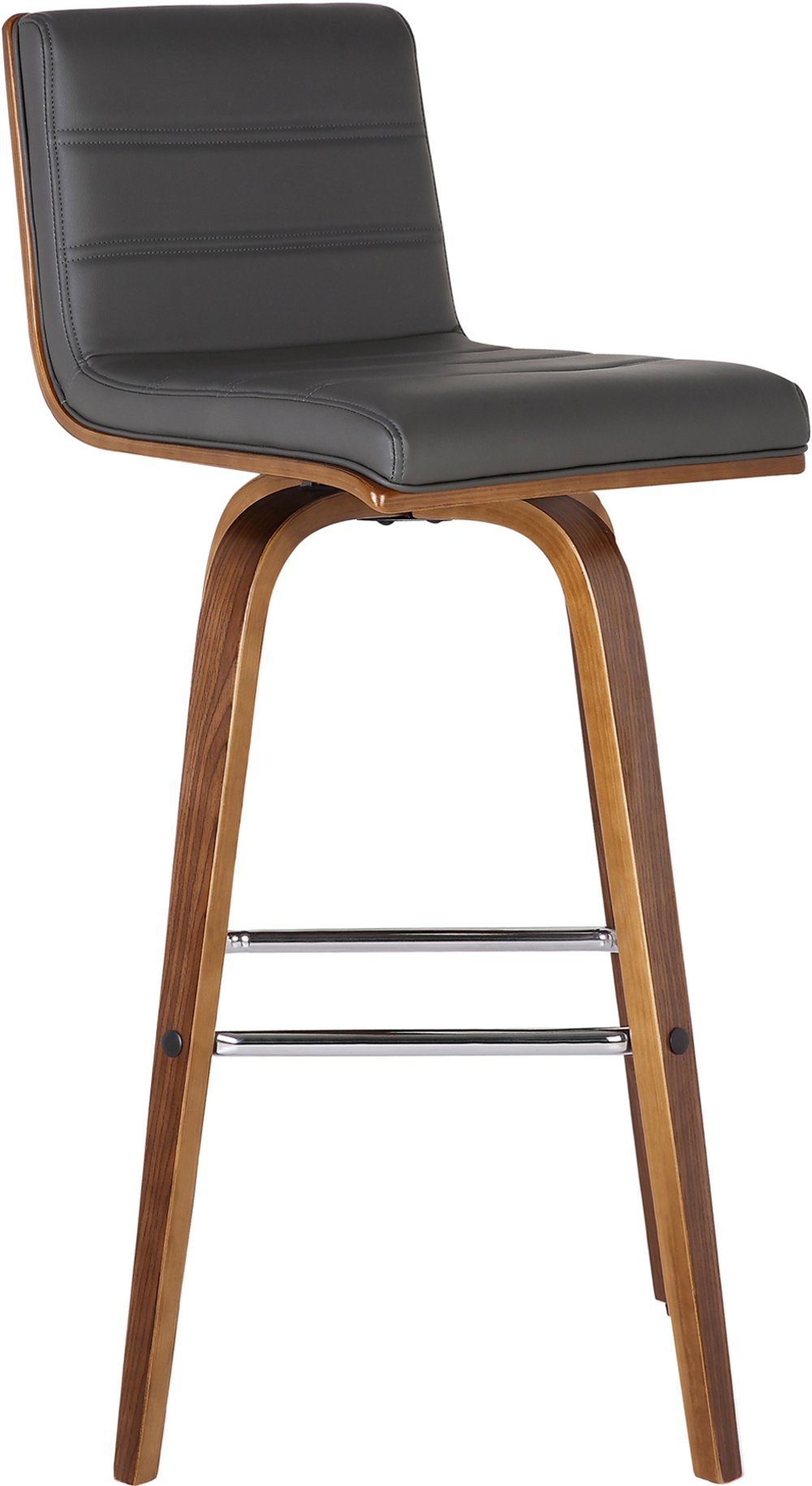
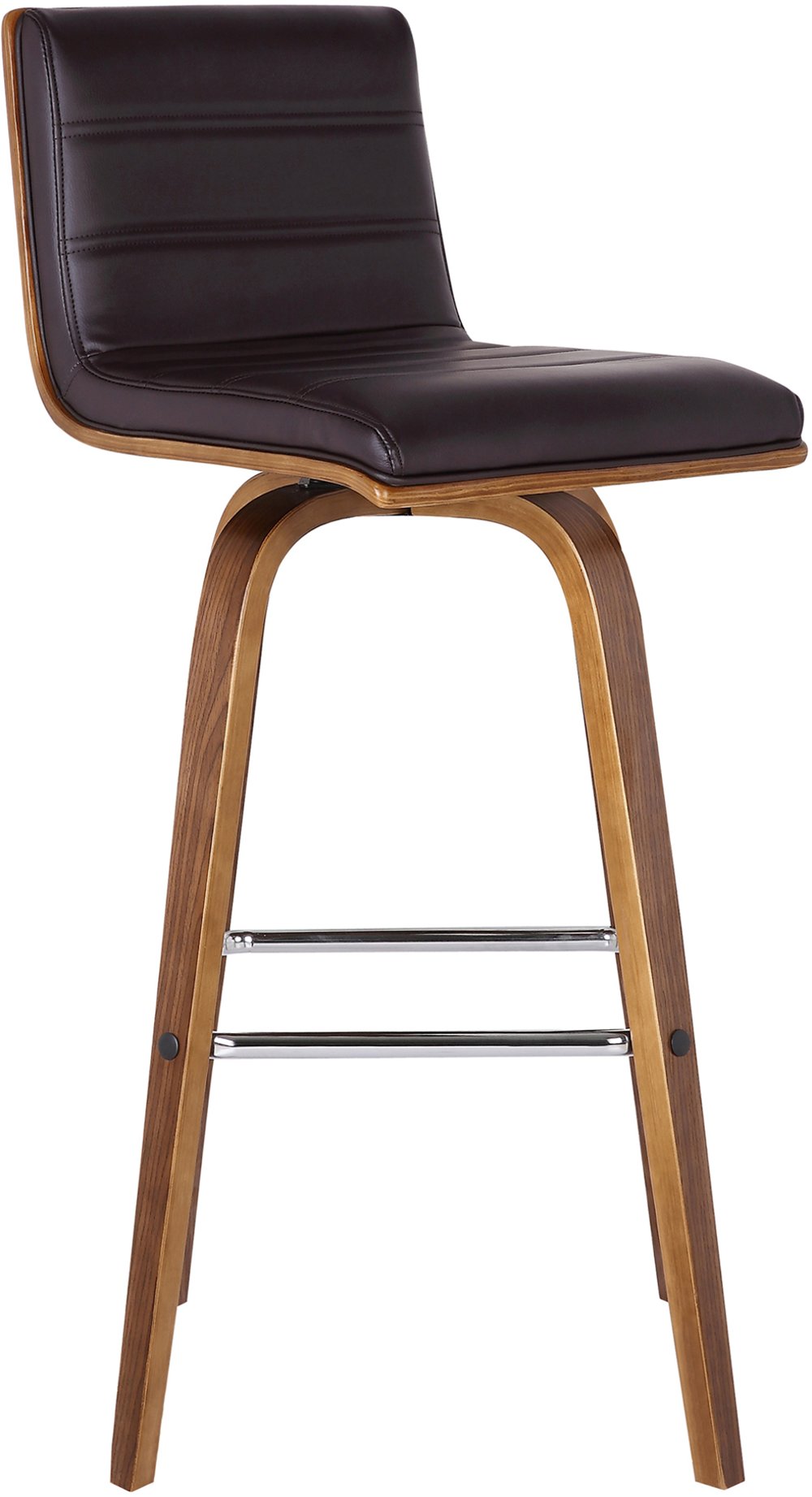
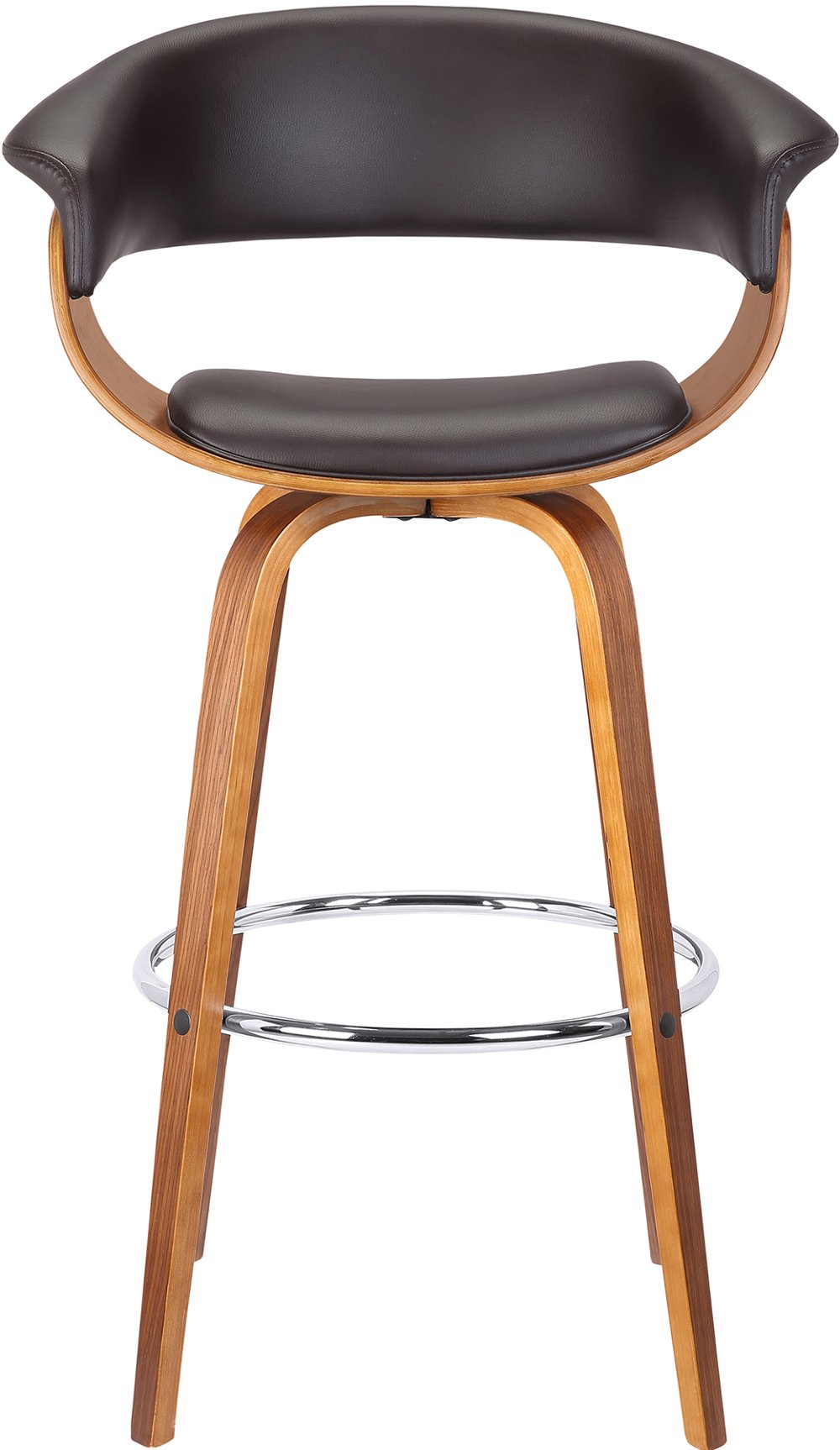
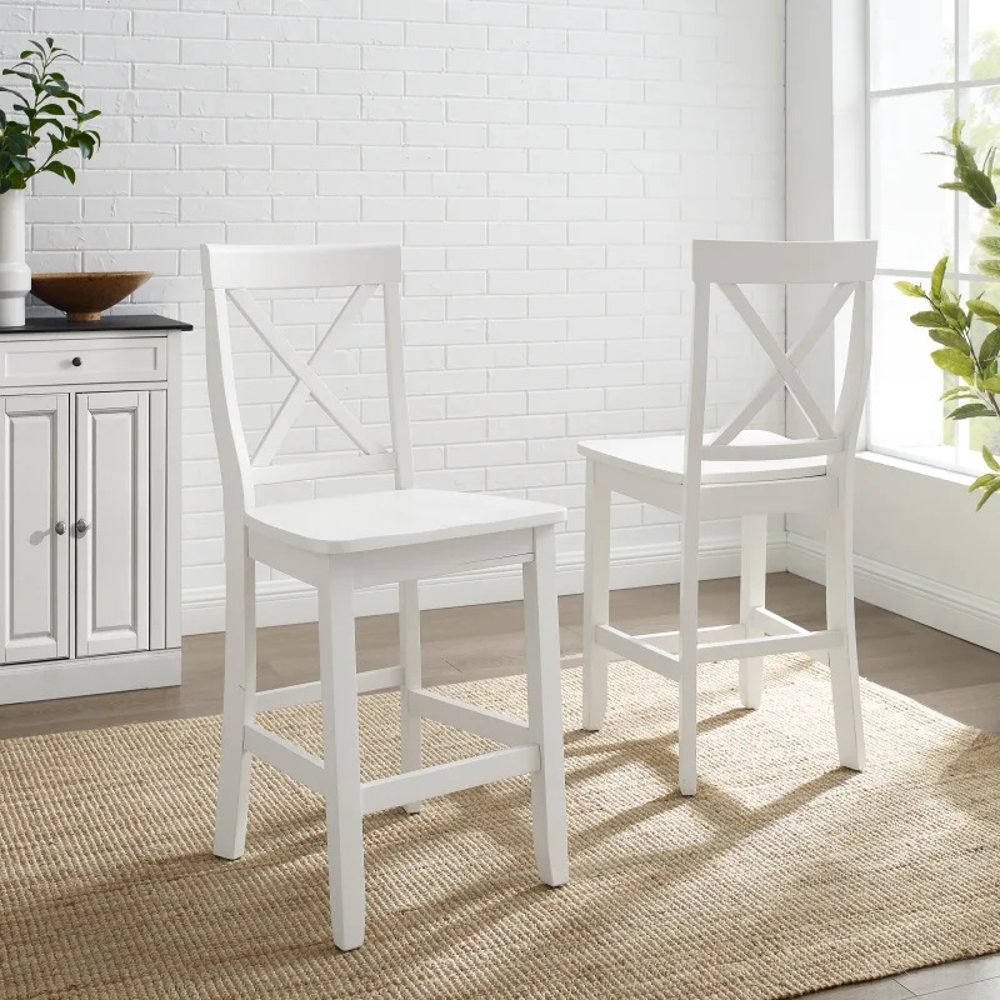
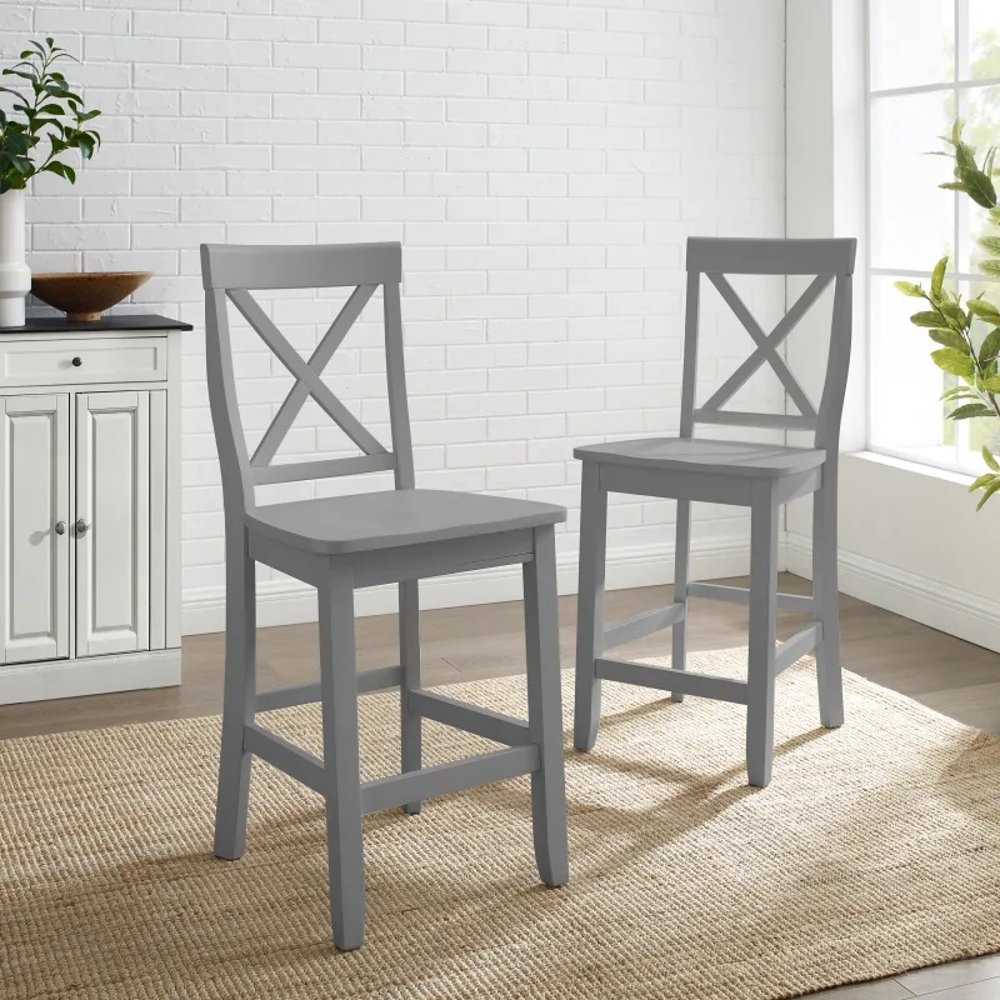
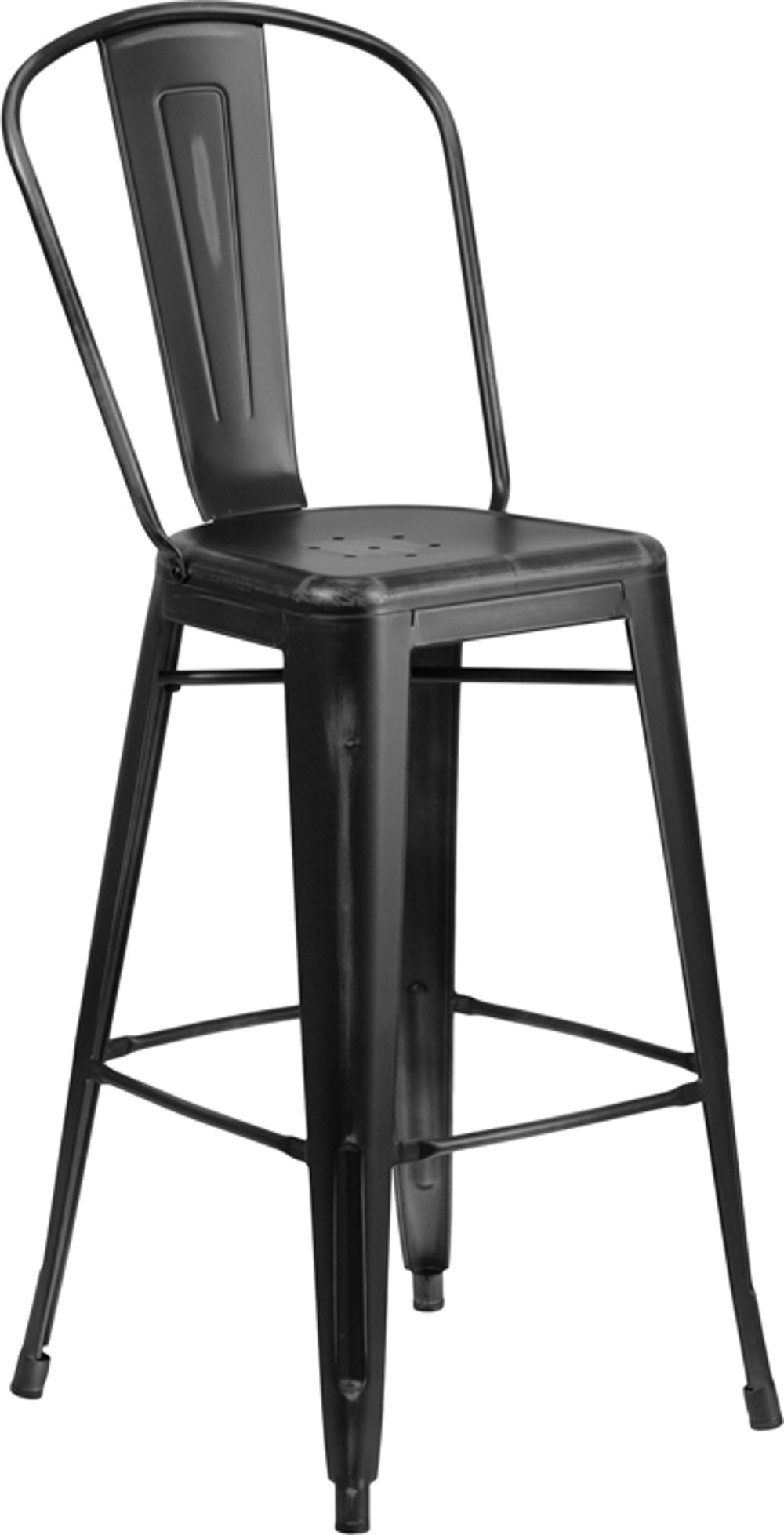
Materials give counter stools much of their character, but they also influence how the seating handles daily use. Wood counter stools bring warmth to painted cabinets, stone countertops, and tile floors. Visible grain and natural color variation add texture, while painted finishes can create a quieter, more coordinated look. Solid wood and wood components still need protection from standing water, harsh cleaners, and repeated bumps against the counter. Metal frames offer a different feel, from slim, understated legs to more substantial industrial shapes. Their durability depends on construction, finish quality, and proper care, not simply on the material name. Welds, joints, stretchers, and secure hardware all contribute to a steady seat. Upholstered counter stools add softness where people tend to linger, whether that’s over a leisurely breakfast or a conversation that continues after dinner. Tightly woven fabrics can feel tailored and comfortable, while textured upholstery adds visual depth against smooth cabinetry. Performance fabric may offer added stain resistance, but it isn’t stainproof, and cleaning instructions vary. Leather develops character with use and benefits from care appropriate to its finish; faux leather often allows straightforward wipe-down cleaning, though its surface also needs protection from abrasive cleaners and sharp objects. Woven seats introduce an airy, relaxed texture, but crumbs and spills may take more attention around the weave. For a breakfast counter that sees cereal, juice, and craft supplies, an easy-to-clean seat can be a practical choice. Removable cushions or accessible seams may also make routine cleanup easier, depending on the design. A soft cloth, prompt attention to spills, and manufacturer-recommended cleaning products help preserve finishes and upholstery. Felt pads or suitable floor glides can protect flooring, provided they’re compatible with the floor and kept free of grit. Coordinating the stool finish with a cabinet pull, light fixture, or nearby dining table creates a connection without requiring every surface to match. A little contrast often makes the seating feel more intentional and gives the kitchen its own comfortable rhythm.
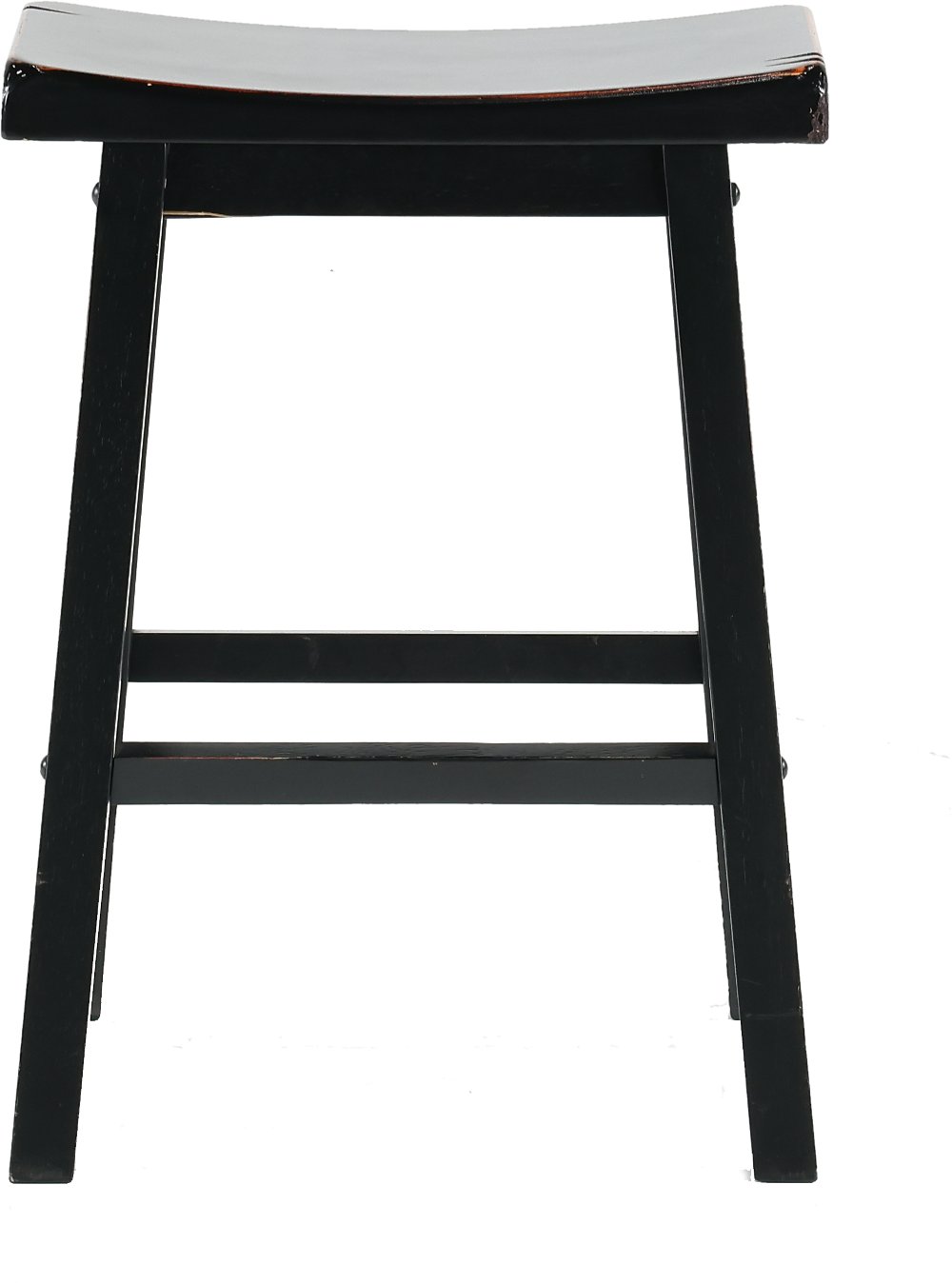
Comfort comes from the whole stool, not just a padded seat. A supportive back can make a difference for someone who eats most meals at the island, while a backless shape suits a counter used mainly for short visits and quick snacks. For a simple profile with a gently contoured seat, counter height saddle stools offer an alternative to a flat seat or a fully upholstered design. Their lower visual profile can help an open kitchen feel less crowded, though the seat shape and dimensions still need to suit the person using it. Footrests are especially important at counter height because most adults can’t rest their feet comfortably on the floor from that position. A well-placed footrest supports a more relaxed posture instead of leaving legs dangling. Armrests provide another place to relax, but their height should clear the underside of the counter if the stool needs to slide in. Swivel seats make it easier to turn toward conversation or get seated without moving the entire stool, while stationary designs keep the seating position consistent. Either style needs adequate clearance from cabinets, walls, and neighboring seats. A broad, stable base and a suitable weight capacity matter for everyday use, and any adjustable mechanism should operate as intended. Counter stools aren’t substitutes for step stools; keeping climbing separate from seating helps protect both people and furniture. For households with children, seat height, stability, and age-appropriate seating arrangements deserve particular attention. Adults sharing a smaller apartment might prioritize compact seats that tuck away, while a busy household may value supportive backs and surfaces that clean up easily after homework or lunch. A pair of stools can turn an unused counter edge into a convenient dining spot, and a coordinated row can give a larger island a welcoming gathering place. The best fit balances the room’s proportions with the habits of the people who use it, making everyday seating comfortable, practical, and easy to enjoy.
Read More