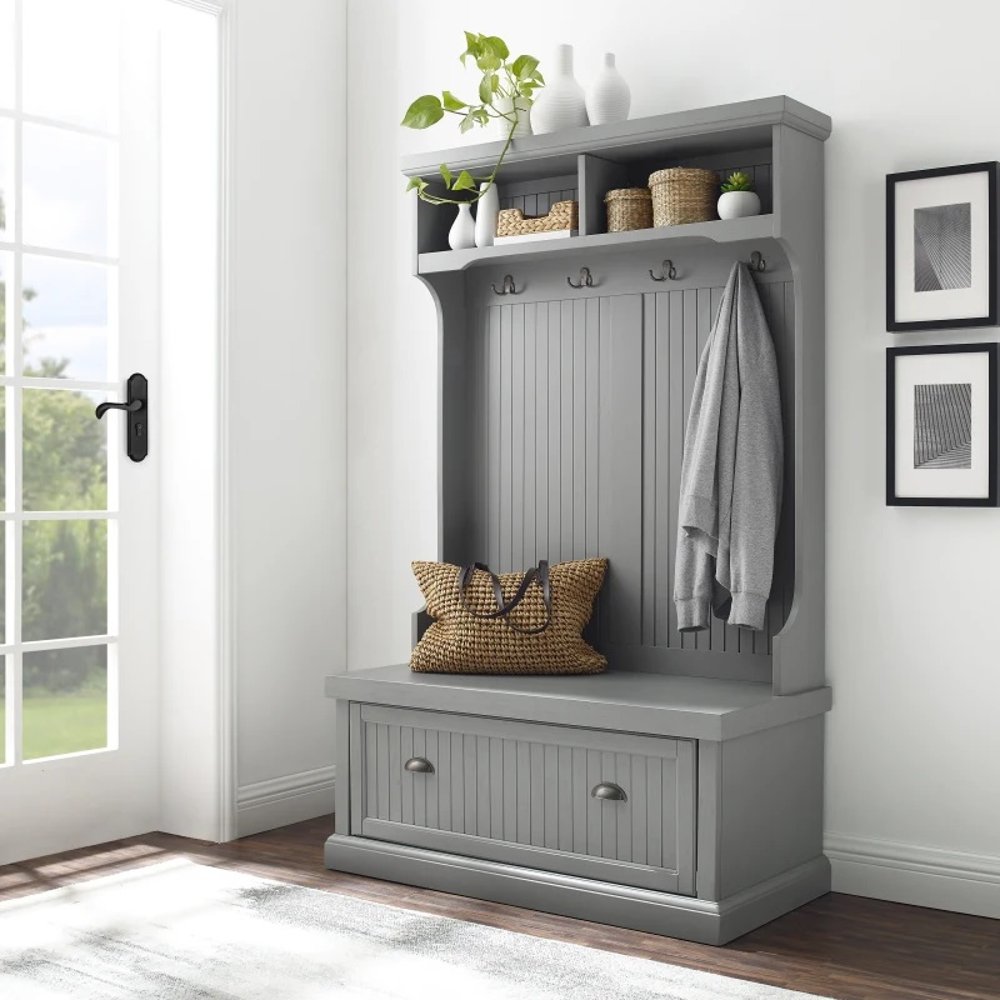
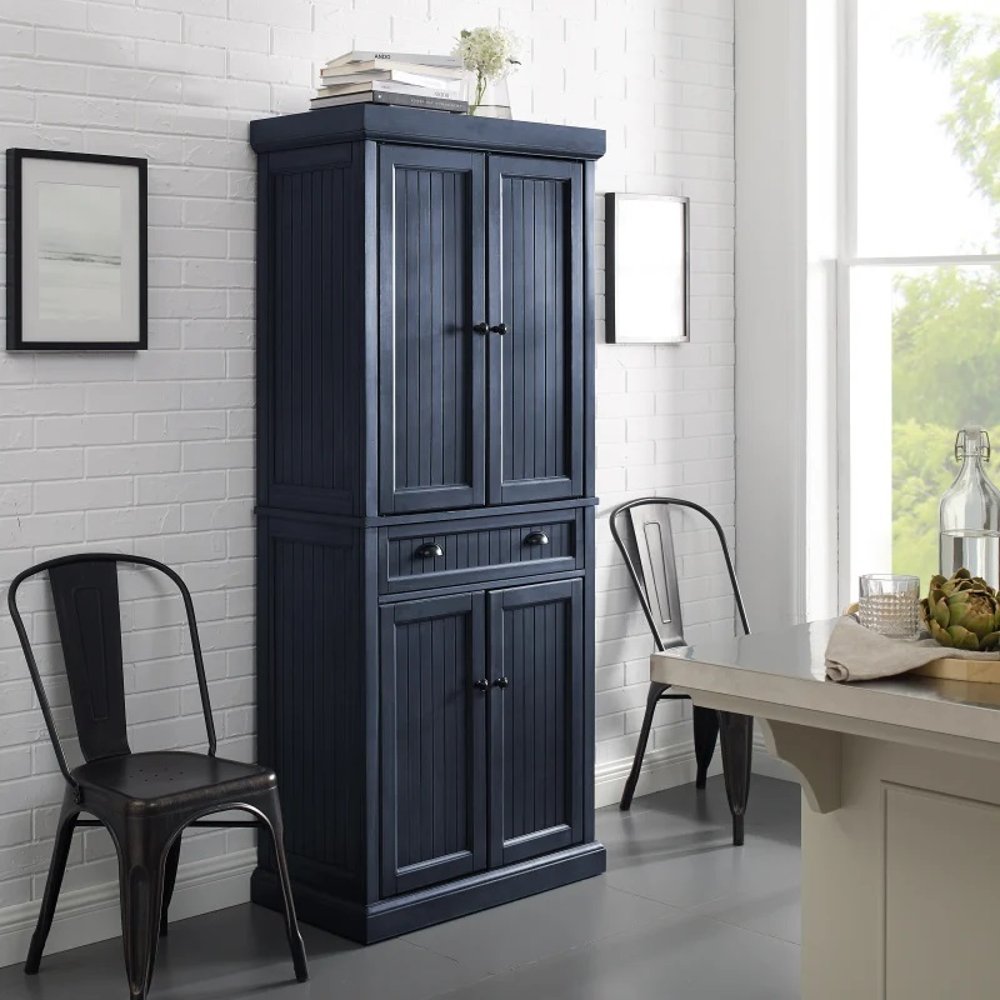
Deck storage gives cushions, outdoor toys, and gardening supplies a place to land without taking over the space where you relax. A well-sized deck box can keep everyday essentials close to your seating area, while an outdoor storage cabinet makes better use of vertical space when the deck’s footprint is limited. Storage benches combine a place to tuck things away with seating, provided the design is rated for that purpose. The best fit starts with what needs a home: thick lounge cushions require a wide, unobstructed interior, while smaller supplies benefit from shelves or separate containers. Deck box capacity is often listed in gallons, with small boxes under 50 gallons generally suited to compact accessories, medium boxes around 50 to 100 gallons accommodating a larger assortment, and large boxes of 100 to 200 gallons or more offering room for bulkier belongings. Those ranges are useful starting points, but interior dimensions matter more than the gallon rating when you’re storing something that can’t fold or bend. A long seat cushion may not fit inside a tall, narrow box, even when its stated capacity sounds generous. Measure cushions in the stack you plan to store, leaving a little breathing room rather than compressing everything tightly. Then compare the container’s exterior dimensions with the spot it will occupy. Allow space for the lid to open fully, doors to swing, and people to walk past without turning sideways. On a narrow deck, a shallow cabinet against an appropriate wall may work better than a deep chest beside the dining table. Near a lounge chair, a smaller container keeps frequently used belongings within reach. Handles and wheels can make repositioning easier, though a loaded box may still be heavy. Check the base and loaded weight, especially on an elevated deck, and keep storage clear of stairs, gates, and access points.
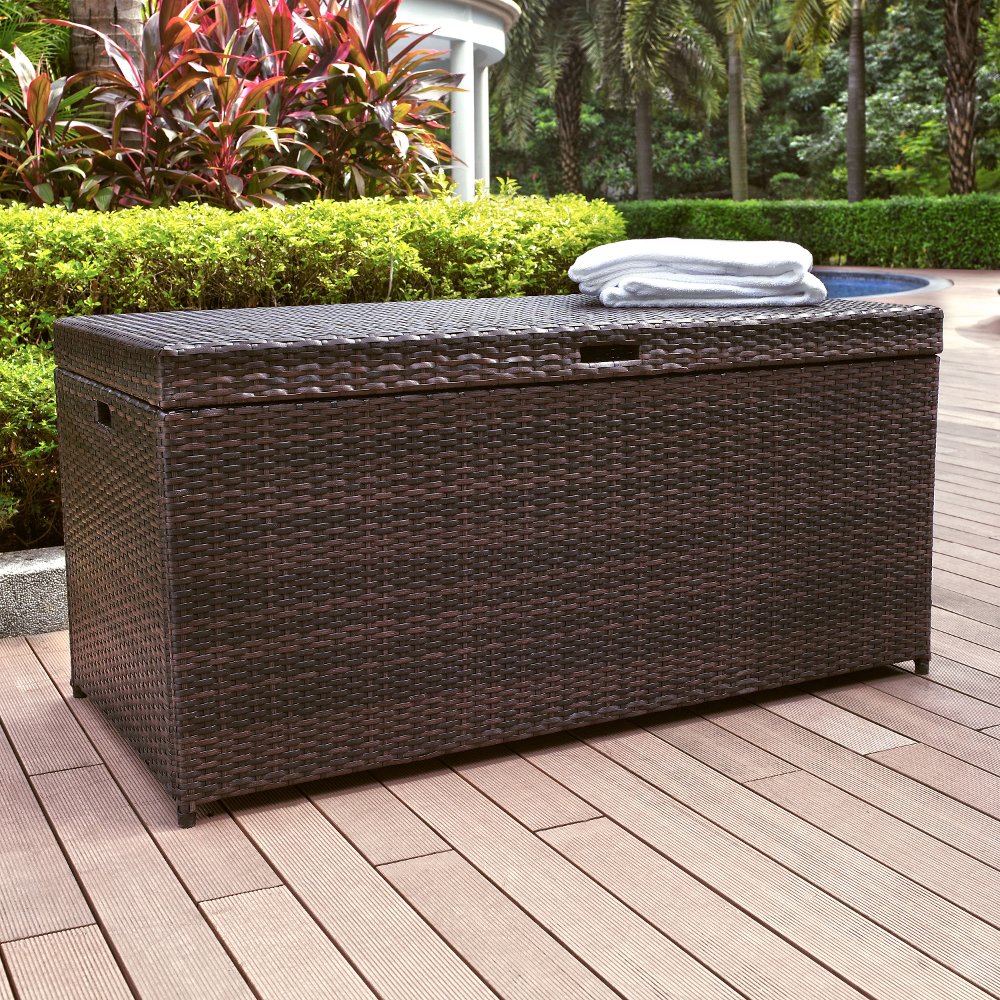
Materials influence how outdoor storage looks, how much attention it needs, and how it handles exposure. Resin and plastic deck boxes are often practical choices for households that prefer straightforward cleaning. Depending on the construction, molded panels can resemble wood planks or woven wicker without requiring the same care as those natural materials. Look for a manufacturer’s stated UV resistance when the box will sit in direct sunlight; not every plastic formulation offers equal protection against fading or brittleness. Outdoor wood storage brings natural grain and a substantial, furniture-like appearance to a deck. Its performance depends on the wood species, construction, finish, and upkeep, so follow the recommended schedule for cleaning and renewing any protective coating. Metal outdoor storage can offer rigid construction and a streamlined profile, but the finish and hardware deserve attention, particularly in damp or coastal settings. Scratches in protective coatings may need prompt treatment to help prevent corrosion. Across materials, a secure lid, well-fitted panels, and an elevated base can help limit exposure to splashes and debris. Weather-resistant does not necessarily mean waterproof: seams, hinges, vents, and openings can allow moisture inside under certain conditions. For cushions and textiles, look closely at the stated protection level rather than assuming a closed lid creates a watertight seal. Ventilation can help moisture escape, but it isn’t a substitute for putting belongings away clean and completely dry. After wiping down chair cushions or rinsing outdoor toys, let them dry before closing them inside. Trapped moisture can lead to mildew and musty odors even in a durable container. Keep the box itself clean with the methods approved for its material, often a soft cloth and mild soap rather than abrasive cleaners. Clear leaves from lid edges, check hinges and fasteners periodically, and position the container where water doesn’t collect around its base. For extended storage, delicate belongings may need a protected indoor location rather than remaining on the deck.
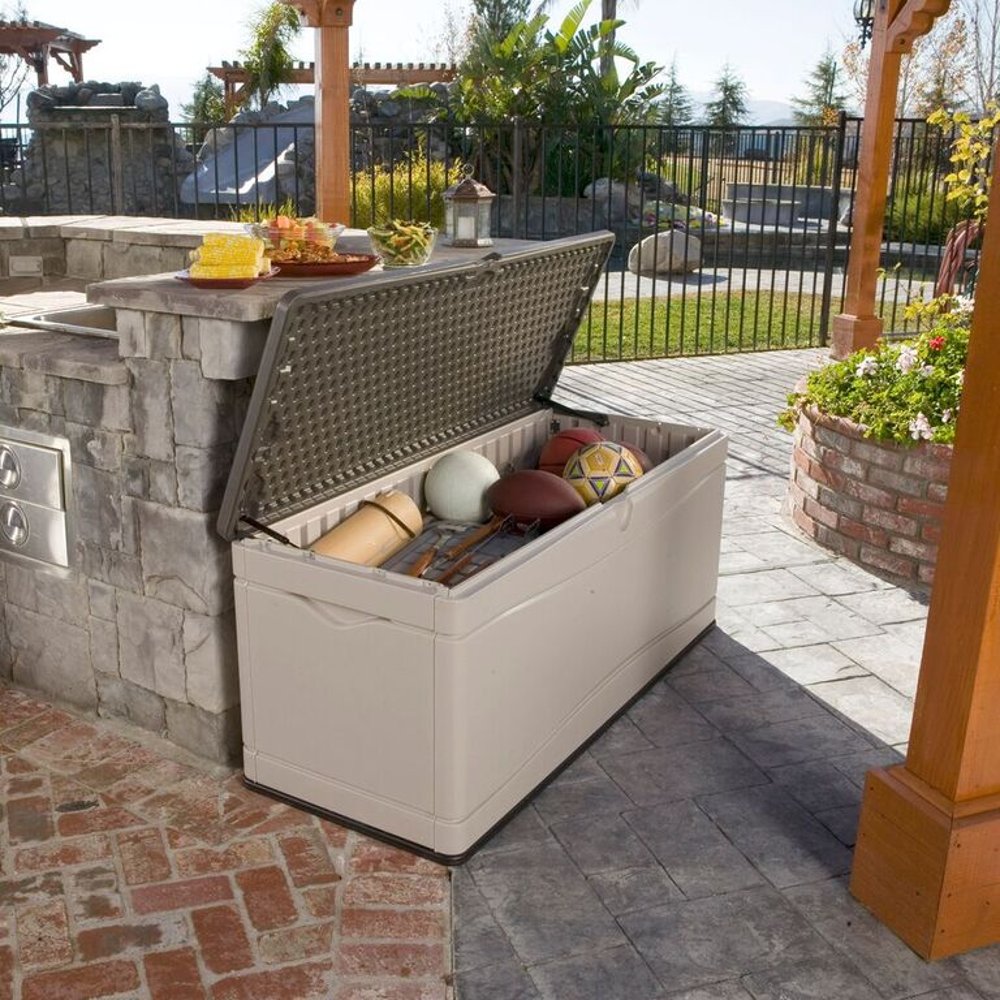
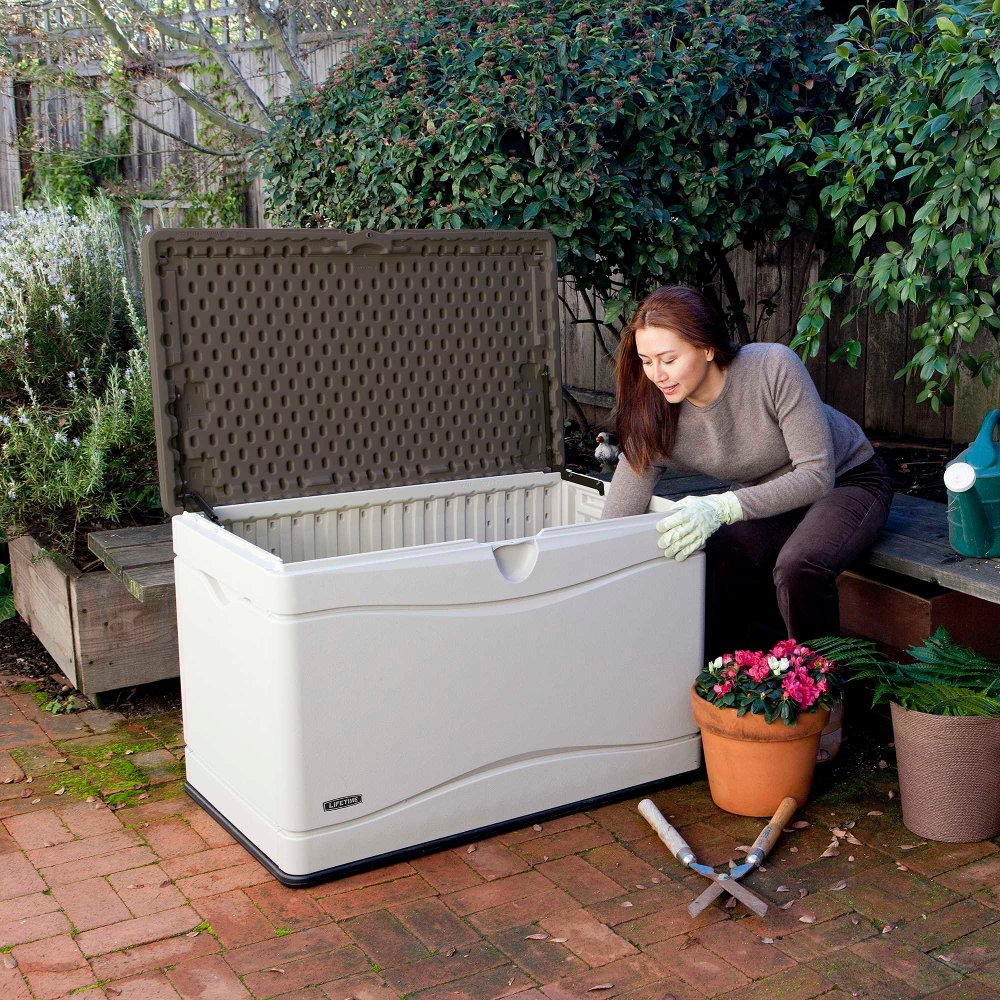
The most useful deck storage fits naturally into the way your household spends time outside. For a family that uses the deck for play, an easy-to-reach compartment gives balls and outdoor games a predictable home, making cleanup a manageable part of the routine. Someone who tends container plants may prefer a cabinet that separates gloves and hand tools from seat cushions, keeping soil away from fabric. A compact deck box can also make a thoughtful housewarming gift for someone settling into a home with a small outdoor living area, especially when the available space and intended use are known. For shared spaces, consider how everyone will open, reach into, and close the storage. Lid supports or controlled-close hinges can make a heavy lid easier to manage, but check the manufacturer’s safety features and supervise children around storage chests. Never treat a large storage compartment as a play space, and keep sharp tools and garden chemicals secured separately as their labels require. A lockable lid may discourage casual access, though it shouldn’t be treated as a guarantee of security or child resistance. If extra seating is part of the plan, choose a storage bench or deck box specifically rated to support seated adults and follow its weight limit; a flat lid alone doesn’t make a container a seat. Similarly, only use the top as a serving surface when the design allows it, keeping hot cookware away from materials that could be damaged. Coordinating deck ottomans can add another comfortable place to put your feet up without asking a storage lid to do a job it wasn’t built for. For a pulled-together look, echo a detail already present in your outdoor furniture, such as a slatted texture, a dark frame, or a soft neutral tone. Matching every finish isn’t necessary. A simple shape and a compatible color can make storage feel like part of the seating arrangement rather than an afterthought. With the right dimensions, dependable construction, and accessible organization, deck storage leaves more of your outdoor space ready for conversation, a quiet break, or dinner with room to move.
Read More