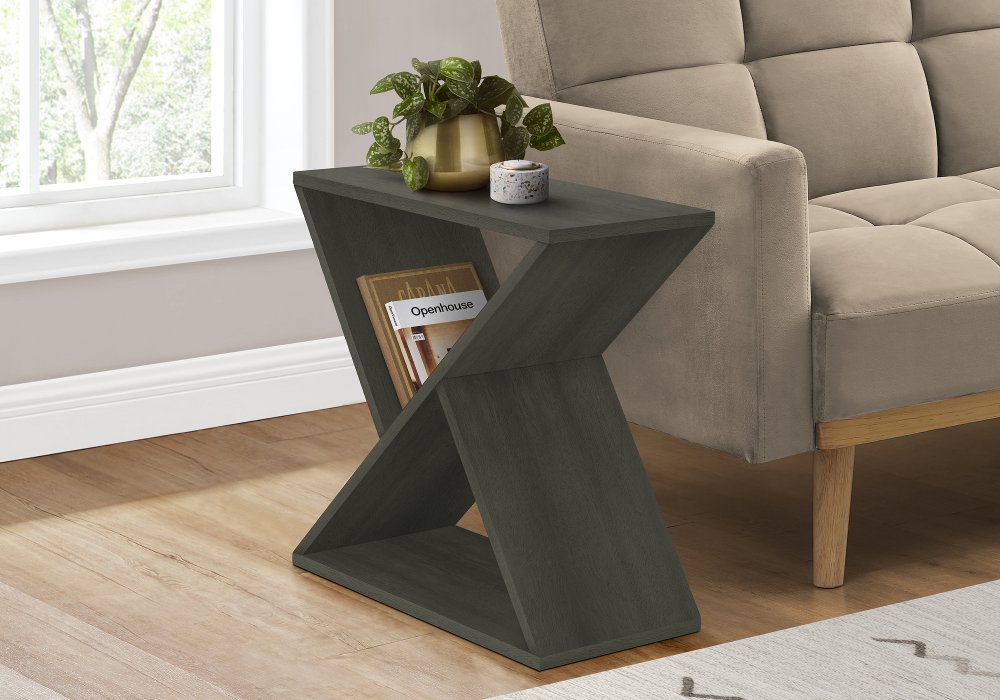
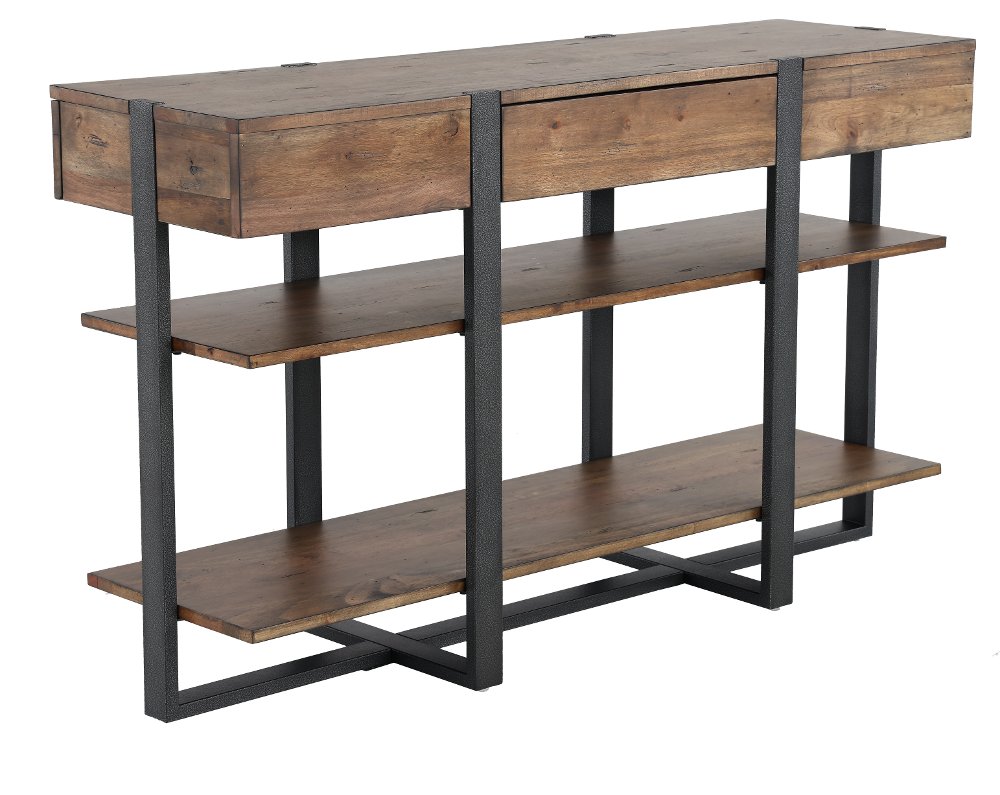
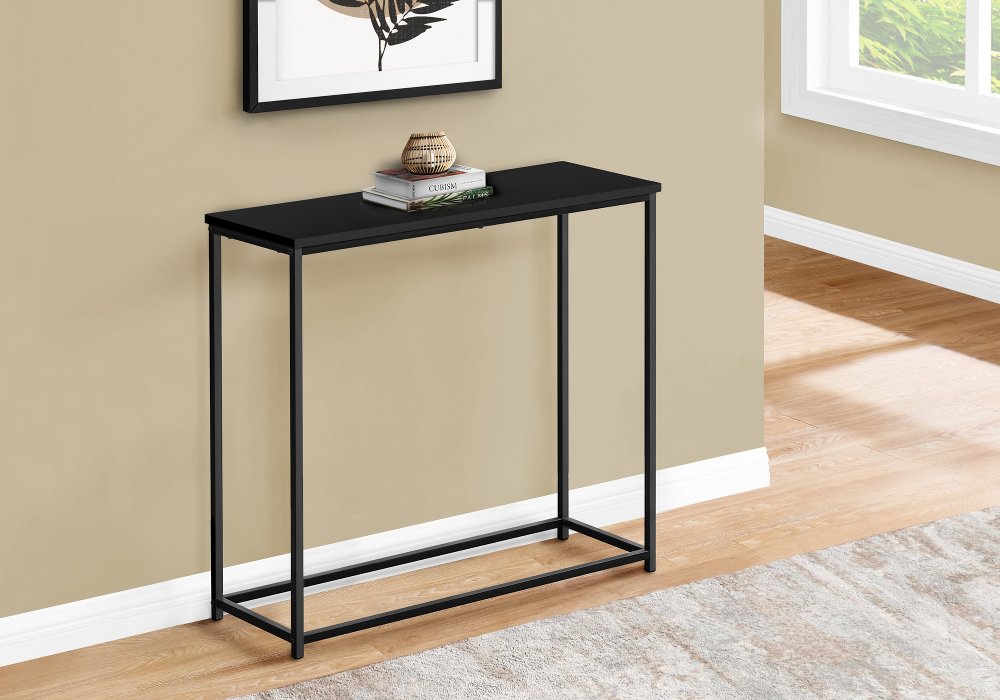
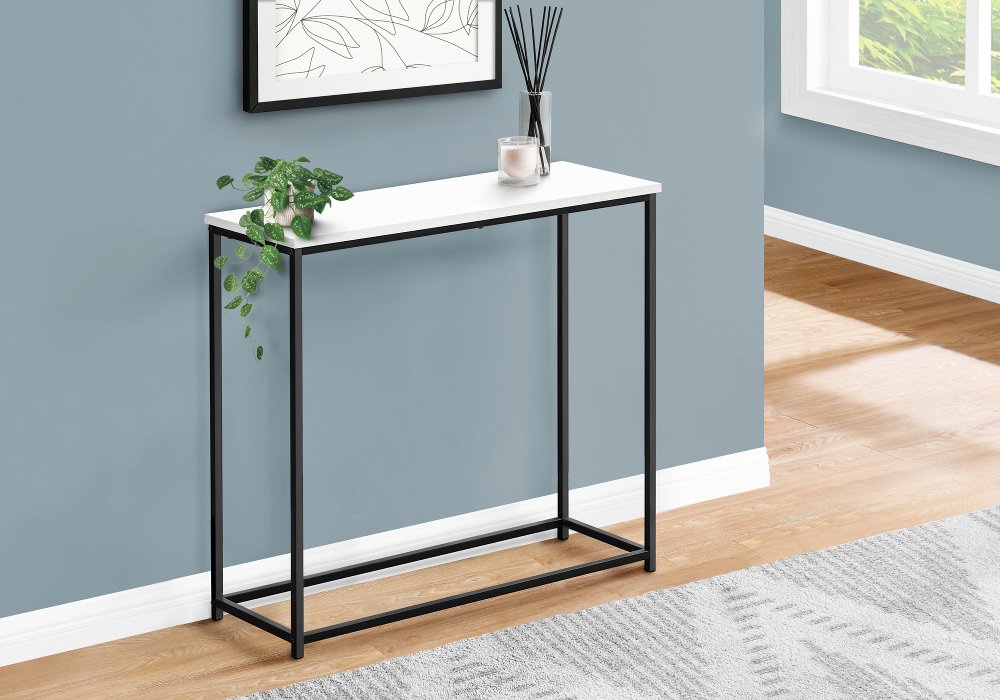
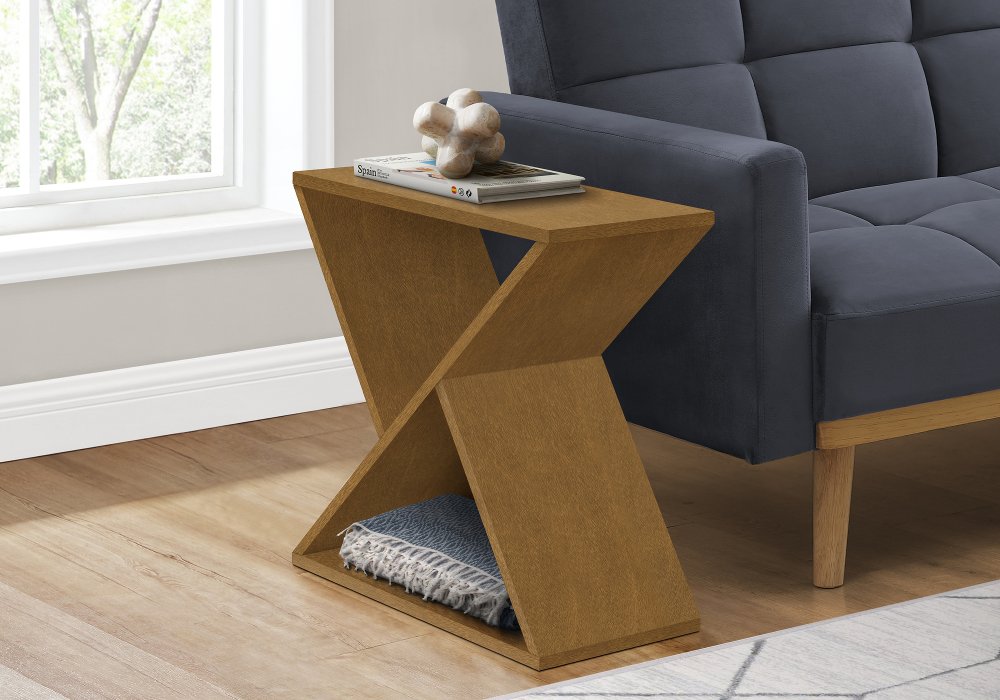
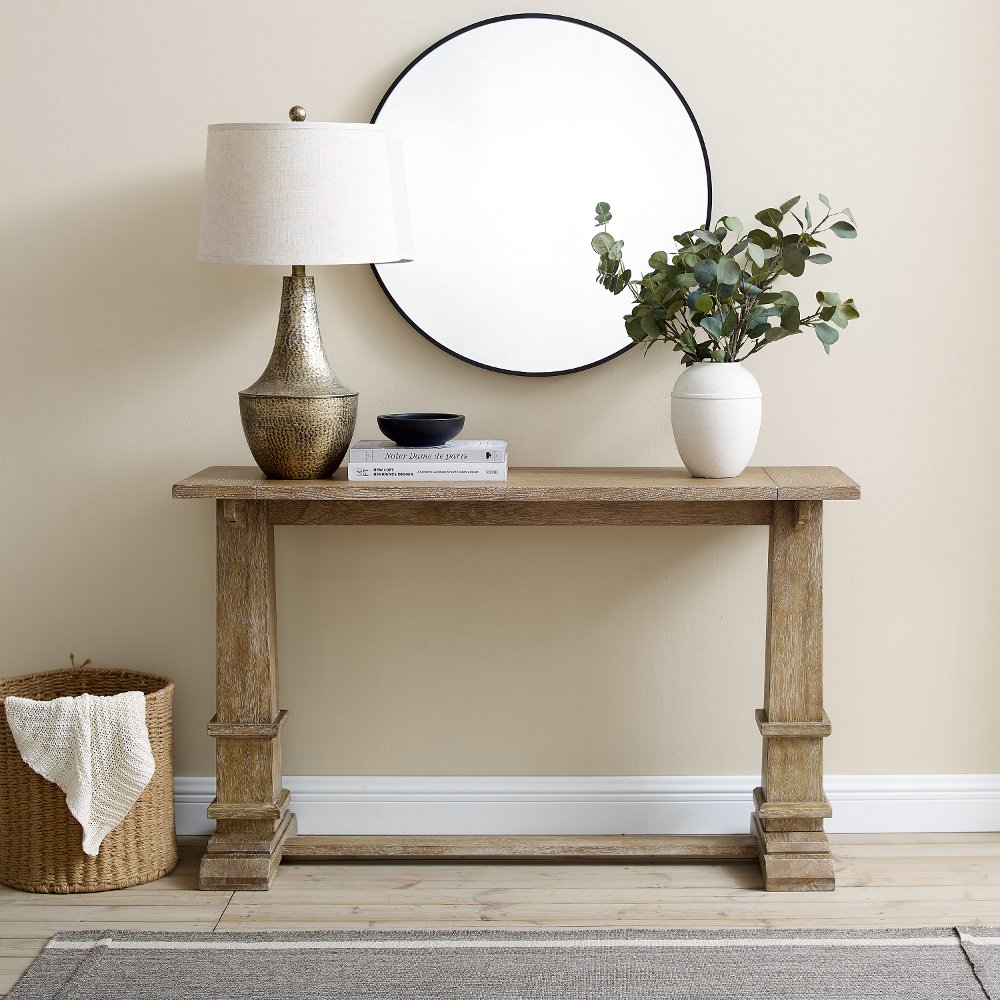
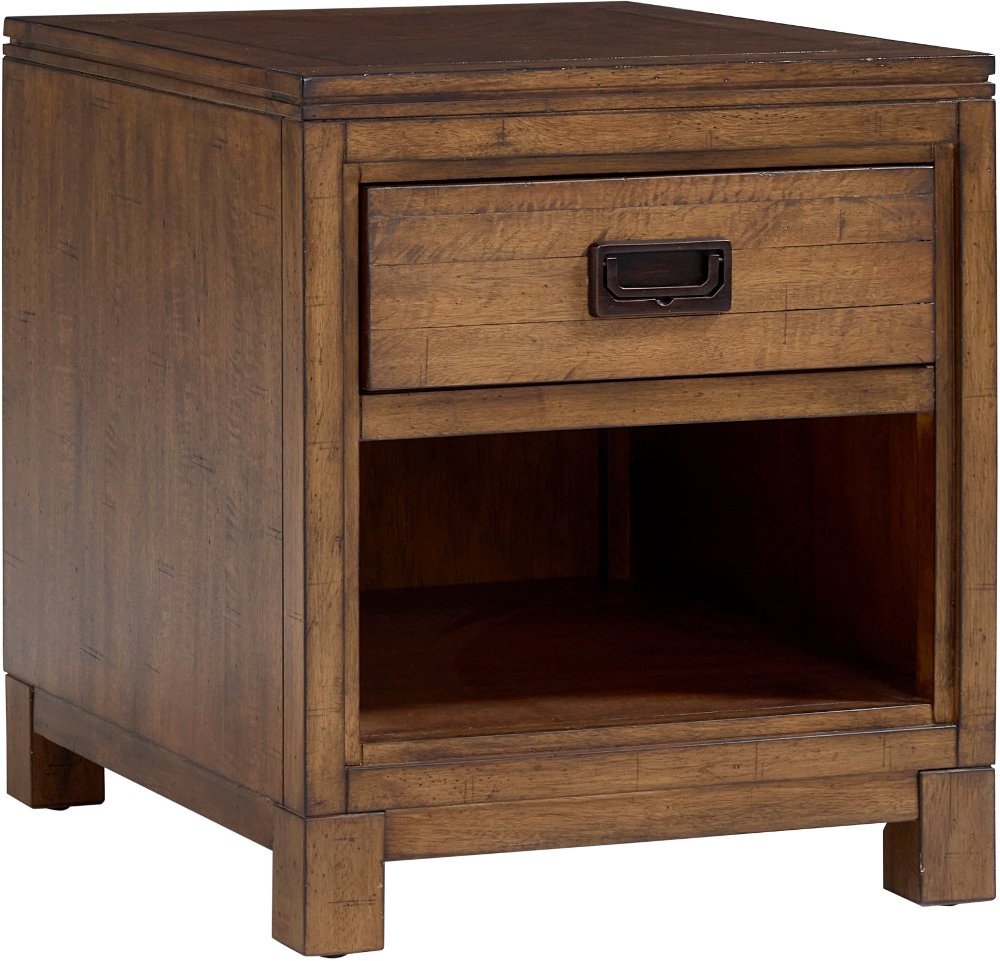
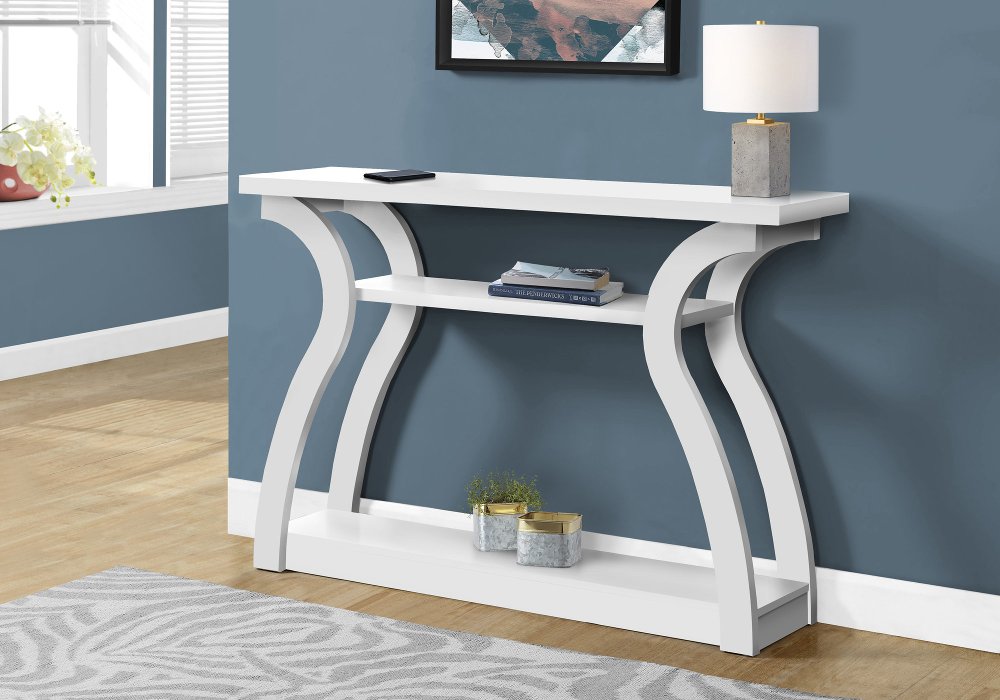
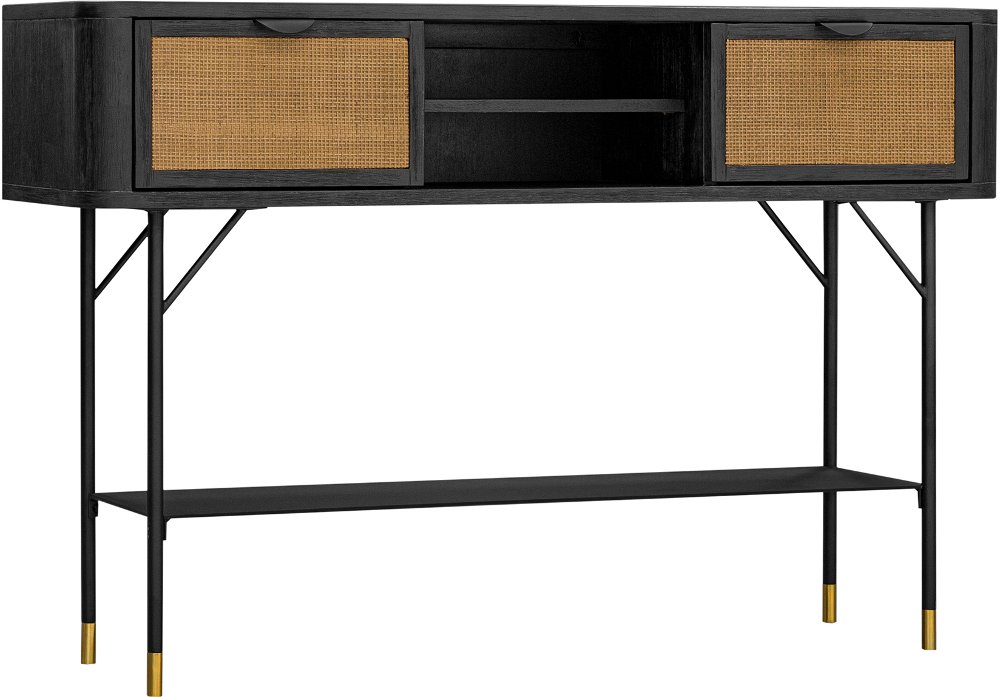
Decorative console tables bring personality to the spaces that connect your home, from the entryway where you drop your keys to the wall behind a favorite sofa. Their typically shallow profiles give you a useful surface without taking up the floor space of a desk or cabinet, making them a natural fit for hallways, landings, and smaller living rooms. In an entry, a console can create a welcoming arrangement with a lamp, a framed photograph, and a small dish for everyday essentials. Behind a sofa, it adds a finished look to an open seating area and keeps a book or reading light close by. Along a dining room wall, a decorative console offers a place for artwork and serving pieces between gatherings, though hot dishes and spills call for protection suited to the tabletop material. The right shape depends as much on the room’s rhythm as its size. A slim rectangular table follows the lines of a hallway, while a half-moon silhouette softens an entrance and reduces projecting corners. Curved legs, fluted fronts, carved details, or sculptural bases can make the table itself the focal point; simple frames let the objects above them stand out. Wood tones bring warmth beside painted walls, while glass and open metal frames can keep a compact space feeling airy. For a collected look, a console doesn’t need to match every piece nearby. Repeating one detail, such as a warm finish or a curved outline, can connect it to the surrounding furniture without making the room feel overly coordinated. Within the broader family of Decorative Tables, console tables are especially useful when you want a longer display surface with a modest footprint. They suit first apartments, busy family homes, and thoughtfully furnished guest spaces alike, adding a place for both daily routines and meaningful objects. A quiet corner becomes more inviting with a ceramic bowl from a memorable trip, a stack of well-loved books, and enough clear space to set something down.
Materials and construction shape both the look of a decorative console table and how comfortably it fits your everyday life. Solid wood offers natural grain variation and can develop character over time, although its response to humidity makes consistent indoor conditions helpful. Wood veneers provide a real wood surface over a supporting core, often allowing distinctive grain patterns across drawer fronts and tabletops. Their longevity depends on the quality of the construction, finish, and care rather than the material name alone. Painted and laminate surfaces offer another range of looks, from quiet neutrals to bold accents, with resistance to wear varying by finish. Metal frames can give a console a crisp, architectural feel, whether the design is delicate and open or substantial and industrial. Glass tops visually lighten a room but tend to show fingerprints, an important consideration for a table near the front door or within reach of young children. Stone brings distinctive texture and pattern, though some surfaces are porous, sensitive to acids, or heavy enough to require extra planning when moving the table. For a household where backpacks, mail, and keys land in the same spot, a durable, easy-to-maintain finish may matter more than elaborate detailing. A tray helps contain small belongings and limits their direct contact with the tabletop. Drawers tuck away charging cables and spare keys, while lower shelves can hold appropriately sized baskets for scarves or other lightweight essentials. Open shelving keeps favorite objects visible, but it also leaves them exposed to dust and curious pets. A console used mainly for display may need little storage; one that supports a busy entryway benefits from features that make tidying straightforward. Sturdy joints, secure hardware, and a stable base matter wherever the table goes. Weight limits deserve attention, too, especially if you plan to display a substantial lamp or a large ceramic piece. Decorative console tables serve best as accent furniture, not as seating or climbing surfaces, and any supplied anchoring hardware should be installed according to the manufacturer’s instructions.
A comfortable fit leaves room for the life happening around the table. Overall width matters, but depth can make the bigger difference in a narrow passage, where a few extra inches affect how easily someone carries a laundry basket or passes another person. Measuring the intended spot, including baseboards, nearby door swings, and access to outlets, helps keep a beautiful piece from becoming an everyday obstacle. Behind a sofa, a console at or slightly below the sofa back often creates a balanced line, while a narrower width can leave breathing room at either end. In an entryway, drawer clearance and the space needed to open a closet door deserve the same attention as the tabletop dimensions. A wall mirror or artwork above the console can give the arrangement a sense of purpose without crowding the surface. Lamps add a soft pool of light during the cooler months, provided their bases fit securely and their cords stay clear of walkways. Styling feels most natural when it leaves room for practical use: a taller vase at one end, a low bowl near the middle, and an open area for the mail can be enough. In a shared household, separate small trays can make essentials easier to find without turning the console into a row of storage bins. Care is usually simplest when it’s consistent and matched to the finish. A soft cloth removes everyday dust, while coasters, protective pads, and prompt attention to spills help prevent avoidable marks. Manufacturer-recommended cleaning methods take priority, particularly for stone, glass coatings, and specialty finishes; a cleaner that works on one surface may damage another. Felt beneath decorative objects can help reduce scratches, and keeping wood out of prolonged direct sunlight may limit uneven fading. These details let a console remain useful as your room changes, whether it moves from an apartment entry to a living room wall or shifts from displaying photographs to organizing daily necessities. With a scale, surface, and storage layout that suit your home, a decorative console table can feel as purposeful as it looks.
Read More