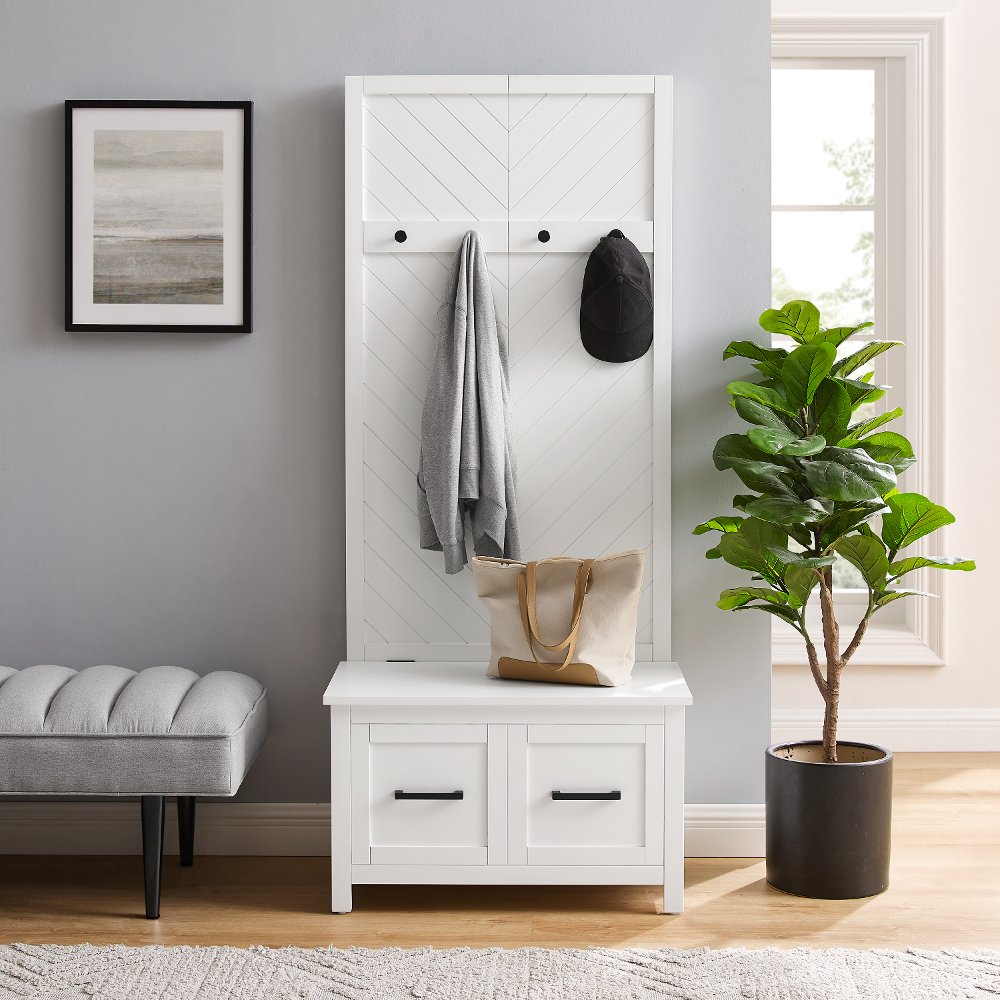
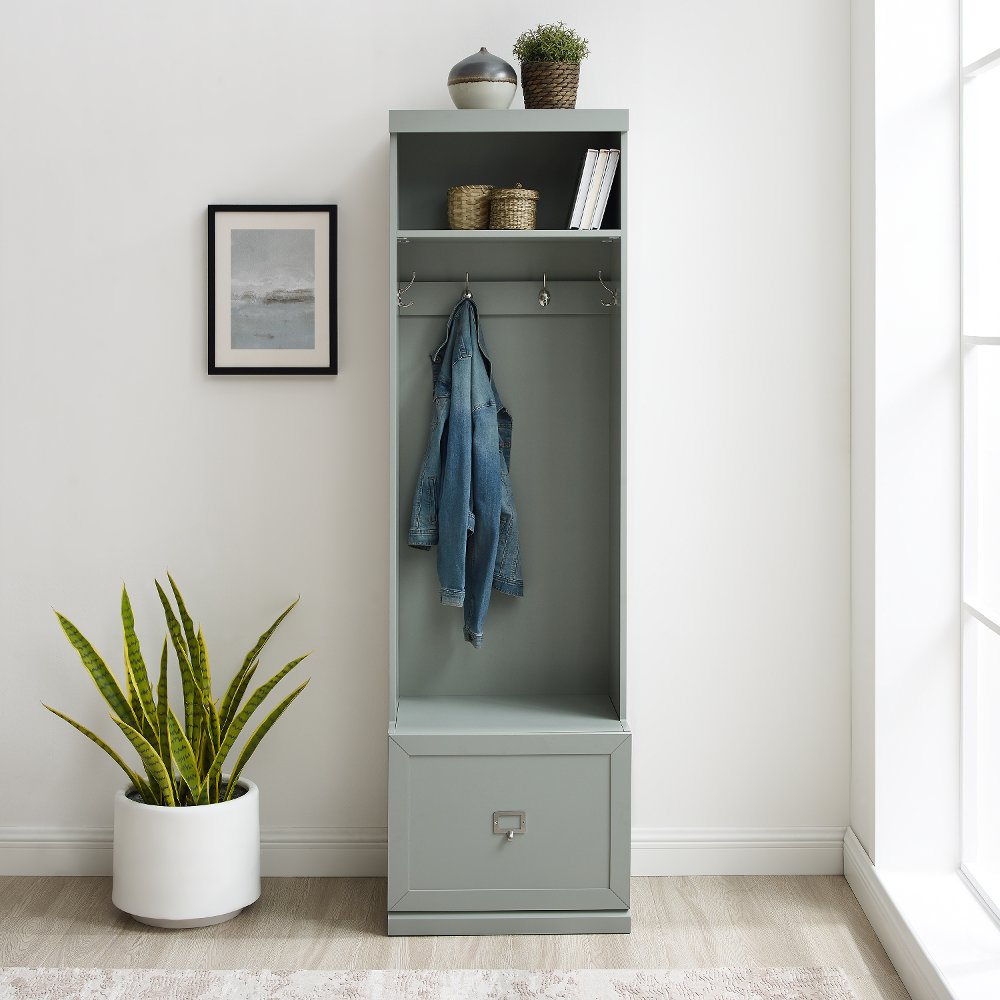
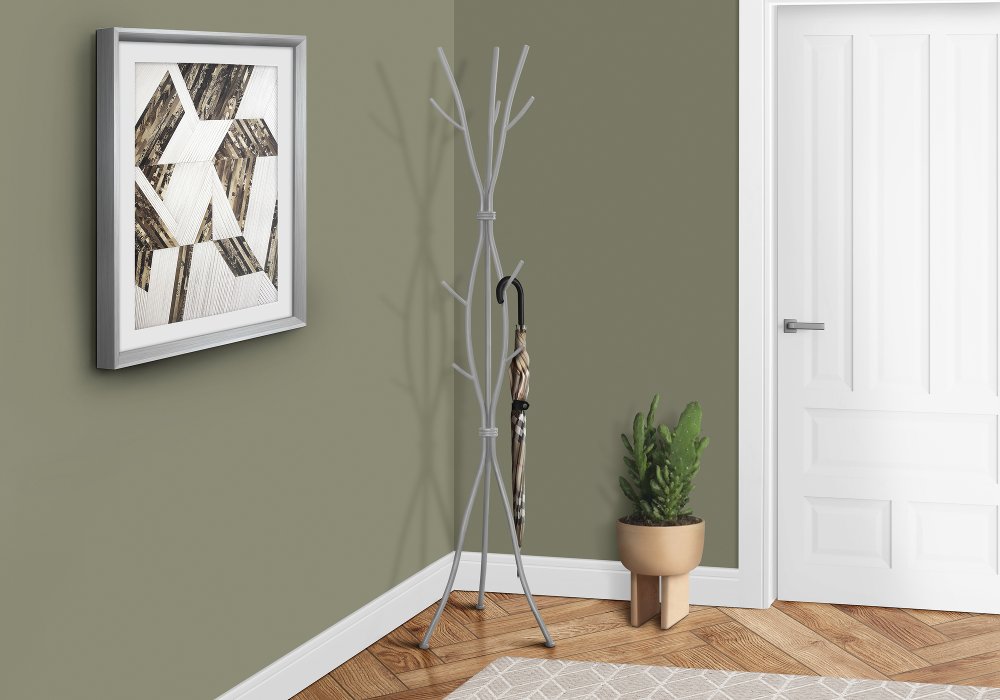
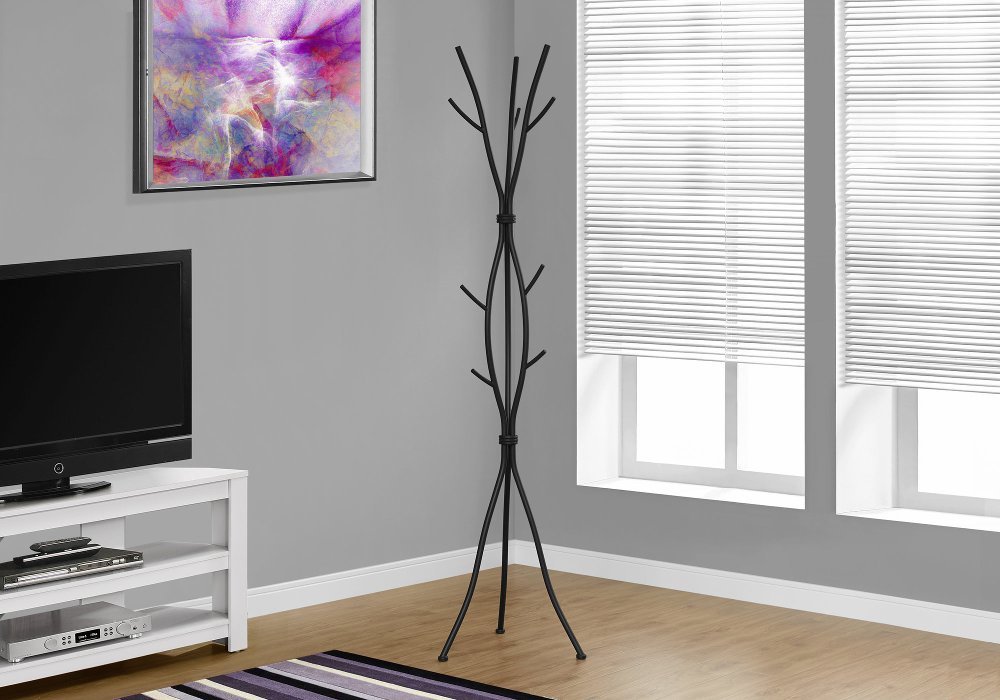
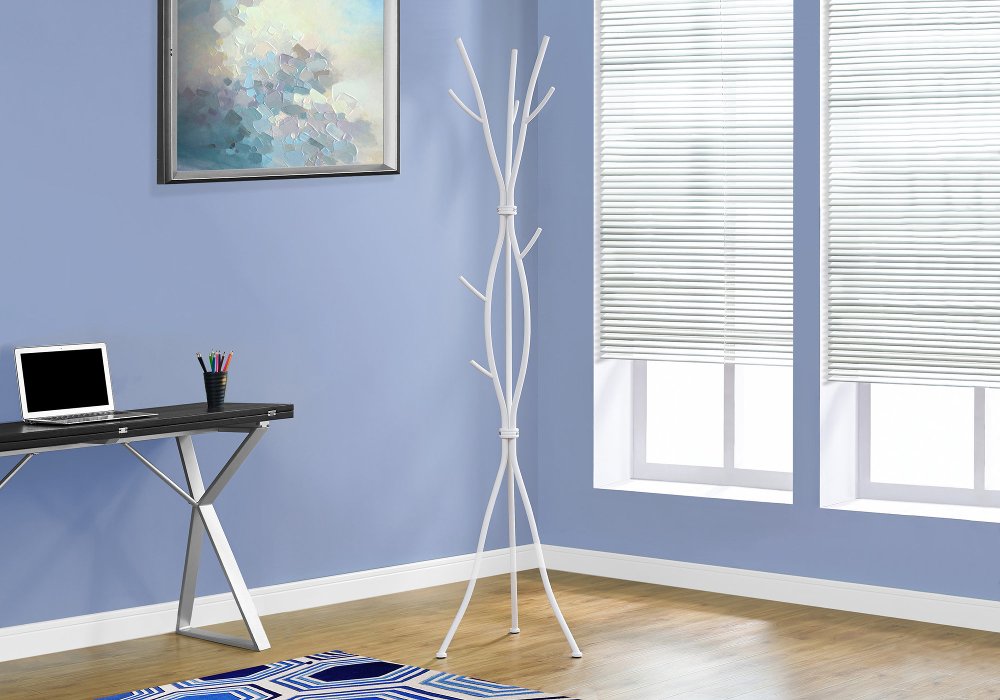
Decorative Trees

Decorative trees bring height and a nature-inspired touch to your home, helping you finish an empty corner or create a focal point in an entryway. As you browse, compare each tree’s dimensions and overall shape to find a decorative accent that complements your room’s style without crowding nearby furniture.
Read More

Decorative Trees

Decorative trees are ornamental accents chosen for their foliage, branching shape, and trunk texture. In home furnishings, the term often describes artificial trees that bring the look of greenery into a room without the growing conditions that living trees need. Faux Trees offer a practical way to add height, soften straight furniture lines, and give an overlooked corner a sense of purpose. A leafy silhouette beside a sofa can balance a tall bookcase across the room, while a slender tree near an entryway creates a welcoming focal point without requiring another piece of furniture. The effect depends as much on the shape as the size. An open canopy with visible branches feels airy and leaves more of the wall behind it exposed; dense foliage creates a fuller backdrop and a stronger visual presence. Large leaves introduce bold shapes that pair comfortably with simple upholstery, while smaller leaves add fine texture beside smooth cabinets, glass, or metal. Decorative indoor trees work in living rooms, bedrooms, dining areas, and home offices, particularly where a room needs something taller than a tabletop accessory but lighter in appearance than a cabinet. They’re also useful in spaces where maintaining a living plant would be difficult, such as an interior hallway or a room used only occasionally. Because artificial trees don’t depend on watering schedules, they can suit frequent travelers, busy households, and anyone who enjoys greenery without plant care. Their appeal is decorative rather than botanical: the right tree helps connect furniture, artwork, and open space into a room that feels more settled. A visible patch of wall between the branches can be just as important as the foliage itself, especially in a smaller room where a solid mass of leaves could feel crowded. From the doorway, that combination of height, texture, and breathing room can make an arrangement feel complete without adding clutter to tables or shelves.

The best fit starts with the tree’s full silhouette, not just its listed height. Overall measurements should account for the container and the tallest branches, while width determines how comfortably the canopy sits beside furniture. A tree that fits neatly at floor level may still extend over a reading chair or into the path of a door. In a dining room, foliage needs enough clearance for chairs to slide back; beside a desk, branches should stay clear of the monitor and working surface. Leaving space between the top of the tree and the ceiling keeps the arrangement from looking squeezed in. Scale matters, too: a narrow tree can complement a compact seating area, while a broad canopy may feel more balanced beside a substantial sectional. Materials influence both appearance and everyday practicality. Artificial foliage may use polyester fabric, molded plastic, or a combination of materials, with wire-supported stems that allow some shaping when the construction permits. Fabric leaves can have a soft, matte appearance, while molded leaves may offer defined edges and textured surfaces. Natural wood trunks introduce irregular grain and variation; manufactured trunks can reproduce bark texture in a more uniform form. Neither approach guarantees realism on its own. Leaf color, branch spacing, visible stems, and the transition between trunk and base all contribute to a convincing appearance. The container completes the look. A simple ceramic planter can echo nearby pottery, a woven basket adds texture, and a streamlined metal vessel works well with clean-lined furniture. When using a decorative outer container, the tree’s original base needs to sit level and securely inside it. Any added height also changes the overall proportions, so the planter deserves the same attention as the canopy. For a cohesive arrangement, repeating one existing material or color is often enough. A basket that picks up the tone of a wood console can connect the tree to the room without making every accessory match.

Decorative trees generally need less routine attention than living plants, but their materials still benefit from thoughtful placement and gentle care. Dust can collect along leaf edges, branch joints, and textured trunks, gradually dulling the finish. A soft, dry cloth or gentle duster is often suitable for routine upkeep, with the manufacturer’s instructions guiding any deeper cleaning. Some leaves tolerate a lightly damp cloth, while others have finishes, adhesives, or fabric components that need to stay dry. Testing an inconspicuous area before cleaning helps protect the color and surface. Strong cleaners, soaking, and forceful scrubbing can damage foliage or loosen attached details. Direct sunlight may fade materials over time, and placement near heating vents or a working fireplace can expose leaves and stems to damaging heat. An indoor decorative tree shouldn’t be assumed suitable for a porch or patio; outdoor placement calls for a tree specifically labeled for that use, with attention to any limits on sun and moisture exposure. Stability matters in active households. A level surface and a base appropriate to the tree’s height help support the arrangement, while placement outside busy walkways reduces accidental bumps. In homes with children or pets, loose decorative filler and reachable branches deserve extra consideration, and artificial foliage isn’t intended for chewing or play. If the tree has adjustable branches, gentle shaping within the manufacturer’s recommendations can restore its intended fullness after moving or unpacking. Supporting stems near their attachment points helps avoid unnecessary strain. These practical details make decorative trees useful for renters who want a substantial accent without attaching anything to a wall, homeowners finishing a seating area, or someone personalizing a quiet workspace. They can also make thoughtful housewarming gifts when the recipient’s space and decorating preferences are familiar. A manageable size, a versatile container, and a shape that suits the room are more useful than height alone. With the right proportions and straightforward care, a decorative tree adds lasting visual interest without taking over the space.
Read More

Frequently Asked Questions

Filter By