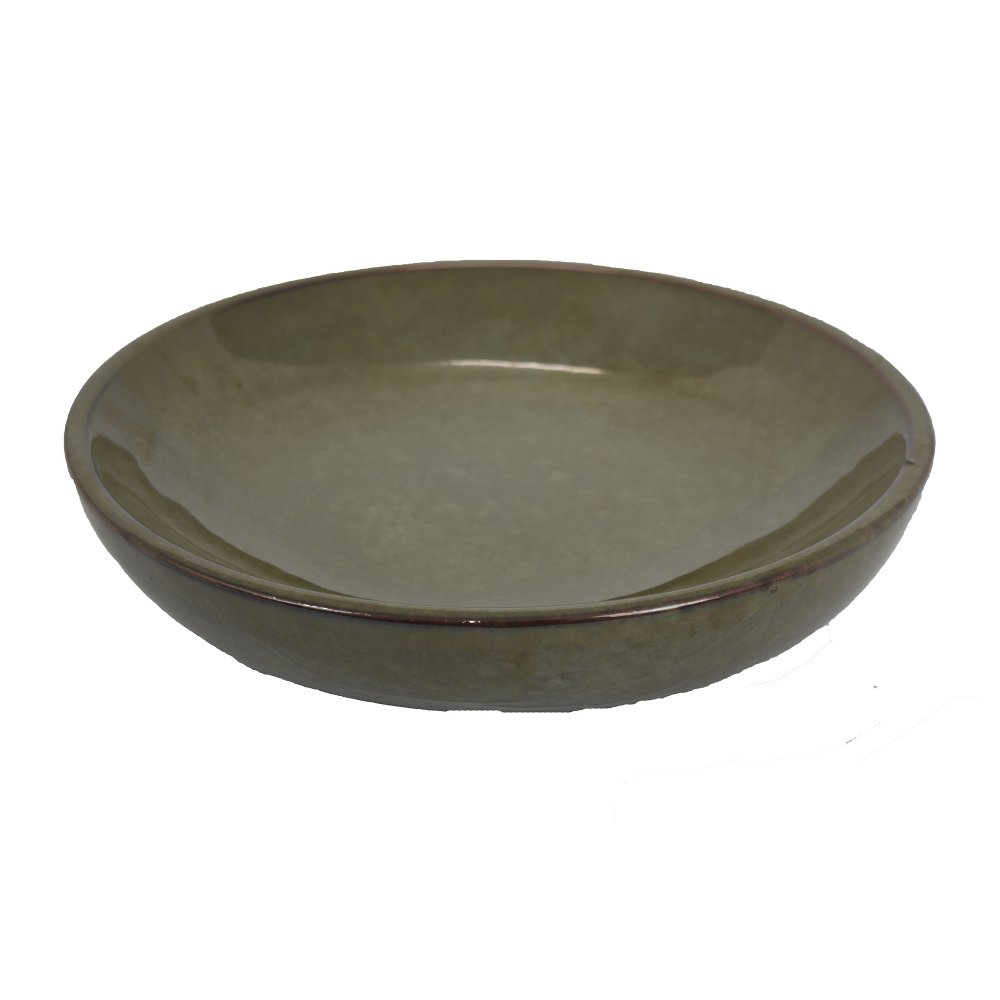
Decorative objects are sculptural accents and home accessories that add personality, texture, and visual interest to shelves, coffee tables, mantels, and other display surfaces. Their main purpose is to bring character to a room, whether through an interesting shape, a rich finish, or a detail that reflects your taste. An abstract silhouette can give a simple bookcase a focal point, while an organic form can soften the straight lines of a console or entertainment center. Unlike accessories chosen mainly for storage or lighting, these accents earn their place through the way they look and the feeling they bring to your space. They can make a room feel playful, peaceful, polished, or collected over time. The right choice doesn’t have to match every finish around it. A little contrast often makes a display feel more personal: a rounded shape beside a rectangular picture frame, a rough surface against smooth cabinetry, or a dark accent on a pale shelf. Modern decorative objects often feature clean outlines, abstract forms, and simple color palettes. Traditional styles may draw on recognizable figures, architectural details, or weathered finishes, while casual spaces suit natural textures and less formal shapes. These distinctions offer a starting point, not a rulebook. A sculptural accent that catches your eye can work across several decorating styles when its size, color, or material connects with the room. Decorative shelf accents also give smaller spaces a way to express personality without taking up floor space. In an apartment living room, a single substantial object can finish an otherwise empty shelf; in a home office, a small accent can make the view from your desk feel less utilitarian. For a room that already includes patterned upholstery or colorful artwork, a quiet, solid-colored shape adds interest without competing. In a mostly neutral room, a bolder form or reflective finish can provide the contrast that helps the space feel complete. The goal is a home that feels like yours, with details you enjoy seeing every day.
Material makes a noticeable difference in the appearance, weight, durability, and care of decorative accents. Ceramic and stoneware can range from smooth and glossy to textured and matte, giving similar shapes very different personalities. A glazed surface may catch the light, while an unglazed finish tends to look softer and more earthy. Both need thoughtful placement because edges and projecting details can chip if bumped. Glass brings transparency, color, or reflection to a display and can help a filled shelf feel less visually heavy, although fingerprints and dust may show more clearly on polished surfaces. Wood adds grain and warmth, with natural variations that keep a display from looking overly uniform. Its finish matters as much as the wood itself: sealed, painted, and unfinished surfaces can have different cleaning needs, and prolonged direct sunlight or moisture may affect their appearance. Metal offers another range of looks, from understated brushed surfaces to bright polished finishes. A metallic appearance doesn’t necessarily mean solid metal, so material descriptions are helpful when weight and construction matter. Some metals develop a patina, while coated finishes may need gentle handling to preserve their color. Stone and marble often feel substantial and feature natural variation, but they can still chip, scratch furniture, or absorb spills depending on the material and finish. Resin can capture intricate shapes and resemble other materials, though its weight and durability vary with construction. For everyday care, a soft, dry cloth is a sensible starting point for many decorative objects, with the maker’s care directions taking priority. Abrasive cleaners, soaking, and vigorous scrubbing can damage delicate surfaces. Felt pads can help protect furniture beneath a hard base, provided they don’t make the object unstable. Intended use deserves attention, too. An object shaped like a vessel isn’t necessarily watertight, food-safe, or designed to hold a candle. Indoor decorative accents also aren’t automatically suitable for outdoor exposure. Choosing an accent for how and where you’ll use it helps preserve both its finish and the surface beneath it.
Size and placement help decorative objects feel connected to the furniture around them. Before choosing an accent, consider its full height, width, and depth, including any branches, loops, or other details extending beyond the base. A deep shelf can accommodate a broad silhouette, while a narrow mantel calls for a secure footprint with no overhang. On a bookcase, leave some open space around a sculptural form so its outline remains visible rather than disappearing between books. Low-profile accents generally work well on conversation tables because they preserve sightlines and leave room for everyday essentials. Taller forms can add presence to an entryway console, as long as they don’t interfere with a mirror, artwork, or the path through the room. Pairing accents with decorative tables gives them a defined place in a seating area or entryway, with the tabletop’s dimensions and weight capacity helping determine a suitable fit. A balanced display often combines different heights and textures while repeating one connecting element, such as color or finish. Groups of three can create a relaxed arrangement, but a single well-proportioned object may be more effective on a compact surface. Empty space is useful; it gives each shape room to stand out and keeps the surface practical. In a busy family room, sturdier forms with broad bases are generally easier to live with than delicate accents with narrow supports. Breakable or heavy objects belong away from shelf edges and out of reach of small children and curious pets. Decorative objects can also make thoughtful housewarming, wedding, or birthday gifts when chosen with the recipient’s home and preferences in mind. A familiar color palette, manageable size, and uncomplicated care requirements can make a gift easier to place and enjoy. Whether you’re finishing your first apartment, refreshing a favorite corner, or choosing something for someone else’s home, the most satisfying accents combine visual appeal with a comfortable fit for everyday life. They don’t need to fill every surface. A few intentional details can give the whole room a more personal feel.
Read More