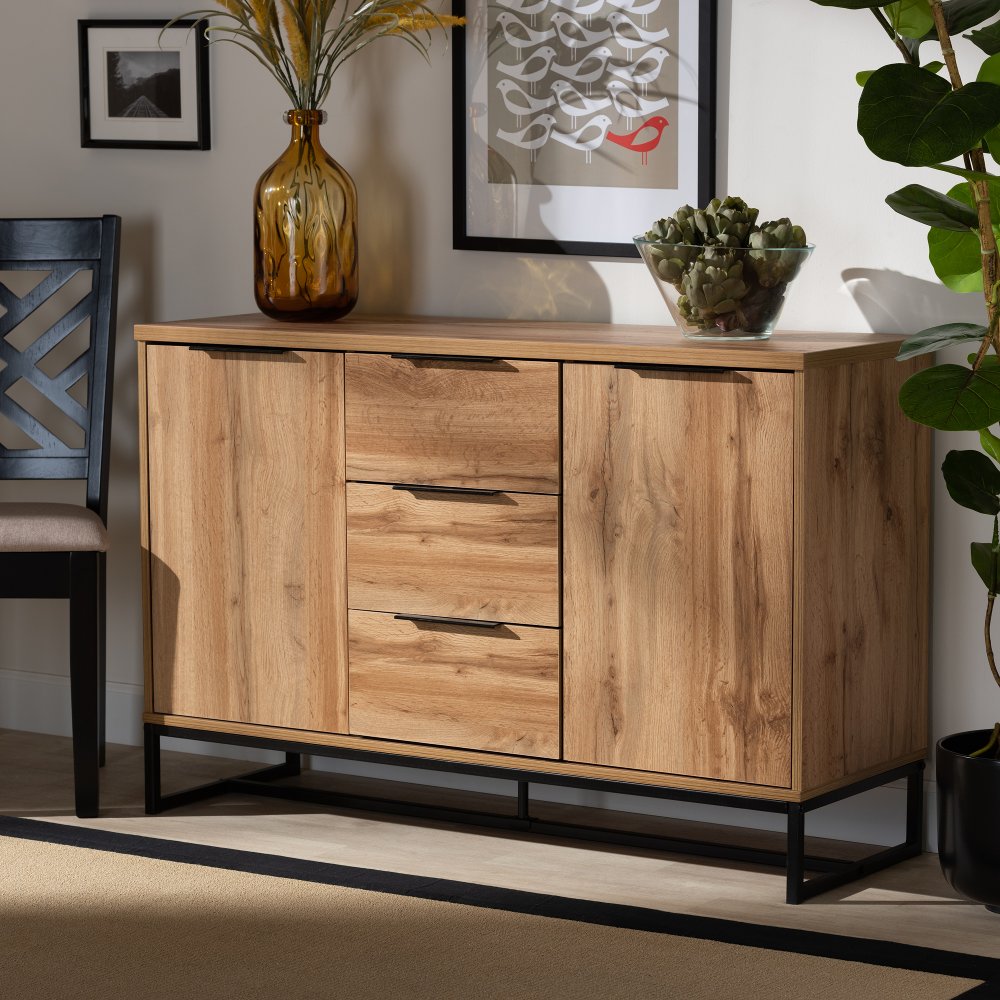
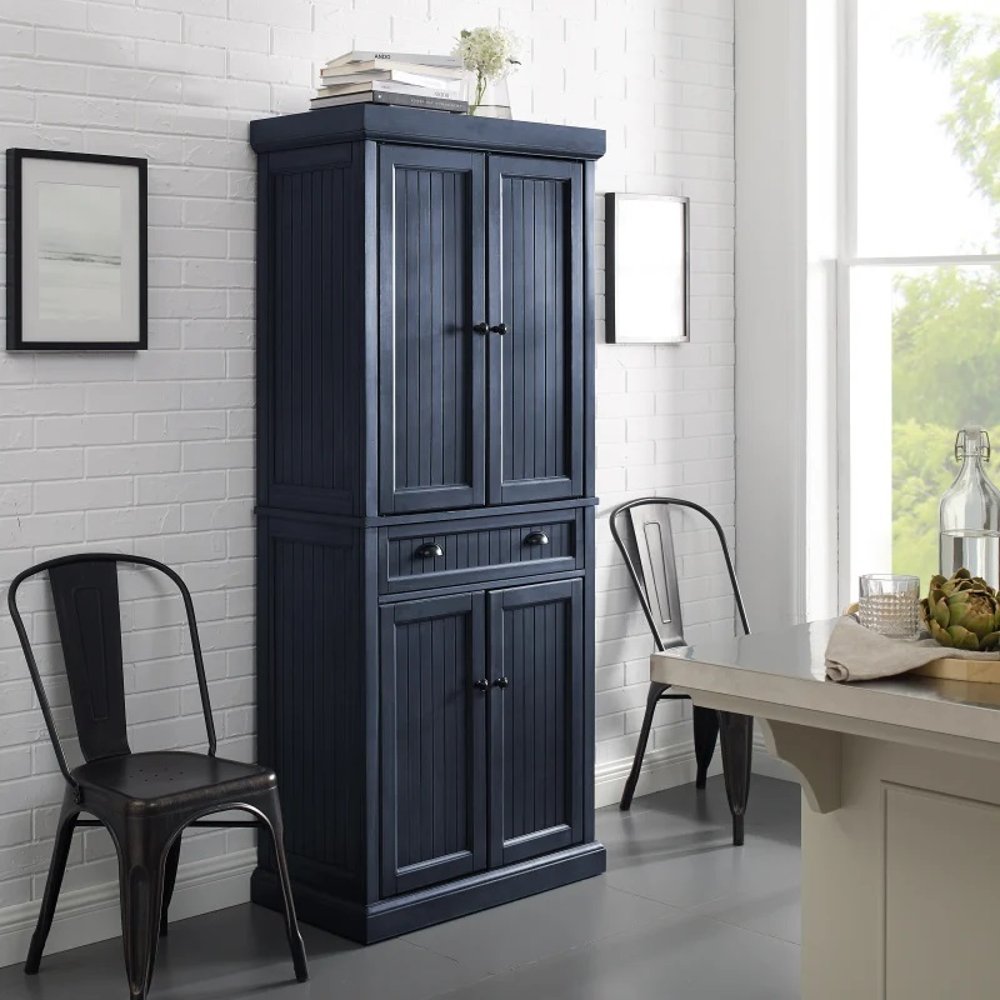
Dining room cabinets give dishes, serving pieces, and table linens a place to belong, helping your dining area feel comfortable and ready for everyday life. A cabinet can hold the plates that come out every evening, protect glassware between gatherings, or keep a favorite pitcher close enough to use rather than tucked away in a kitchen cupboard. Different cabinet shapes support different routines. A tall dining storage cabinet makes use of vertical space, while a low cabinet can provide a convenient surface for setting down a serving bowl or arranging a lamp and framed photographs. Glass-front doors let you enjoy the colors and textures of your collection even when the table is clear. Solid doors keep practical supplies out of sight, including mismatched mugs, folded placemats, and the extra napkins that always come in handy. A combination of drawers and shelves offers flexibility: shallow drawers suit flatware and small accessories, while deeper compartments accommodate stacks of dinner plates and larger serving dishes. For homes where the kitchen and dining room share storage duties, dining room pantry cabinets can provide an organized home for packaged foods, table essentials, and other supplies, depending on the cabinet’s design and intended use. The most useful layout reflects how you actually spend time in the room. Frequent hosts may appreciate room for platters and several sets of glasses, while a busy household might prioritize easy access to daily dishes and wipeable shelves. In an apartment, a single cabinet can bring several storage needs together without requiring a separate piece for each task. In a dedicated dining room, it can anchor an otherwise empty wall and balance the visual weight of a large table. Even a modest collection looks intentional when there’s breathing room around it, and closed storage below a display area lets attractive pieces take the spotlight without asking every shelf to stay picture-perfect. The result is a room that works just as well for a quick breakfast as it does for a leisurely meal with friends.
Materials and finishes influence both the look of a dining room cabinet and how it holds up to daily use. Solid wood brings natural grain and character, with variations that make a broad door or tabletop feel distinctive. Wood veneers can offer the appearance of natural wood over an engineered core, and engineered wood construction can provide a smooth, consistent foundation for painted or decorative finishes. Durability depends on the whole piece, including its joinery, backing, hardware, shelf supports, and protective finish—not simply whether one material appears in the description. A cabinet that holds heavy stoneware needs shelves rated for that load, and adjustable shelving is especially helpful when your tallest vase and widest serving bowl need different amounts of clearance. Glass doors lighten the appearance of a large cabinet and make contents easy to see, though they also show fingerprints more readily than an opaque door. Metal frames and accents can add a crisp outline, while woven door panels bring texture; their cleaning needs vary with the material and finish. Style works best when it connects with your room without requiring every piece to match. A warm wood cabinet can soften a dining area with metal chairs, while a painted cabinet can offer contrast beside a natural wood table. Simple doors and understated pulls tend to blend easily with changing decor. More detailed molding or pronounced wood grain gives the cabinet a stronger presence, which can be especially appealing along a plain wall. Practical details matter just as much as appearance. Drawers should move smoothly, doors should open comfortably, and handles should feel easy to grip. If you expect to rearrange the contents over time, removable or adjustable shelves offer more flexibility than fixed compartments. For a cabinet used as a serving surface, check the manufacturer’s guidance before placing food, drinks, or appliances on top. Protective trays, coasters, and trivets help shield suitable surfaces from spills and heat, but they don’t replace a finish’s care requirements or make every cabinet appropriate for appliance use.
A well-fitting dining room cabinet leaves enough space for people to enjoy the room, not just enough space for the furniture to stand against a wall. Overall width and height are useful starting points, but depth often determines how comfortably a cabinet fits beside a table. Picture someone pulling out a chair while another person opens a cabinet door or walks past carrying dinner. That shared space needs to remain easy to navigate. Door swings, fully extended drawers, nearby doorways, baseboards, and floor vents all deserve attention before you settle on a size. Interior measurements matter, too: a generously sized cabinet may still have compartments that are too shallow for an oversized platter. In a smaller dining nook, a shallower cabinet can provide useful storage while preserving the walkway. In an open dining area, a taller piece can help define the space, provided its proportions feel balanced with surrounding furniture. Check the delivery path through halls and doorways, along with any assembly requirements, so the cabinet can reach its intended spot. Once it’s in place, follow the manufacturer’s anchoring instructions, especially in homes with children or pets, and keep heavier contents low while respecting shelf weight limits. Everyday care is usually easier when spills receive prompt attention and dust doesn’t have time to collect around molding or hardware. Use a soft cloth and cleaning products approved for the finish; excess moisture, abrasive pads, and harsh chemicals can damage some surfaces. Spray glass cleaner onto a cloth rather than directly toward wood trim, and use shelf liners only when they’re compatible with the shelf finish. With thoughtful placement and straightforward care, dining room storage can keep pace with changing routines. The same cabinet might organize daily dishes in a first home, hold serving pieces as a household grows, or keep cherished china within reach in a smaller dining space. Choosing around those real uses gives your cabinet a lasting purpose beyond filling an empty corner.
Read More