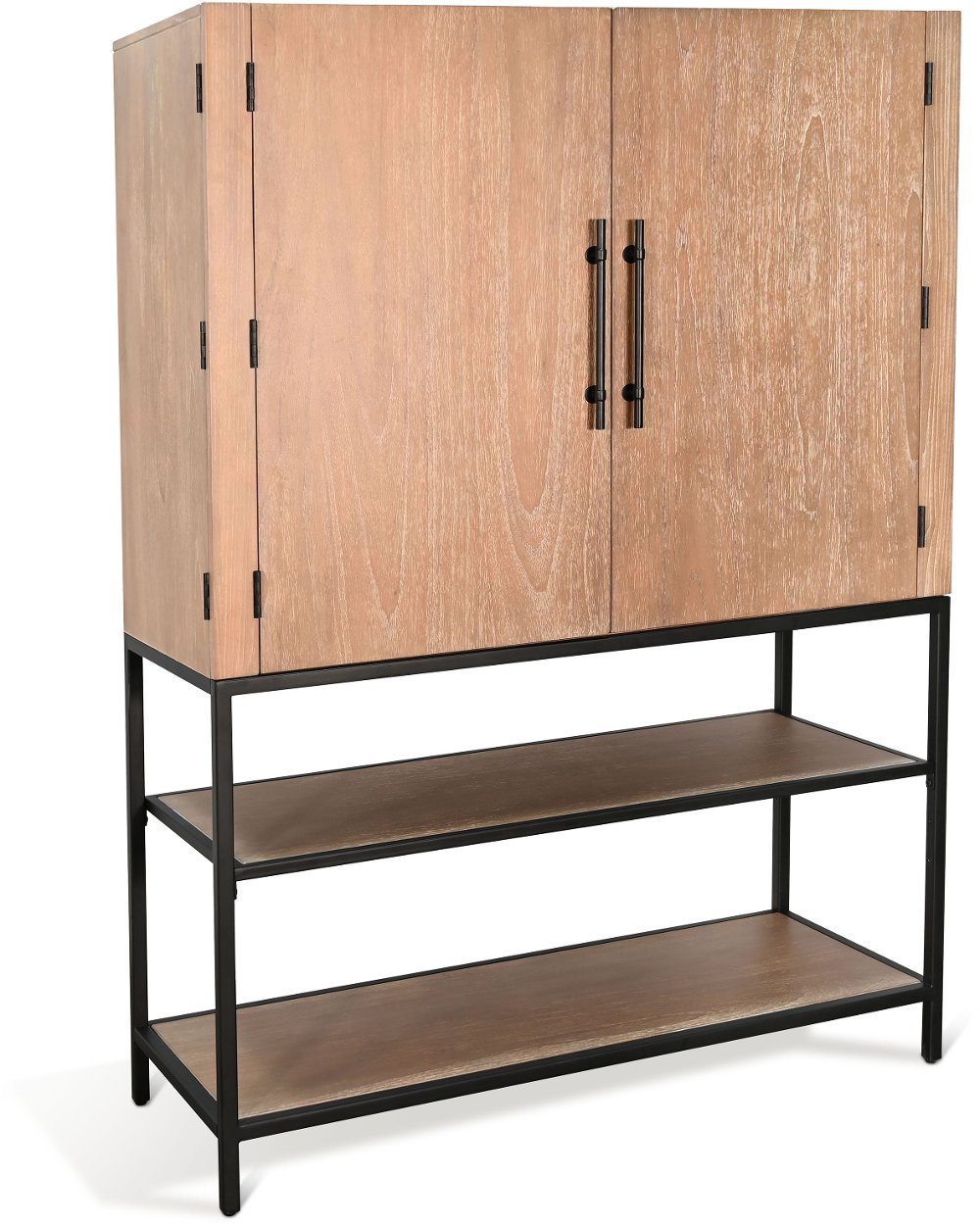
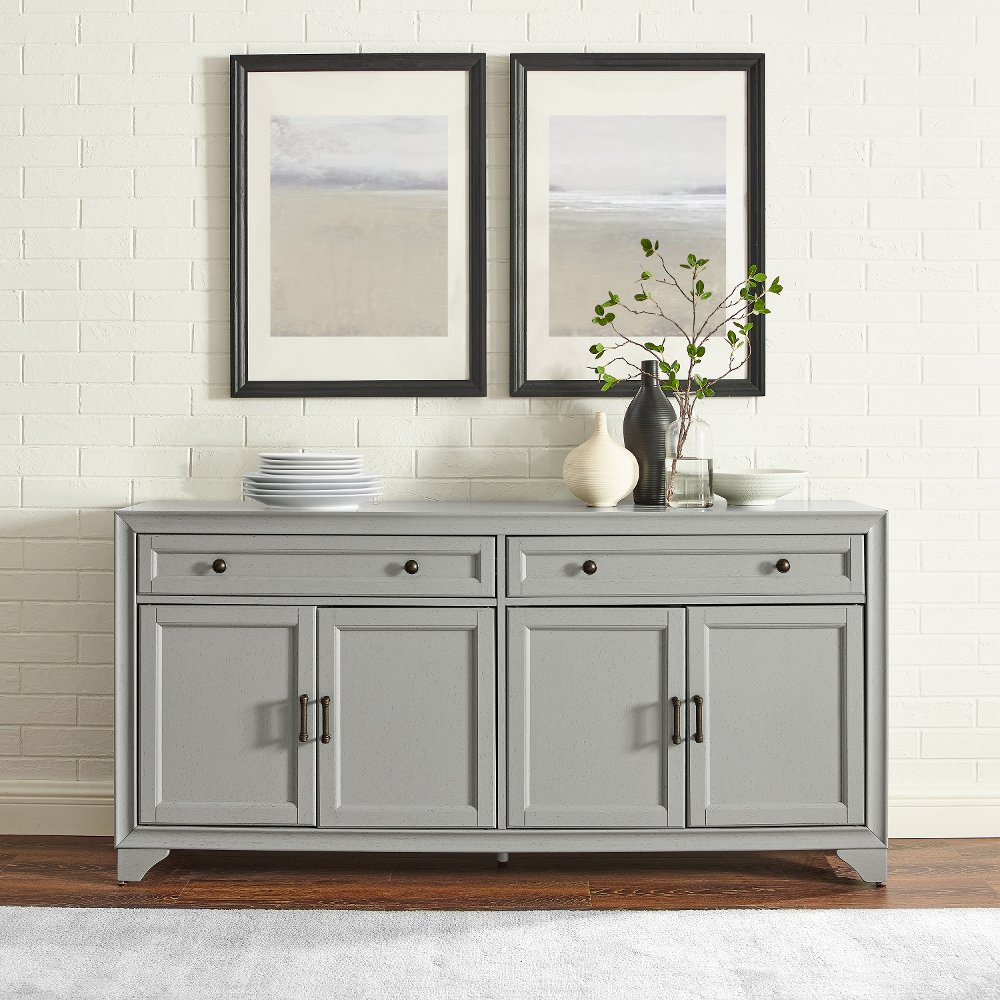
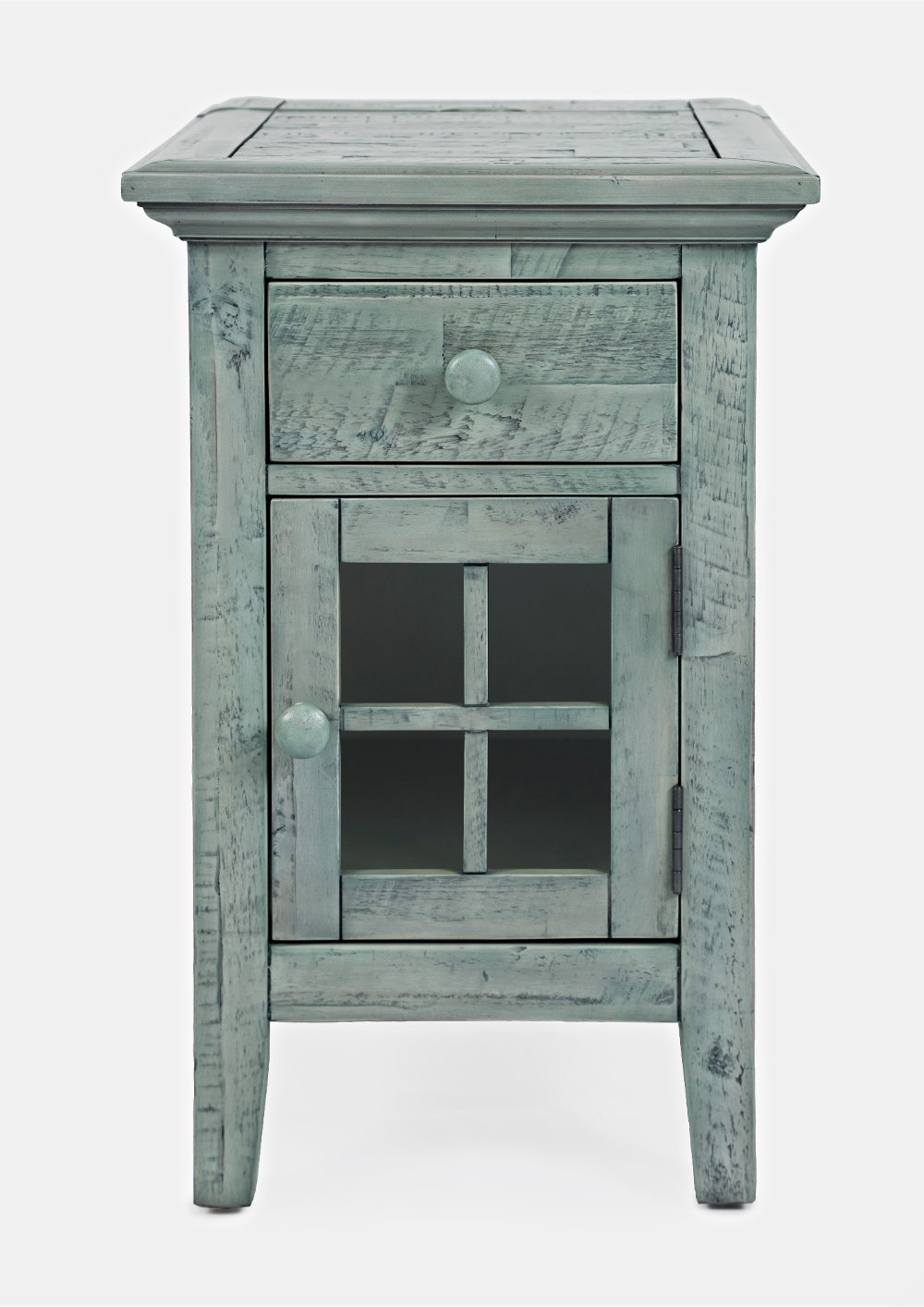
Drawer cabinets bring order to the places where everyday items tend to collect. Their combination of accessible drawers and a compact footprint makes them useful in home offices, bedrooms, living spaces, entryways, craft rooms, workshops, bathrooms, and utility areas. A drawer cabinet can tuck beneath a desk for documents and office supplies, stand beside a vanity for grooming essentials, or provide a dedicated home for chargers, batteries, tools, and small household accessories. Vertical drawer storage helps make the most of wall-adjacent space without requiring a wide piece of furniture, while a lower cabinet can add useful organization beneath a counter or along an open wall. When choosing one, start with the items you want to store and measure the space around them, including doorways, baseboards, desk legs, and nearby furniture. Drawer depth matters just as much as overall cabinet size. Shallow drawers work well for pens, jewelry, craft supplies, and electronics accessories, while deeper drawers can accommodate folded linens, office files, clothing, toys, or larger tools. If you plan to store hanging folders, check the interior dimensions and drawer construction to make sure the cabinet suits standard file sizes. For small parts, a unit with multiple compartments or clear drawer fronts can make it easier to spot beads, screws, sewing notions, art supplies, and other pieces at a glance. In a busy home, that visibility can save the familiar few minutes spent opening every drawer to find one missing item.
The right drawer cabinet should also support the way you move through your home. A stationary cabinet creates a dependable storage zone, while a mobile design can follow you from a desk to a worktable or from a craft area to a nearby surface. Rolling Drawers can be especially helpful when flexibility matters, giving you a practical place to keep supplies close without permanently taking over valuable floor space. Look for smooth-gliding drawers, sturdy hardware, and a construction that feels stable when several drawers are open. A cabinet with a finished exterior can work as part of the room’s decor, while a more utilitarian design may be the better fit for a garage, laundry area, or workshop. Consider the visual weight of the piece, too. Light finishes and clean lines can help a smaller room feel open, while a richer finish may add warmth beside a bed, sofa, or reading chair. Safety deserves attention in homes with children or pets; stable construction, secure drawer stops, and an appropriate placement can help keep storage dependable. For a home office, separate paperwork, technology, and personal items into different drawers so the surface stays clear. In a craft room, group supplies by project or material, then label the drawers so cleanup feels simple rather than like another chore. In a bathroom or bedroom, reserve the top drawers for items used every day and place occasional-use belongings farther down. These small decisions make a cabinet more useful because they match storage to real routines instead of asking you to change the way you live.
Drawer cabinets can serve nearly anyone who appreciates a little more breathing room at home. They make a thoughtful housewarming gift for someone settling into a new apartment, a practical addition to a student’s study area, or a helpful choice for a hobbyist who has outgrown a single supply box. They can also support a shared family space by giving each person a drawer for chargers, stationery, games, or personal belongings. During the cooler months, when coats, indoor projects, seasonal decorations, and extra linens often compete for room, organized drawers can keep those items contained and easier to reach. A cabinet near an entryway can hold gloves, pet supplies, keys, and reusable bags; in a guest room, it can offer visitors a place for folded clothing and personal items; in a living room, it can conceal remotes, reading materials, and craft projects between uses. Before purchasing, compare the cabinet’s height, width, depth, drawer count, weight capacity, finish, and assembly requirements with the space and tasks you have in mind. Think about how often each drawer will open, whether you need room for future additions, and whether the cabinet should blend quietly into the room or make a decorative statement. The most successful storage usually feels almost effortless: frequently used items sit within comfortable reach, smaller belongings stay sorted, and clear surfaces make the room easier to enjoy. With thoughtful sizing and a layout that fits your habits, a drawer cabinet can turn an overlooked corner into reliable, hardworking storage.
Read More