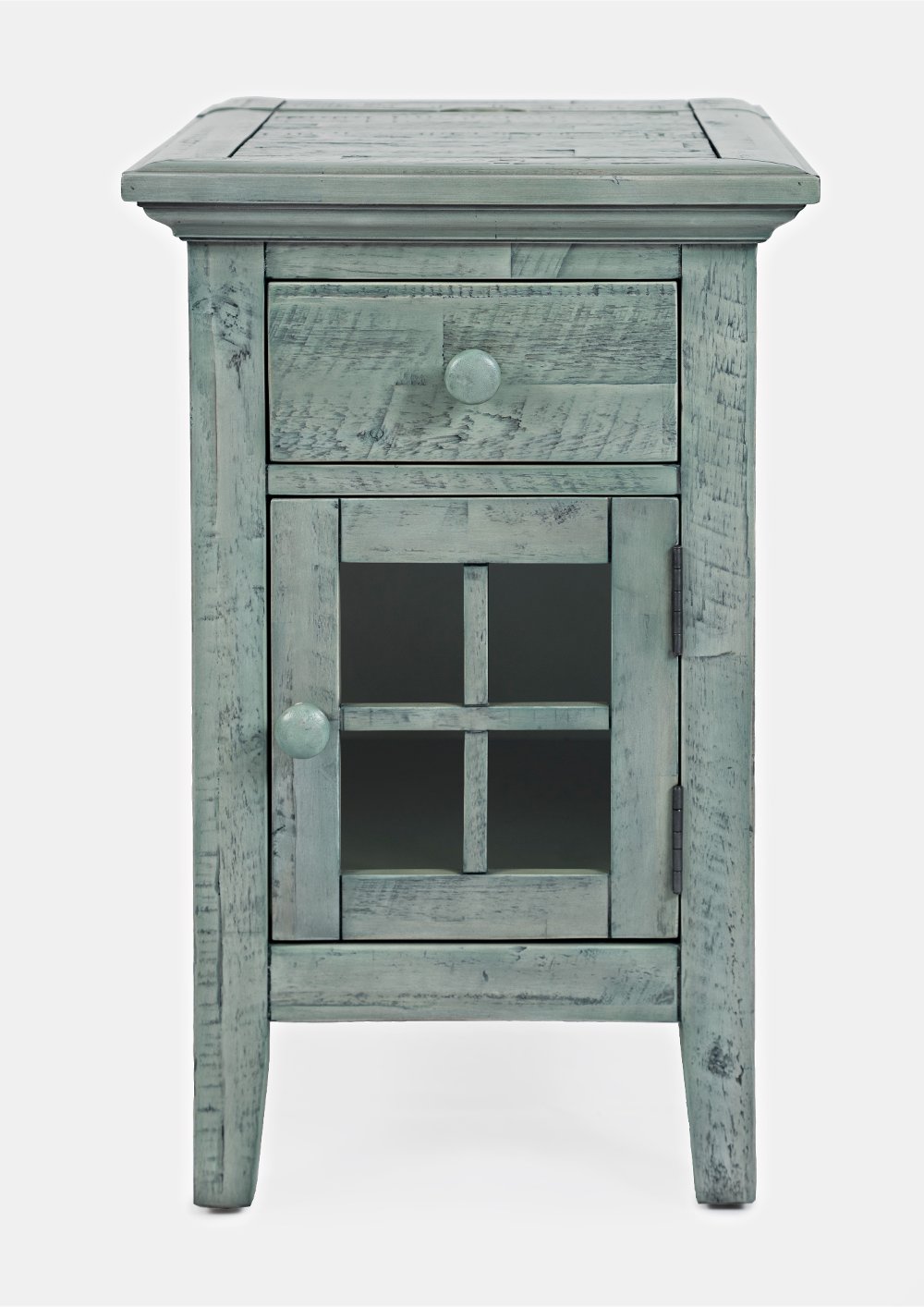
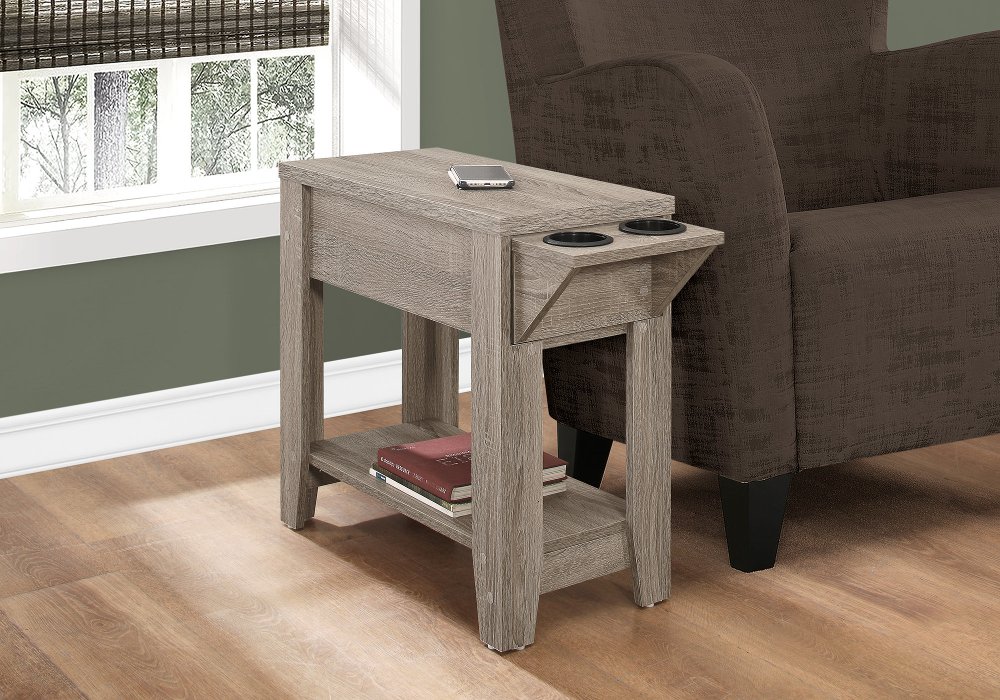
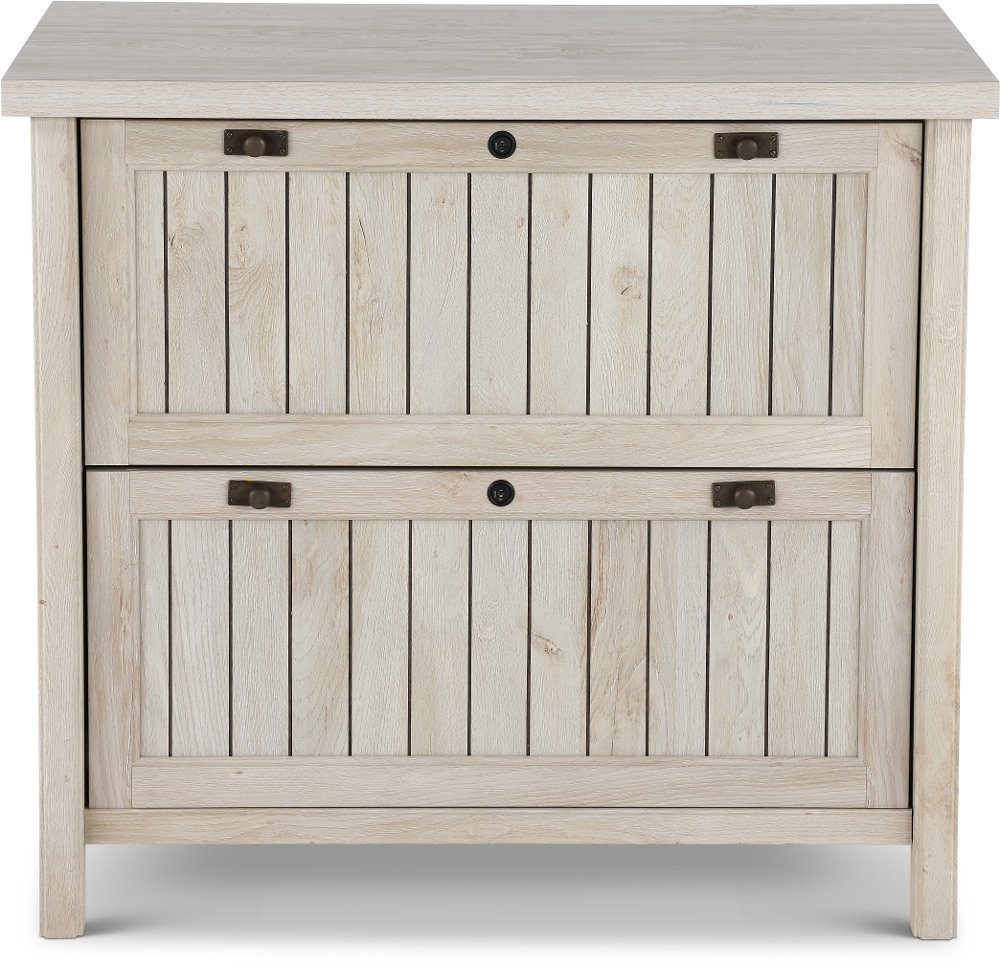
Drawer tables combine a usable tabletop with enclosed storage, giving everyday essentials a home within easy reach. The category includes end tables, bedside tables, nightstands, and narrow accent or console tables with drawers, each suited to a different spot in your home. Beside a sofa, a drawer table keeps remotes, reading glasses, and charging cords close without leaving everything on display. Next to the bed, it offers a landing place for a lamp and a glass of water, with room underneath for the little things that tend to collect overnight. In an entryway, a slim table with a drawer can turn a handful of keys and a stack of mail into a more manageable coming-home routine. The appeal is simple: You get a surface you’ll use every day and storage that helps the room feel settled. A single shallow drawer may be enough for someone who wants to tuck away a few essentials, while multiple drawers can separate electronics, stationery, and personal items. Tables that pair a drawer with an open shelf offer another useful balance, keeping smaller belongings out of sight while leaving books or a basket easy to grab. For apartment dwellers, students furnishing a first place, and anyone making a smaller room work harder, that combination can save valuable floor space. Drawer tables are equally useful in larger homes, where a well-placed piece can give each seat its own convenient storage. During the cooler months, when evenings often mean a book, a warm drink, and a favorite chair, having those essentials close makes a sitting area feel especially welcoming. A thoughtfully chosen table can also make a practical housewarming gift, particularly when you know the recipient’s room dimensions and decorating preferences. The best choice supports the way someone actually lives, rather than simply filling an empty corner.
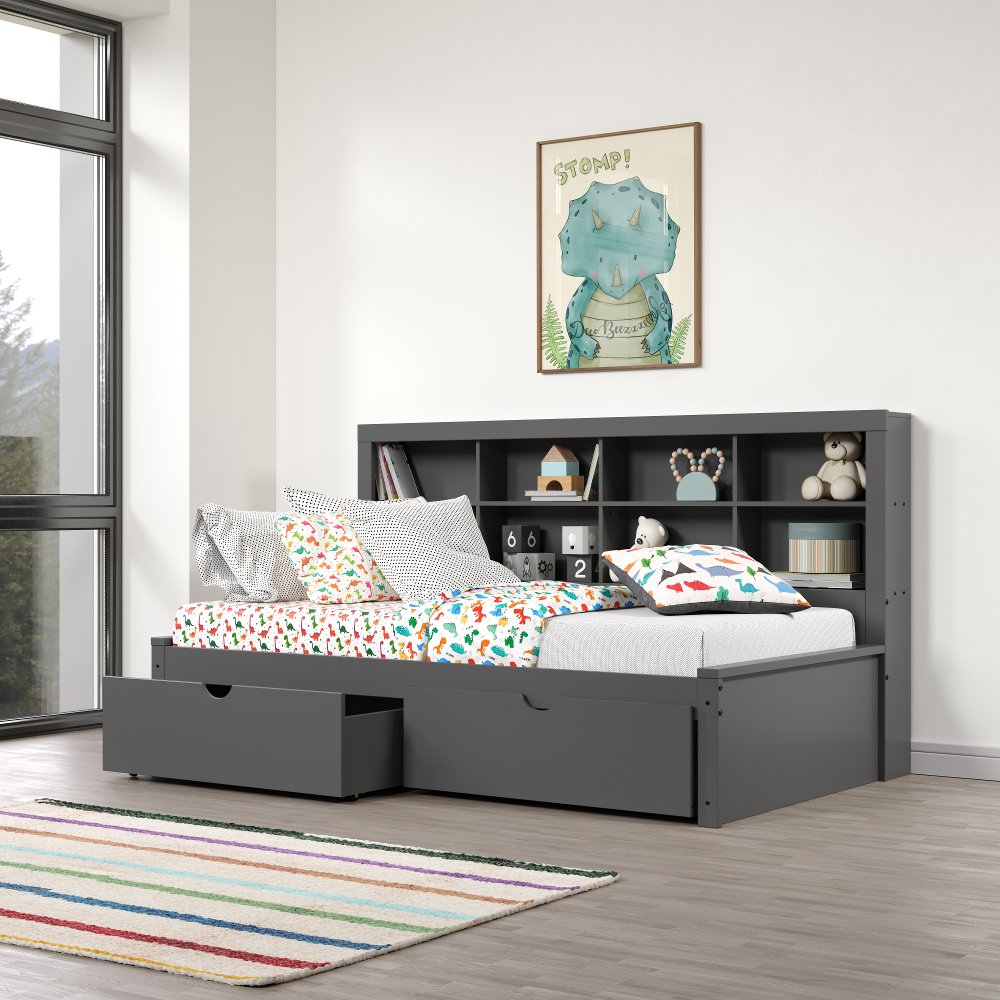
Start with placement and measurements when comparing drawer tables. For a table beside a sofa or armchair, aim for a tabletop roughly level with the arm, usually within 1 to 2 inches, so setting down a mug feels natural. For a bedside table, a similar relationship to the top of the mattress generally makes reaching a lamp, phone, or alarm easier. These are useful starting points, not rigid rules; low seating, thick mattresses, and individual mobility needs can change what feels comfortable. Measure width and depth as well as height, then check the space the table needs when its drawers are fully open. A piece that fits neatly between a bed and a wall may still be awkward if a drawer bumps the bedding or blocks a walking path. Painter’s tape on the floor can help you picture the footprint before bringing furniture home. Storage measurements deserve the same attention. Outside dimensions don’t tell you how much a drawer will hold, so look for interior measurements if you plan to store a tablet, a large book, or a particular organizer. Shallow drawers work well for glasses and remotes; deeper drawers offer more flexibility for larger accessories. Smooth drawer movement, easy-to-grip pulls, and a stable base matter because you’ll interact with these details daily. Where product information is available, compare drawer stops, glide construction, weight limits, and assembly requirements. Soft-close mechanisms can be a welcome feature in a shared bedroom, while built-in outlets or USB ports may simplify charging near a chair or bed. Check port types and power specifications rather than assuming every charging feature will suit your devices, and consider how the table’s cord will reach a wall outlet without crossing a walkway. For bedrooms that need storage beyond the bedside, Drawer Beds can complement drawer tables by providing room for larger belongings. Allow enough clearance for both pieces to open comfortably, especially when bed drawers pull out toward the nightstand.
Materials, finishes, and construction help determine how a drawer table looks, feels, and holds up to your household’s routines. Solid wood brings natural grain and variation, while wood veneer provides a real-wood surface over a supporting core. Engineered wood with a laminate finish can offer a consistent appearance and an easy-care surface, depending on the product. Metal frames can create a lighter visual profile, and upholstered or fabric-drawer designs may suit flexible, casual spaces. None of these labels tells the whole quality story, so compare the frame, joints, drawer bottoms, hardware, and care instructions alongside the material description. Prices vary with size, materials, construction, and added features; a straightforward single-drawer table will often cost less than a larger piece with upgraded glides or integrated charging. Set your budget around the features you’ll appreciate repeatedly, whether that’s a sturdy top for a substantial lamp or drawers that open smoothly with one hand. If a table will regularly hold drinks, use coasters and follow the manufacturer’s cleaning guidance rather than assuming the finish resists heat or moisture. In a busy family room, rounded corners may be worth considering, and any included anchoring hardware should be installed as directed. Style is the finishing layer. Warm wood tones can soften a room with metal and glass, painted finishes can add contrast, and simple hardware can help a table sit comfortably beside furniture you already own. Matching every piece isn’t necessary; repeating a finish, shape, or metal accent is often enough to make the room feel connected. In a guest bedroom, a drawer table leaves visitors a place for personal belongings without asking them to live out of a bag. Beside a favorite reading chair, it can hold a notebook and bookmarks while keeping the top clear for a lamp. Choose proportions that fit, storage you can use, and a finish you enjoy seeing every day, and this modest piece of furniture can earn its place in nearly any room.
Read More