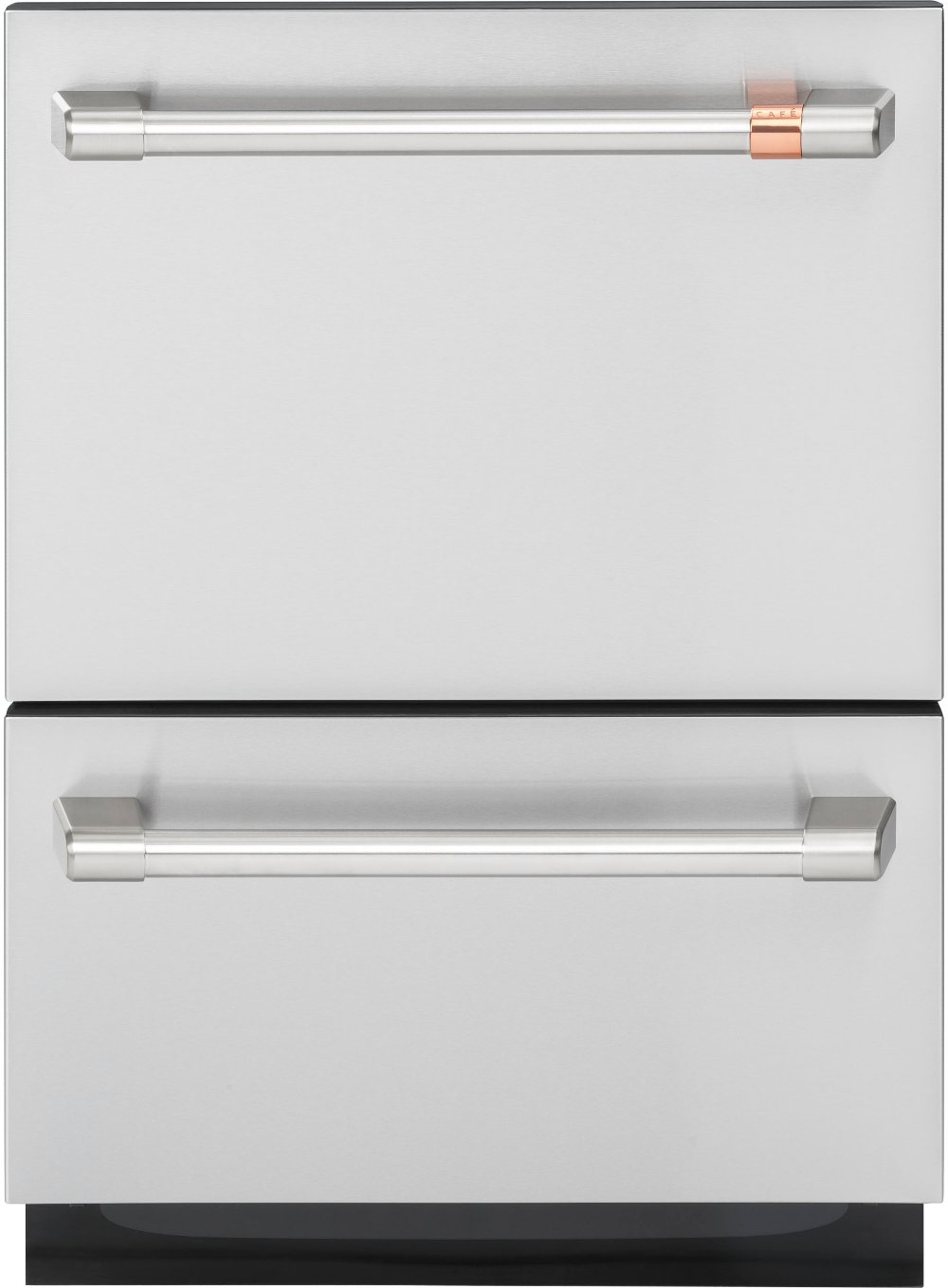
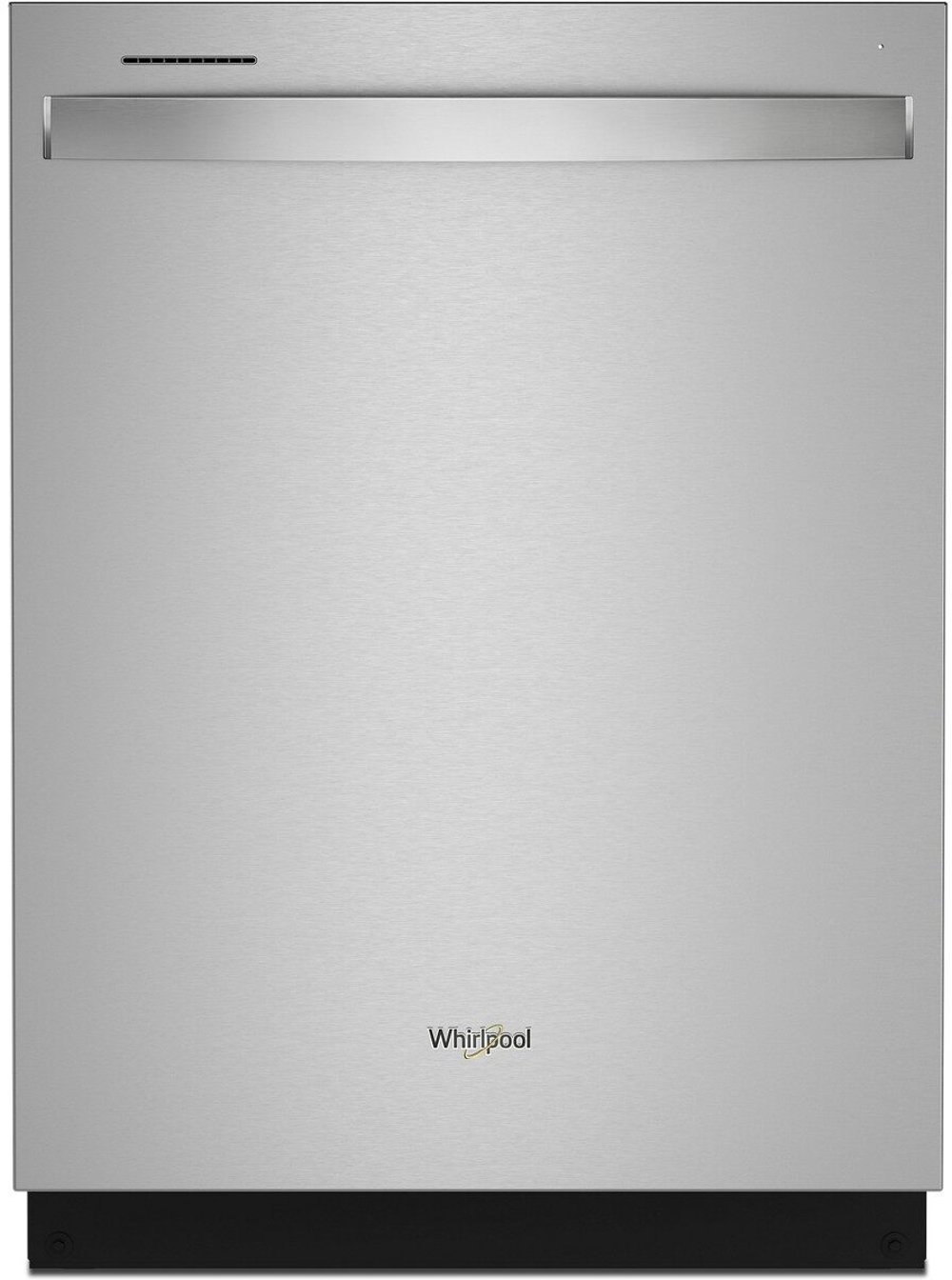
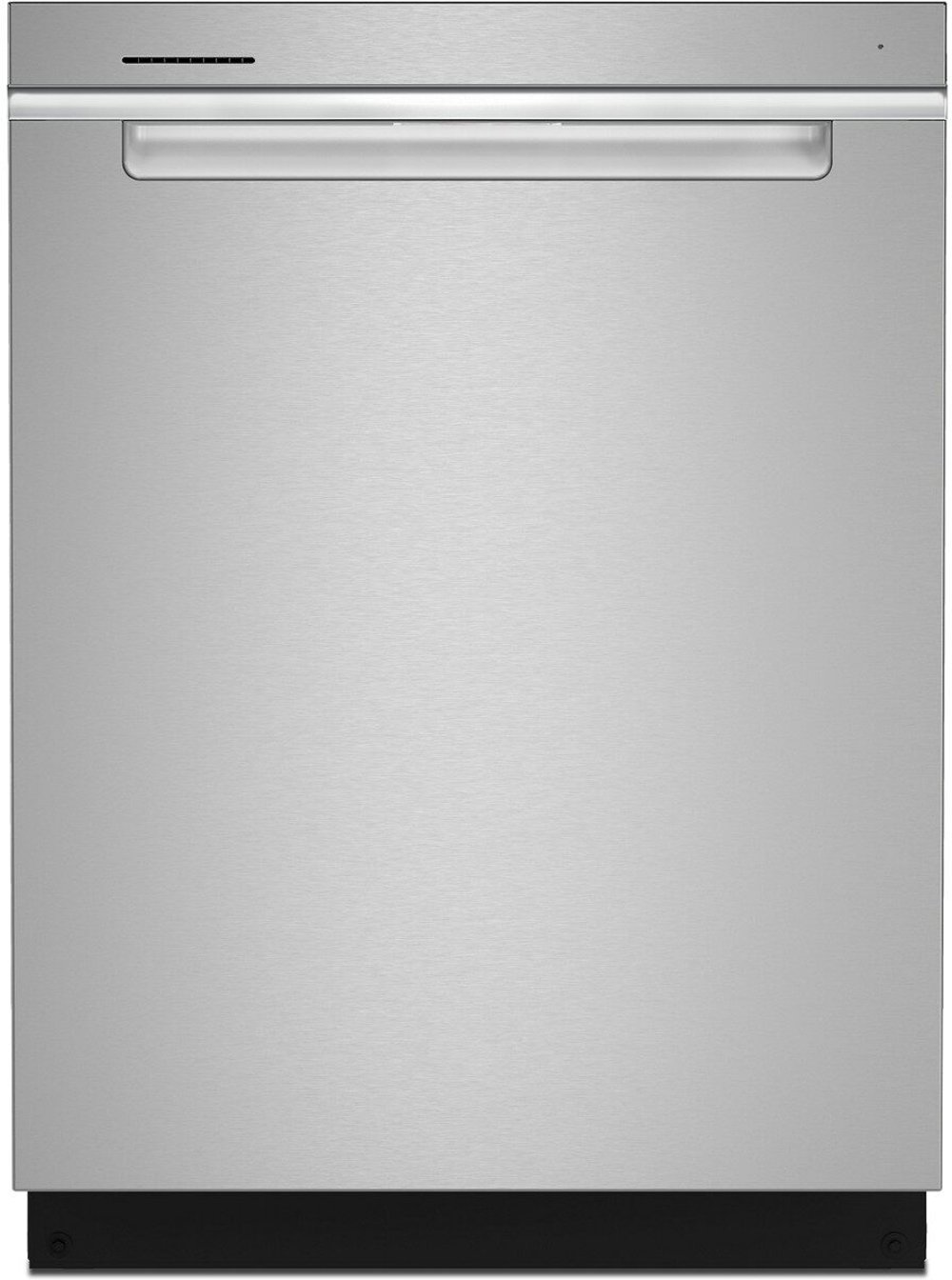
A drawer dishwasher is a built-in dishwasher that opens like a pull-out kitchen drawer instead of using a traditional drop-down door. Dishes load from above into a sliding wash compartment, making the layout feel familiar alongside kitchen drawers and cabinets. Drawer dishwashers come in single- and double-drawer configurations, giving households different ways to organize everyday cleanup. A single-drawer dishwasher handles smaller loads in one compartment, while a double-drawer dishwasher has two stacked compartments that can operate independently. That separation lets breakfast bowls and coffee mugs wash in one drawer while the other stays ready for lunch dishes. Depending on the model, both drawers can also run at the same time with different cycle settings, helping accommodate lightly soiled glasses separately from dishes that need a more intensive wash. An upper drawer can reduce bending during loading and unloading, which may appeal to people who find reaching into a conventional dishwasher uncomfortable. A lower drawer still requires a lower reach, so placement matters as much as configuration. Single-drawer designs can suit smaller households, secondary kitchen spaces, and people who prefer washing modest loads rather than waiting to fill a larger machine. Double-drawer designs offer more separation for busy kitchens, shared households, and homes where meals happen on different schedules. After a quiet dinner, one drawer may be enough; after cooking for guests, both compartments can help handle the plates, utensils, and serving pieces. Capacity depends on the interior layout, not simply the number of drawers. Tall drinking glasses, wide dinner plates, mixing bowls, and cookware all take up space differently, so the most useful setup is one that accommodates the pieces your household reaches for every day. For someone who cooks in batches or regularly uses large baking dishes, the dimensions of each wash compartment deserve particular attention. Drawer dishwashers offer flexibility, but their divided interiors create a different loading experience from a conventional full-height dishwasher.
The best fit starts with the relationship between the dishwasher, the cabinetry, and the surrounding workspace. Single-drawer dishwashers may allow room for cabinetry beneath the appliance when the installation design permits, while double-drawer units generally occupy a taller opening. Neither configuration should be assumed to fit an existing space without checking the appliance dimensions and installation requirements. Cabinet opening width, height, and depth all matter, along with the clearance needed to pull each drawer fully open. Handles, nearby cabinet doors, corner layouts, and the walking path through the kitchen can affect everyday access. A drawer that opens beside the sink creates a convenient place to transfer scraped dishes, but plumbing, drainage, electrical connections, and required clearances must also work with the planned location. Professional installation can help address those details and secure the appliance according to its instructions. Exterior choices may include stainless steel finishes or panel-ready fronts designed to accept compatible cabinetry panels. Stainless steel offers a familiar appliance look, while a panel-ready design can blend into surrounding cabinets; panel dimensions, hardware, and weight must meet the appliance’s specifications. Finish care varies, especially with coated or fingerprint-resistant surfaces, so a soft cloth and an approved cleaner are a better match than abrasive scrubbing. Inside the drawers, tub materials, rack coatings, utensil baskets, and folding supports influence both cleaning convenience and long-term upkeep. Some designs use stainless steel tubs, though construction varies by model. Adjustable tines and cup supports can make room for different dish shapes, but moving a support doesn’t increase the drawer’s maximum loading height. A tall tumbler, oversized plate, or deep pot still needs clearance from the drawer’s lid and spray components. Smooth drawer movement, sturdy rack supports, accessible filters, and replacement-part support are practical durability considerations. A kitchen appliance gets opened, loaded, and closed repeatedly, so construction and care matter well beyond the way the front looks.
Cleaning performance depends on the cycle, detergent, loading arrangement, and condition of the dishes, rather than the drawer format alone. Available settings vary, but drawer dishwashers may offer everyday, intensive, delicate, eco, or shorter wash options. A lightly used lunch plate has different cleaning needs from a casserole dish with baked-on food, and a shorter cycle isn’t necessarily intended to handle both equally well. For households that prioritize a faster turnaround between meals, Quick Wash Dishwashers offer another way to explore appliances with shorter-cycle options. Cycle descriptions are worth comparing closely because wash time, soil recommendations, temperature, and drying steps can differ. Drying performance also varies with the appliance design, selected settings, rinse aid use, and dish materials; plastic containers often retain more droplets than glass or ceramic pieces. Noise ratings can be especially relevant in open kitchens, where conversation, homework, and television share space with cleanup. Published decibel ratings provide a useful comparison, although installation and the surrounding cabinetry also affect how sound carries. Energy and water use depend on the model and cycle, so published specifications are more reliable than assuming every small load uses fewer resources. Everyday care helps keep the drawers working as intended. Large food scraps belong in the trash or compost before loading, while filters need cleaning at the intervals described in the owner’s manual. Spray openings should stay clear, and dishes need enough separation for water to reach their surfaces. An overloaded drawer can leave a bowl nested against another bowl or a serving spoon blocking a spray arm. Dishwasher detergent, rather than hand dish soap, is essential, and the recommended amount may vary with water hardness and soil level. Drawer seals and surrounding edges benefit from gentle cleaning that removes residue without damaging the sealing surfaces. Only dishwasher-safe dishes and utensils belong inside; delicate finishes, some plastics, and wooden pieces may need handwashing. With a layout that fits your kitchen and loading habits, a drawer dishwasher can make daily cleanup feel more manageable.
Read More