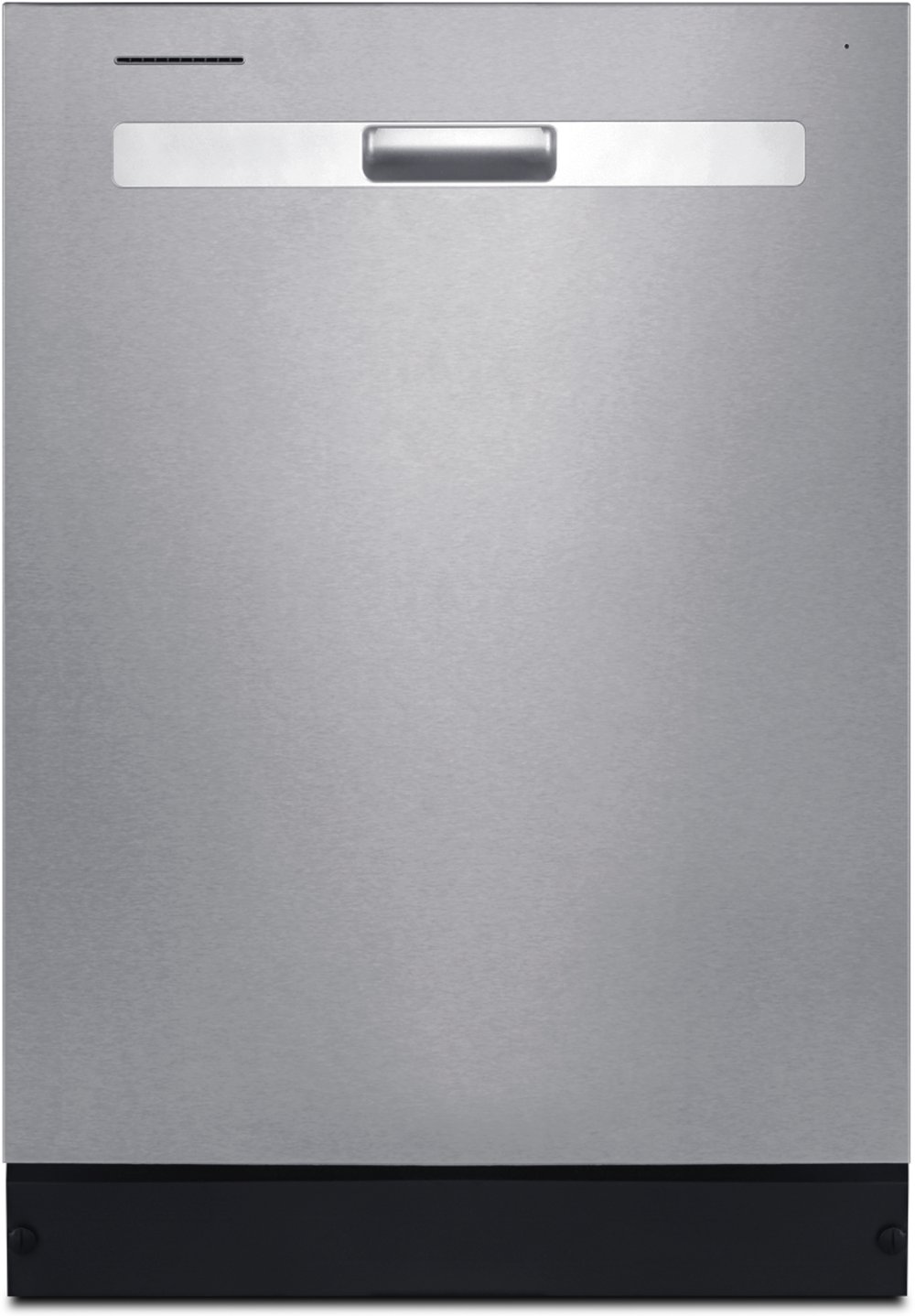
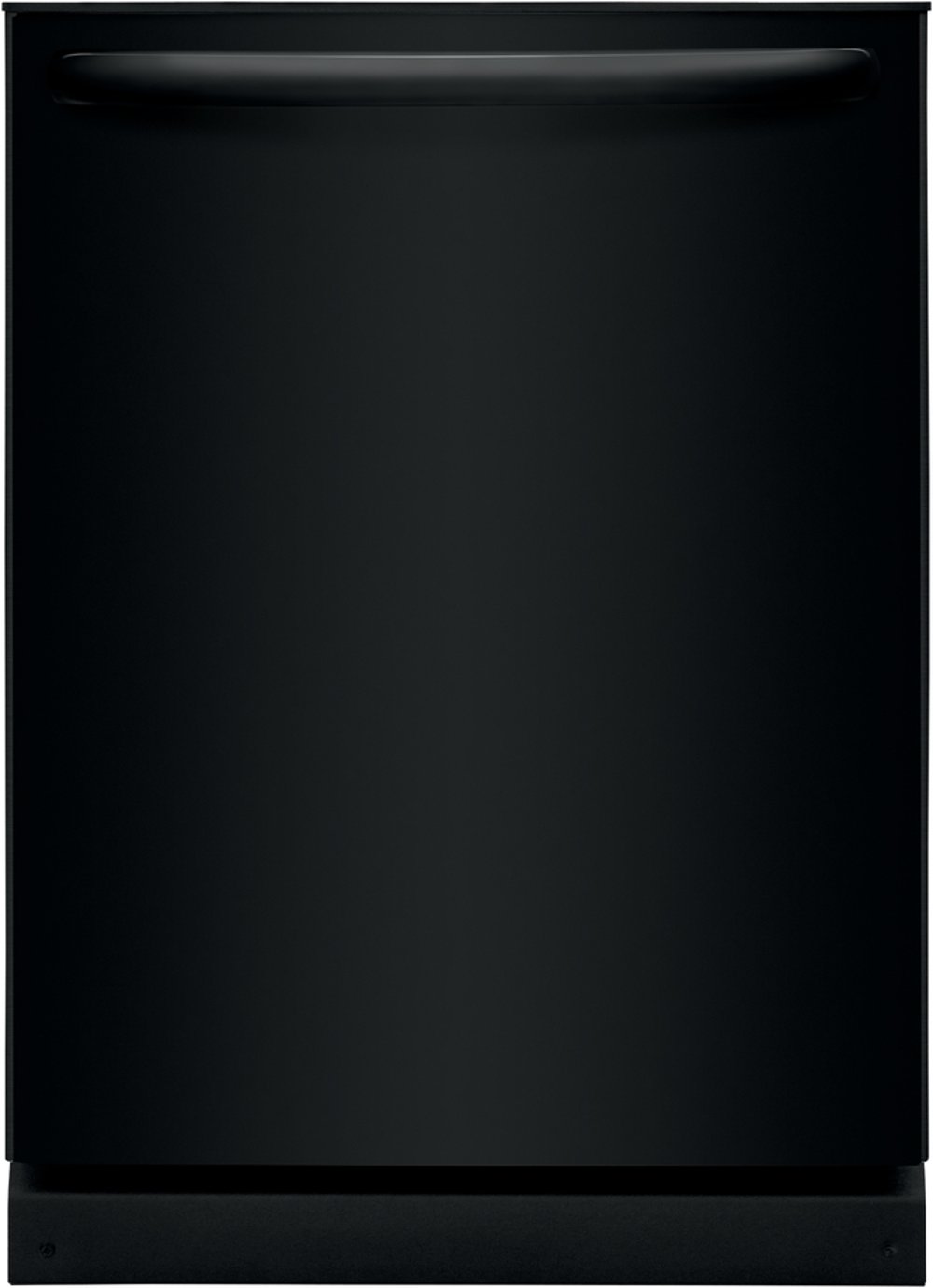
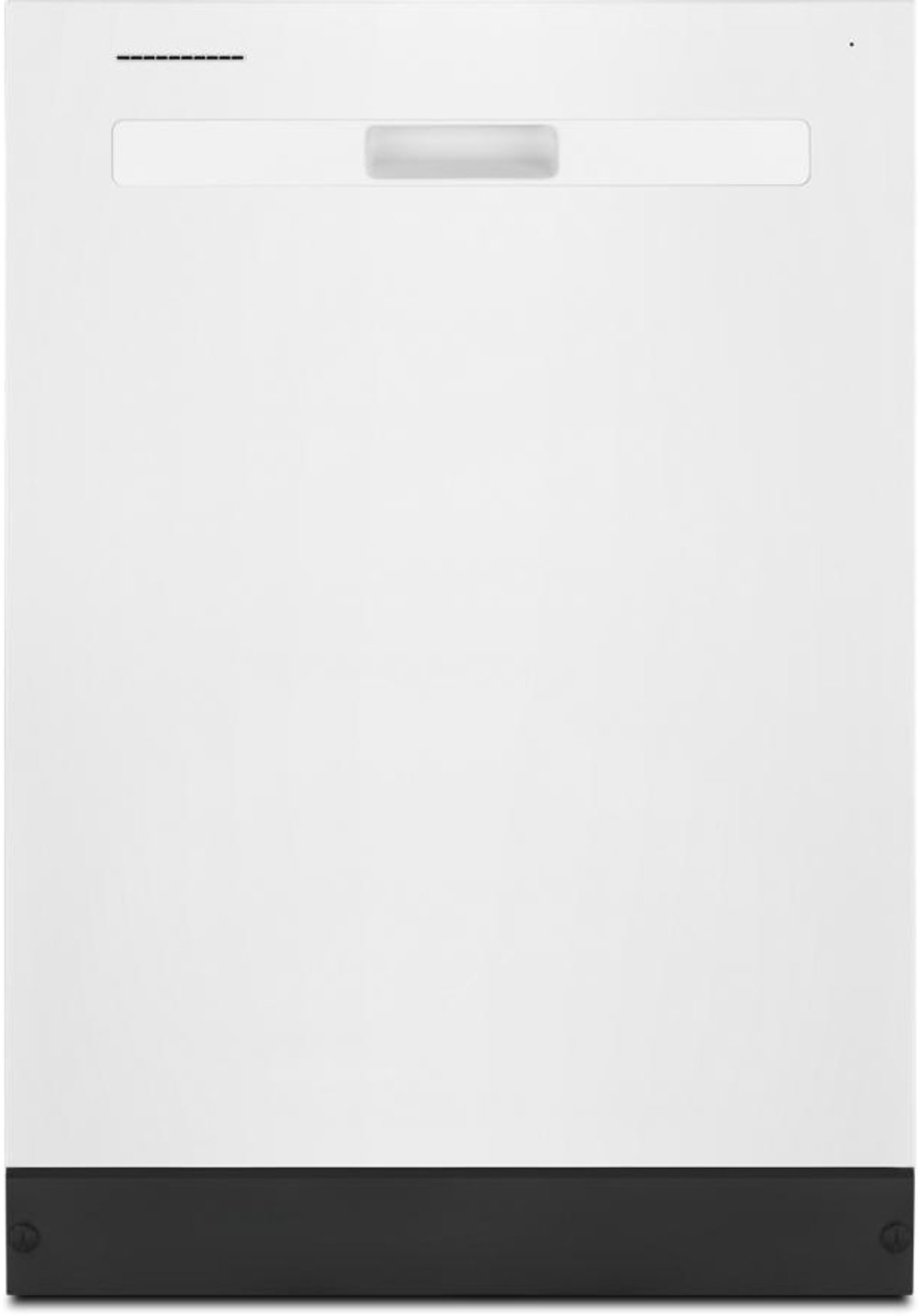
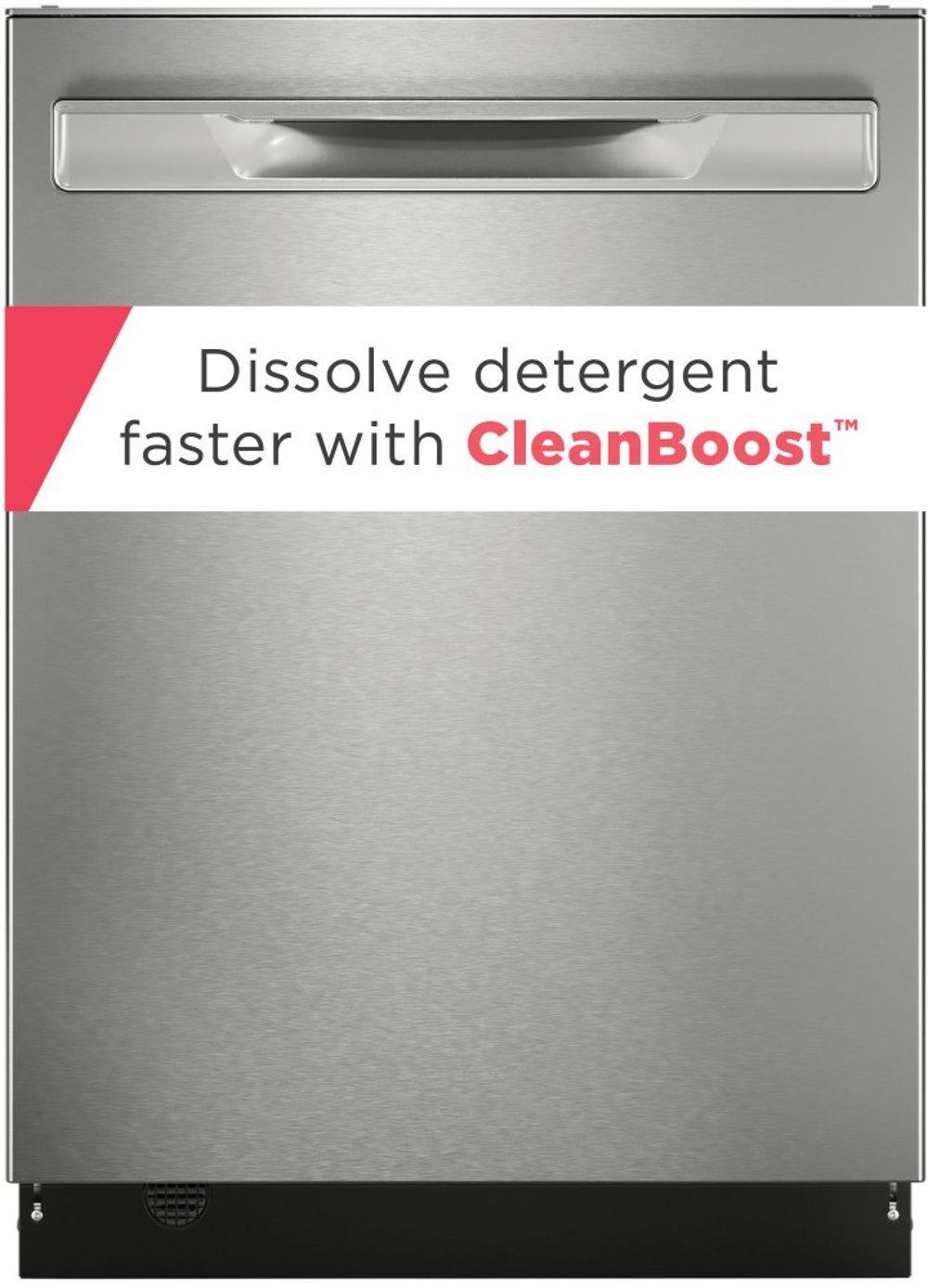
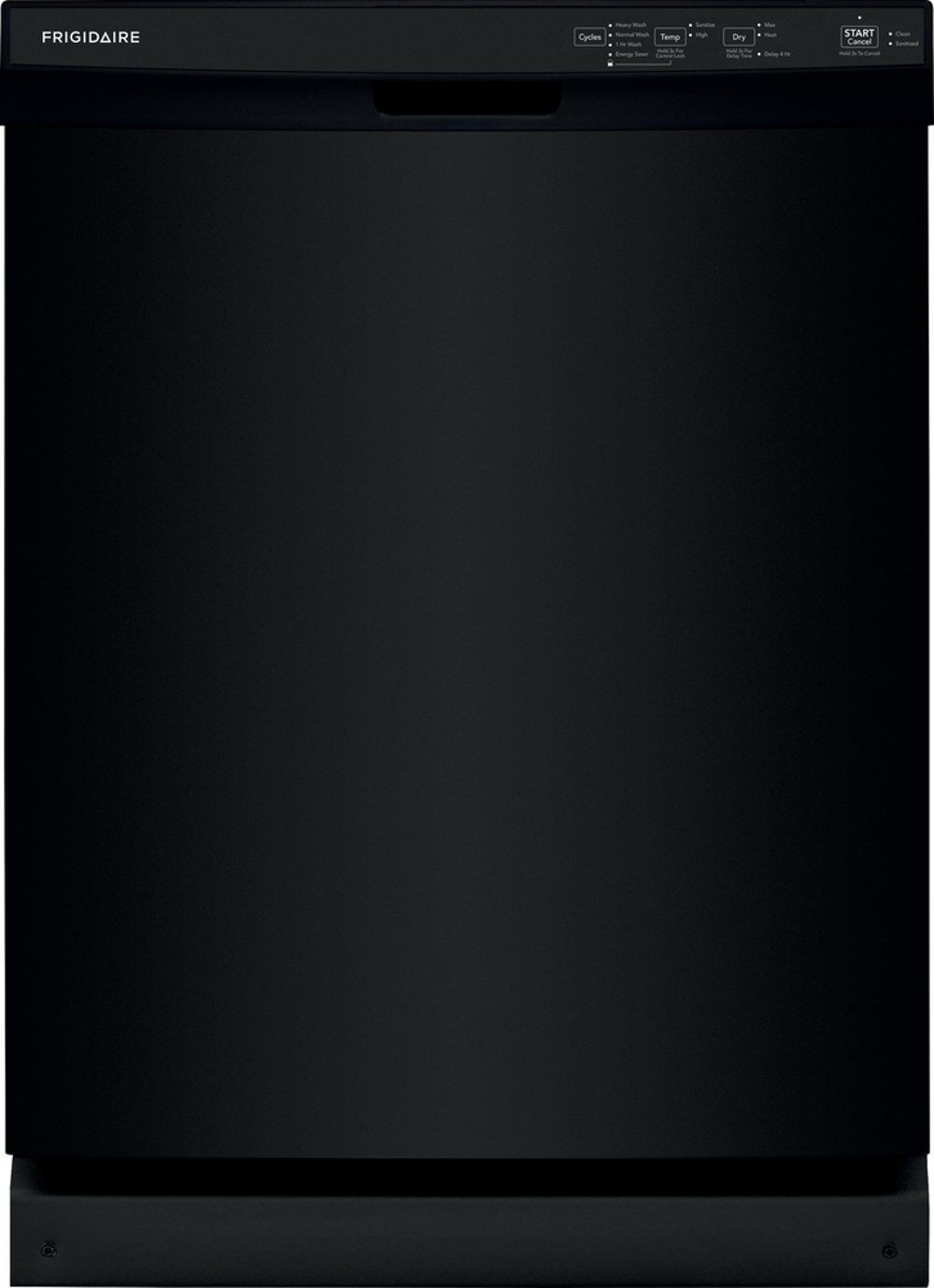
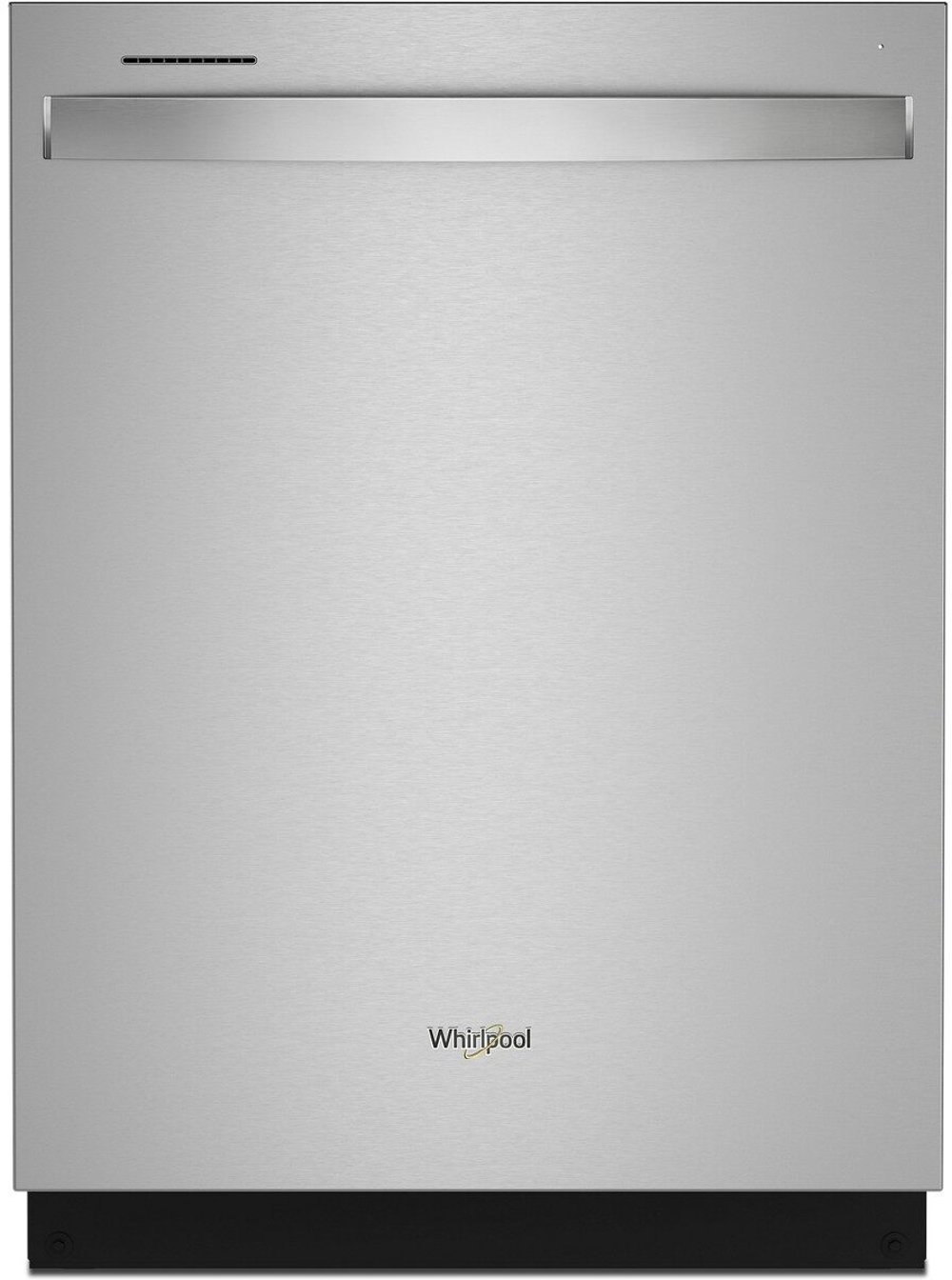
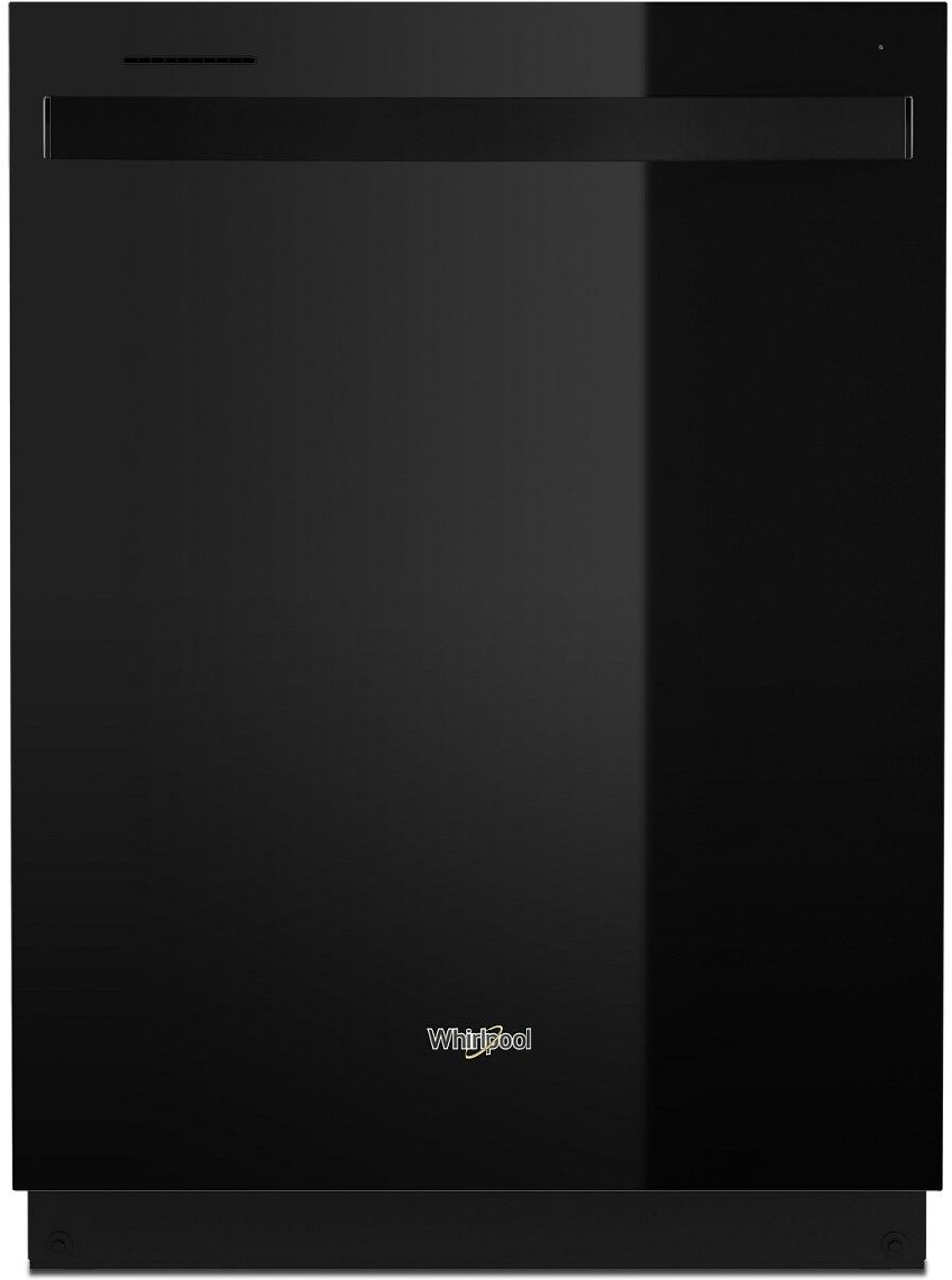
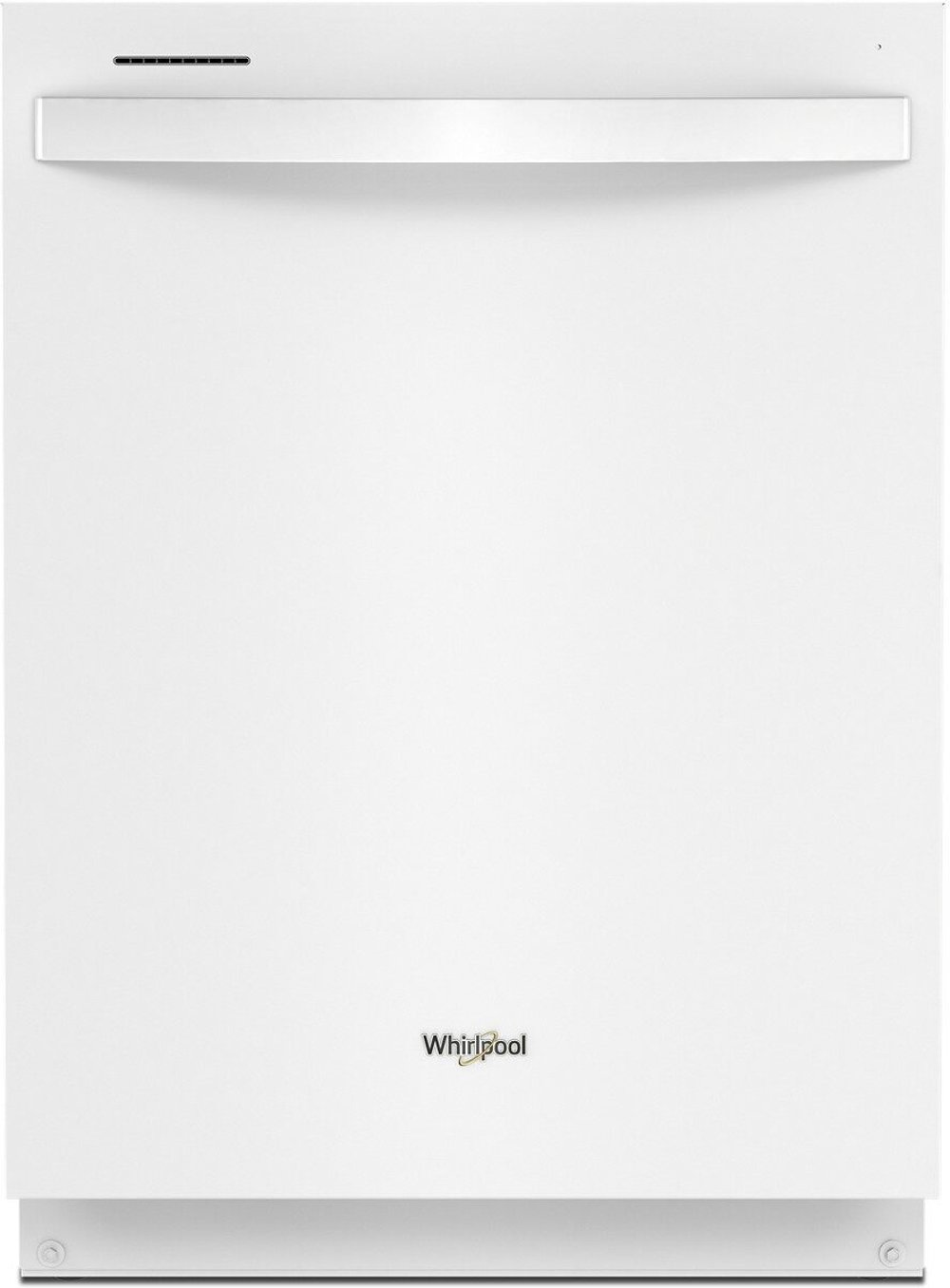
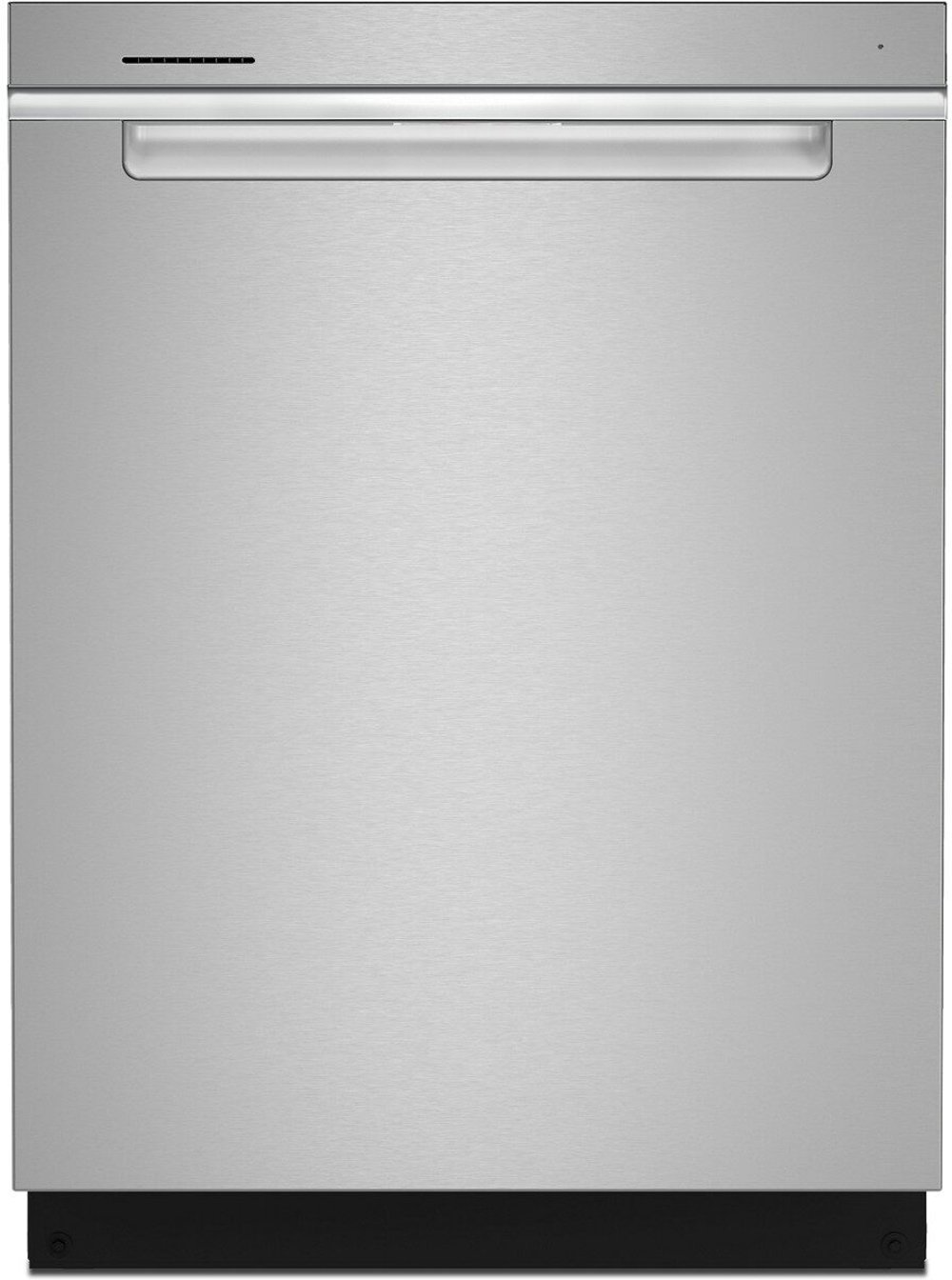
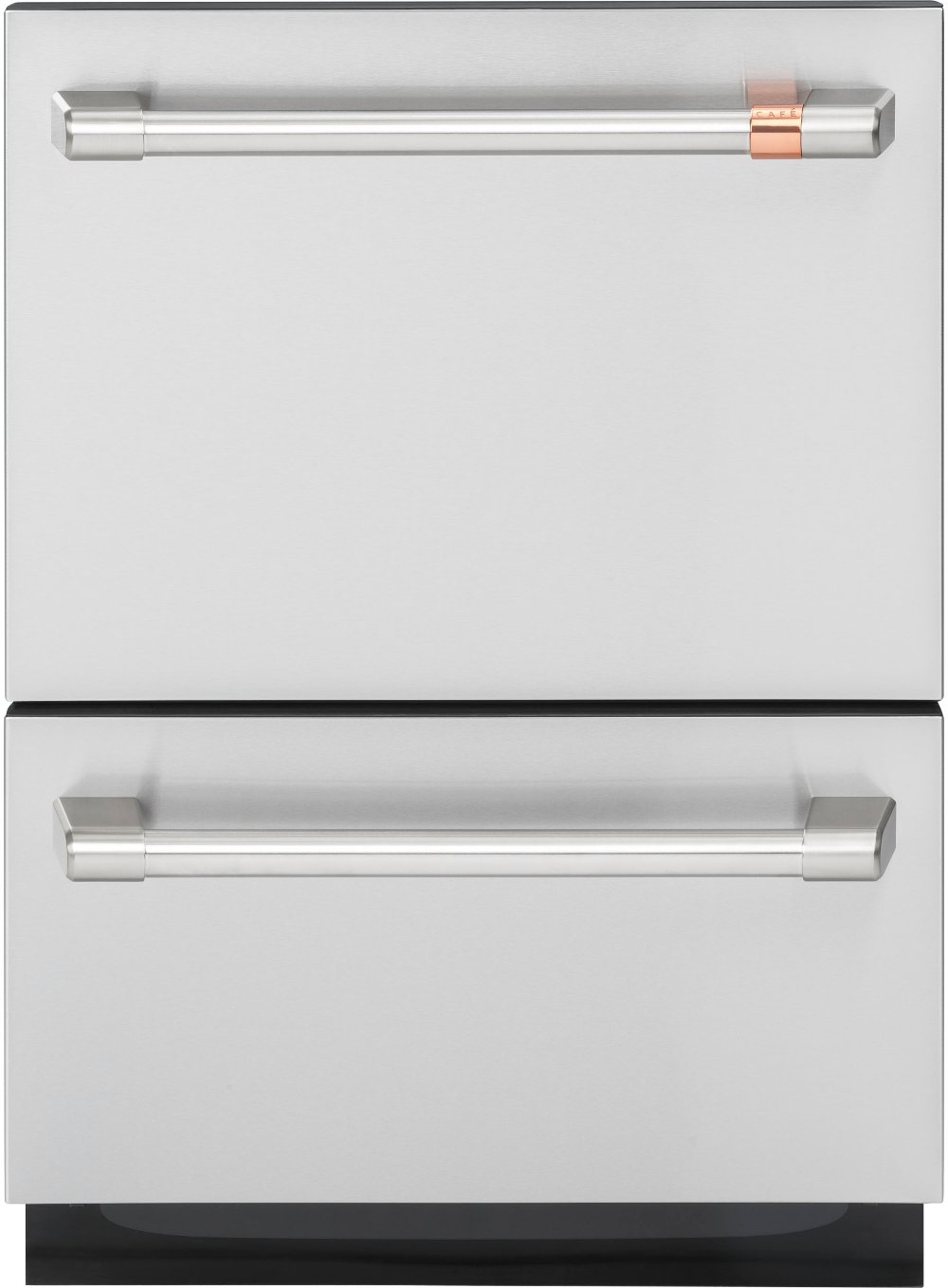
Quick wash dishwashers bring a shorter cleanup option to kitchens where the same plates, mugs, and glasses often need to do another round of duty. A quick wash dishwasher cycle is designed primarily for lightly soiled dishes with fresh food residue, and many cycles run for about 20 to 60 minutes, depending on the appliance and selected settings. Some take longer, especially when drying or other options are added, so the published cycle time deserves a close look. These dishwashers generally offer a quick setting alongside normal and heavier-duty programs, giving you flexibility rather than limiting every load to a short wash. Breakfast plates, coffee cups, and bowls emptied just before loading are good candidates; a casserole dish with baked-on cheese usually needs a longer, more intensive cycle. The shorter program reduces washing time through a different combination of water temperature, spray action, and wash stages, with the exact approach varying by model. That makes a dishwasher with quick wash especially useful when lunch dishes need to be ready for dinner or a small household wants to clear the sink before heading out. It can also help between rounds of casual entertaining, when serving utensils and dishwasher-safe glasses need a refresh. Keep in mind that “quick” doesn’t necessarily mean washed, fully dried, and ready for the cabinet within the advertised time. Some short cycles reduce or omit drying, and plastic containers may retain droplets even when ceramic plates feel dry. A quick cycle also isn’t automatically the lowest-energy or lowest-water choice. Total consumption depends on the dishwasher, the load, and the options used; longer efficiency-focused cycles may use fewer resources. For everyday shopping comparisons, the most useful details are the stated wash time, recommended soil level, included drying stage, and compatible options. Together, those details give a clearer picture of how the fast setting will fit your routine than the cycle name alone.
The right fit matters just as much as a shorter cycle, particularly when replacing a built-in dishwasher in an existing kitchen. Many full-size built-in dishwashers are designed for an opening about 24 inches wide, while compact versions often suit narrower spaces, but the appliance’s installation requirements should always guide the measurements. Check the opening’s width, height, and depth, along with the space needed for the door to lower fully. A nearby drawer pull, an island, or a tight corner can affect how comfortably you load and unload. Flooring added after the old dishwasher was installed can also reduce clearance beneath the countertop. Water supply, drain routing, and electrical connections need to match the installation specifications, making professional installation a practical consideration when the setup needs attention. Inside the dishwasher, usable rack space can matter more than a large capacity claim. Adjustable upper racks help accommodate taller glasses or make room below for dinner plates, while folding tines create flexibility for mixing bowls and dishwasher-safe cookware. A third rack can separate flatware and small utensils, although its design may affect the clearance for tall items beneath it. Think about the dishes that actually fill your sink: deep cereal bowls, wide pasta plates, reusable lunch containers, or mugs with substantial handles. They should sit securely without nesting together or blocking spray arms. Tub materials deserve attention, too. Stainless steel tubs generally resist staining and retain heat that can support drying, while plastic tubs offer a different construction choice and may make discoloration more noticeable over time. Neither material alone guarantees cleaning performance or quiet operation. Published sound ratings, insulation, rack construction, and drying features help complete the comparison. In an open kitchen near a living room or home office, a lower decibel rating may be especially welcome. Exterior finishes and handle styles should also suit daily use, whether that means a surface that helps minimize visible fingerprints or controls positioned where they’re easy to read.
Consistent results from a quick wash setting depend on sensible loading and regular care, not just a shorter timer. Scrape larger food scraps into the trash or compost before loading, then follow the dishwasher’s instructions on whether any additional preparation is needed. Routine prerinsing often isn’t necessary, but food that has dried onto a plate may call for a normal cycle rather than a fast one. Leave space between bowls, angle cups and containers so water can drain, and make sure tall utensils don’t interfere with the spray arms. Detergent should be formulated for automatic dishwashers and used according to the appliance and detergent directions; adding extra doesn’t compensate for an overloaded rack or the wrong cycle. Rinse aid can help water sheet off surfaces and improve drying, particularly where spots are a frequent frustration. Hard water may require adjustments to detergent or rinse aid settings, and mineral buildup should be addressed using the manufacturer’s recommended cleaning method. Clean a removable filter as directed, check spray openings for trapped debris, and wipe door edges and seals to keep residue from accumulating. These habits support dependable operation and help preserve cleaning performance over time. For households with children, frequent guests, or several people sharing a kitchen, useful companion features may include adjustable racks, a cycle-status display, and controls that clearly distinguish a quick wash from a rinse-only program. A rinse-only setting doesn’t replace a detergent wash, and a quick wash shouldn’t be assumed to sanitize dishes unless the appliance specifically supports that function on the selected cycle. Delicate glassware, insulated drinkware, wood utensils, and other special-care pieces still need their own manufacturer’s care instructions checked before loading. If shorter appliance cycles also suit your laundry routine, Washing Machines With Quick Wash Cycles offer a related option for handling suitable smaller, lightly soiled clothing loads. In the kitchen, the best match balances a useful fast cycle with the capacity, drying performance, and everyday programs your household needs, keeping cleanup flexible from a quiet breakfast to a full dinner table.
Read More