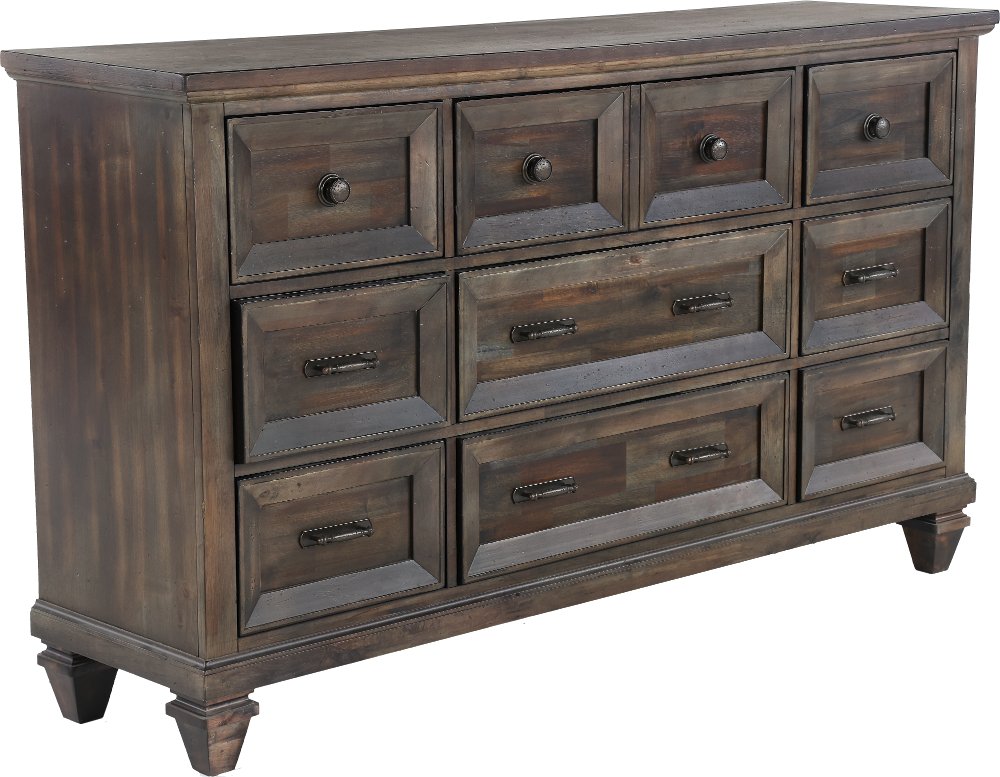
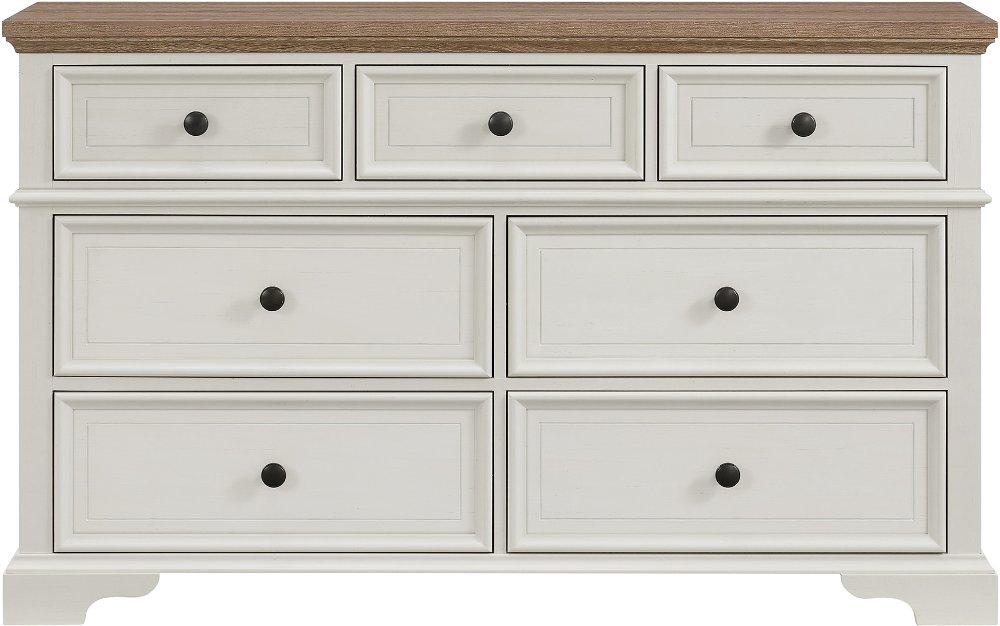
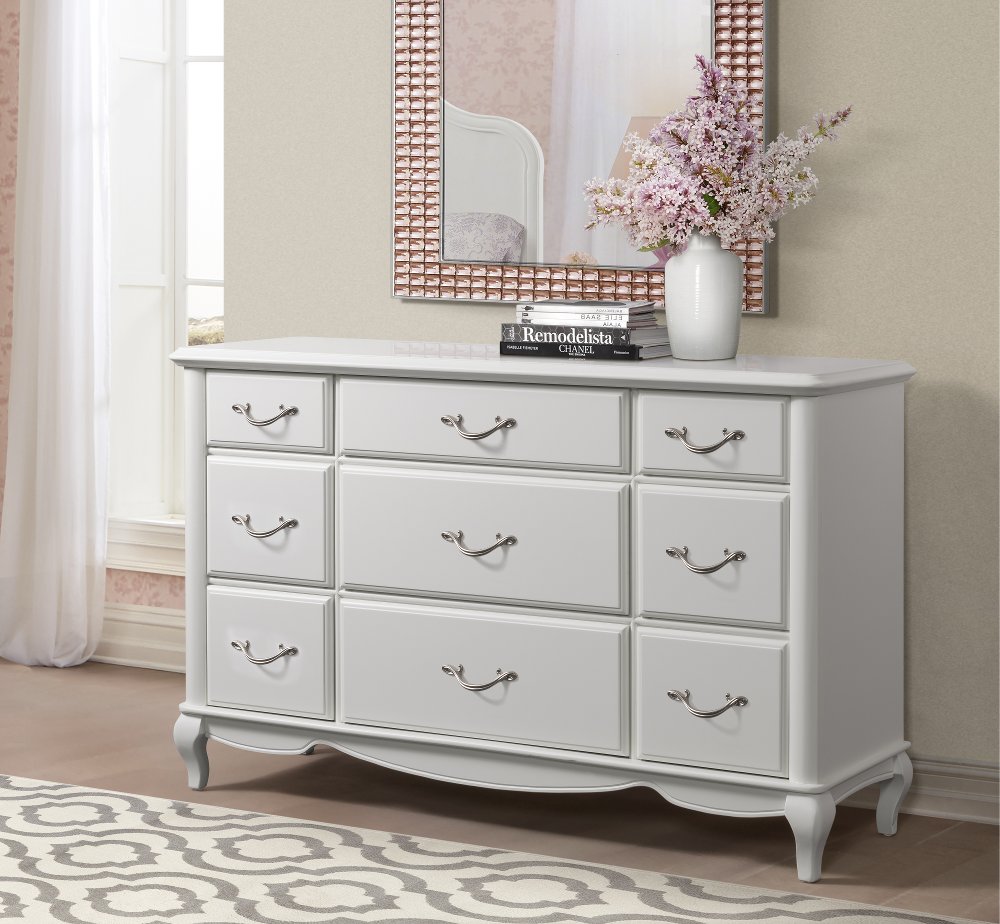
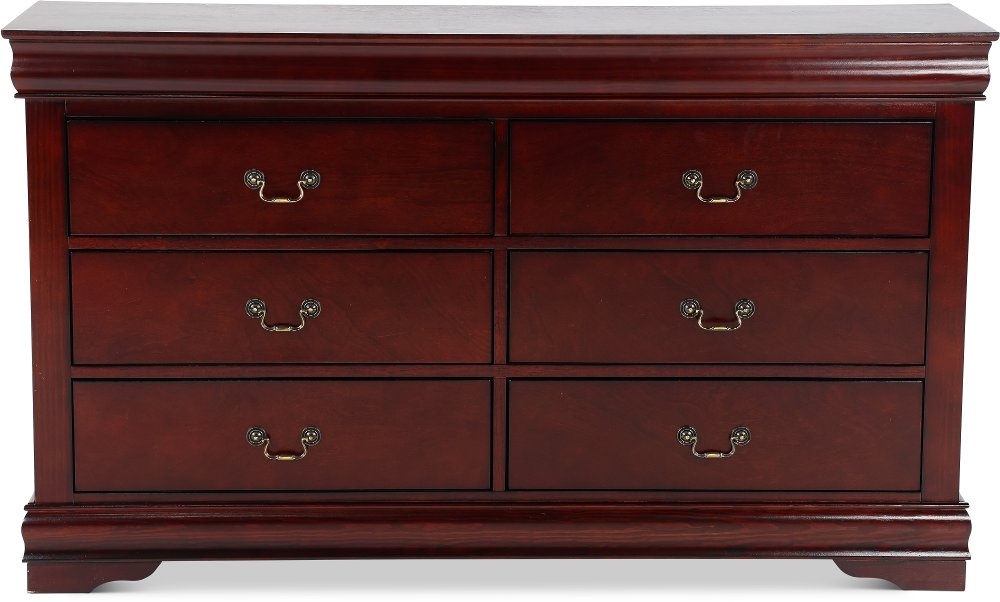
Drawer guides are the tracks and supporting parts that keep drawers aligned as they open and close. Also called drawer slides or drawer glides, they help a drawer move smoothly while supporting the drawer box and its contents. Their design affects how far a drawer opens, how steadily it holds a load, and how it feels during everyday use. A dresser drawer filled with folded shirts has different demands than a deep storage drawer holding cookware or a desk drawer packed with files. Side-mount drawer slides attach to both sides of the drawer box and the inside of the cabinet or furniture frame. They’re visible when the drawer opens and commonly use ball bearings or rollers to support movement. Center-mount drawer guides run beneath the middle of the drawer, often along a single wooden or metal track. This arrangement appears in many traditional furniture designs, although its load capacity and operation depend on the particular hardware and construction. Undermount drawer slides sit beneath the drawer box, keeping the hardware largely out of view when the drawer is open. They offer a clean appearance, but they require compatible drawer dimensions and attachment details. Small replacement drawer guides, including plastic or nylon brackets and guide blocks, serve a different role from a complete slide assembly. They may help a drawer follow an existing track or keep it from shifting sideways. A cracked guide can cause a drawer to wobble even when the main track remains usable, so matching the damaged component matters more than choosing something that simply looks similar. Whether you’re refreshing a familiar nightstand, repairing a chest of drawers, or planning built-in storage, the right drawer hardware starts with the way the furniture is built. Mounting position, track shape, and drawer clearance all help determine which type will work.
Materials and construction make a noticeable difference in daily performance. Metal drawer guides commonly use steel tracks, with finishes that help protect the surface from corrosion under appropriate indoor conditions. Ball-bearing slides use bearings between track sections to support controlled movement, while roller slides typically use wheels that travel along formed tracks. Neither mechanism alone tells the whole story about strength: the stated load rating, slide length, mounting orientation, and quality of installation all matter. For a closer look at this hardware category, explore metal drawer glides, keeping the intended drawer size and use in mind. Wooden drawer runners rely on fitted surfaces rather than metal bearings and are often part of the furniture’s original construction. They can provide long service with appropriate care, though wear and changes in indoor humidity may affect movement. Nylon and plastic guide components provide a sliding or stabilizing surface in compatible track systems; their dimensions and profile must match the parts they replace. Fit is especially important because drawer slides aren’t universally interchangeable. Useful measurements include the existing slide length, the drawer box depth, the cabinet’s usable interior depth, and the space between the drawer and its opening. Side-mount hardware needs the specified clearance on each side, while undermount systems can require particular drawer bottom recesses, notches, holes, or locking devices. A center-mounted guide needs a suitable attachment point and alignment with the drawer’s existing track. Face-frame cabinets may also require brackets or blocking that differ from the setup in frameless cabinets. For replacements, matching the mounting style and checking the manufacturer’s dimensions helps avoid a drawer that binds, sits crooked, or won’t close fully. Screw positions deserve attention, too, particularly in older furniture with worn mounting holes. Secure attachment to sound material is essential; stronger slides alone won’t correct a weakened drawer box or damaged cabinet frame.
The best features are the ones that make your storage easier to use. Full-extension drawer slides bring most or all of the drawer’s usable depth beyond the cabinet opening, making it easier to reach a serving utensil at the back or read a file label without rummaging. Partial-extension slides leave some of the drawer inside the cabinet, which may suit shallow storage or furniture designed around that travel distance. Overtravel slides extend farther than full-extension designs and can help with access where an overhanging surface gets in the way, provided the installation allows for that movement. Soft-close mechanisms slow the final portion of closing, helping reduce slamming; self-closing designs pull a drawer shut near the end of its travel but don’t necessarily cushion the motion. Push-to-open hardware can support a handle-free look, though compatibility with other closing features varies. Load ratings should cover the drawer box plus its contents under the manufacturer’s stated conditions, rather than just the objects stored inside. A drawer used for heavy dishes needs more consideration than one holding stationery, and household drawer hardware shouldn’t be assumed suitable for workshop or commercial loads. For families, smooth operation makes everyday routines easier, but soft-close features aren’t a substitute for child-safety measures or proper furniture anchoring. Homeowners, furniture restorers, and experienced DIYers can all benefit from hardware that matches both the construction and the task. Care is usually straightforward: keep tracks clear of crumbs, dust, and loose objects, and check for loose fasteners if movement becomes uneven. Use only manufacturer-recommended cleaners or lubricants, since some slide assemblies have factory-applied lubrication and others need different treatment. Forcing a sticking drawer can damage guides or mounting points; persistent scraping or sagging calls for a closer look at alignment, wear, and the drawer itself. Well-matched drawer guides help storage feel dependable, whether you’re reaching for socks before work or putting away the last clean dish. Paying attention to fit, support, and access gives the furniture you use every day a smoother, more comfortable feel.
Read More