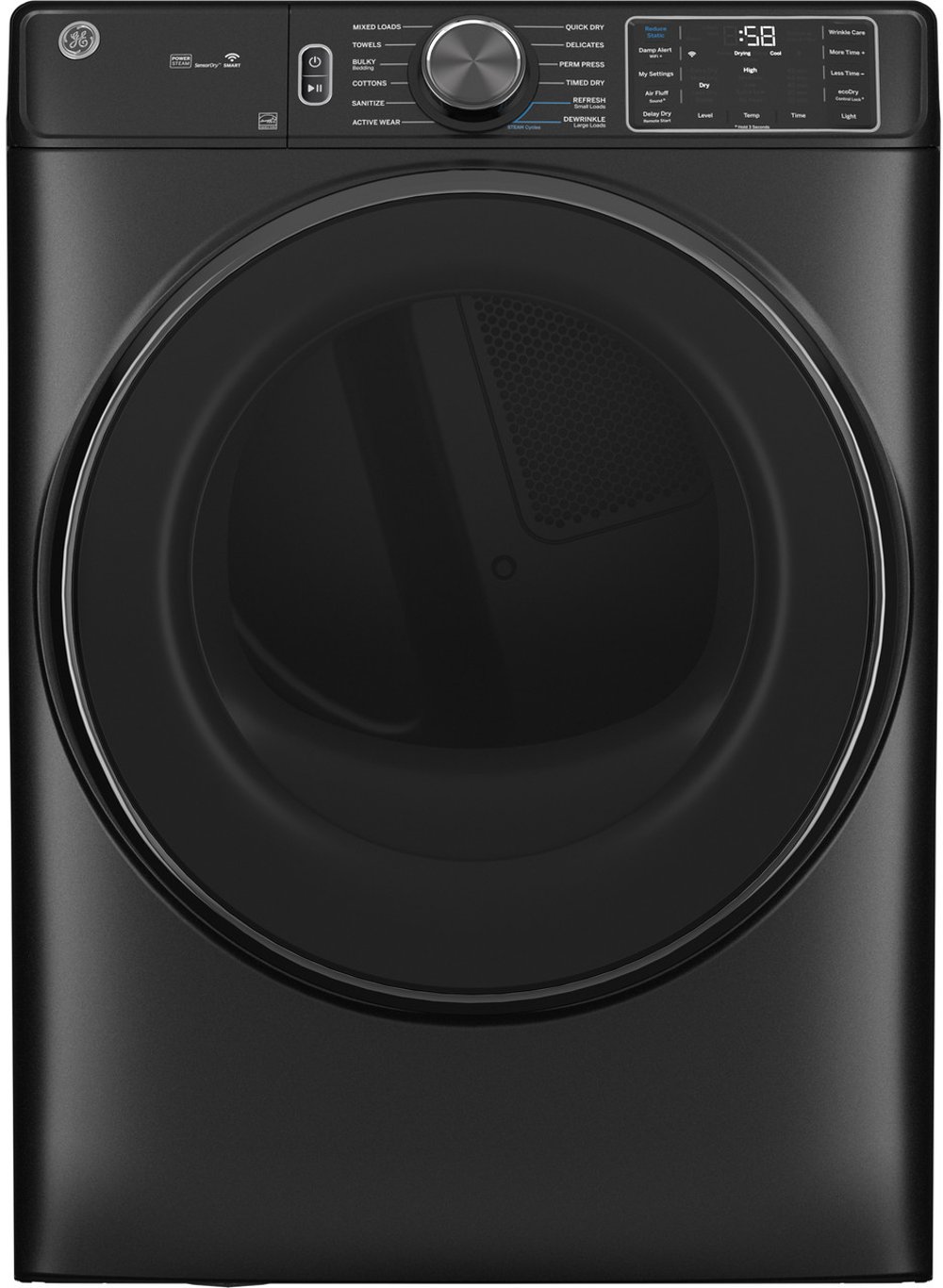
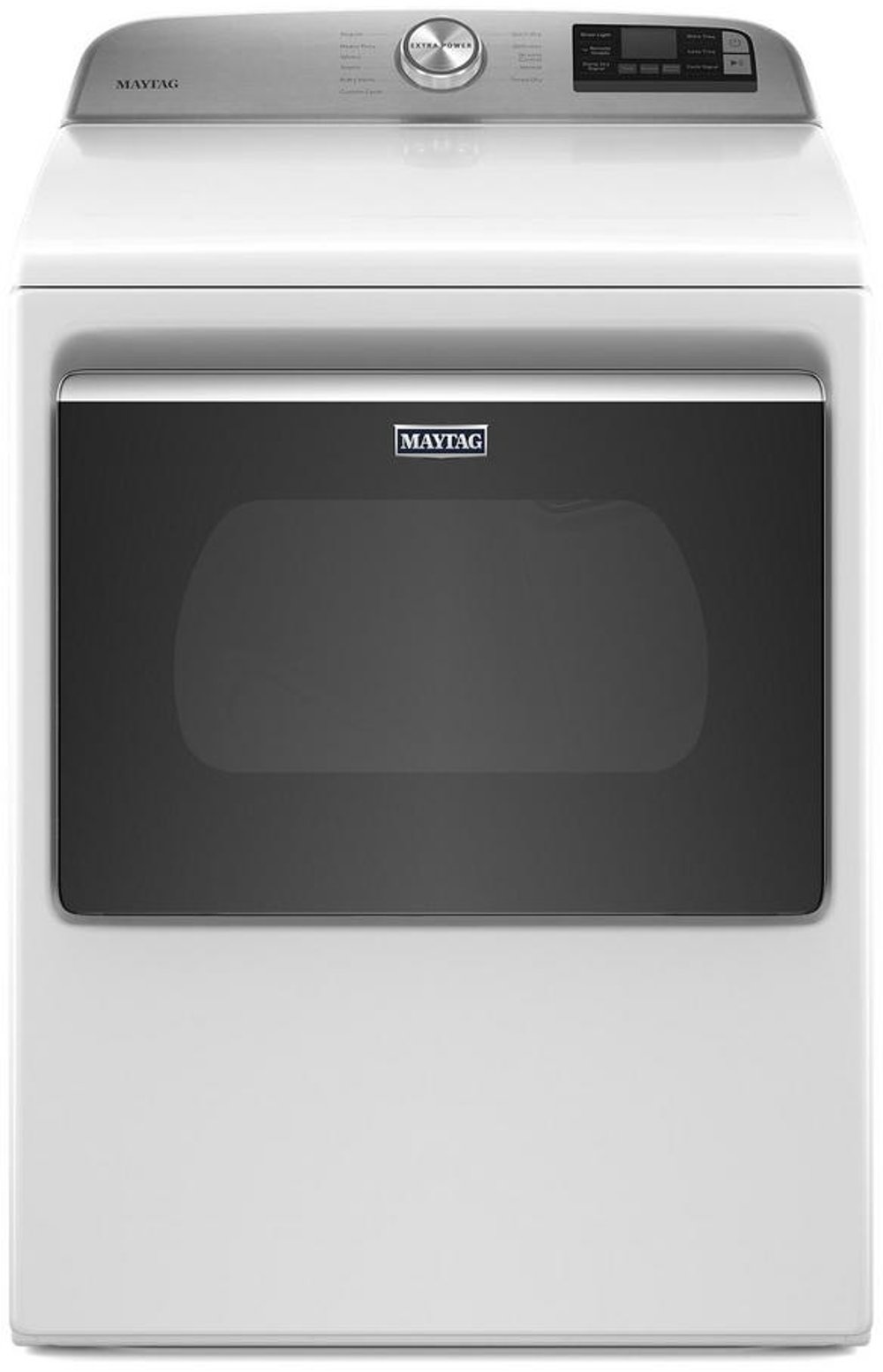
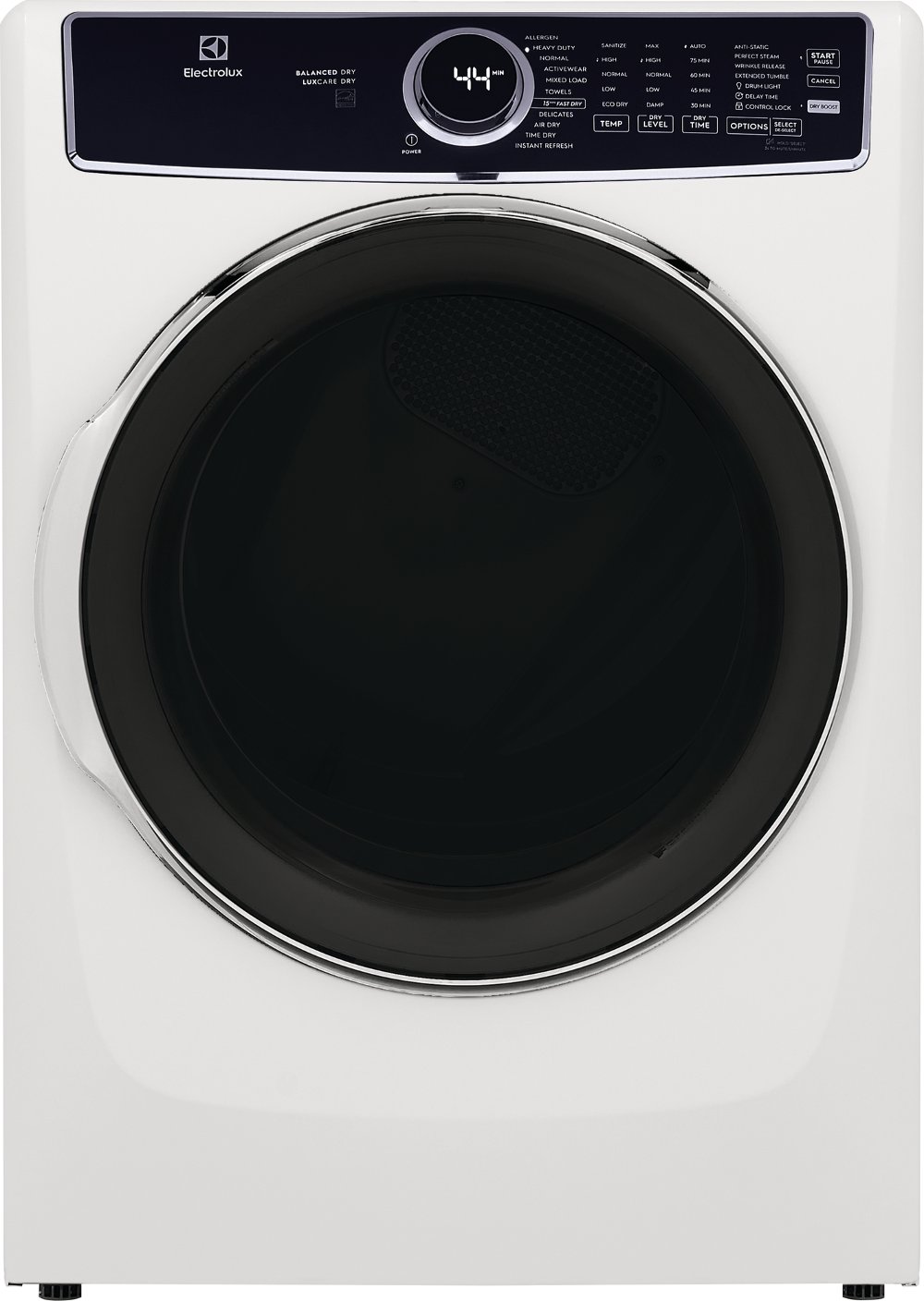
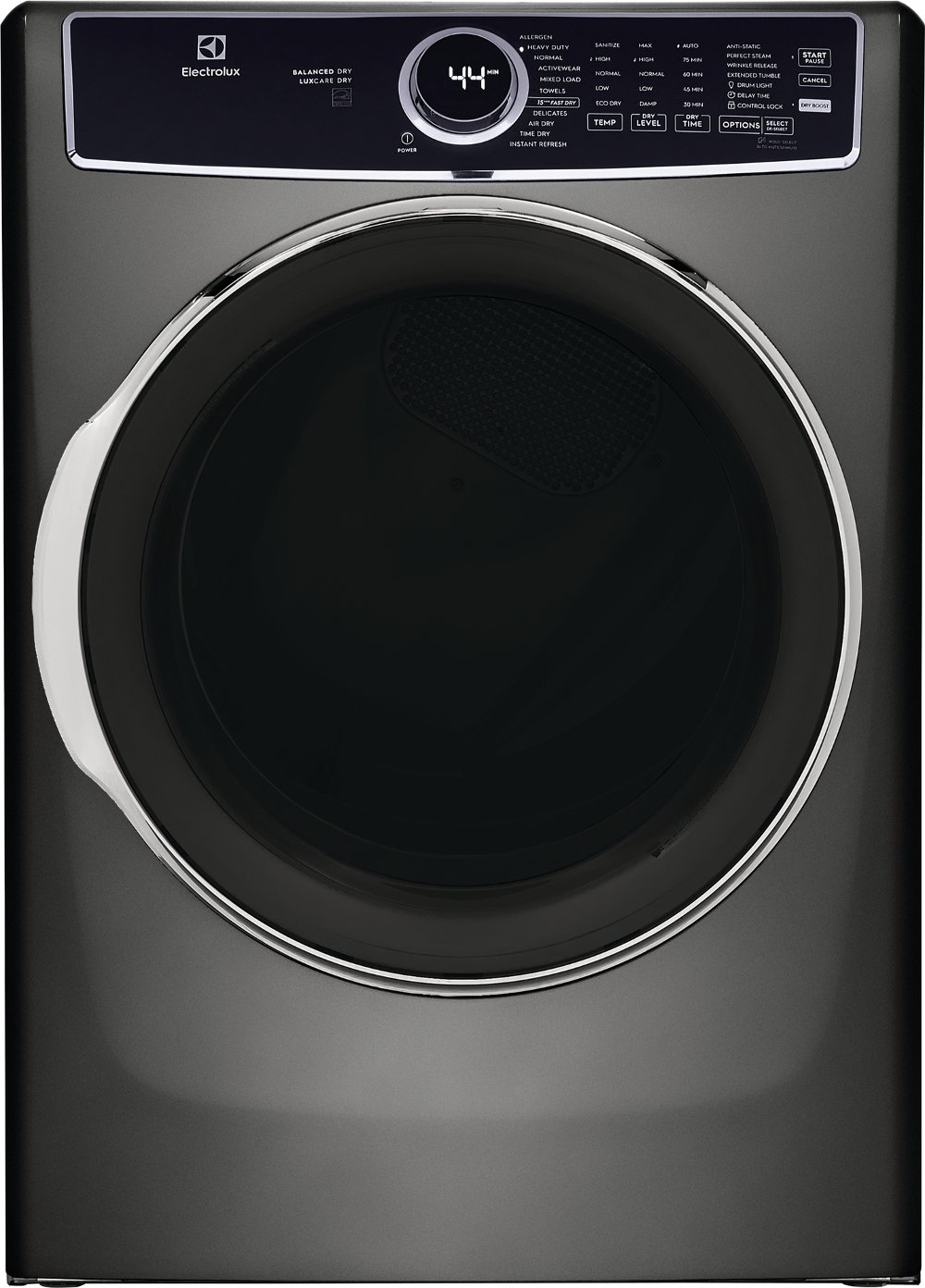
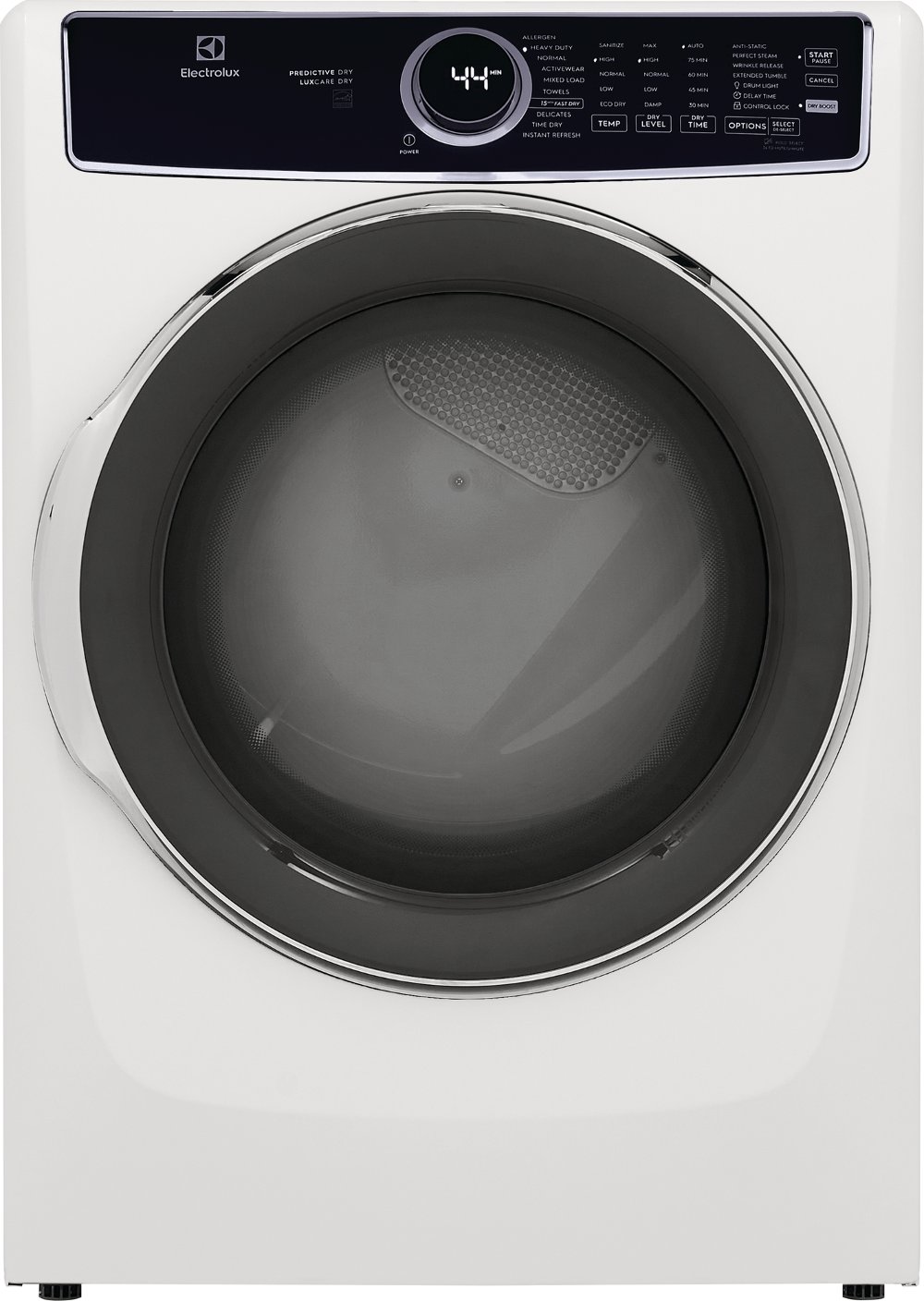
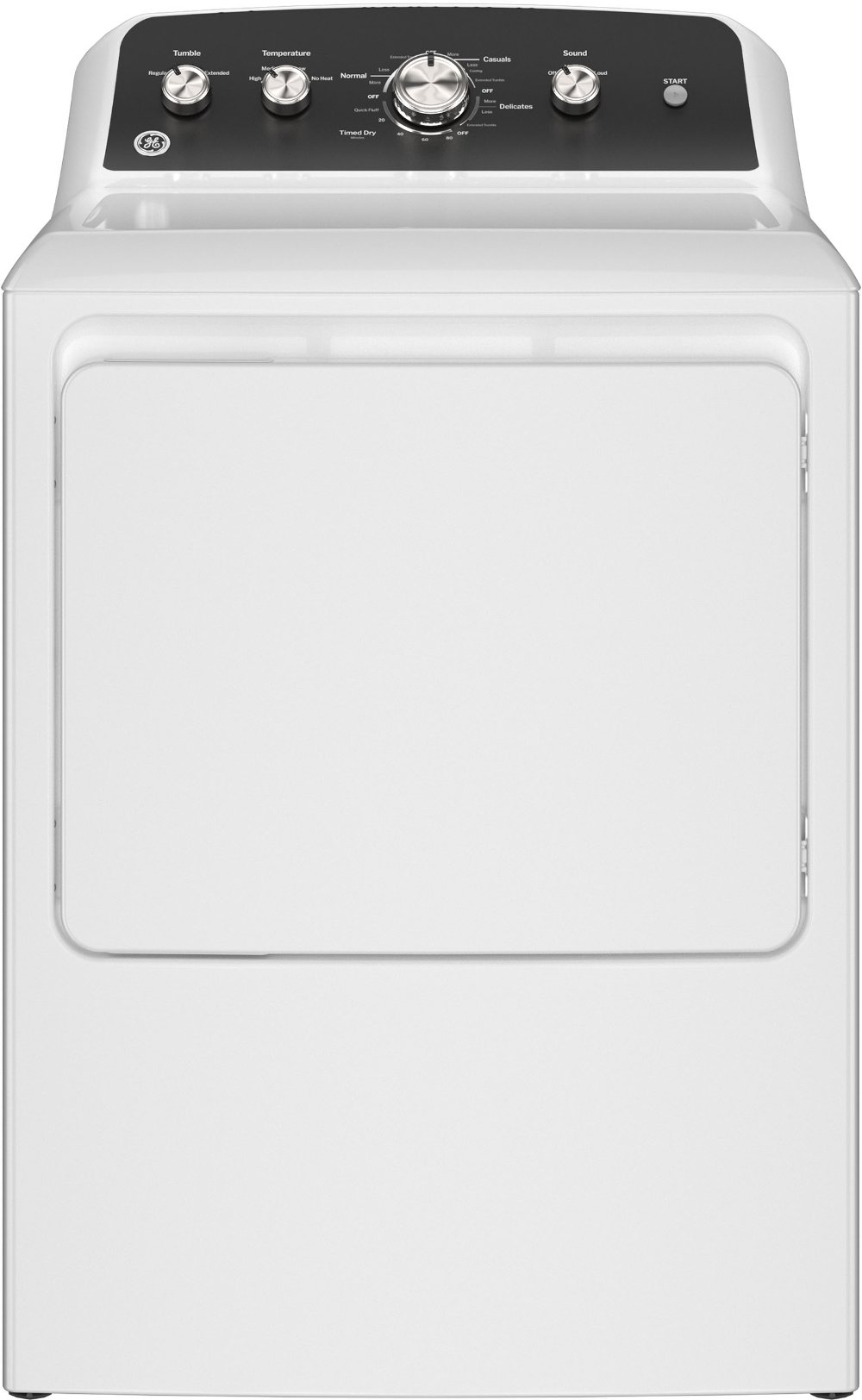
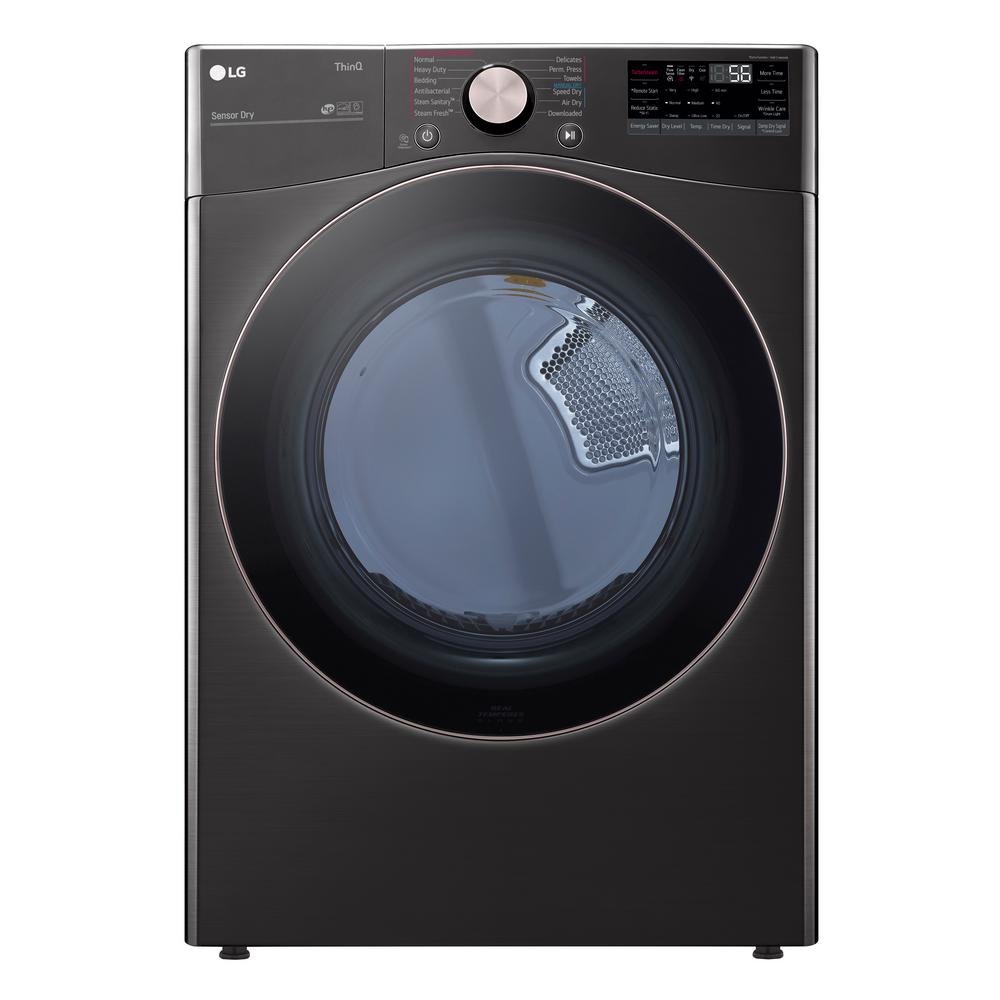
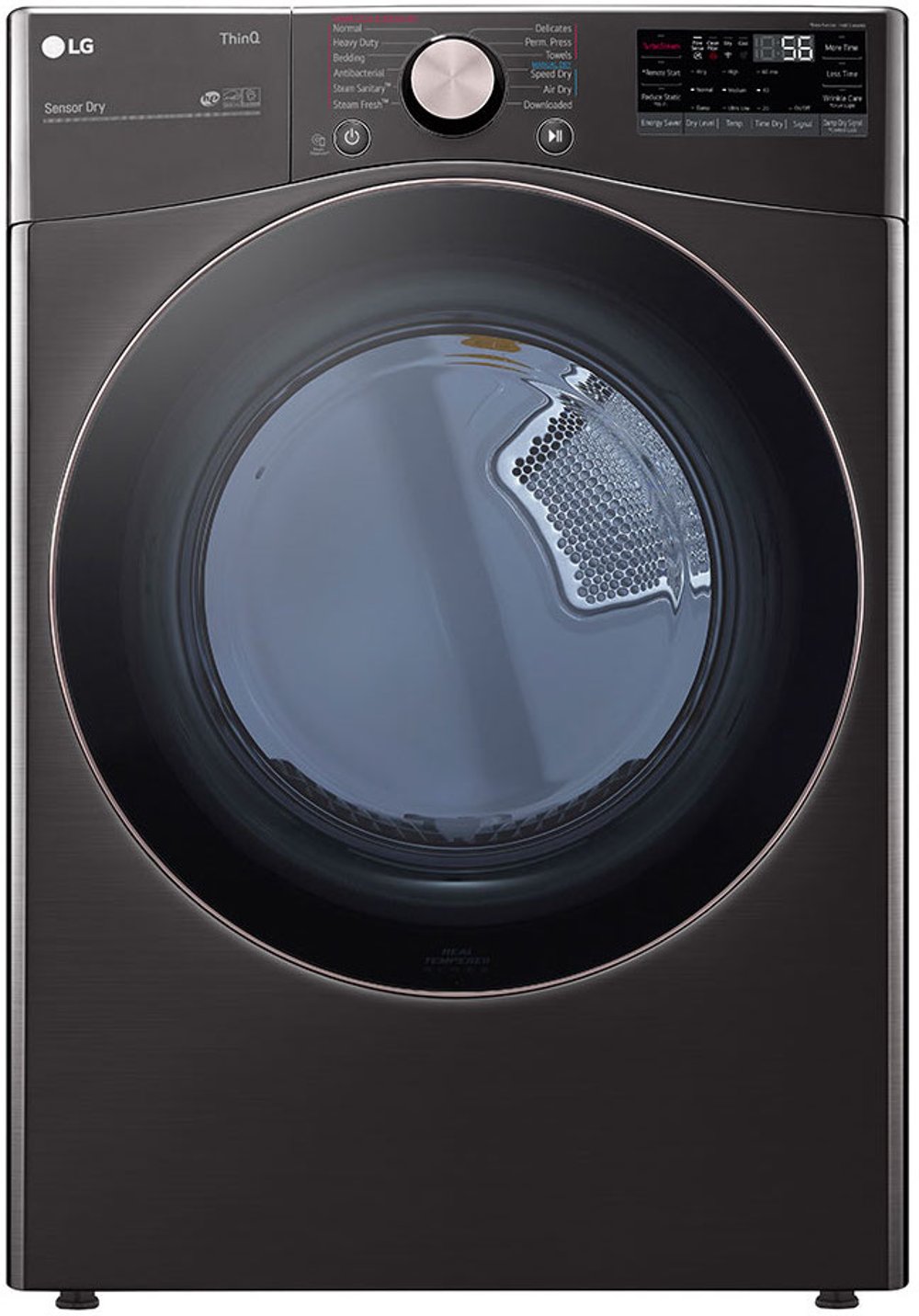
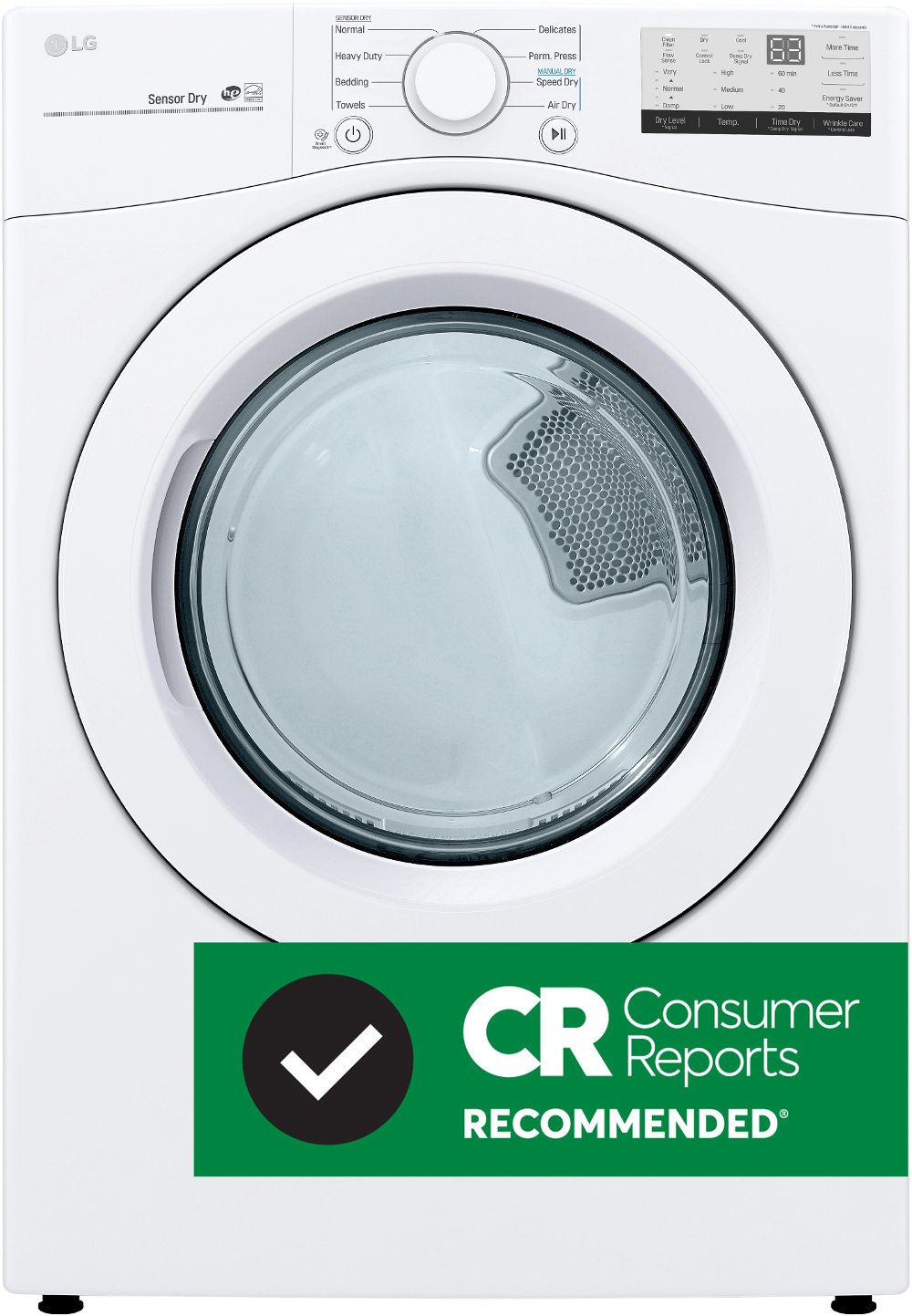
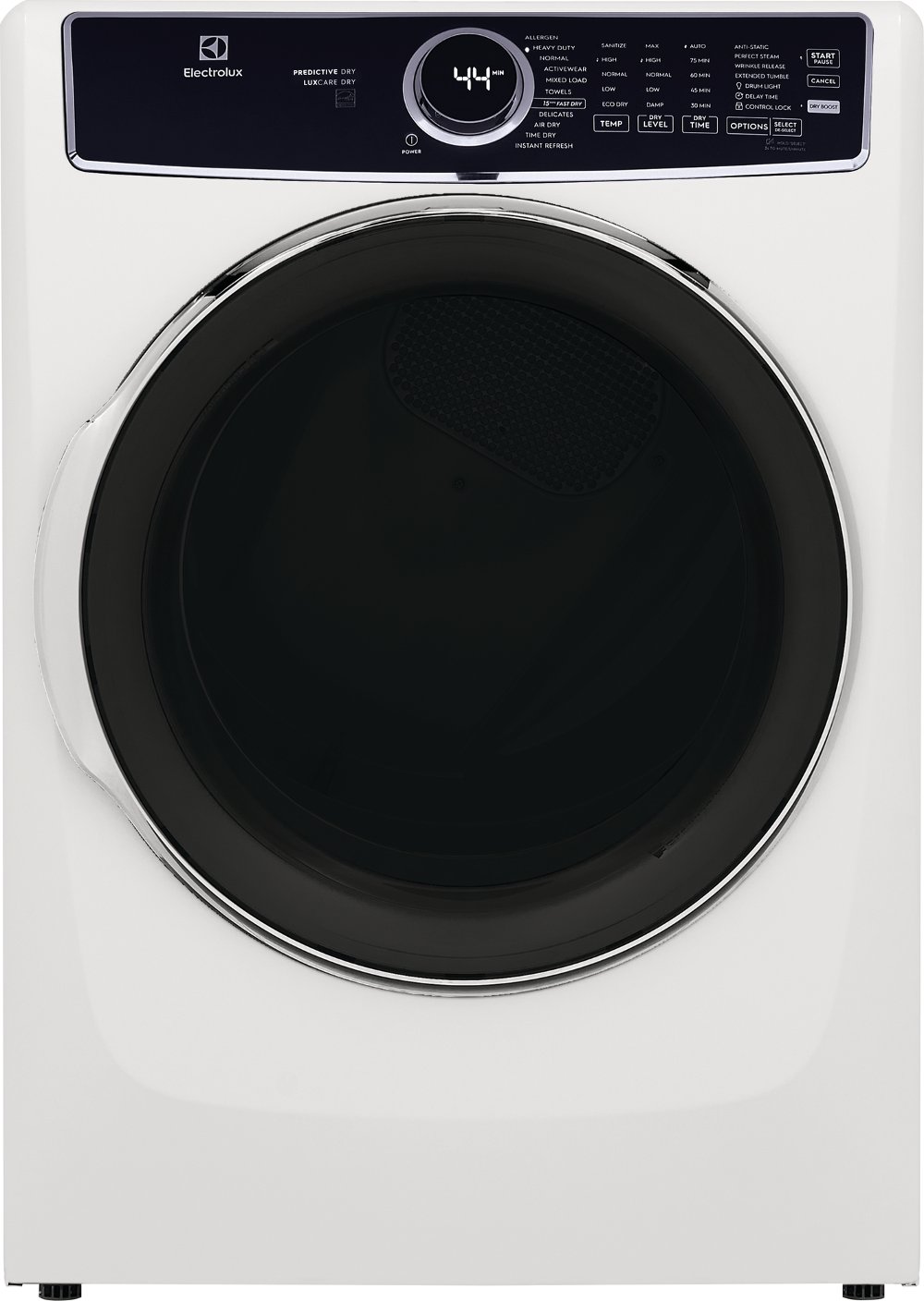
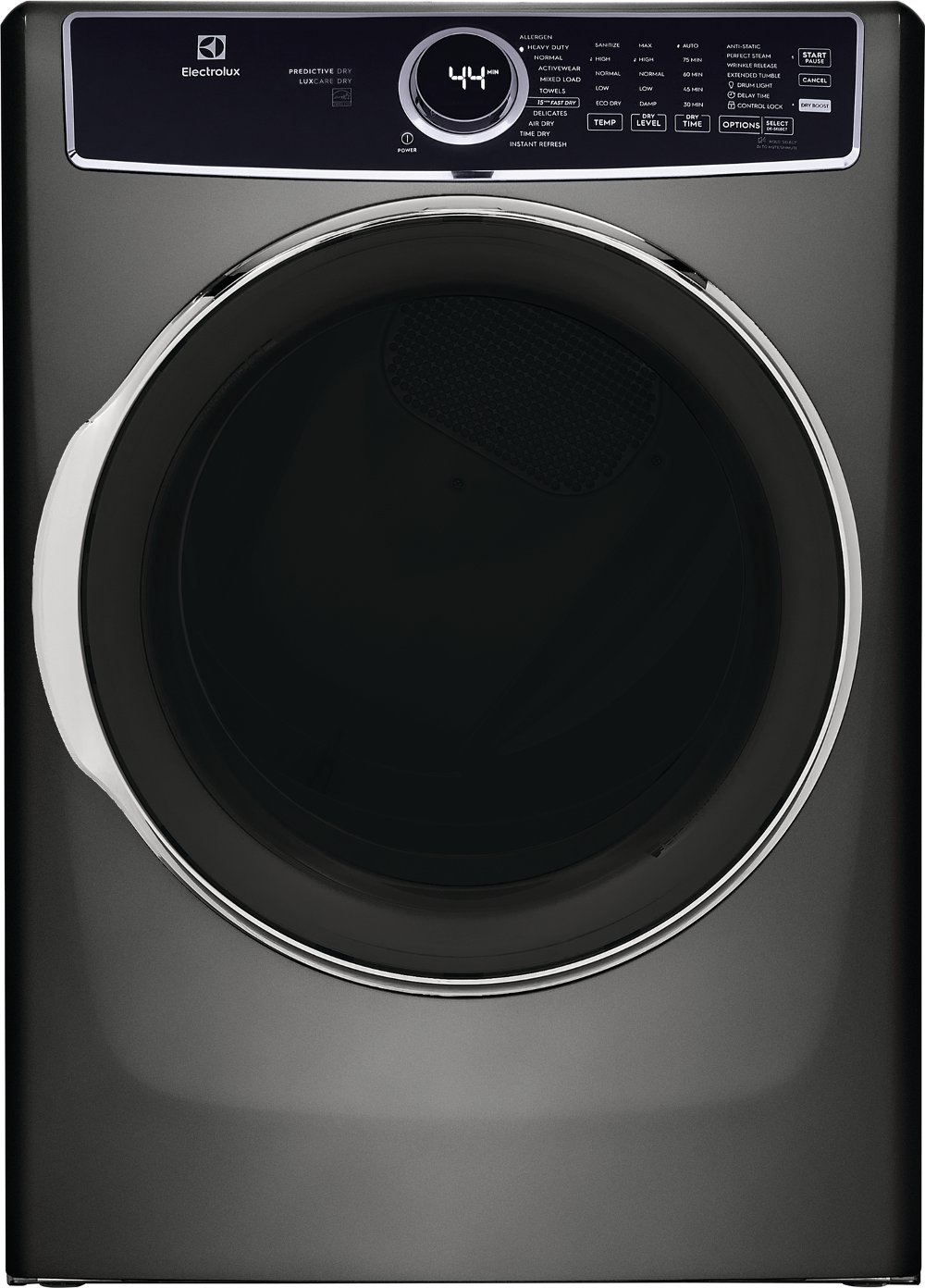
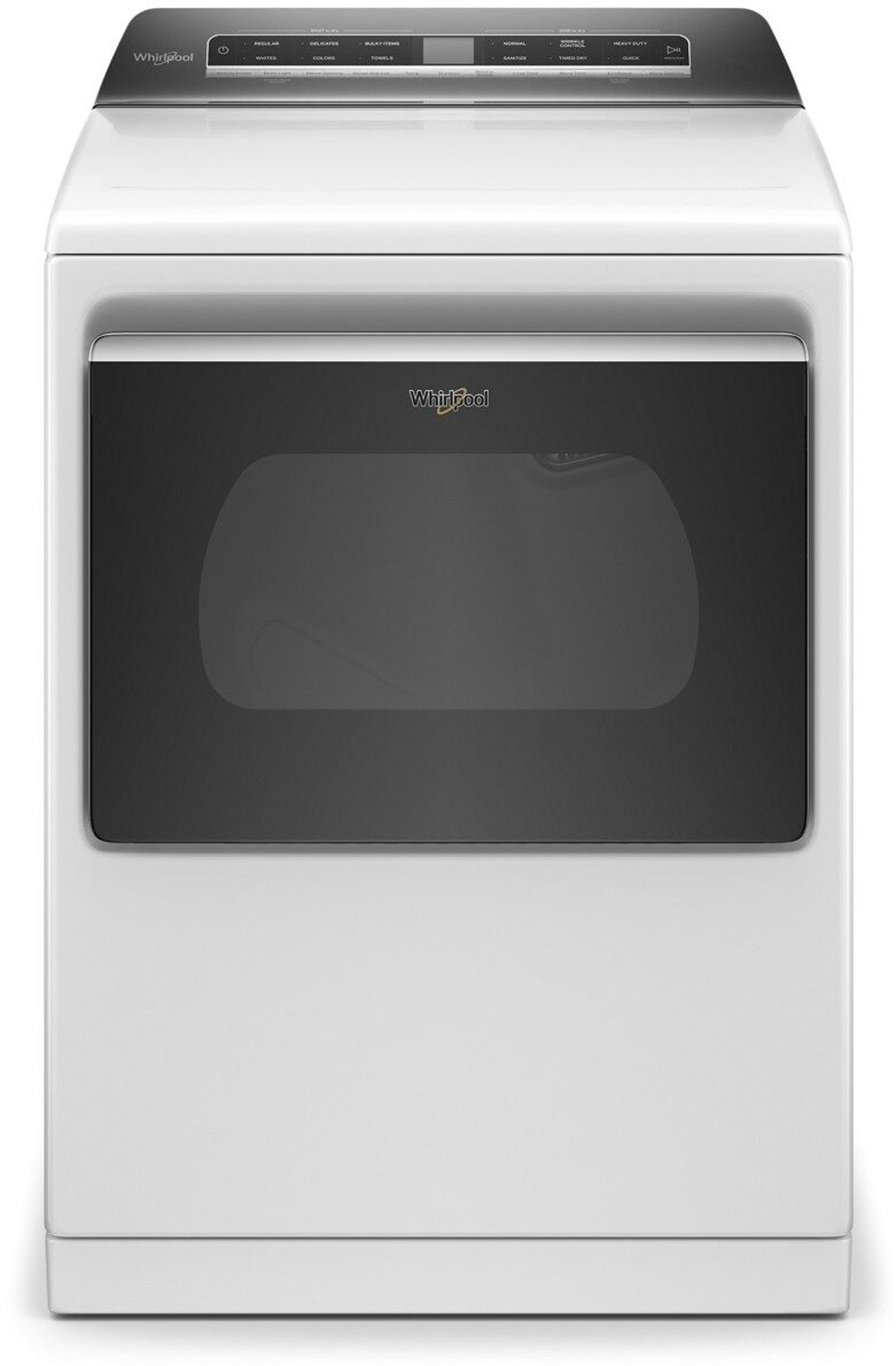
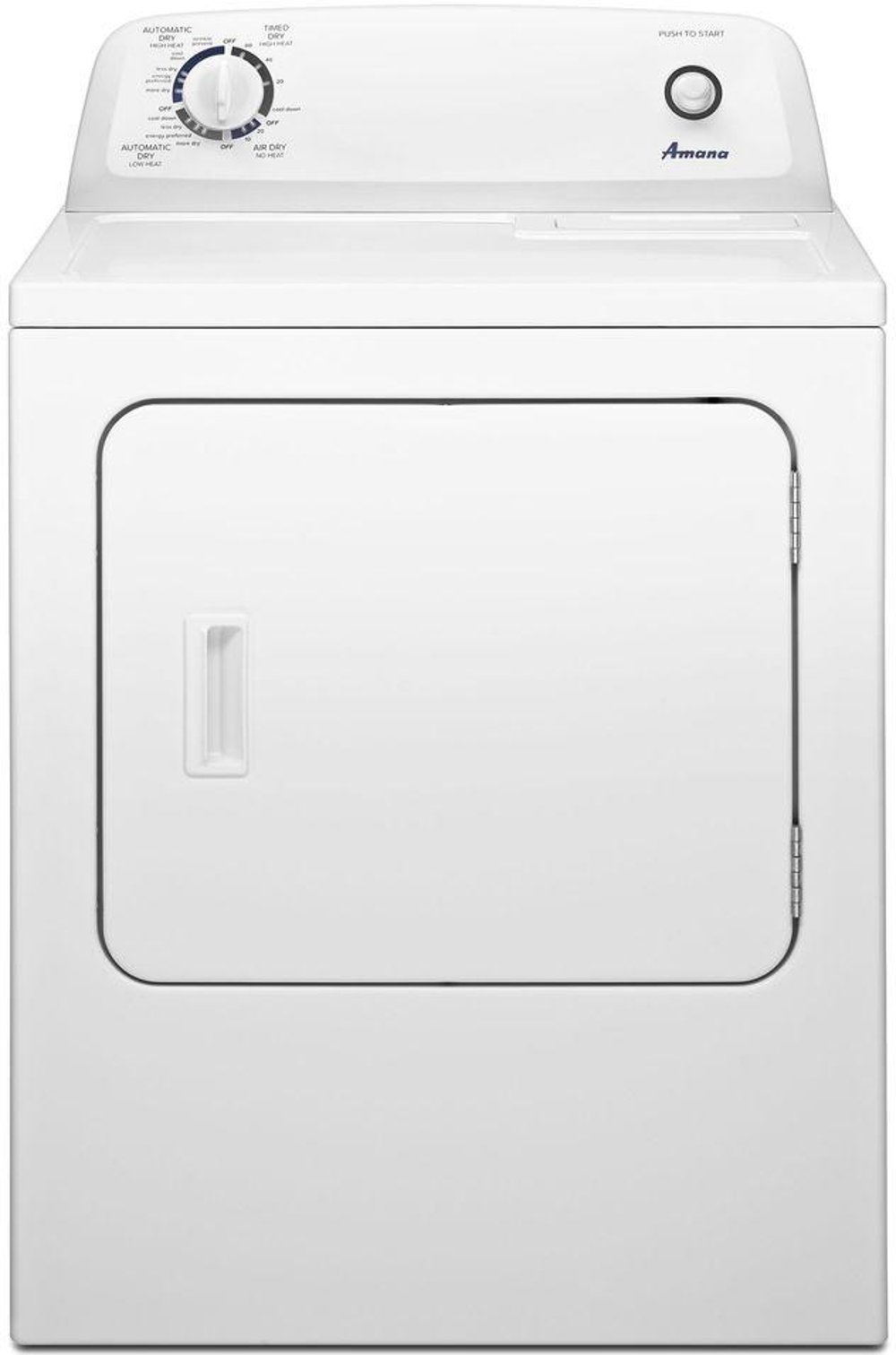
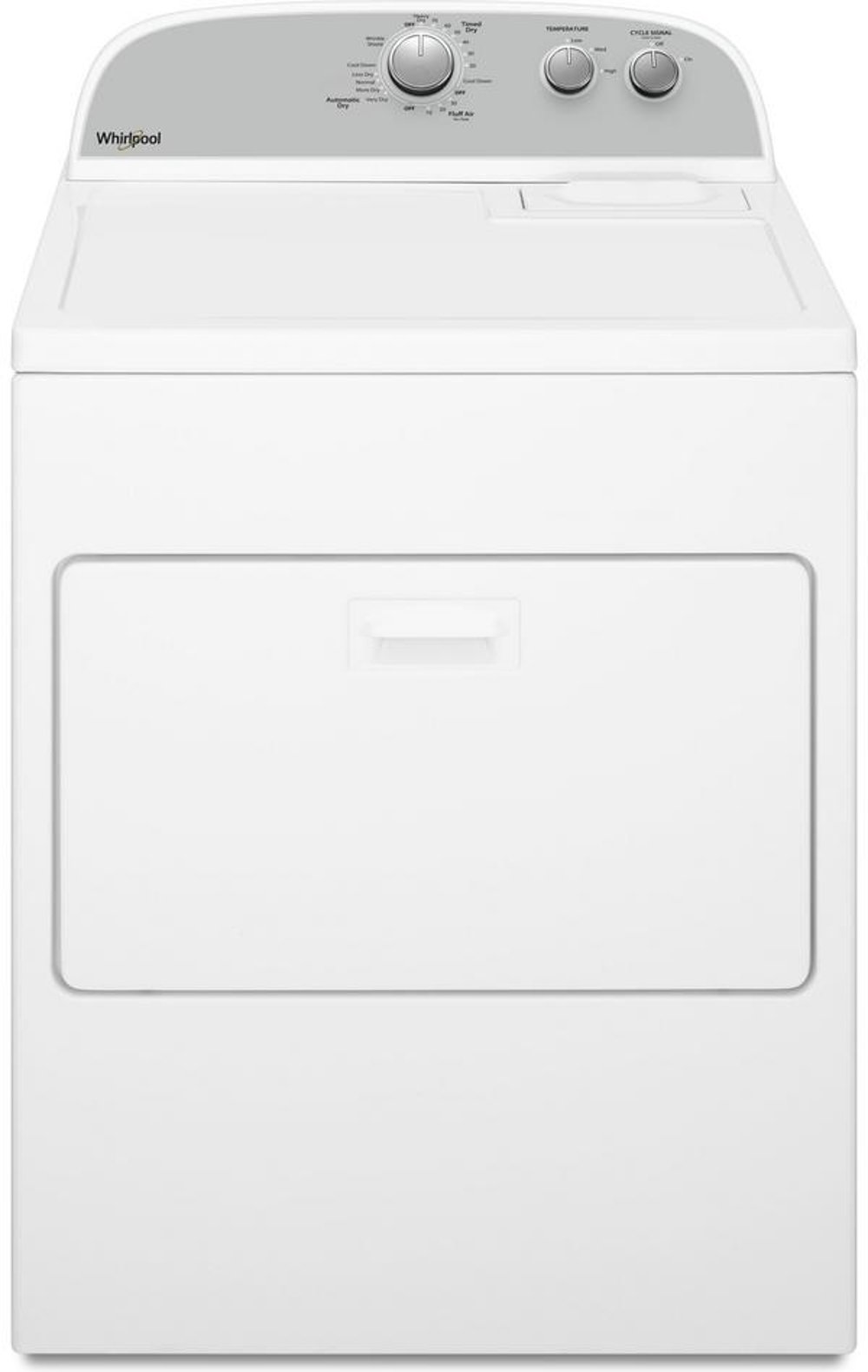
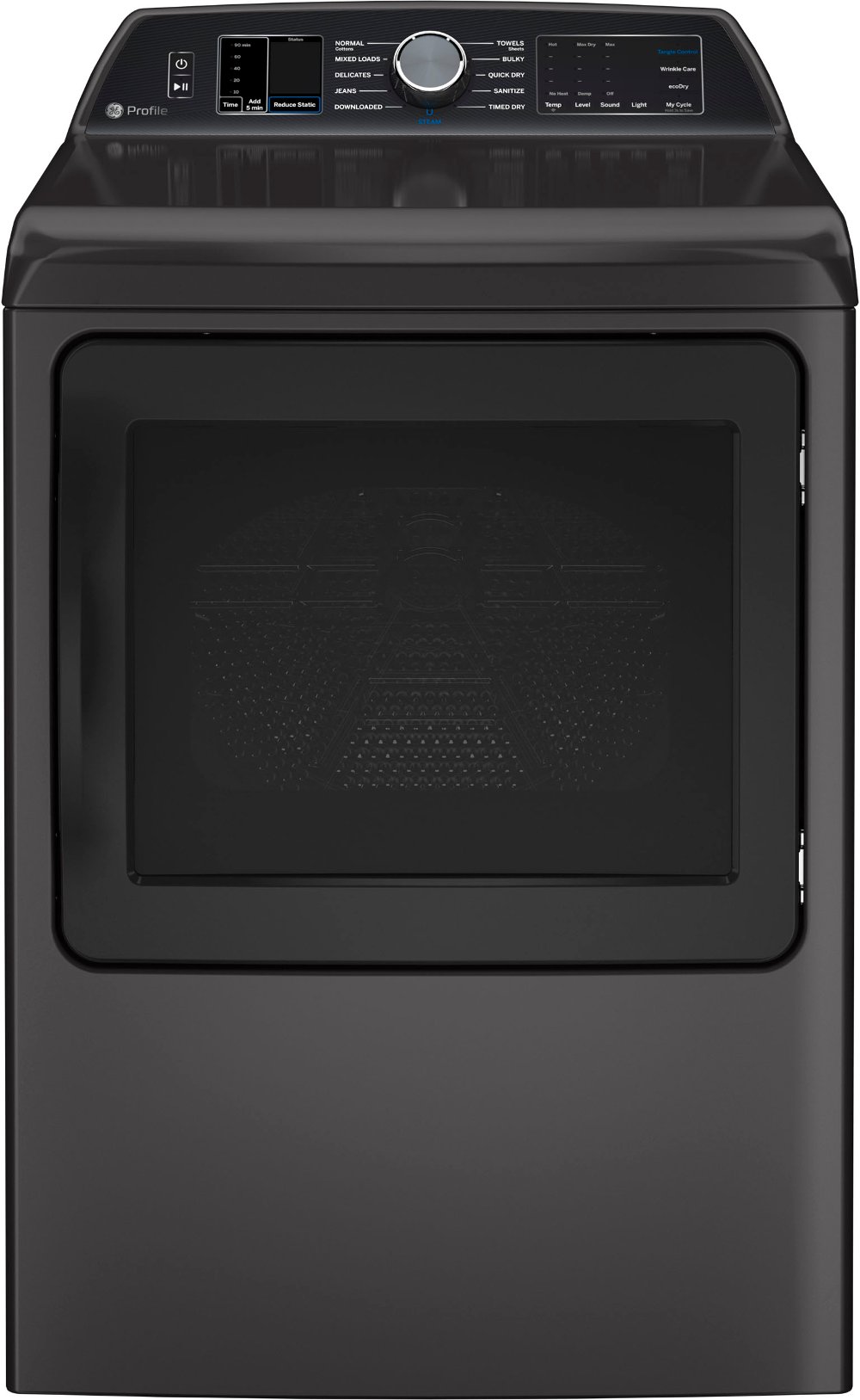
Efficient dryers help make laundry feel less like a recurring chore and more like a smooth part of the household rhythm. They’re designed to use energy thoughtfully while still delivering the warm, ready-to-fold results you want from a modern laundry appliance. Many efficient models use moisture sensors to measure how damp the load remains and end the cycle when clothing reaches the selected dryness level. That automatic adjustment can help prevent over-drying, reduce unnecessary electricity use, and protect fabrics from the repeated high heat that can leave towels stiff and favorite shirts worn sooner than expected. Heat pump dryers take efficiency a step further by recycling warm air through the drum rather than continuously sending heated air outside. Because they operate at lower temperatures, they can be especially helpful for households that regularly wash athletic clothing, children’s garments, delicate fabrics, or bedding with care instructions that favor gentler heat. Depending on the model and how it’s used, advanced energy-saving technology can reduce electricity consumption substantially compared with a standard dryer, with some heat pump models using up to 70% less energy. Look for an ENERGY STAR® rating or other verified efficiency information when comparing options, and consider the cycles you’ll use most. Sensor dry, low-heat, air-only, wrinkle-reducing, and quick-dry settings each serve a different purpose, whether you’re freshening a jacket before heading out during the cooler months or drying a full basket of sheets after a busy laundry day.
The right efficient dryer starts with your laundry space as much as your laundry habits. A standard-size model may be the best fit for a family that washes large loads, while a compact dryer can make practical sense in an apartment, guest suite, basement, or narrow laundry closet. Capacity matters beyond the number printed on the specification sheet: a dryer should have enough room for clothing to tumble freely, since tightly packed items take longer to dry and can emerge damp in the center. If you wash bulky comforters or large loads of towels, a larger drum can save time and reduce the number of cycles. If your laundry area has a traditional exterior vent, a vented dryer may fit naturally into the existing setup. Ventless models, including heat pump designs, can offer more flexibility for rooms without a convenient duct connection because they collect or drain moisture instead of sending air outdoors. Before choosing, measure the width, depth, and height of the opening, then account for clearance around the appliance, door swing, ventilation requirements, and the path it will take through hallways and doorways. Check the available electrical connection as well. Electric dryers are common and straightforward when the proper outlet is available, while gas dryers require a compatible gas connection and safe professional installation. Comparing installation requirements early can prevent an unwelcome surprise after delivery and helps you choose a model that works with the home you already have. For more ways to compare current laundry features and design details, explore Modern Dryers.
Efficient drying also comes down to everyday choices. Cleaning the lint filter after every load supports airflow and helps the dryer work safely and effectively, while keeping the vent or condenser area clean according to the manufacturer’s instructions can support consistent performance. Avoid placing dripping-wet clothing in the drum; a strong spin cycle in the washer removes more water before drying begins and can shorten the run time. Separate heavy towels from lightweight garments when possible, and use the moisture setting that matches the load rather than automatically selecting the longest cycle. A half-full drum may be appropriate for a small group of delicate items, but leaving a little room in larger loads gives clothing space to tumble. Efficient dryers can be a thoughtful household gift for someone moving into a first home, upgrading an older laundry pair, or creating a more convenient setup in a new apartment. They’re also a practical choice for growing families, pet owners who wash blankets frequently, and anyone who wants dependable laundry care without wasting energy on clothes that have already dried. Picture a cool morning when clean school clothes, work uniforms, or soft towels are ready without a long wait; the best model quietly earns its place by matching the household’s pace. As the weather shifts and laundry spends less time drying outdoors, an energy-conscious dryer brings comfort indoors while helping balance fabric care, convenience, installation needs, and long-term operating costs.
Read More