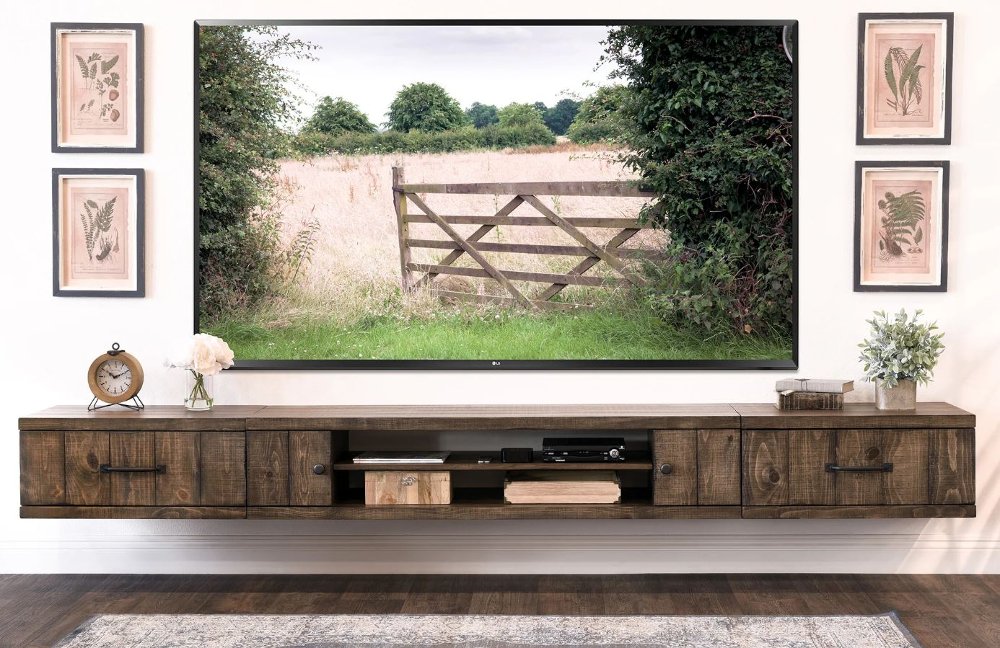
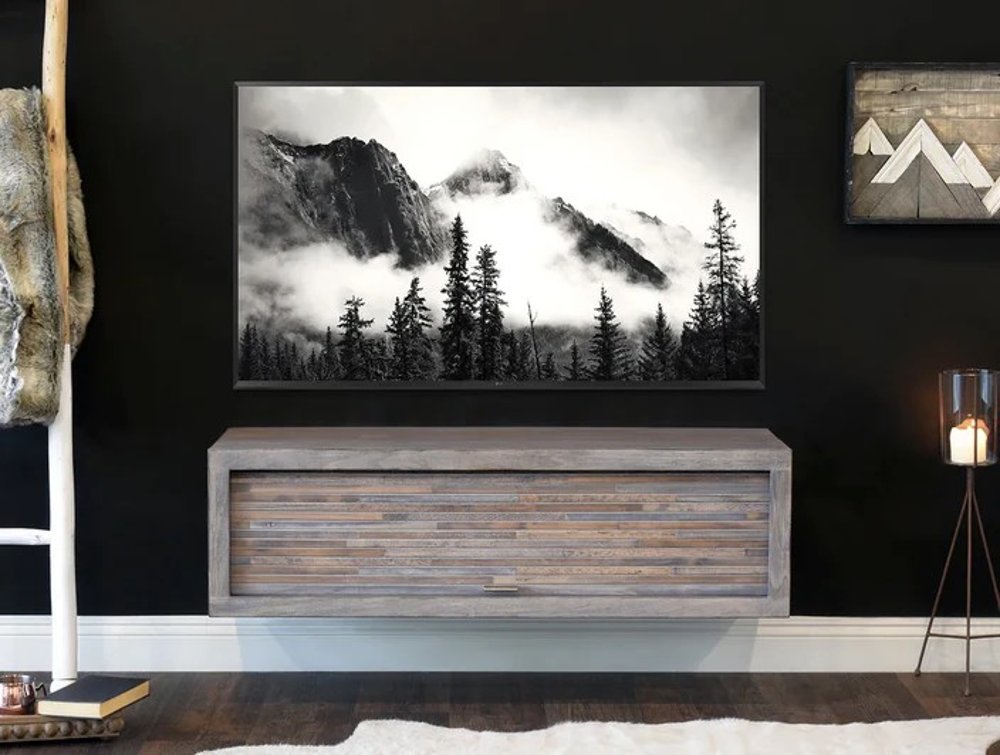
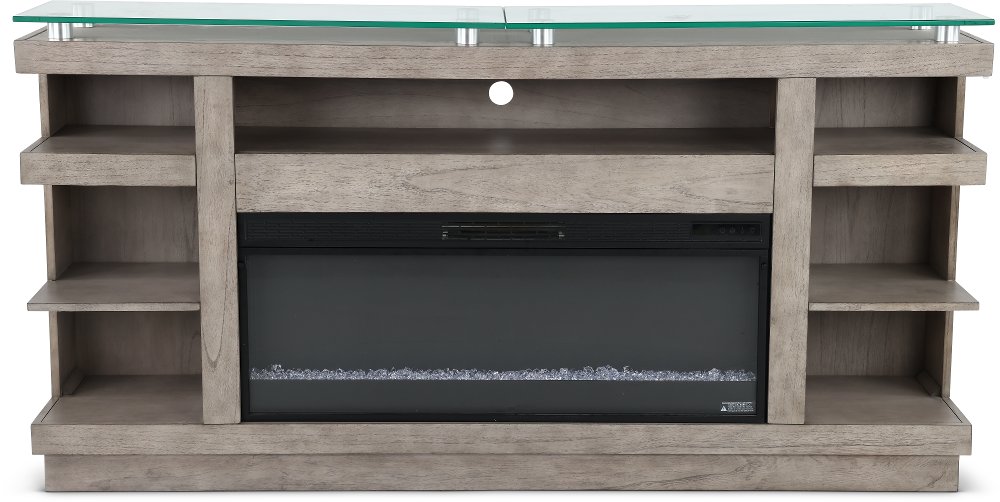
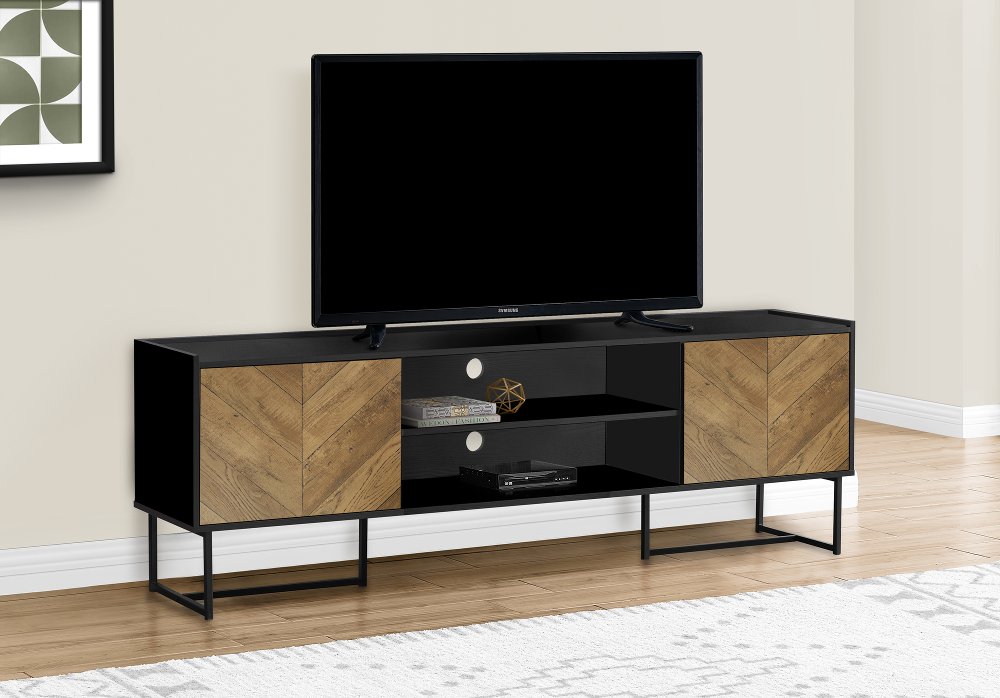
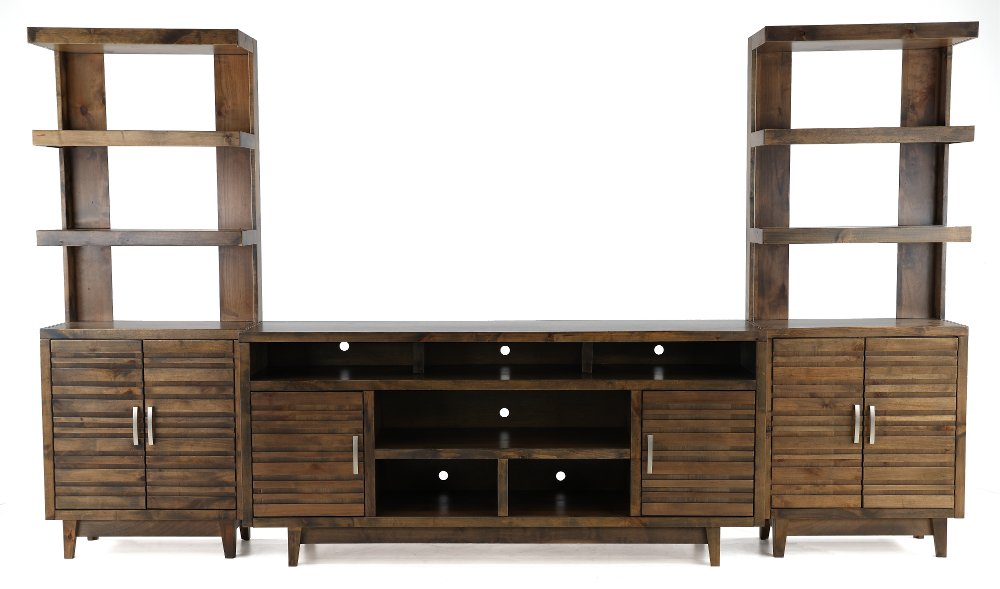
Floating media centers are wall-mounted entertainment units that organize electronics and media storage while leaving the floor beneath them open. Instead of resting on legs or a base, the cabinet attaches to the wall with a mounting system designed for its size and load. That suspended profile gives a living room, family room, or bedroom a lighter look, especially when paired with a wall-mounted TV and neatly routed cables. The open space below can make a compact room feel less crowded, though the cabinet still needs enough depth to accommodate the equipment inside. In a larger room, a long floating entertainment center can anchor the viewing area without introducing another substantial piece of floor-standing furniture. Styles range from simple, low-profile cabinets to arrangements with open shelves, enclosed compartments, or coordinating wall panels. Wood tones bring warmth to rooms with upholstered seating and soft rugs, while painted finishes and smooth, flat doors suit a more streamlined setting. A textured wood-grain surface can soften the appearance of a large black screen; a finish close to the wall color can help the cabinet blend into the background. Materials affect both appearance and everyday performance. Solid wood offers natural grain variation and character, while wood veneer provides a real-wood surface over a supporting core. Engineered wood can provide consistent surfaces for painted, laminated, or veneered finishes, with durability depending on construction, edge protection, hardware, and proper use. No single material tells the whole story: secure joints, dependable hinges, and clearly stated load limits matter just as much. For someone furnishing a first apartment, a floating TV console can establish a designated entertainment area without a bulky silhouette. For a household updating a shared family room, it can bring game controllers, streaming devices, and other small essentials into one organized place. The appeal is practical as well as visual: entertainment equipment has a home, and the room keeps a more open appearance.
A floating media center fits best when its dimensions work with the television, the wall, and the way the room is used. TV sizes describe the screen’s diagonal measurement, so the television’s actual width is the more useful comparison when considering cabinet proportions. A console that extends beyond the screen on either side often creates a balanced arrangement, but available wall space, doorways, and nearby furniture also shape the right fit. Depth deserves equal attention. A slim cabinet may look especially clean along a walkway, yet a receiver or gaming console can require more room than expected once plugs, cables, and ventilation clearances are included. Interior compartment measurements are more informative than exterior dimensions alone. Mounting height should support comfortable viewing from the seats used most often, with space for a soundbar if one belongs in the setup. The cabinet and television don't have to share a support system; many floating consoles hold accessories beneath a separately mounted screen. A television should rest on a floating cabinet only when the manufacturer expressly permits that use and the installation meets every stated requirement. Wall construction is another essential part of the fit. The mounting hardware must suit the wall type and transfer the loaded cabinet’s weight into appropriate structural support, following the manufacturer’s instructions. Drywall alone isn't adequate support for many wall-mounted entertainment units, and mounting requirements can differ for wood studs, metal studs, and masonry. The cabinet’s own weight, stored equipment, and any decorative objects all contribute to the total load. Professional installation is worth considering when the wall structure, wiring, or mounting method is uncertain. An installation plan also accounts for outlets, cable openings, and access to connections after the cabinet is secured. For rooms where flexible dimensions matter more than a suspended profile, Adjustable Entertainment Centers offer another category to explore. Either way, the strongest arrangement starts with furniture that suits both the room’s proportions and its everyday demands.
Storage details determine how well a floating entertainment center handles life beyond its first neatly arranged day. Open cubbies keep frequently used devices accessible and can accommodate equipment that needs airflow or a clear path for remote-control signals. Closed compartments give charging cords, spare controllers, and movie collections a quieter backdrop, while drawers help separate small accessories that otherwise collect beside the TV. Drop-down doors need room to open fully, and hinged doors should clear adjacent walls and furniture. Enclosed storage isn't automatically suitable for electronics: receivers, game systems, and other components need the ventilation their manufacturers specify, even when the cabinet has cable openings. A streaming box may tuck into a small compartment, while a larger console may need an open section with clearance around its vents. Soundbars also need placement that keeps speakers unobstructed rather than hidden behind a door. Cable-management openings help guide cords between compartments and toward power connections, but they don't eliminate the need to plan a safe route. Surface cord covers can keep wiring orderly; concealed in-wall wiring should use approved methods and appropriate components, with a qualified professional handling electrical work when needed. Everyday care is generally straightforward when it follows the finish manufacturer’s directions. A soft cloth removes dust from the top, doors, and shelves, and prompt attention to spills helps protect edges and seams. Avoid soaking surfaces or applying cleaners directly to the cabinet, and use only products approved for its finish. The clear area underneath makes routine floor cleaning easier, although robot vacuums still need sufficient height to pass below. In homes with children, wall-mounted furniture still calls for clear rules against climbing, pulling, or hanging on doors. Respecting shelf and cabinet weight limits, keeping vents clear, and checking for loose hardware as directed help support dependable use. With suitable storage and a secure installation, a floating media center gives movie nights, everyday streaming, and shared gaming sessions an organized setting that feels like part of the room rather than equipment taking it over.
Read More