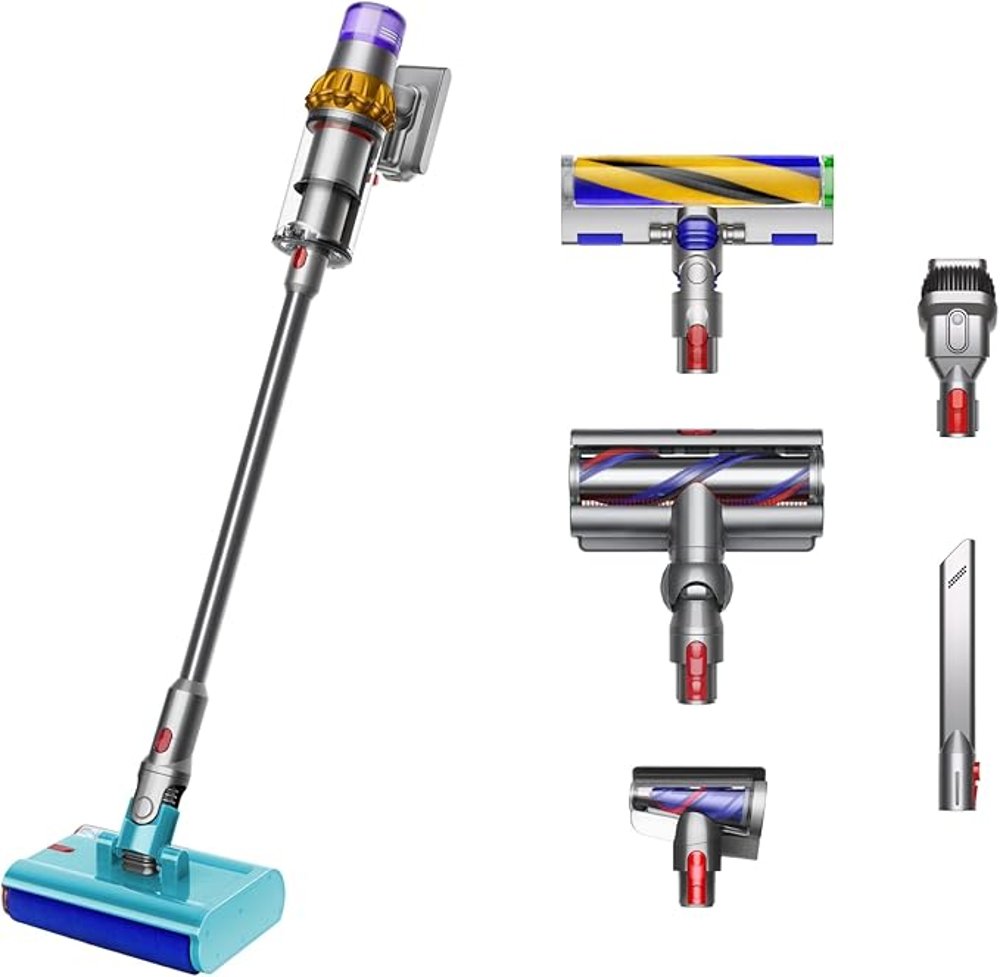
Floor mops help keep hard surfaces comfortable underfoot, whether you’re picking up fine dust in a bedroom or cleaning sticky footprints near the kitchen table. The main types include flat microfiber mops, spray mops, spin mops, string mops, and sponge mops, each with a different balance of reach, absorbency, and moisture control. Flat mops have a low-profile head that works well along baseboards and beneath furniture with enough clearance. Their broad pads cover open floor space efficiently, while a swivel joint helps navigate chair legs and narrow corners. Microfiber pads can collect dust and hair when used dry or lift everyday soil when lightly dampened, depending on their intended use. Spray mops combine a cleaning pad with an attached solution reservoir, making them convenient for small messes without bringing out a separate bucket. They’re a practical fit for the splash beside the sink or a few tracked-in marks across an entryway. Spin mops pair an absorbent head with a bucket-mounted wringing mechanism, often operated by a pedal or handle, to help remove excess water before the mop touches the floor. String mops offer flexible strands that reach around fixtures and absorb liquid, though their weight and drying time depend on the fibers and how thoroughly they’re wrung out. Sponge mops use an absorbent head and a squeezing mechanism, with a shape that can be useful along straight edges. The best floor mop for a household depends on the flooring, the size of the cleaning area, and the kind of mess that shows up most often. A compact apartment with mostly smooth flooring may suit a lightweight flat mop, while a larger tiled kitchen may benefit from an absorbent head and an easy-to-use wringer. Homes with children, pets, or frequent visitors may find both dry dust pickup and damp cleaning useful. Those functions serve different purposes, and a mop that handles both can simplify everyday upkeep without requiring the same cleaning routine for every room.
Flooring compatibility matters more than the shape of the mop alone. Hardwood, laminate, vinyl, natural stone, and ceramic or porcelain tile can have different care requirements, and the floor manufacturer’s directions should determine which tools, cleaners, and moisture levels are appropriate. On wood and laminate approved for damp mopping, a well-wrung pad helps limit excess moisture around seams and edges. Even sealed surfaces can be vulnerable to standing water, worn finishes, or an unsuitable cleaning solution. Vinyl flooring often works well with a soft pad and an approved cleaner, while textured surfaces may need a mop head that makes better contact with shallow grooves. Ceramic and porcelain tile can generally tolerate routine damp cleaning, but grout, sealers, and neighboring surfaces still deserve attention. Natural stone needs particular care with cleaner chemistry; acidic solutions can damage materials such as marble and limestone. Steam mops are a separate option that uses heat and moisture, but they’re appropriate only where the flooring manufacturer expressly permits steam cleaning. A floor described as sealed isn’t automatically steam-safe. Mop-head materials also affect performance. Microfiber is valued for collecting fine particles and working across smooth surfaces, while cotton strands provide absorbency for wetter cleaning tasks. Blended fibers can offer a balance of absorption, strength, and drying performance, depending on their construction. Soft pads are useful for routine maintenance, but any pad can drag grit across a finish if loose debris hasn’t been removed first. Crumbs beneath a dining table and sandy particles near a doorway are better swept or vacuumed before damp mopping. For dried spills, a compatible cleaner and a little contact time may reduce the need for forceful scrubbing. Abrasive strips and stiff attachments require extra caution on delicate finishes. A mop belongs alongside complementary Floor Care Products, with each tool serving a clear purpose: lifting loose debris, cleaning residue, or maintaining a surface according to its care instructions. That combination helps support a clean floor without treating every material as though it needs the same approach.
Everyday comfort and long-term care help determine whether a floor mop stays useful beyond its first few cleanups. Handle length affects posture, especially when cleaning a wide living area or reaching beneath a table. An adjustable handle can accommodate people of different heights, while a comfortable grip and a manageable overall weight make repeated passes less tiring. Mop-head width involves a trade-off: a wider pad covers an open room with fewer passes, but a smaller head may fit more easily between bathroom fixtures or around closely spaced furniture. A swivel connection should turn smoothly without making the head difficult to control. For bucket systems, the filled weight, carrying handle, wringer operation, and pouring spout all affect how easy the setup feels from start to finish. Someone who finds hand wringing uncomfortable may prefer a mechanism that removes water with less gripping, provided the pedal or handle action suits their mobility. Storage deserves a little attention, too. A hanging loop, removable head, or compact bucket can make a difference in a utility closet shared with a vacuum and laundry supplies. Durability depends on solid handle connections, secure pad attachments, and moving parts that hold up to repeated use. Replaceable pads and heads can extend the useful life of the handle, so compatible replacement components are worth considering. Reusable pads need laundering according to their care labels; microfiber often requires avoiding fabric softener because buildup can reduce its cleaning performance. String and sponge heads should be rinsed thoroughly and allowed to dry fully in a ventilated location rather than left sitting in dirty water. Spray reservoirs and nozzles also need care according to the mop’s instructions, including using only permitted cleaning solutions. A clean mop head matters as much as a convenient handle, since a heavily soiled pad can redistribute residue. With the right fit for your floors, storage space, and physical comfort, a floor mop becomes a straightforward household essential—ready for everyday messes and the satisfying final pass that leaves a room feeling cared for.
Read More