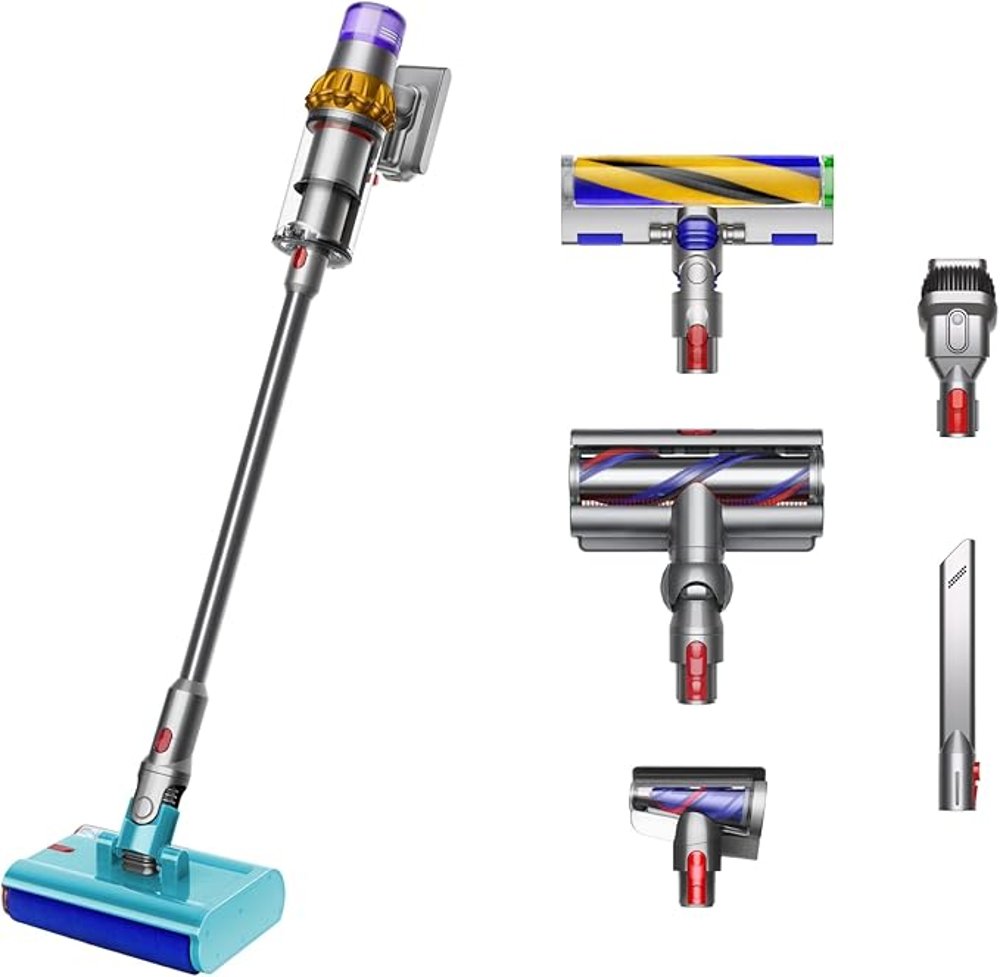
Floor washers bring together two everyday cleaning jobs in one convenient machine. Also called wet/dry vacuum mops or hard floor cleaners, these appliances pick up crumbs, dust, pet hair, and small pieces of debris while washing sealed hard floors with water and cleaning solution. Instead of sweeping first and mopping afterward, you can move through both steps in one pass, which makes a noticeable difference when life gets busy. A floor washer can be especially helpful in kitchens where cereal scatters beneath the table, entryways that collect grit from shoes, and family rooms where snacks and everyday activity leave a trail behind. Many models use separate clean- and dirty-water tanks, so fresh water reaches the floor while used water and collected debris move into a different recovery reservoir. That dual-tank design helps keep the cleaning process more comfortable and straightforward. Floor washers are generally made for sealed surfaces such as tile, vinyl, laminate, linoleum, and finished hardwood, although floor-care instructions vary by model and flooring type. Checking your flooring manufacturer’s recommendations before use is a smart way to protect the finish. These machines may be a practical choice for households with children, pets, frequent guests, or anyone who prefers a faster routine for hard-surface floors. They can also make a thoughtful housewarming gift, wedding gift, or gift for someone settling into a new apartment, especially when paired with other useful home essentials. During warmer weather, a floor washer can help manage tracked-in dust, outdoor soil, and the occasional spill from backyard meals. As the cooler months bring more time indoors, it can simplify the regular cleanup that comes with busy kitchens, entryways, and comfortable gatherings at home.
When comparing floor washers, start with the way you plan to clean. Cordless models offer freedom to move from room to room without searching for an outlet, making them well suited to quick cleanups and smaller daily messes. Battery runtime, charging time, and the size of the space you typically clean all deserve attention. A larger home may benefit from a longer-lasting battery and larger tanks, while someone cleaning a compact apartment may appreciate a lighter machine that is easy to store. Weight and handle design matter as well. A comfortable grip, smooth steering, and an upright profile can make repeated passes feel easier, particularly when cleaning beneath tables or moving from a kitchen into a hallway. Tank capacity affects how often you need to pause for a refill or empty the recovery container. A wider cleaning path may cover more floor with each pass, while a slimmer design can move more easily around chair legs, narrow corners, and crowded rooms. Look for controls that are easy to understand, along with clearly marked tanks and simple access to the brush roll. Edge-cleaning features can help collect messes closer to baseboards and walls, where crumbs and pet hair often gather. Some floor washers include dirt-sensing technology that adjusts suction or water flow as the machine moves across lighter and heavier messes. This can help balance cleaning performance with water and battery use. A floor washer may also offer separate settings for hard floors or delicate surfaces, so choose a model that matches the materials throughout your home. If you already own a traditional vacuum, consider how the new appliance will fit into your routine. A floor washer is designed for sealed hard-floor maintenance, while a standard vacuum may remain useful for rugs, carpet, upholstery, stairs, and dry-only jobs. For laundry appliances and other home cleaning needs, explore Electric Washers as well.
Care after each use plays an important part in keeping a floor washer ready for the next spill. Empty the dirty-water tank after cleaning, rinse removable parts according to the manufacturer’s directions, and allow components to dry fully before putting them away. Leaving used water or damp debris inside the machine can lead to unpleasant odors over time. Many newer floor washers include a self-cleaning cycle that flushes the internal pathway and brush roll while the machine rests on its dock. Some also use heated or circulating air to help dry the brush, which can make post-cleaning care more convenient. A docking station may serve as a charging spot, storage area, and maintenance center in one, so measure the space where you plan to keep it. Regularly checking the roller, filter, tanks, and intake area helps maintain steady performance, especially in homes with long hair or shedding pets. Use only the cleaning solution recommended for the machine, and follow the suggested amount; extra suds do not necessarily mean cleaner floors and may affect operation. For a fresh, polished feel, begin at the far side of a room and work toward the doorway, giving the floor time to dry before replacing mats or walking across it. Small, consistent passes usually work better than rushing over a large spill. Floor washers are most useful when they match the way your household lives: a family can keep one nearby for mealtime messes, a pet owner can reach for it after muddy paws cross the entryway, and a host can refresh high-traffic areas before friends arrive. With the right size, surface compatibility, battery life, tank capacity, and maintenance features, a floor washer can become a dependable part of your home-care routine from the warmer season into the cooler months.
Read More