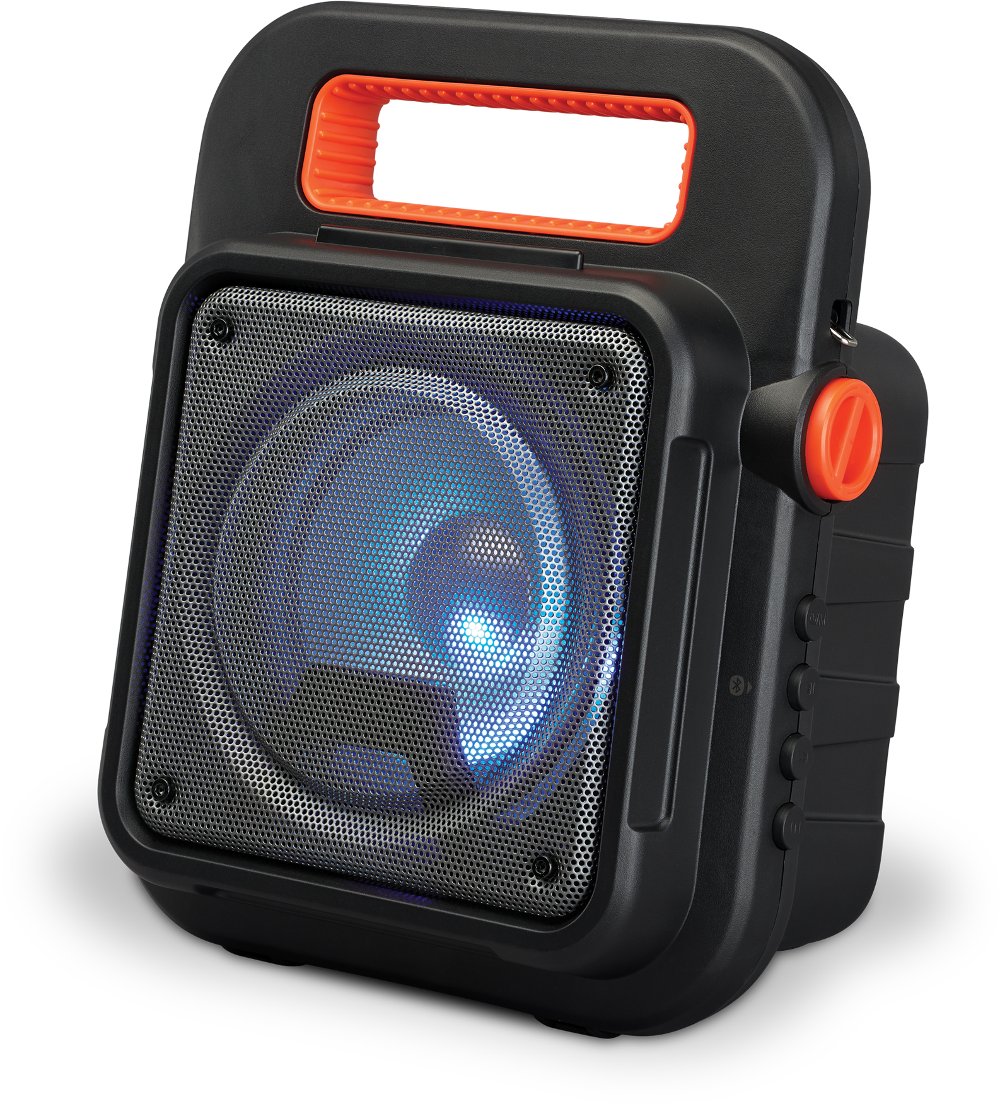
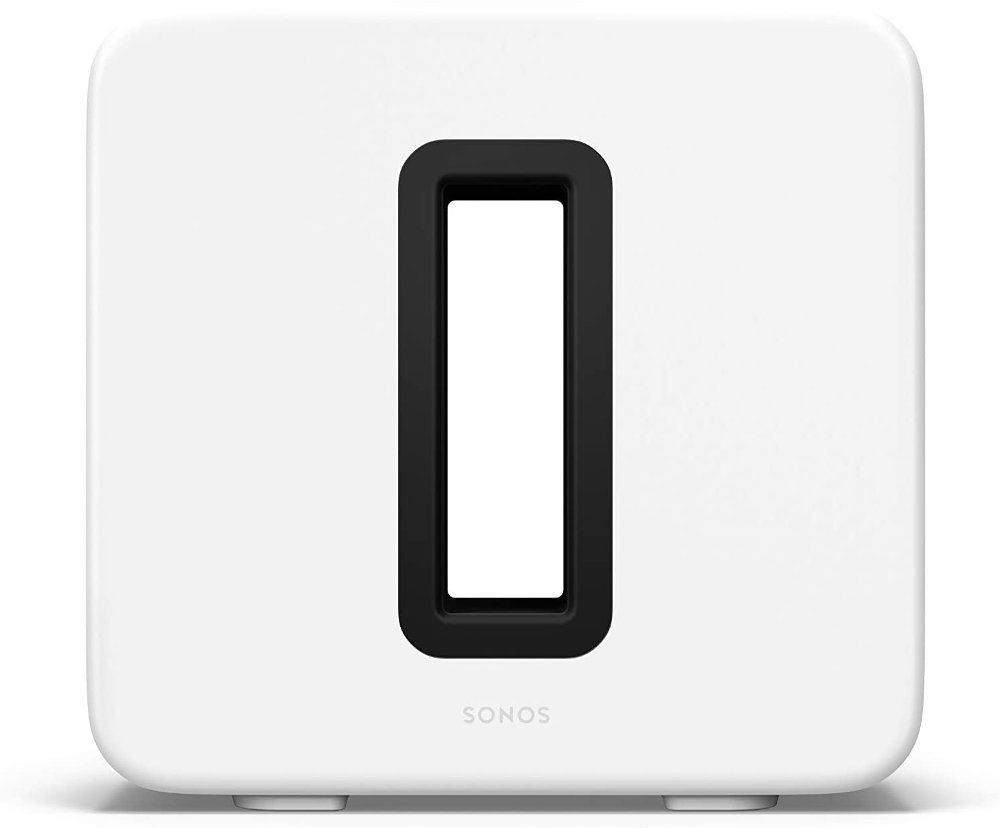
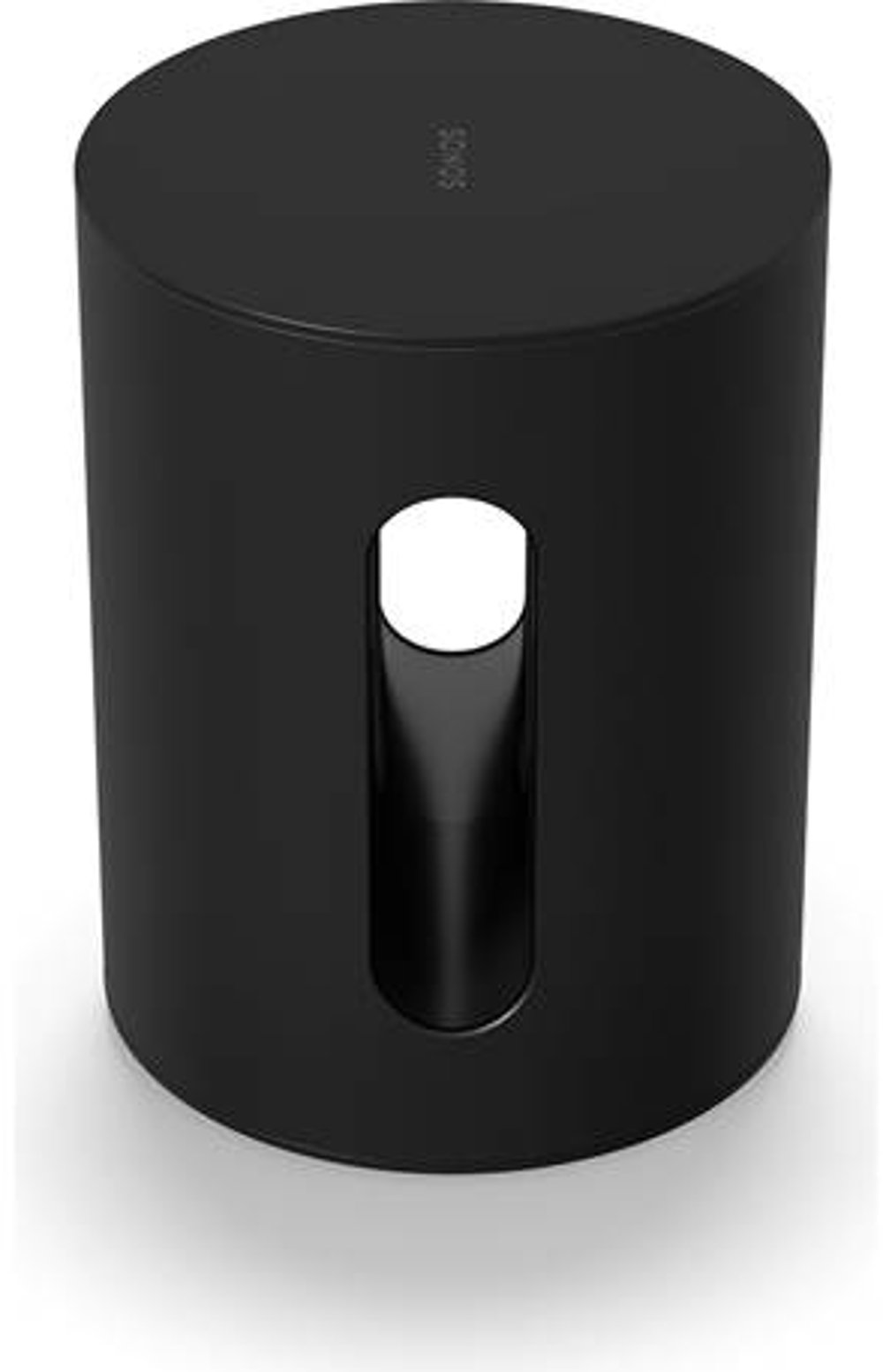
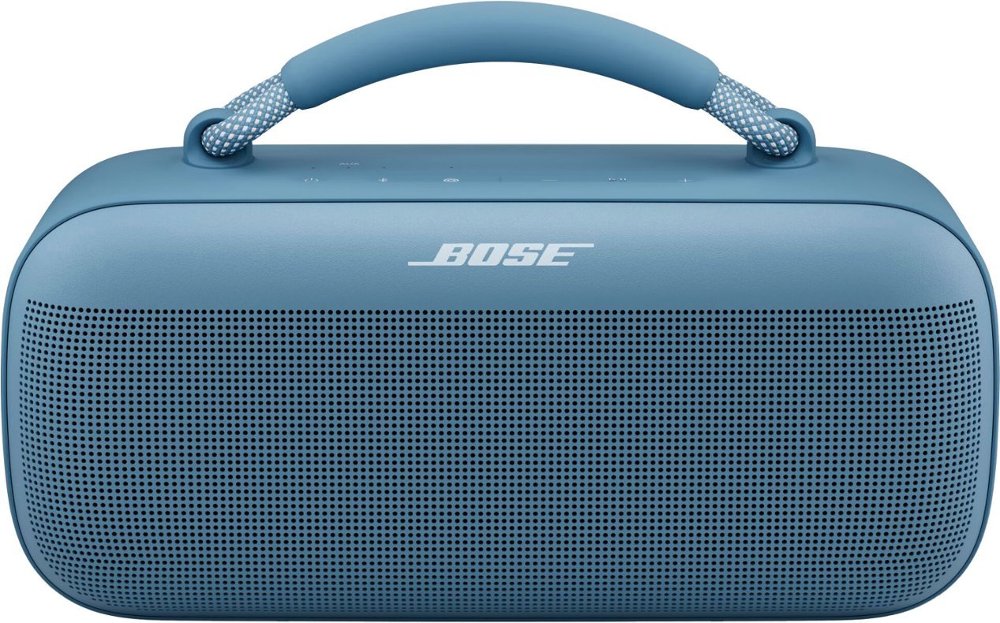
FM speakers combine speaker playback with an FM radio tuner, letting you hear local broadcasts without opening a streaming app or using a mobile data connection. Many also support Bluetooth, so the same speaker can play a morning radio show, then switch to a playlist or podcast from a compatible phone. The distinction matters: Bluetooth handles the wireless connection between devices, while the FM tuner receives over-the-air radio signals. A Bluetooth speaker doesn’t necessarily include a radio, and a speaker with FM reception doesn’t necessarily offer Bluetooth. Checking for both features helps you find the right combination for your routine. For listeners who want local stations and wireless streaming in one unit, Bluetooth speakers with an FM tuner bring those listening options together. Compact designs fit easily on a desk or bedside table, while larger portable speakers and boombox-style designs can suit a hobby room, shared workspace, or gathering where sound needs to carry farther. Radio reception depends on your location, the station’s broadcast coverage, nearby obstructions, and the speaker’s antenna design. Some models use a telescoping antenna; others may rely on an internal antenna or a connected cable, depending on their construction. A spot near a window may improve reception, and moving the speaker away from some electronics can reduce interference. Automatic station scanning makes it easier to find receivable broadcasts, while station presets save you from searching for a favorite channel each time. Manual tuning can be helpful when you know the frequency you want. A readable display also makes a difference, especially when you’re checking a station from across a desk rather than holding the speaker in your hand. For someone who enjoys local news, live sports commentary, or familiar music programming, these everyday details can matter more than a long list of extras. FM listening generally doesn’t require an internet connection, but the speaker still needs power and a usable radio signal.
The best fit starts with the space where you’ll listen and the way you want that space to feel. A small speaker can provide comfortable background listening while you fold laundry, prepare a meal, or catch up on paperwork. In a larger living area, a design with more capable drivers and greater output may keep music fuller and speech easier to follow at a distance. Wattage alone doesn’t tell the whole story: enclosure design, driver quality, tuning, and placement all affect what you hear. Clear midrange is particularly valuable for talk radio and sports broadcasts, while balanced bass adds body to music without overwhelming voices. If a speaker offers equalizer settings or tone controls, those adjustments can help tailor playback to your preferences. Stereo playback may create a broader sense of space, but not every portable speaker provides separate left and right channels. Likewise, wireless pairing between two speakers may work only with certain sources, so confirm whether that feature supports FM playback if radio is your priority. Physical fit deserves just as much attention as sound. Measure the shelf, counter, or nightstand, leaving room for controls, charging connections, and any antenna that needs to extend. A wide base or nonslip feet can help keep the speaker steady, while a built-in handle makes a larger unit easier to move between rooms. Molded plastic housings often keep portable designs lightweight; metal grilles help shield the drivers, and fabric coverings offer a softer visual finish. Wood or wood-look enclosures can complement furniture, though appearance alone isn’t a measure of sound quality or durability. Consider how the materials suit daily handling, especially if the speaker will travel in a bag or sit on a busy workbench. Water resistance and dust protection are model-specific features, not standard benefits of FM speakers. An IP rating describes tested protection under defined conditions, so check the manufacturer’s explanation rather than treating “rugged” as a guarantee. Even a durable housing needs thoughtful placement, with the speaker clear of sink edges, loose cords, and surfaces where it could be knocked over.
Power, controls, and connections often determine how enjoyable an FM speaker is after the first few listening sessions. A rechargeable battery gives you freedom to move around without finding an outlet, while a plug-in design can suit a dedicated listening spot. Some radios use replaceable batteries or support more than one power source. Compare the stated playback conditions behind battery-life claims, since volume, lighting effects, wireless use, and other settings can change how long a charge lasts. If you expect to listen through a workday, charging time and the ability to play while connected to power are worth checking. A battery indicator helps you plan ahead, and an included charging cable doesn’t always mean a wall adapter is included. For shared households, straightforward source buttons can make switching between FM and Bluetooth easier than cycling through several modes with one multifunction control. Large, clearly marked buttons and a comfortable tuning knob may be especially welcome for someone who prefers familiar radio operation. A headphone output can support private listening, while an auxiliary input may connect a compatible audio device by cable. USB ports vary in purpose: some charge the speaker, some charge another device, and some support music playback from a compatible drive. Confirming what each connection does prevents frustration later. The same care applies when choosing an FM speaker as a gift. A student may appreciate a compact footprint and easy phone pairing, a hobbyist may value a sturdy handle and accessible controls, and a devoted radio listener may care most about presets and reception. Simple upkeep helps protect whichever design fits. Follow the manufacturer’s cleaning directions, unplug the unit before cleaning, and use a soft, dry cloth for routine dusting. Keep liquids out of grilles and ports, avoid spraying cleaner directly onto the housing, and retract an extendable antenna before packing the speaker. For rechargeable models, follow the recommended charging and storage practices rather than assuming every battery needs the same treatment. With the right balance of radio access, sound, portability, and easy operation, an FM speaker can settle naturally into the moments when a familiar voice or favorite song makes home feel more comfortable.
Read More