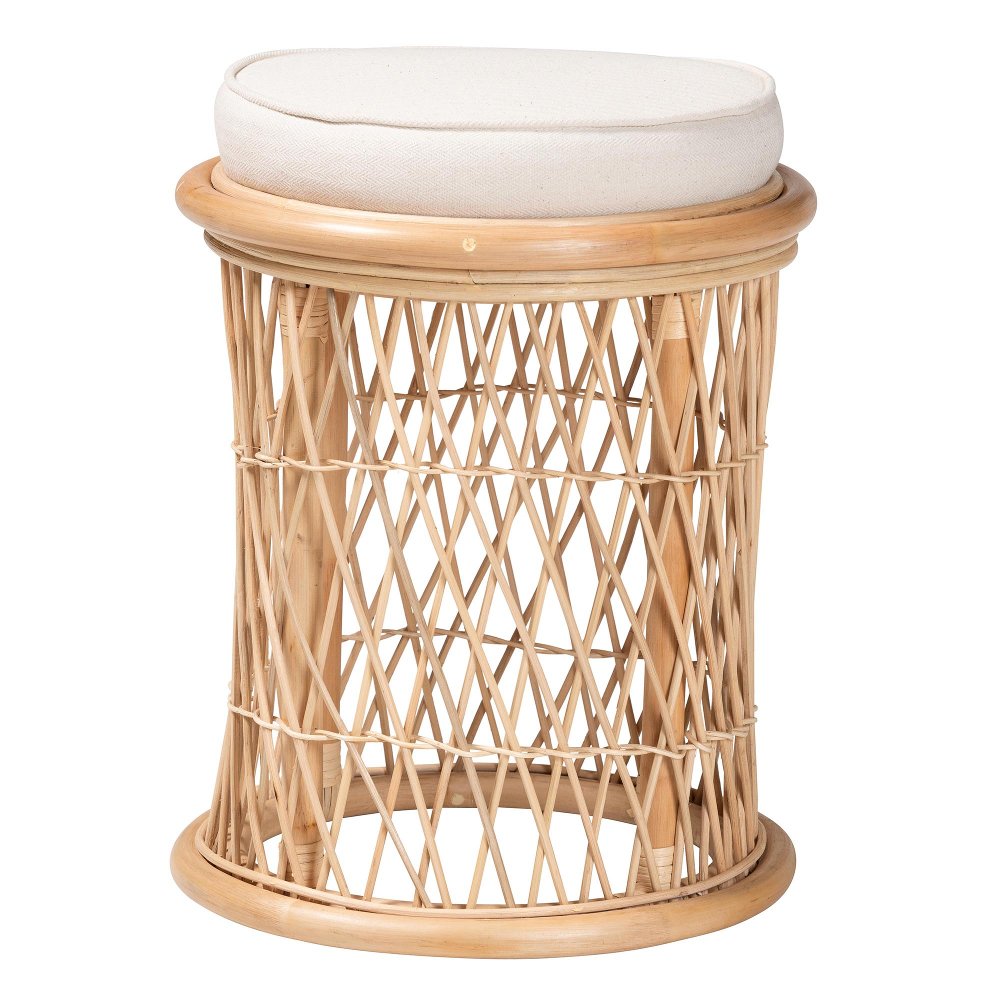
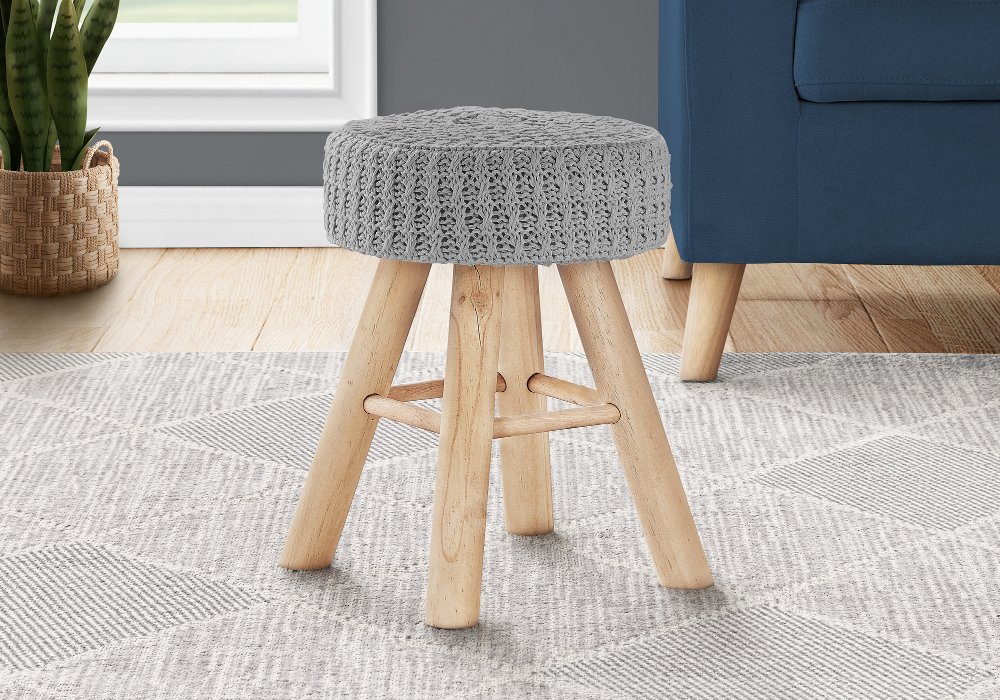
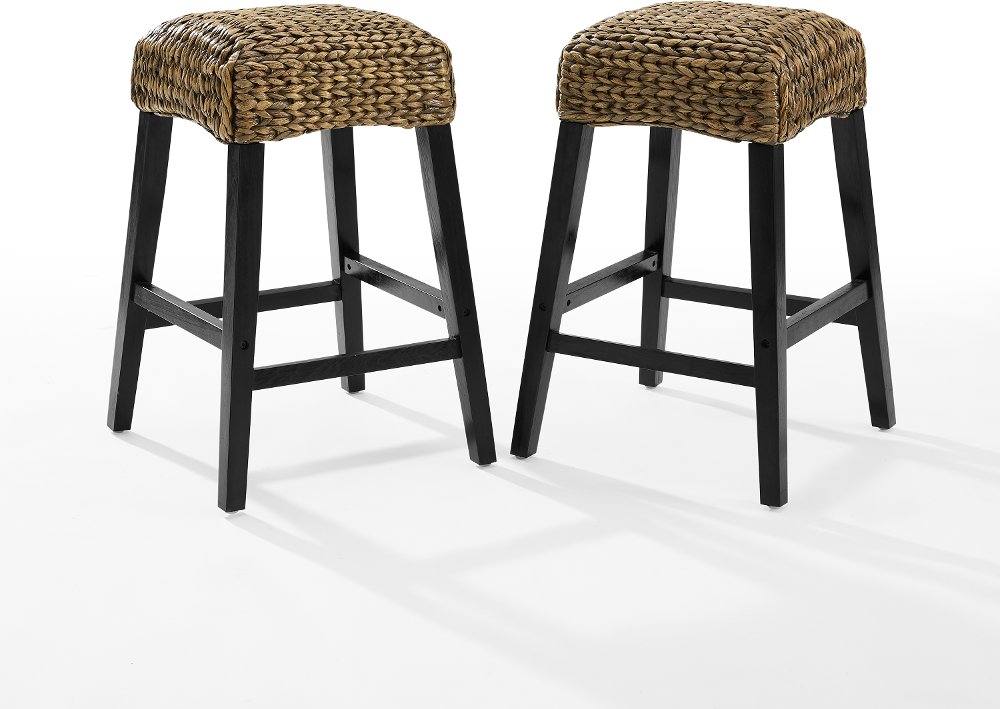
Foot stools give your feet a comfortable place to land while adding a useful finishing touch to a living room, bedroom, or reading corner. Usually smaller than a coffee table and separate from a chair, a foot stool provides a raised surface for resting your feet when you’re seated. Foot stools and ottomans often overlap in style and function, although ottomans tend to be larger, more fully upholstered, and more likely to include storage or serve as additional seating when designed for that purpose. A compact footrest can sit beside an armchair without taking over the room, while a wider upholstered design gives you more room to shift positions during a movie or share leg space on a sofa. The best fit depends on where you sit, how much space surrounds the chair, and what feels comfortable for your legs. A foot stool that sits slightly below the chair’s seat is a practical starting point; a much taller surface may lift your knees into an awkward position. Measure the seat height with its cushion compressed, since a soft chair can sit noticeably lower once someone settles in. Depth matters, too: a shallow stool supports the feet, while a longer surface may support part of the lower legs, depending on its position. Leave enough room to get into and out of the chair easily, and keep the stool out of the main path through the room. In a small apartment, a lightweight design can move from a reading chair to the end of the sofa as needed. In a larger family room, a substantial foot stool can help anchor a seating arrangement without adding another full-size chair. During the cooler months, it makes a natural companion to a favorite blanket and a quiet evening indoors. Its everyday appeal is simple: more ways to settle comfortably into the furniture you already enjoy.
Materials shape both the feel of a foot stool and how comfortably it fits into daily life. Upholstered foot stools soften a room’s appearance and cushion the contact between your legs and the top surface. Tightly woven fabric offers a tailored look, while textured upholstery adds depth beside a smooth sofa or a simple wooden chair. Velvet brings a soft feel and a subtle change in color as its pile catches the light, though pressure marks and the direction of the nap can affect its appearance. Leather has a distinctive texture and can develop character with use; its cleaning needs and resistance to marks depend on the finish. Faux leather offers a similar smooth appearance, but it requires its own care approach and can wear differently over time. Wooden foot stools bring visible grain and a firmer resting surface, making their height, edges, and placement especially important for comfort. For a relaxed look, pouf stools offer another soft-sided shape to consider, with comfort and support that vary by their filling and construction. Across materials, durability comes from more than the outer covering. A sturdy frame, secure joints, well-attached legs, and neatly finished seams all matter when a piece gets used every day. Padding should feel supportive enough for its intended use rather than immediately compressing against the frame. In homes with pets, consider whether claws might catch an open weave and how easily fur releases from the surface. For everyday care, follow the manufacturer’s instructions, vacuum suitable upholstery with a soft attachment, and blot spills promptly rather than rubbing them deeper into the material. Test approved cleaners in an inconspicuous spot before treating a visible area. Wood finishes benefit from gentle dusting and protection from moisture, while upholstered surfaces generally hold their color better away from prolonged direct sunlight. Protective pads suited to your flooring can help reduce scratches when the stool moves, but they shouldn’t make it slide unexpectedly when your feet rest on top.
Shape, proportion, and a few thoughtful features help a foot stool earn its place beyond its looks. A round foot stool introduces a softer outline beside a rectangular sofa, while a square design lines up neatly with the edges of an armchair. Rectangular styles provide a broader resting area but need more floor space, particularly when placed opposite a coffee table. Exposed legs can make the piece look lighter, and a fully upholstered base creates a more substantial silhouette. Matching the chair’s fabric gives the pair a coordinated appearance, but an exact match isn’t necessary. A shared color undertone, similar wood finish, or repeated texture can connect a foot stool to the rest of the room without making everything look identical. Storage foot stools add another layer of usefulness, keeping a throw, reading glasses in a case, or small living room accessories close to the seat. Check interior dimensions against what you plan to put inside, since thick walls and padding can make the compartment smaller than the outside suggests. Lift-off lids need somewhere to rest while the compartment is open, and hinged lids need clearance from nearby furniture. In a household with children, lid supports and closing mechanisms deserve particular attention, along with the manufacturer’s safety guidance. Some ottoman-style foot stools can double as occasional seating, but only use them that way when the manufacturer identifies them as seats and provides an appropriate weight limit. A foot stool isn’t a substitute for a step stool, and its padded top or decorative legs may not be built for standing. For someone who enjoys knitting, reading, or watching movies, a well-proportioned foot stool can make a thoughtful housewarming gift when the recipient’s chair height and room layout are known. Whether it stays beside a bedroom chair or moves between favorite seats, the most useful choice balances comfortable support, manageable dimensions, and materials that suit the household’s routines.
Read More