Tall stools make an elevated counter or table feel like a place to settle in, whether you’re sipping coffee at a kitchen island, catching up with a friend at a home bar, or sharing a casual meal in a compact dining nook. Their height brings seating up to the action, allowing people to sit comfortably near someone preparing dinner or serving snacks. The right fit starts with seat height, not the overall height listed for a stool with a backrest. Counter-height seats generally measure about 24 to 27 inches from the floor and pair with surfaces around 34 to 36 inches high. Bar-height seats typically measure about 28 to 32 inches and suit surfaces around 40 to 42 inches high, while extra-tall stools serve higher counters and specialty tables. Those ranges are helpful starting points, but your actual measurements matter more than the category name. Aim for roughly 10 to 12 inches between the seat and the underside of the surface, checking for an apron, drawer, or support that could reduce legroom. Picture someone sliding into the seat with a plate on the counter: there should be space to cross an ankle, shift position, and get up without bumping knees. Width matters just as much, especially when several stools share one stretch of countertop. Leaving about 6 inches between the widest parts of neighboring stools is a useful starting point, with additional room for broad seats, armrests, or swivel movement. Also consider the walkway behind the seating. A stool that looks neatly tucked away needs more space once someone sits down or turns to leave. In an open kitchen, that clearance helps keep the path from the refrigerator to the sink comfortable for everyone. For smaller homes and apartments, a few well-proportioned tall stools can turn an existing counter into a practical everyday eating area without adding a separate dining table.
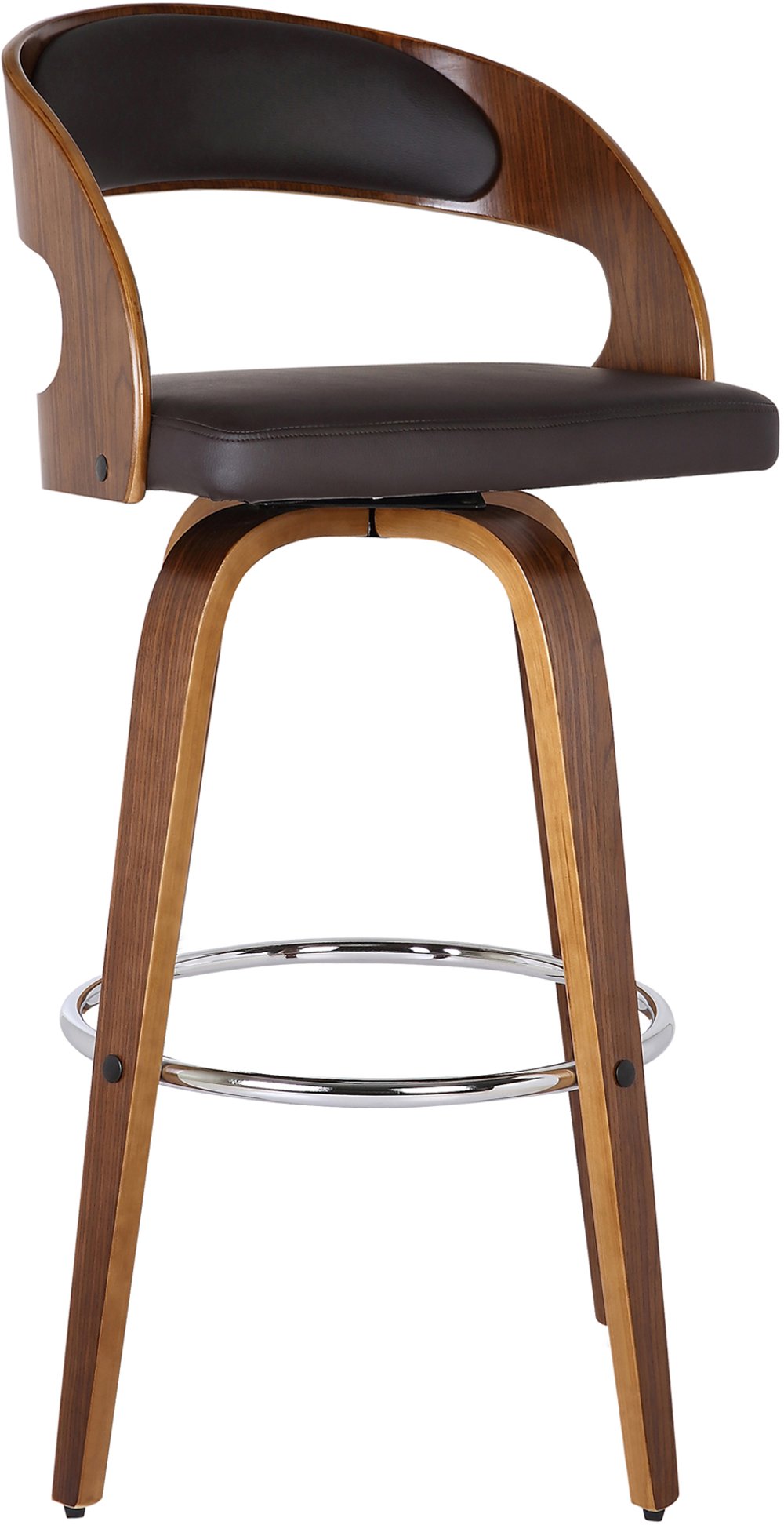
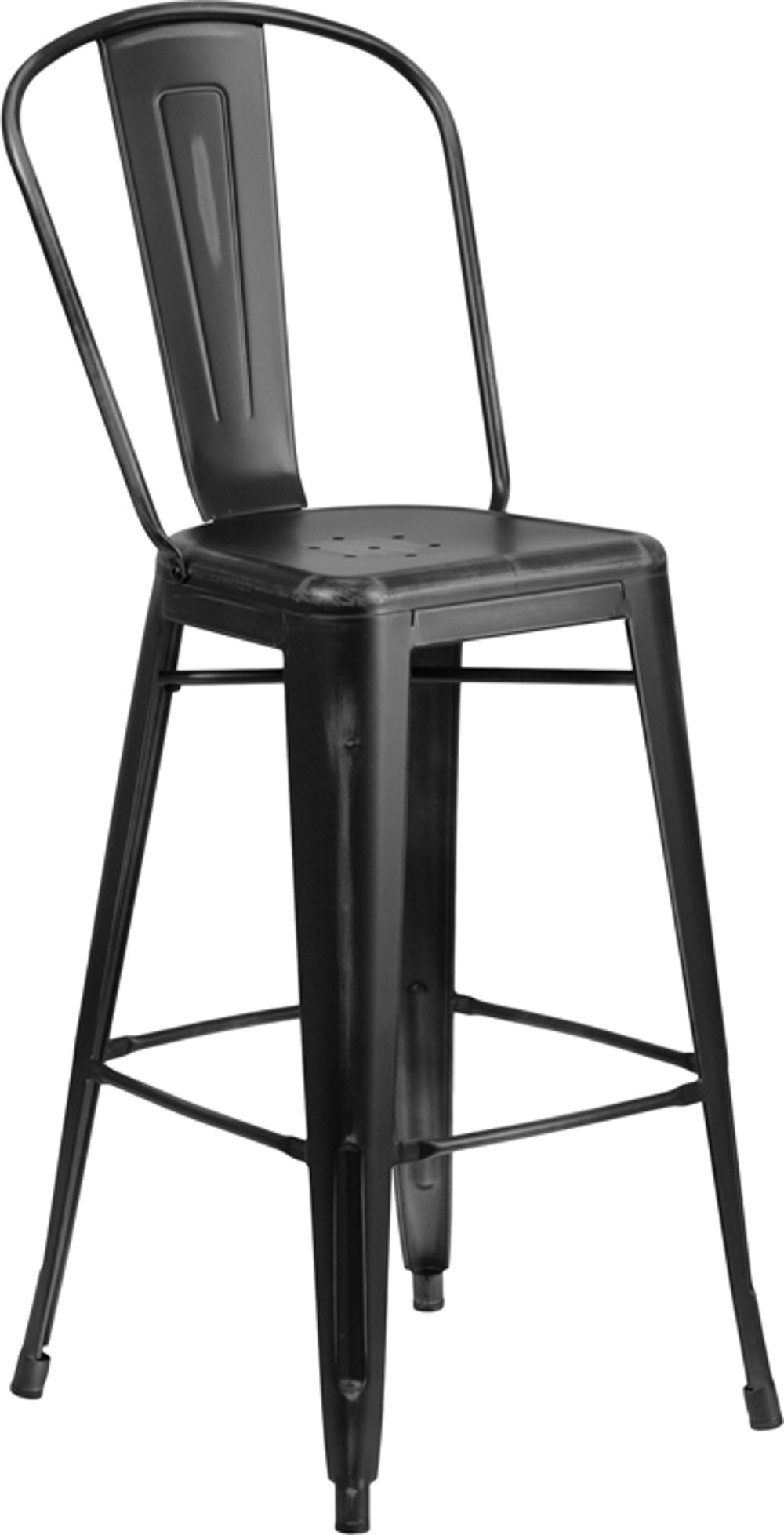
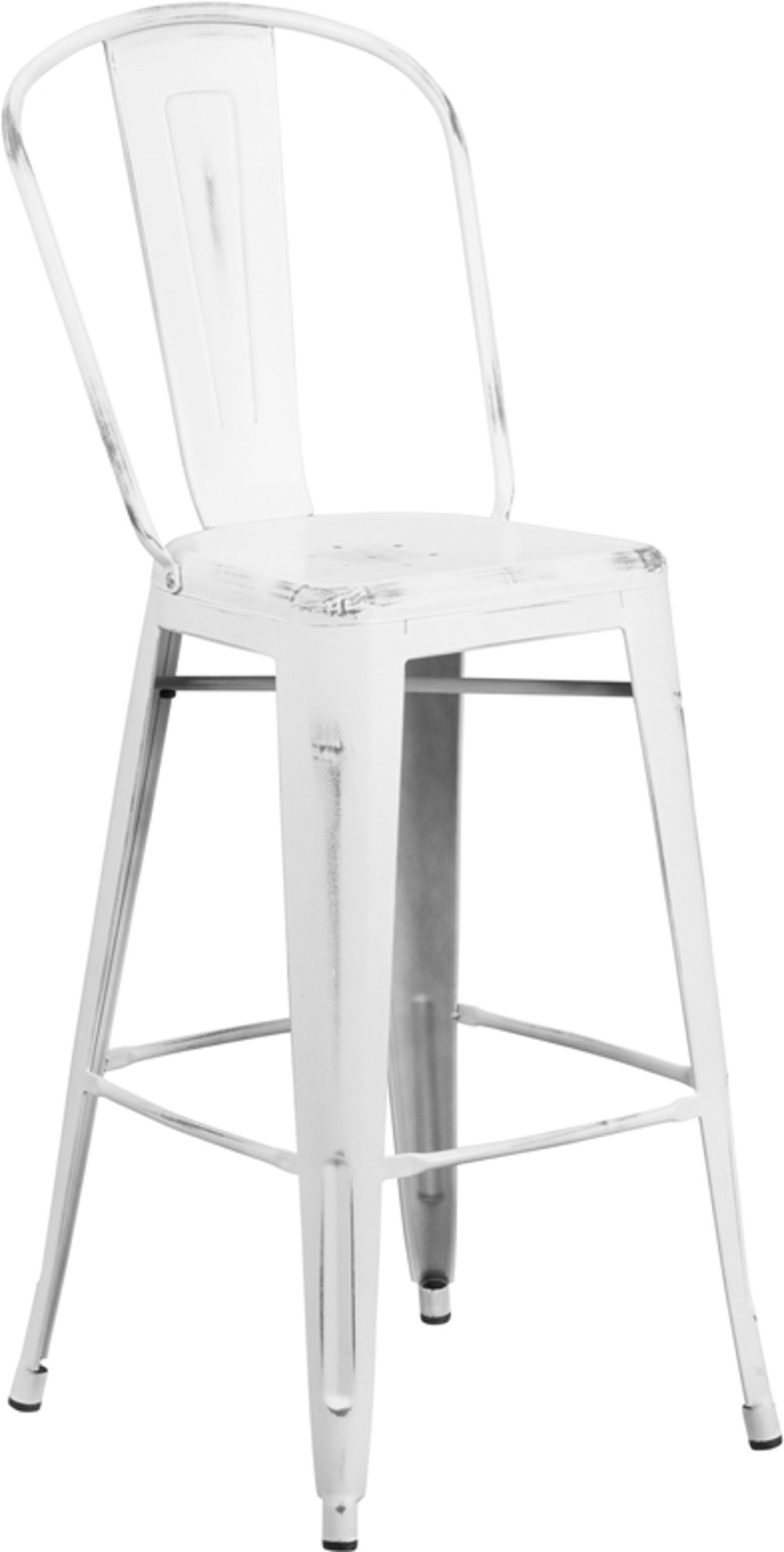
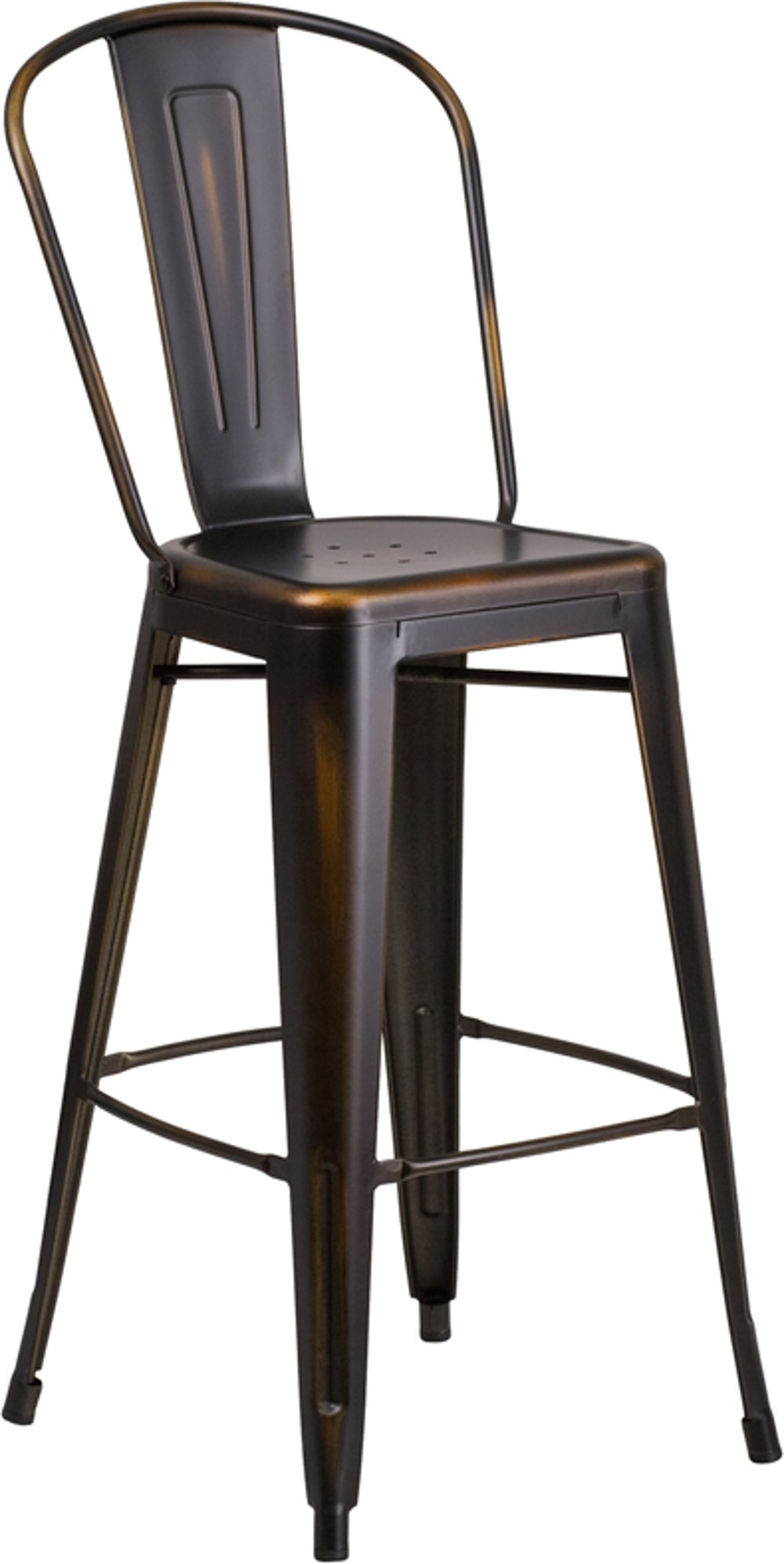
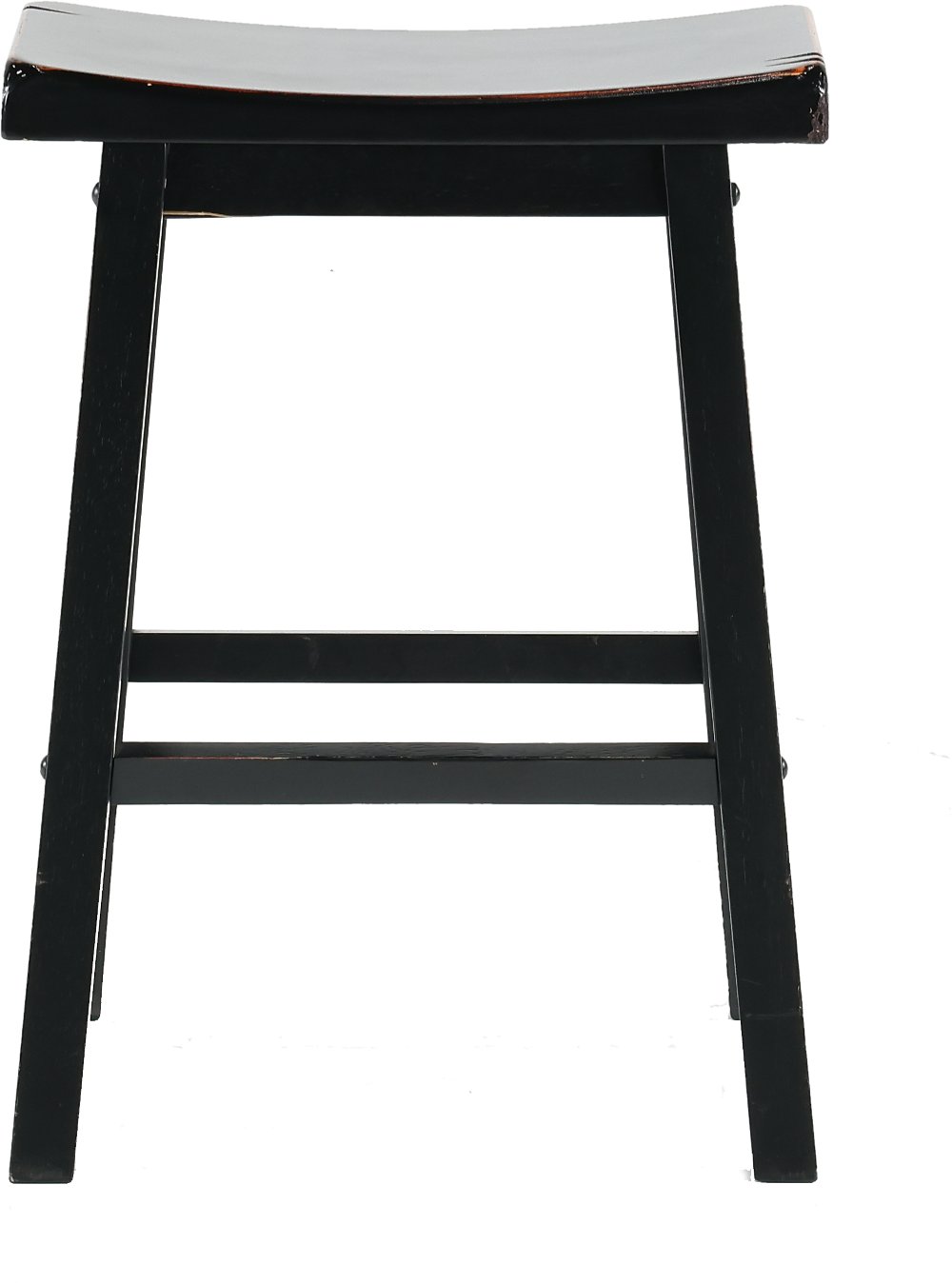
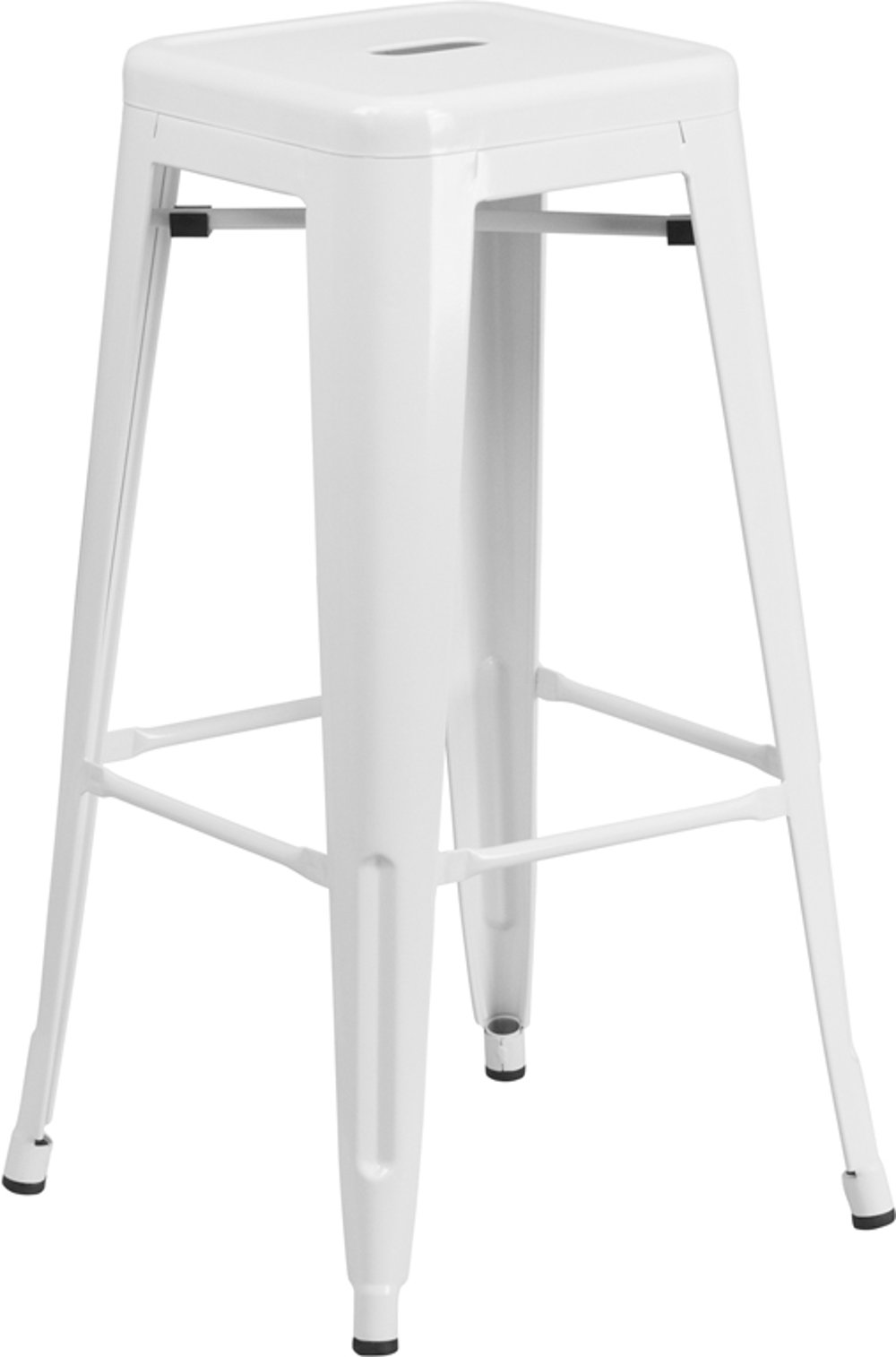
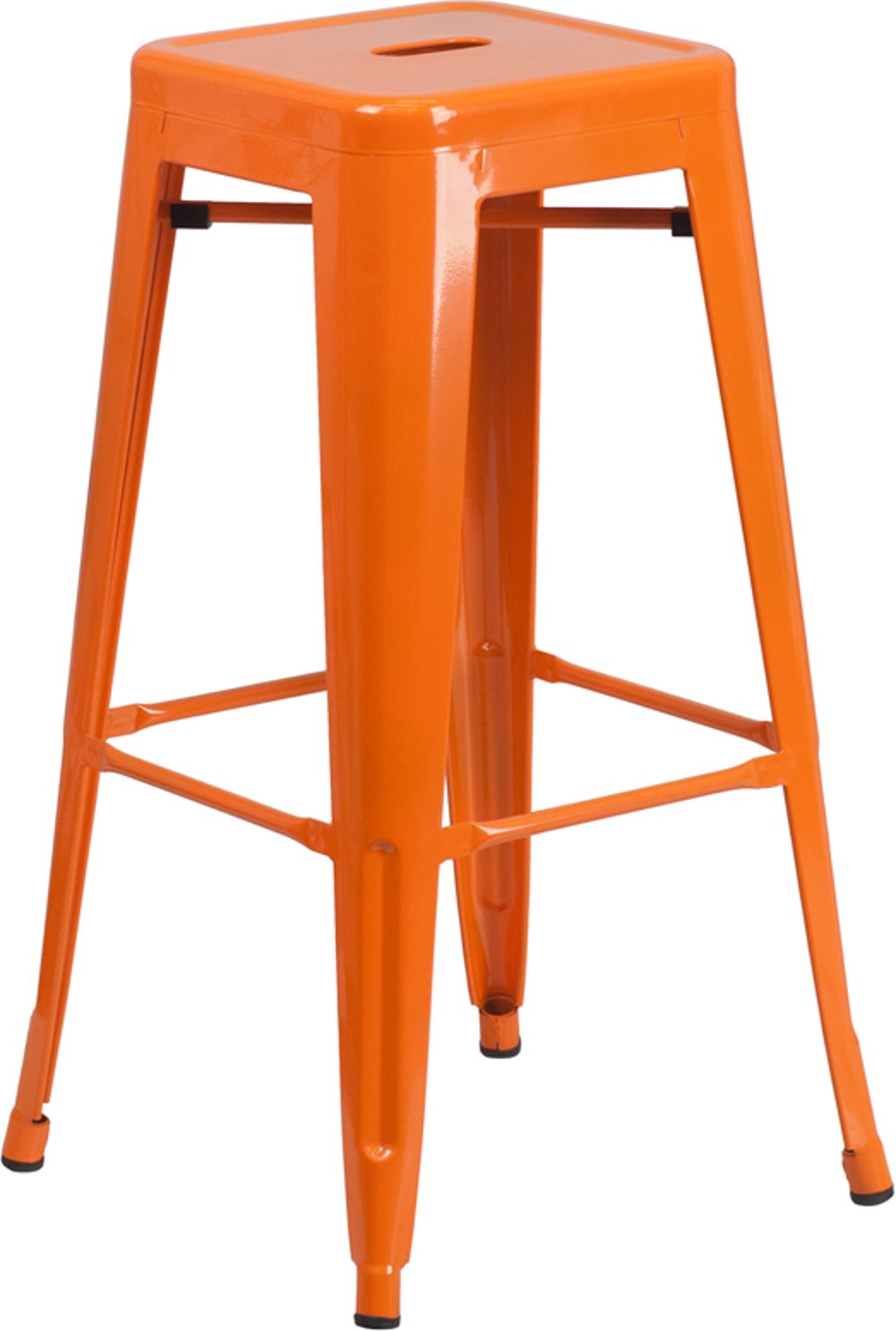
Materials give tall stools much of their character, but they also influence how the seating feels and holds up to daily routines. Wood brings warmth to painted cabinetry, stone counters, and tile floors, with grain patterns that add texture without requiring a bold color. If that natural look suits your room, wood stools can complement anything from a relaxed breakfast corner to a more tailored bar area. Solid wood and well-constructed wood components can provide dependable support, though joints, bracing, and the protective finish matter alongside the material itself. Metal frames offer a different visual effect, ranging from slim and understated to substantial and industrial. A narrow metal base can help seating feel less crowded beneath a counter, while a combination of metal legs and a wood seat balances clean lines with warmth. Upholstered seats add softness where people tend to linger, such as a kitchen island that doubles as a spot for conversation after dinner. Fabric introduces color and texture; leather and synthetic upholstery offer their own appearance and care requirements. Rather than assuming every smooth surface wipes clean the same way, check the recommended cleaning method for the material. In a busy household, a seat with fewer seams and crevices can make crumb cleanup easier, while a textured fabric may require more attention after meals. Design details deserve a close look, too. A curved seat can feel supportive without thick padding, and a backrest gives you something to lean against during a longer visit. Backless tall stools tuck beneath some counters and preserve sightlines across an open room, but they offer less support for extended sitting. Arms can make a seat feel more like a chair, provided they clear the countertop and leave enough elbowroom. Matching every finish isn’t necessary: repeating one element, such as a wood tone or a dark metal accent, can help the seating feel connected to nearby furniture without making the room look overly coordinated.
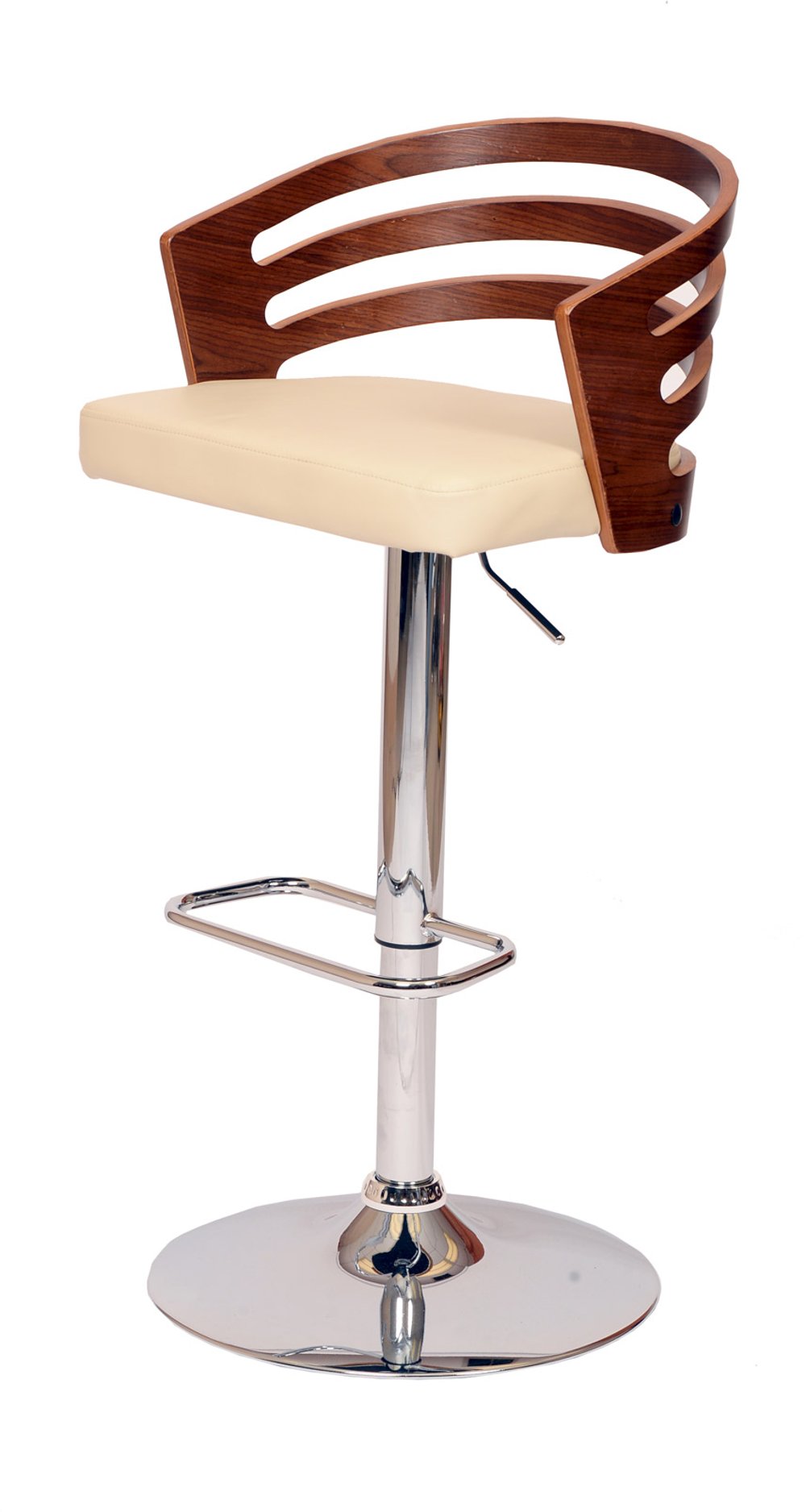
Everyday comfort depends on how a tall stool supports the person using it. Because feet often won’t reach the floor, a sturdy footrest is especially useful for reducing the feeling of dangling legs. Its position should allow a relaxed bend at the knees rather than forcing feet too far back beneath the seat. A swivel seat can make conversation easier when people are gathered on different sides of a room, and it can simplify turning away from the counter without dragging the base. Allow enough clearance so the backrest or arms won’t strike the countertop as the seat rotates. Adjustable-height designs offer flexibility when adults of different heights share the space, but the seat range still needs to suit the surface, and the adjustment mechanism should be used according to its instructions. For someone who has difficulty stepping up, balancing, or transferring into a raised seat, tall seating may be less comfortable than a lower chair and table. Young children also need seating appropriate to their age and abilities; a tall stool shouldn’t double as a climbing aid or step stool. Durability comes down to more than a substantial appearance. Look for a stable base, secure connections, suitable weight capacity, and construction designed for the intended setting. Indoor kitchen seating isn’t automatically suited to a covered patio, where moisture and temperature changes can affect finishes and upholstery. Once the stools are in place, simple care helps them stay comfortable and attractive. Wipe up spills promptly, follow the manufacturer’s cleaning directions, and avoid soaking wood or using harsh cleaners on finishes. Check fasteners periodically when recommended, particularly on seating that gets moved often, and use floor protectors appropriate for both the legs and your flooring. For couples furnishing a first home, households updating a breakfast bar, or hosts creating a casual gathering spot, tall stools offer seating that fits naturally into daily life. A thoughtful balance of height, support, material, and room to move makes that spot inviting long after the meal is finished.
Read More