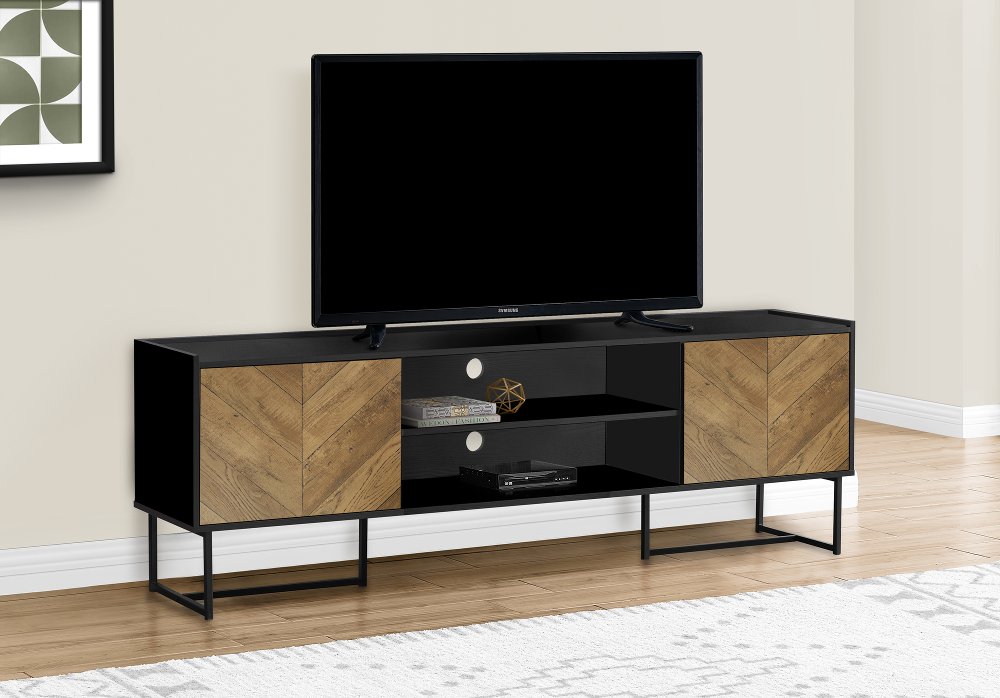
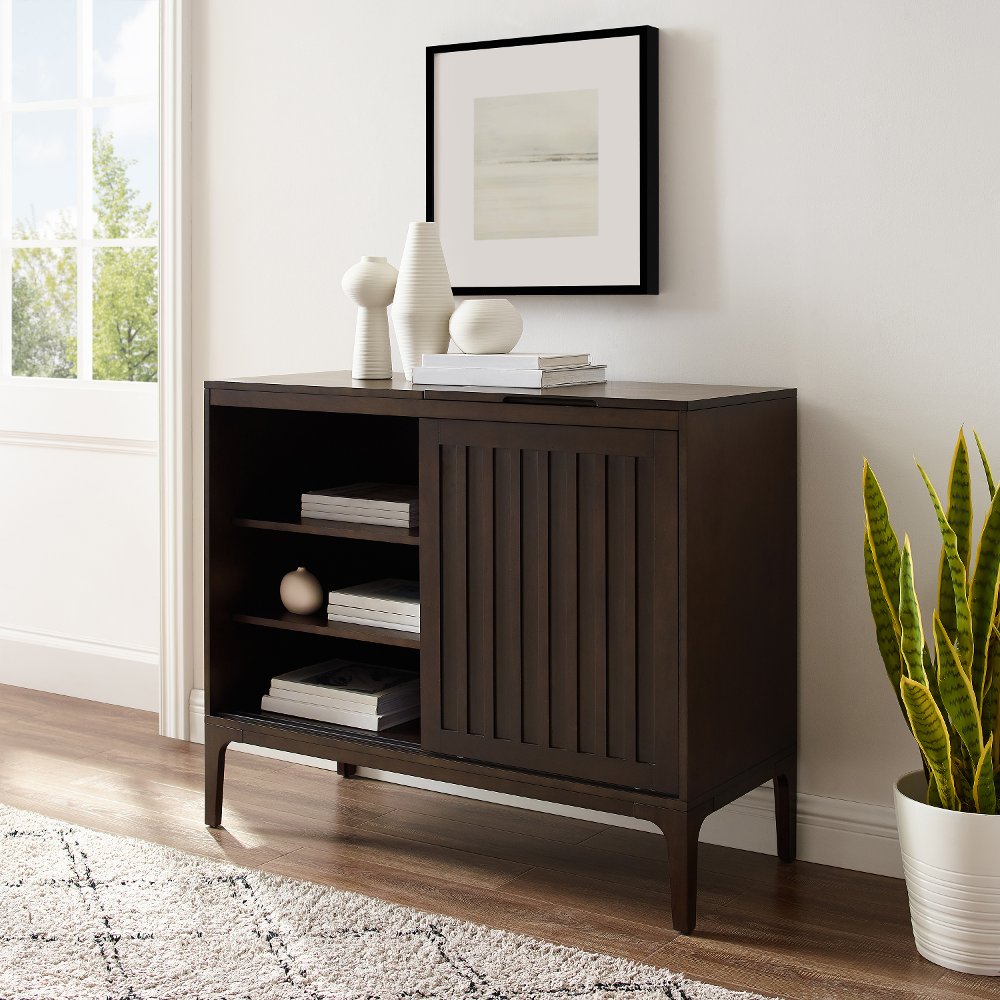
Gaming console stands bring order to the part of your home where entertainment, charging cables, and game-night energy tend to gather. A well-chosen stand gives your console, controllers, headsets, games, and other accessories a defined place, making it easier to start playing and simpler to tidy up when the evening winds down. Instead of balancing equipment on the floor or crowding the top of an entertainment center, you can use vertical shelving to make the most of a small footprint or choose a lower console-style design that creates a steady foundation beneath your television. These stands work well in dedicated gaming rooms, shared family rooms, bedrooms, apartments, and dorm spaces. They can also be a thoughtful gift for a student setting up a first apartment, a parent organizing a family entertainment area, or a gaming enthusiast who has upgraded their setup but still needs a practical home for every accessory. During the cooler months, when movie nights, multiplayer sessions, and indoor gatherings become part of the weekly rhythm, a clean and comfortable setup makes the room feel ready for everyone. Pairing a stand with other living room furnishings, including Flat Screen Consoles, can help create a cohesive entertainment space with room for seating, snacks, and the people who make game night memorable.
Before choosing among gaming console stands, measure the equipment and the space rather than relying on appearance alone. Start with the largest console, including its cables, base, or vertical support if those accessories will remain attached. Check the stand’s interior width, depth, and height, and leave enough clearance around ventilation openings so warm air can circulate freely. An open-back frame, slatted shelf, or generously spaced design can support airflow better than a tightly enclosed compartment, which matters during long play sessions. Pay attention to each shelf’s weight capacity as well, especially if you plan to store multiple systems, a receiver, speakers, charging equipment, or a stack of physical games. A sturdy metal frame, reinforced shelving, or a broad base can provide reassuring stability, while adjustable shelves let the stand adapt as your collection changes. Vertical towers are useful when floor space is limited and can keep equipment within easy reach beside a television. Low stands are often a natural fit beneath a wall-mounted screen or across from a sofa, with extra surface area for accessories and décor. If the stand includes integrated outlets or USB charging ports, consider where the power cord will reach and whether the arrangement keeps plugs easy to access. Built-in charging can reduce the need for loose extension cords and help controllers stay ready, but it shouldn’t replace sensible cable management or safe ventilation. Look for cord openings, rear cutouts, or channels that guide wires neatly toward the wall instead of allowing them to spill across the floor. In a busy household, rounded edges, a stable footprint, and shelves that keep small accessories off walking paths can make the entire area feel more comfortable and considered.
Think about how the stand will support your habits, not just how it looks in a product photograph. Someone who switches between several systems may appreciate multiple open shelves, while a casual player might prefer a compact stand with one main shelf and a lower area for controllers or games. Families often benefit from accessible storage that makes it easy for children to return accessories after use, while roommates may value a vertical design that gives each person a visible place for their equipment without taking over the room. A stand near the seating area can keep headsets and remotes close at hand; one beside a desk can create a more focused setup for online play and streaming. For a polished appearance, group similar accessories together, use a small bin for charging cables, and leave a little open space so the stand doesn’t feel overcrowded. Dusting the shelves regularly and keeping vents clear can help the equipment stay comfortable during extended use. If you’re giving a gaming console stand as a gift, measuring the recipient’s available space or choosing a flexible design with open shelving can make the surprise more useful. It’s the kind of present that supports many kinds of time together, from a quick round after dinner to a rainy afternoon tournament with friends. With the right size, airflow, storage, and power access, gaming console stands turn scattered equipment into an organized entertainment hub—one that feels welcoming when guests arrive and easy to reset when the last controller is set down.
Read More