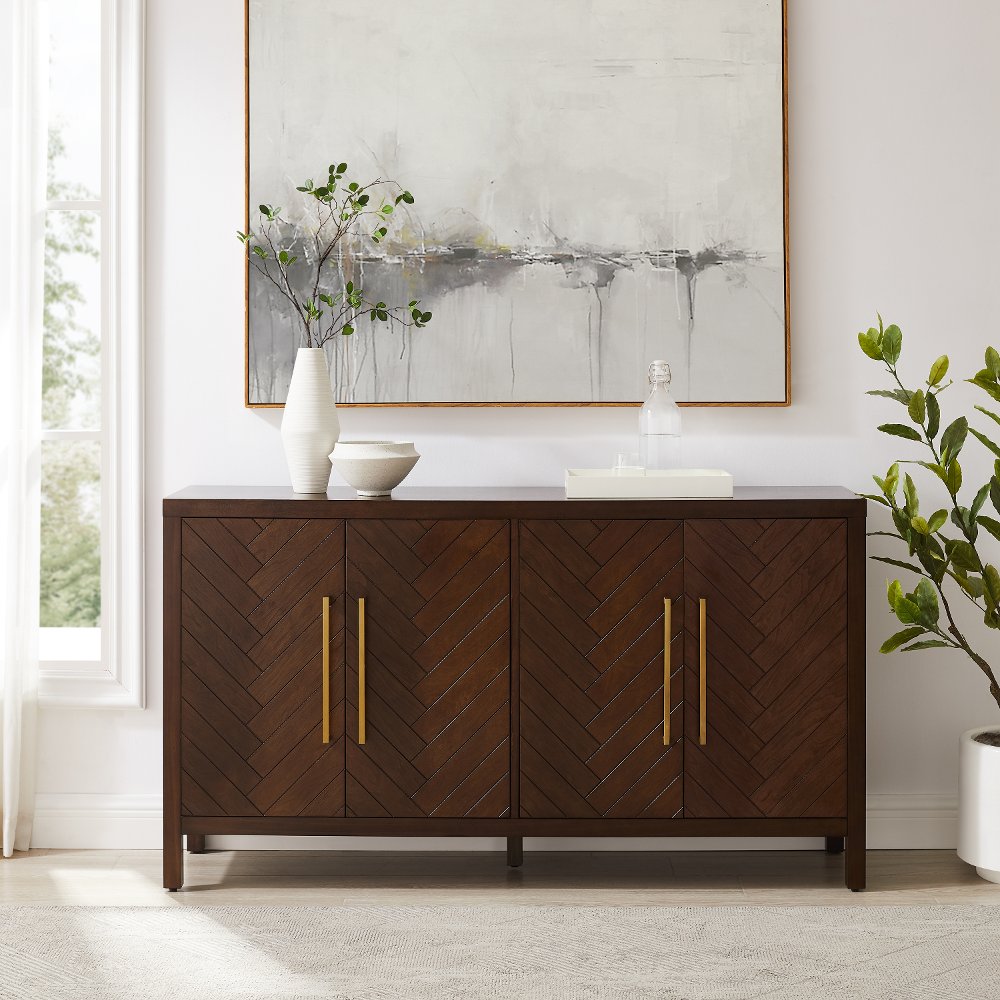
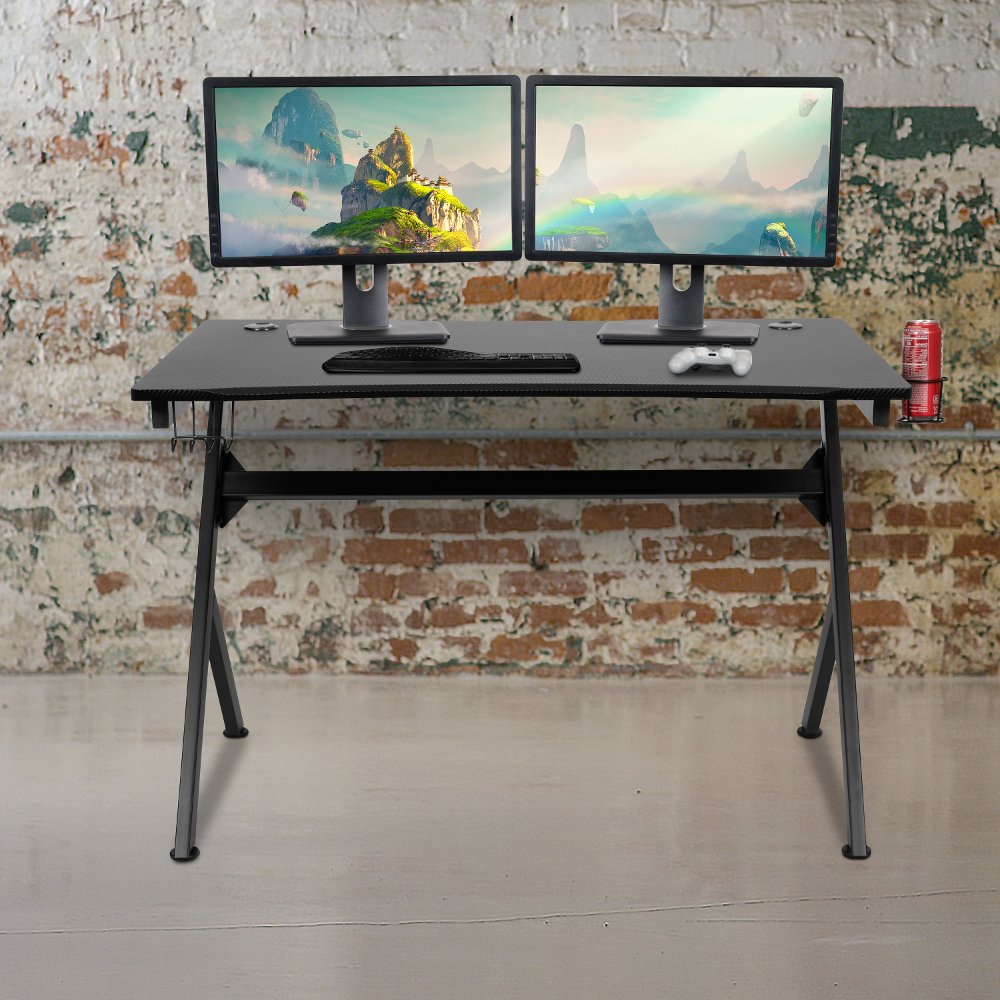
Gaming storage gives consoles, controllers, headsets, and game collections a place to belong, so your room can feel organized without losing its personality. The term can describe two different needs: digital storage, such as SSDs and hard drives that hold game files, and physical storage, such as media cabinets, shelving, racks, and carts that organize gaming equipment. Gaming storage furniture focuses on the physical side, bringing everyday essentials together in a setup that works for playing, charging, and putting everything away. A media cabinet can anchor a shared entertainment area, while a compact shelving unit can keep equipment close to a desk without taking over the room. Open shelves make frequently used accessories easy to reach; drawers and cabinet doors give spare cables, game cases, and smaller pieces a less visible home. A combination of open and closed storage often suits a living room where gaming shares space with movies, music, and conversation. Fit involves more than the furniture’s outside dimensions. The usable width, depth, and height of each compartment determine whether equipment sits comfortably, and connections at the back need room for plugs and cables. Adjustable shelves offer flexibility as your collection changes, while taller compartments may accommodate equipment designed for an upright position. Console orientation should always follow the equipment manufacturer’s guidance. Ventilation matters, too: electronics need the recommended clearance around their vents, and an enclosed compartment isn’t automatically suitable for equipment that runs warm. Open backs, ventilation openings, and generous shelf spacing can support airflow, but they don’t replace the clearance requirements for each device. Cable openings help route cords toward nearby outlets and keep them from hanging across the front of the furniture. Shelf weight limits are equally important, especially when several components share one level. For a TV-centered setup, the furniture also needs the dimensions and weight capacity appropriate for the television. When those practical details line up, gaming storage becomes part of the room rather than an obstacle between your seat, screen, and favorite controller.
Materials and construction shape both the look of gaming storage furniture and how it handles everyday use. Solid wood can bring warmth and visible grain to a room, while wood veneers offer a real-wood surface over a supporting core. Engineered wood appears in many storage designs, often with painted, laminated, or other finished surfaces that suit a range of decorating styles. Metal frames and shelves can create a more streamlined, utility-minded look, especially alongside a gaming desk or an open entertainment setup. No single material tells the whole durability story; sturdy joints, shelf support, hardware, and the quality of the finish also matter. A drawer that opens smoothly and a shelf that supports its intended load make a difference when equipment gets used every day. Glass doors or shelves can give a cabinet a lighter appearance, though their weight limits and cleaning requirements deserve attention. Surface finishes also affect how easily fingerprints, dust, and ordinary marks show. A dark, glossy finish may complement a screen-focused setup but reveal smudges more readily, while a textured or matte surface creates a different visual effect. Care should follow the furniture manufacturer’s instructions, with gentle dusting and prompt attention to spills helping protect the finish. Electronics and cables should stay clear of cleaning sprays, and ventilation openings need to remain free of dust buildup. The furniture’s placement contributes to durability and safety as well. A level surface helps doors and drawers operate properly, and tall storage pieces should be secured as directed, particularly in homes with children or pets. Rolling storage can make rearranging a setup easier, but caster design, floor type, and locking features affect how comfortably it moves and stays in place. Closed storage keeps small accessories out of sight, though it shouldn’t be treated as childproof unless it has features designed for that purpose. Thoughtful construction supports the simple routines that keep a gaming area pleasant: returning a headset to its spot, sliding a controller into a drawer, and finding the charging cable without searching behind the TV.
The best arrangement reflects the people who use the room and the way gaming fits into their day. In a family living room, gaming storage can keep controllers accessible while giving remotes, headphones, and game cases separate spaces. A cabinet with a quieter profile can blend with existing furniture, allowing the room to feel comfortable for both an afternoon game session and an evening with guests. In a dedicated gaming room, open shelving can put a collection on display, while closed compartments handle the less decorative necessities. For a smaller bedroom or apartment, a narrow tower or compact cabinet may make better use of limited floor space than a broad entertainment unit. Vertical storage can help preserve a walkway, provided the piece fits securely and doesn’t crowd doors, seating, or desk access. Shared setups benefit from distinct places for each person’s accessories, especially when several controllers and similar-looking charging cords end up together. Digital-only players still have physical storage needs, from headsets and charging docks to spare cables and handheld equipment. Disc collectors may need more shelf space for cases, while someone who switches between a desk and a TV may value storage that keeps accessories easy to carry between the two. Complementary Gaming Room Accessories can help connect storage with the rest of the setup, whether the goal is a comfortable place to play or a more coordinated room. Storage furniture can also make a thoughtful gift for a gamer furnishing a first apartment, refreshing a bedroom, or creating a shared entertainment space. Room measurements, equipment dimensions, and the recipient’s decorating preferences are especially useful when choosing a furniture gift. The aim isn’t to fill every compartment immediately. A little breathing room makes it easier to reach connections, return accessories, and accommodate a growing collection. With a layout that suits your space and habits, gaming storage helps keep the focus where it belongs: on enjoying the game, not untangling the room.
Read More